What Building for Warehouse Inventory Taught Us About Scalability
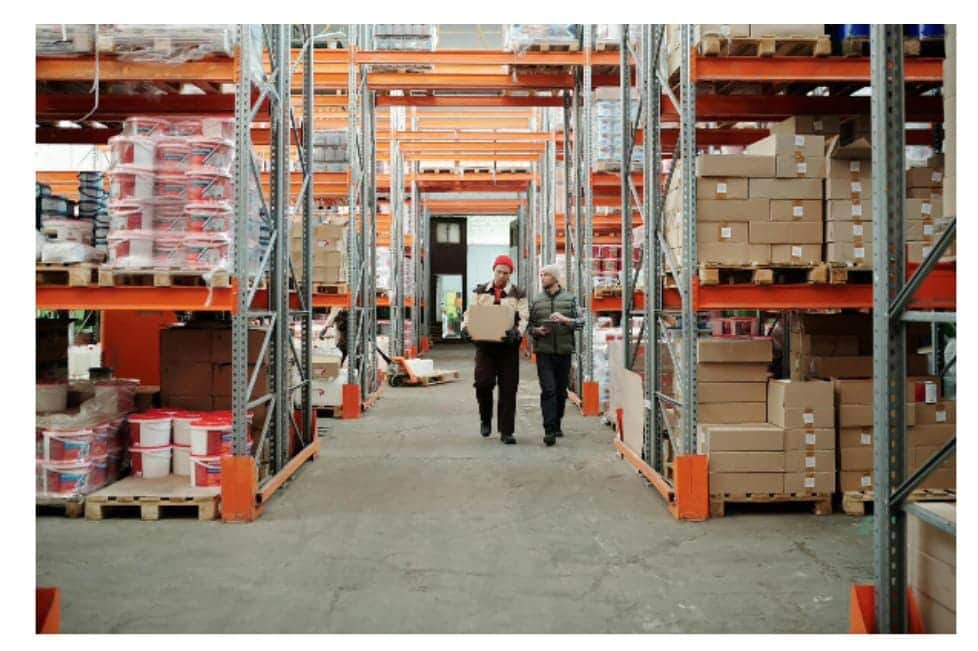
When organizations prepare for expansion, they normally prioritize sales, marketing, and attracting new consumers. However, one of the most crucial and frequently neglected aspects is what happens behind the scenes.
Building a warehouse inventory system that supports growth provides important lessons in scalability, efficiency, and long-term planning. Many of the issues that appear during expansion begin with early decisions in warehouse inventory management.
Whether it’s storage space or software setup, warehouses quickly show if a system was built to grow or just to get by.
Why Warehouse Inventory Management Is a Scalability Test
At its core, warehouse inventory management is about knowing what you have, where it is, and how quickly you can move it. That sounds simple—until order volumes double, SKUs multiply, and customer expectations tighten.
Warehouses are places where people work, technology, and physical space come together. You can't disguise inefficiencies for long like you can with digital systems. Issues like shipments that are late, picking errors, too much stock, or wasted space become clear.
As operations develop, these problems get worse, so scalability isn't just something to think about later; it's something that needs to happen right away.
Companies that just think about today's demands when they develop inventory systems often find that growth shows them every mistake they made.
Lesson 1: Scalability Is Not Just About Size
Scalability usually means more warehouse space. Space matters, but adaptation scales. A good warehouse can manage multiple orders, seasonal peaks, and new items without moving and reorganizing.
Modular processes, automation, and flexible system design help warehouses expand more easily than physical expansion, according to research. Manual, rigid systems become bottlenecks as businesses grow. Flexible, automated systems can handle growth more easily.
Adaptable racks, modular layout, and technology that can be changed without downtime are key to scalable warehouse design.
Lesson 2: Technology Decisions Echo for Years
Warehouse technology is one of the most influential long-term decisions a business makes. Inventory software, automation tools, and data infrastructure all shape how easily operations can scale.
When companies only plan for the short term, they often end up with scattered systems—spreadsheets in one place, separate tools in another, and many manual fixes. As orders grow, these disconnected tools slow down decision-making and increase mistakes.
Scalable data system insights show that centralized, well-structured data allows for faster forecasting, better replenishment decisions, and clearer performance metrics. In warehouses, this translates directly to smoother scaling. When inventory data is precise and real-time, growth becomes more manageable rather than chaotic.
Lesson 3: Manual Processes Don’t Scale—People Burn Out
In the beginning, warehouses generally rely on people to fill in the holes in their systems. Staff members know where things are, adjust selecting routes as needed, and repair inventory problems by hand. This kind of approach can work while there aren't many customers, but it won't work as the business grows.
Warehouses that grow quickly often find that labor inefficiency is one of their biggest obstacles. Manual processes mean more training, more mistakes, and tired employees.
Scalable inventory systems make work easier for employees by standardizing processes, providing clear workflows, automating tasks, and enabling smart picking methods.
Lesson 4: Growth Exposes Inventory Visibility Gaps
As businesses expand, inventory visibility becomes mission-critical. Knowing total stock levels is no longer enough; companies need insight into stock location, movement velocity, and demand patterns.
When warehouses don't have real-time sight, they generally deal with this by overstocking, which wastes money and space. Even when there is stock, other people often run out because of bad placement or allocation.
Consulting insights from fast-growing warehouse environments show that scalable inventory management emphasizes visibility across locations, channels, and time horizons. This allows businesses to grow without losing control of their supply chain.
Lesson 5: Scalability Requires Continuous Maintenance
Scalability isn't achieved once and forgotten. Even top warehouse systems need constant updates and tweaks.
As product mixtures change and customer demand increases, inventory strategies must adapt. Review procedures, data models, and layouts to remove new bottlenecks.
The lesson is that scalable systems are maintenance-focused. They enable incremental progress rather than abrupt overhauls when growth surges.
What Warehouses Teach Us About Building for the Future
Scaling warehouse inventory illustrates a business lesson: growth accentuates deficiencies. Pressure can make small-scale decisions inefficient. Flexibility, visibility, and intelligent system design pay off over time.
Warehouse inventory management isn’t just about day-to-day operations; it’s a strategic issue. Companies that see it this way are better prepared to grow, serve customers well, and handle change without always being in crisis mode.
In the end, warehouses do more than store products. They show whether a business is truly ready to grow.

