What exactly is "product-led growth" and how can you apply it at every growth stage?
There are three main questions you need to answer:
- how to acquire
- how to retain
- and how to monetize your customer
When we're talking about bottoms-up, we're talking specifically about acquisition and monetization levers. Bottom-up fundamentally means that you are leveraging your usage to generate leads for sales, where you are putting pressure on the product to generate the leads. So in traditional bottoms-up sales, the product generates the leads for you and generates the pipeline.
In product-led, specifically, you are counting on those hand raisers, you are counting on the product qualification criteria that get you closer to closing that enterprise-level contract.
But which one comes first?
Every single company has to first focus on being product-led and build a solid retention strategy. The only way that you'll ever have any chance of acquisition. Being product led is if you nail your product-led retention. Retention falls into two main KPIs, which are activation and then engagement.

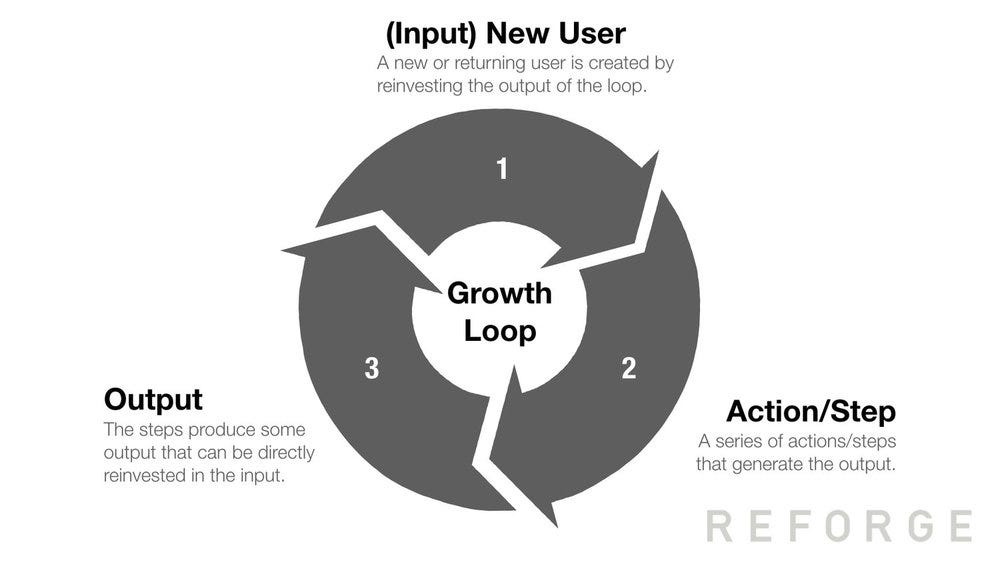
If your product is not able to activate and, more importantly, engage via habitual loops and be in the habit-forming zone, then you'll have no chance of hooking an acquisition into your product. Because acquisition and product-led mean users invite, refer, or create content that attracts other users well, if your users are not habitually using your product, there are fewer and fewer opportunities for you to create any product-led acquisition.
So never start with product-led acquisition. You must first start with product-led retention, activation, and engagement.

Very true. Forming habits to engage and keep bringing users back is crucial in this case.
In fact, products, which rely on habitual loops to keep users engaged, have proven to be better in long term, because they build a relationship between the user and the product. I specifically love how food-ordering apps have mastered this particular element through push-notifications on our phones.