What I learned from reaching $10k MRR with my indie product
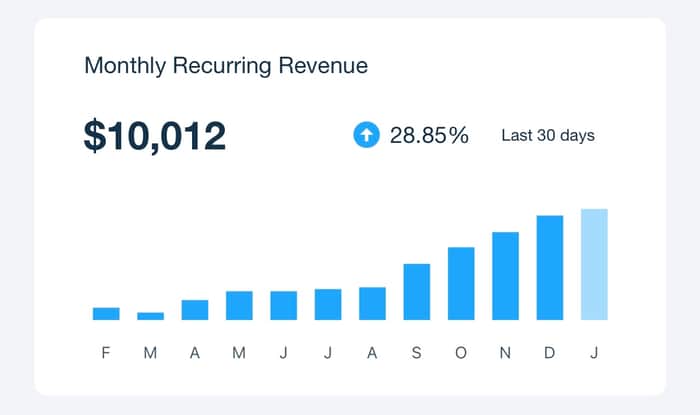
$10k is a huge revenue milestone in the indie world. Most startups never make it past $100 recurring revenue.
Here are some notes that I’ve made while building the product that people actually pay for.
Customers DON’T know better.
It’s a common popularised mistake to think that customers should define and shape the product. If they knew how to solve their problem, they would have done it already. Your product has to be as opinionated as possible in its early days. Otherwise you’ll get pulled apart by a hundred ideas from your customers that don’t make any sense.
Take the example of Uber. If they had asked customers what features they want, we would probably have a taxi-app with a million options, every driver would be screened and the price would be double.
“9 out of 10 startups fail” is a lie.
9 out of 10 startups just don’t have product-market-fit. The secret behind steady growth that we had so far is that there’s 100% aligned with the market and customer pains. There are zero doubts they need the product to solve their pains.
Whiteboards / wireframes / schemas are redundant.
If it can’t fit into your mind, it’s most probably redundant. Having a simple task list or a simplistic Kanban board is wholly sufficient. There’s no diagram or board in my whole 15 year career that made it past 30 days.
Most probably you’re overly complicating
If you can’t explain it in 2 sentences, it’s redundant. If you can’t code it in 100 lines, it’s redundant. 90% of all failed startups that I’ve witnessed died because their founders were making up problems to solve because it was fun to them.
Saving is better than making
In the B2B sales tech world, loud promises of more/better sales always work worse that hard math on cost savings for clients. We know that with GigRadar.io they are guaranteed to reduce at least 300% of their current expense on Upwork lead generation. Hard to argue with that.

congrats,
and thanks for sharing the learnings
Congrats Vadym. Looking forward to seeing your next update at $20k MRR.
Very precious informations, thank you for that
Great list! How long did it take you to reach this?
“ Your product has to be as opinionated as possible in its early days. Otherwise you’ll get pulled apart by a hundred ideas from your customers that don’t make any sense.”
💯 agree! Haing a clear point of view helps you set direction, poition against competitors and defines your product strategy.