What Is IPTV? Understanding IPTV, Benefits, and How It Works
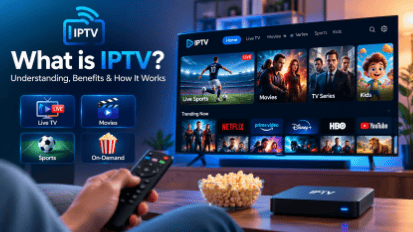
The way people consume television and entertainment content has changed dramatically with the development of internet technology. Traditional cable and satellite television services are no longer the only options available for viewers. Today, many users prefer flexible digital entertainment solutions that provide access to live channels, movies, sports, and on-demand content through internet connections.
One of the biggest innovations in modern entertainment is IPTV (Internet Protocol Television). IPTV allows television programs and multimedia content to be delivered through internet networks instead of traditional broadcasting methods. This technology provides users with more control, better flexibility, and access to entertainment across multiple devices.
From Smart TVs and Android TV boxes to smartphones and streaming devices, IPTV has created a new way of experiencing television. Businesses have also recognized the potential of IPTV by offering subscription services and reseller opportunities through advanced management platforms.
This guide explains what IPTV is, how it works, its benefits, important features, and why it has become a major part of the digital entertainment industry.
What Is IPTV?
IPTV (Internet Protocol Television) is a technology that delivers television content through an internet connection using Internet Protocol networks.
Unlike traditional television systems that use satellite signals, antennas, or cable infrastructure, IPTV streams content directly through online networks. This allows users to watch live television channels, movies, sports events, and other entertainment content whenever they want.
IPTV works similarly to other online streaming services but focuses specifically on television programming and live broadcasting.
Examples of IPTV content include:
Live TV channels
Sports broadcasts
Movies
TV series
News channels
International programs
Video-on-demand (VOD) content
The main advantage of IPTV is that it gives viewers more freedom compared with traditional television services.
How Does IPTV Work?
Understanding how IPTV works requires looking at the complete process behind content delivery.
1. Content Collection
IPTV providers collect television channels and media content from different sources. This content is organized and prepared for digital streaming.
2. Encoding and Processing
The collected content is converted into digital formats that can be transmitted through internet networks.
Advanced IPTV systems optimize video quality to support different resolutions, including:
SD quality
HD streaming
Full HD
4K Ultra HD
3. Storage and Distribution
The processed content is managed through powerful streaming servers. These servers handle user requests and deliver content efficiently.
Many professional platforms use Content Delivery Networks (CDNs) to improve speed, reduce buffering, and provide a smoother viewing experience.
4. User Access
Users connect to IPTV services through compatible applications or devices.
Popular IPTV-compatible devices include:
Smart TVs
Android TV devices
Amazon Fire TV Stick
Smartphones
Tablets
Computers
IPTV boxes
Once connected, users can browse channels, select content, and start streaming instantly.
Types of IPTV Services
IPTV services are generally divided into different categories based on how content is delivered.
Live IPTV
Live IPTV allows users to watch television channels in real time, similar to traditional broadcasting.
Examples include:
Sports channels
News channels
Entertainment channels
International television
This option is popular among viewers who want live events and regular programming.
Video-on-Demand (VOD)
Video-on-demand allows users to select movies, series, and other content whenever they want.
Unlike scheduled television programs, VOD gives complete control over entertainment choices.
Time-Shifted IPTV
Time-shifted IPTV allows viewers to watch previously broadcast programs. This feature is useful for users who miss live shows and want to watch them later.
Catch-Up TV
Catch-up TV provides access to recently aired programs without requiring users to record them manually.
Benefits of IPTV
IPTV has become popular because it provides several advantages compared with traditional television systems.
1. Flexible Entertainment Experience
One of the biggest benefits of IPTV is flexibility.
Users are no longer restricted to fixed television schedules. They can choose what they want to watch and access content from different devices.
Whether watching at home or traveling, IPTV provides convenient entertainment access.
2. Multi-Device Compatibility
Modern IPTV services support various platforms, making them suitable for different viewing preferences.
Users can stream content through:
Smart TVs
Mobile phones
Tablets
Streaming boxes
Desktop computers
This flexibility allows households to enjoy entertainment on multiple screens.
3. High-Quality Streaming
Premium IPTV services support advanced video quality, including HD and 4K streaming.
High-resolution streaming provides:
Clearer images
Better details
Improved viewing experience
However, streaming quality also depends on internet speed, device performance, and provider infrastructure.
4. Large Content Variety
IPTV platforms often provide access to a wide range of entertainment categories.
Users can enjoy:
Movies
Sports
Documentaries
Kids programs
International channels
Lifestyle content
This variety makes IPTV suitable for different audiences.
5. Cost Efficiency
Many users choose IPTV because it can provide extensive entertainment options through a single digital platform.
Instead of managing multiple traditional subscriptions, IPTV allows viewers to access different types of content in one place.
IPTV vs Traditional Television
Traditional television and IPTV both provide entertainment, but their technology and user experience are different.
Traditional Television
Traditional TV usually depends on:
Cable networks
Satellite signals
Broadcast towers
Users typically follow fixed schedules and have limited control over content.
IPTV
IPTV uses internet networks and provides:
On-demand content
Multi-device access
Flexible viewing
Interactive features
This difference has made IPTV increasingly attractive for modern audiences.
Important Features of a Quality IPTV Service
When choosing an IPTV service, users should consider several important features.
Reliable Streaming Servers
Server quality directly affects streaming performance.
A professional IPTV service should provide:
Stable connections
Minimal buffering
Fast channel loading
Consistent performance
Electronic Program Guide (EPG)
An Electronic Program Guide (EPG) helps users navigate channels and programs easily.
It displays:
Current shows
Upcoming programs
Channel schedules
This creates a more organized viewing experience.
User-Friendly Applications
A good IPTV platform should provide simple and easy-to-use applications.
Important features include:
Easy navigation
Search options
Category organization
Smooth playback
Customer Support
Reliable customer support is important because users may need assistance with installation, setup, or technical issues.
IPTV Reseller Business Opportunities
The growth of IPTV has created opportunities for entrepreneurs who want to enter the digital entertainment market.
An IPTV reseller business allows individuals and companies to sell IPTV subscriptions while managing customers through specialized platforms.
A professional IPTV reseller system can help with:
Customer management
Subscription activation
Package organization
Account monitoring
Credit management
Businesses looking for professional IPTV reseller panel solutions for managing subscriptions and customers can use advanced platforms to simplify operations and improve their service management.
What Is an IPTV Reseller Panel?
An IPTV reseller panel is a management dashboard designed to help businesses operate IPTV subscription services.
Instead of manually handling every customer account, resellers can manage everything from one centralized platform.
Common reseller panel features include:
Create customer accounts
Activate subscriptions
Manage packages
Track expiration dates
Monitor user activity
Manage reseller credits
These features make it easier to scale an IPTV business.
How IPTV Panels Help Businesses
For companies entering the IPTV industry, management tools are essential.
An IPTV panel helps businesses:
Improve Organization
All customer information and subscription details can be managed from one dashboard.
Save Time
Automation reduces the need for manual tasks and allows faster account management.
Provide Better Customer Experience
Quick activation, organized packages, and reliable management improve customer satisfaction.
Advanced solutions like JioTV Panel help IPTV businesses manage subscriptions, users, credits, and streaming services through efficient panel-based systems.
Devices Used for IPTV Streaming
IPTV works with many modern entertainment devices.
Smart TVs
Smart TVs provide direct access to IPTV applications without requiring additional equipment.
Android TV Boxes
Android TV devices allow users to install different IPTV applications and customize their streaming experience.
Amazon Fire TV Stick
The Fire TV Stick is popular because it is affordable and easy to connect.
Smartphones and Tablets
Mobile devices allow users to watch IPTV content anywhere with an internet connection.
Factors That Affect IPTV Performance
Several technical factors influence IPTV quality.
Internet Connection
A stable and fast internet connection is necessary for smooth streaming, especially for HD and 4K content.
Server Infrastructure
High-quality servers help reduce buffering and improve reliability.
Device Capability
Older devices may not handle high-resolution streaming as effectively as modern hardware.
Network Optimization
Advanced network systems and CDNs help deliver content faster and more efficiently.
The Future of IPTV Technology
IPTV continues to evolve as internet speeds improve and users demand more flexible entertainment options.
Future developments may include:
Artificial intelligence recommendations
Better personalization
Improved streaming quality
Advanced applications
More interactive features
The combination of internet technology and digital entertainment will continue shaping how people watch television.
Conclusion
IPTV has transformed the television industry by providing a flexible, internet-based alternative to traditional broadcasting. With features such as live channels, video-on-demand, HD and 4K streaming, and multi-device compatibility, IPTV offers a modern entertainment experience.
Understanding how IPTV works helps users make better decisions when selecting services, while businesses can benefit from IPTV reseller solutions that simplify subscription management.
As digital entertainment continues to grow, IPTV technology will remain an important part of the future of television, offering viewers and businesses new opportunities in the evolving streaming landscape.

