What is the most profitable App Monetization Strategies
If you are looking for a synonym of the term “gold rush” in the 21st century, it is mobile apps. Speaking in rough numbers, as of 2021, there are about five million apps on Google Play and App Store according to Statistica.
In contrast to any logical assumption, the top-grossing apps are free.

If the statistical data is true (and it is), free apps have surpassed the paid ones in terms of downloads and profit. Here's great evidence of the free app dominance. Surprisingly, even Google Play claims that 98% of revenue is generated by free apps.
Let’s look into more detailed data on how free apps actually generate money.

And now about Mobile App revenue models in detail:
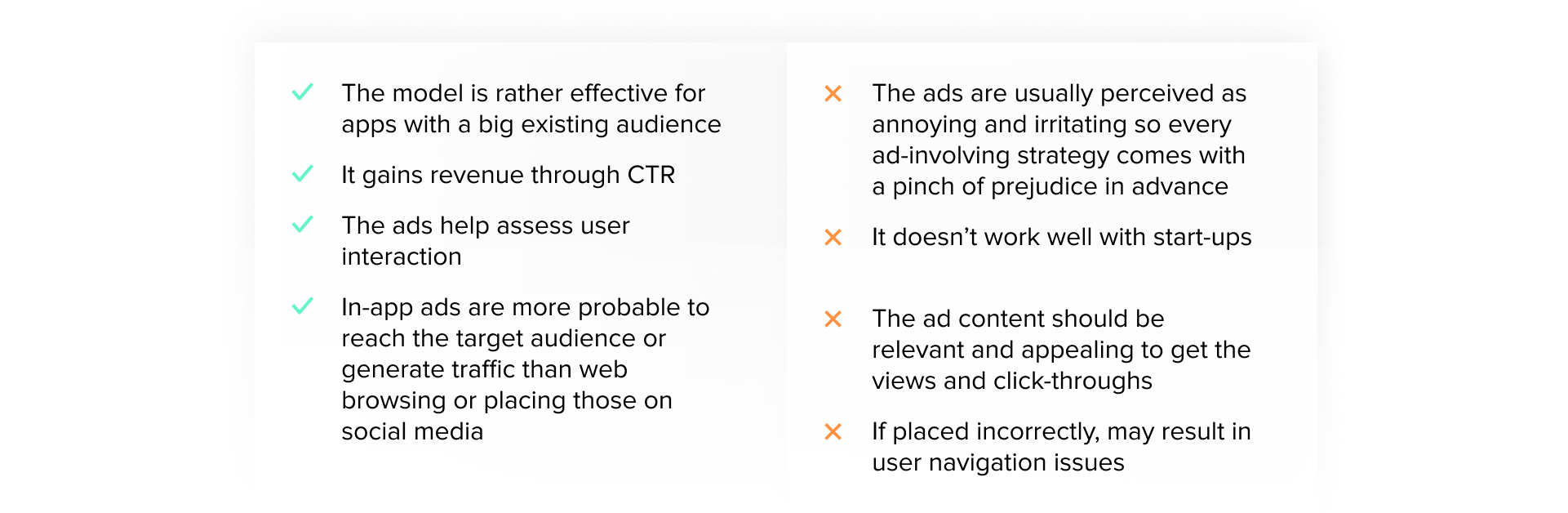
Advertising
What it stands for: This strategy is the most popular and simple to integrate. The Sweetpricing report states that this model is the only source to generate in-app revenue for 32.5% of the largest mobile providers. What an app owner needs is to display ads inside an app or go for affiliate marketing and receive payments from third-party ad networks. You will get paid either per impression, per click or per installation of an advertised application.
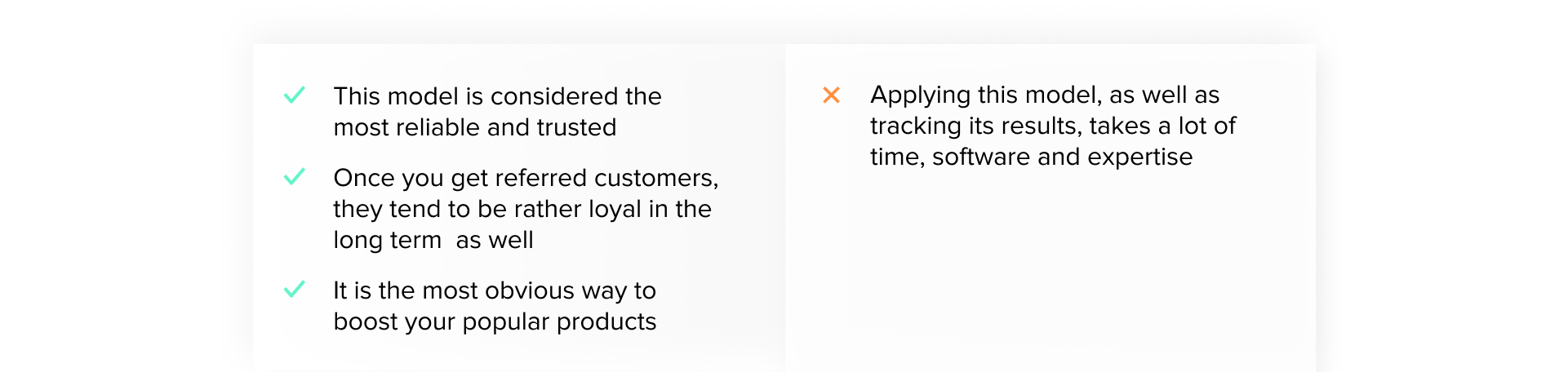
Referral Marketing
What it stands for: Closely related to the first model, referral marketing uses the in-app ad to promote an affiliate company (its products and services or even promote another app) and get revenue for installs, clicks or any other actions.
There are several ways you can apply this model (the names of which speak for themselves): CPC (cost-per-click), CPV (cost-per-view), CPI (cost-per-install), CPM (cost-per-mille i.e. cost-per-impression), CPA (cost per action or cost per acquisition), CPS (cost per sale networks or pay-per-sale).
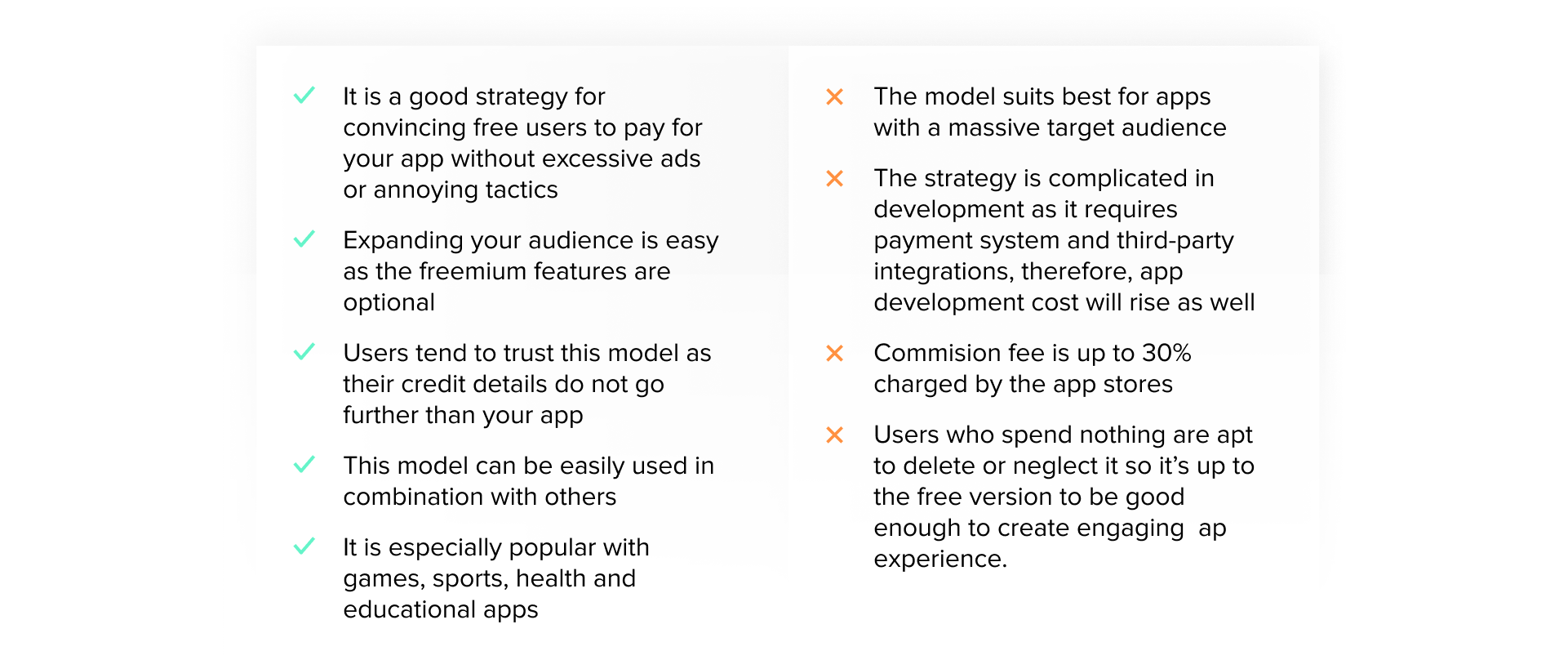
Freemium and In-App Purchase
What it stands for: Selling virtual items to offer better functionality (game levels, additional features etc.) or upscale content. Every trade is conducted within the app store and converts into revenue for the app owner.
The features you offer in return for an in-app purchase may be consumable (applied only once like game lives or in-app currency), non-consumable (applied permanently like ad blocking, better functionality), and subscription (applied temporarily to get access for a limited period and extended it if necessary).
Subscription Model
What it stands for: offering unlimited access to advanced features or content in exchange for a subscription fee (weekly, monthly, annually).
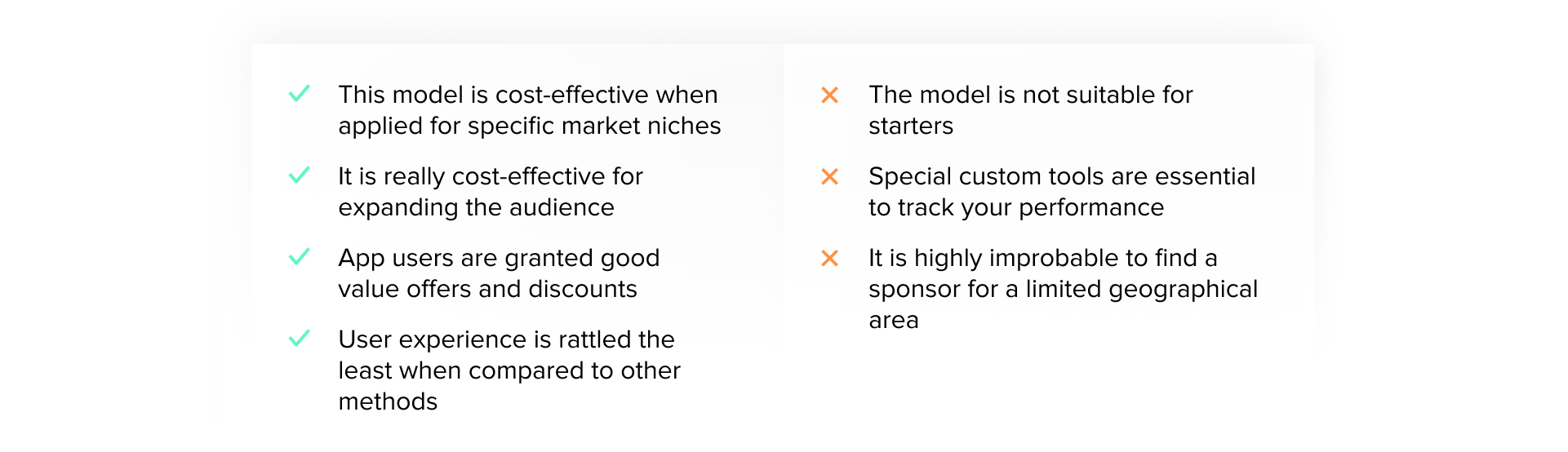
Sponsorship Model
What it stands for: involving sponsors in your market segment by posting their branded ads, information on their business or even adapting the app design to match their marketing needs.
There are two types of sponsorship deals: negotiated split of the revenue produced by the app and monthly sponsorship fee for its use or maintenance.
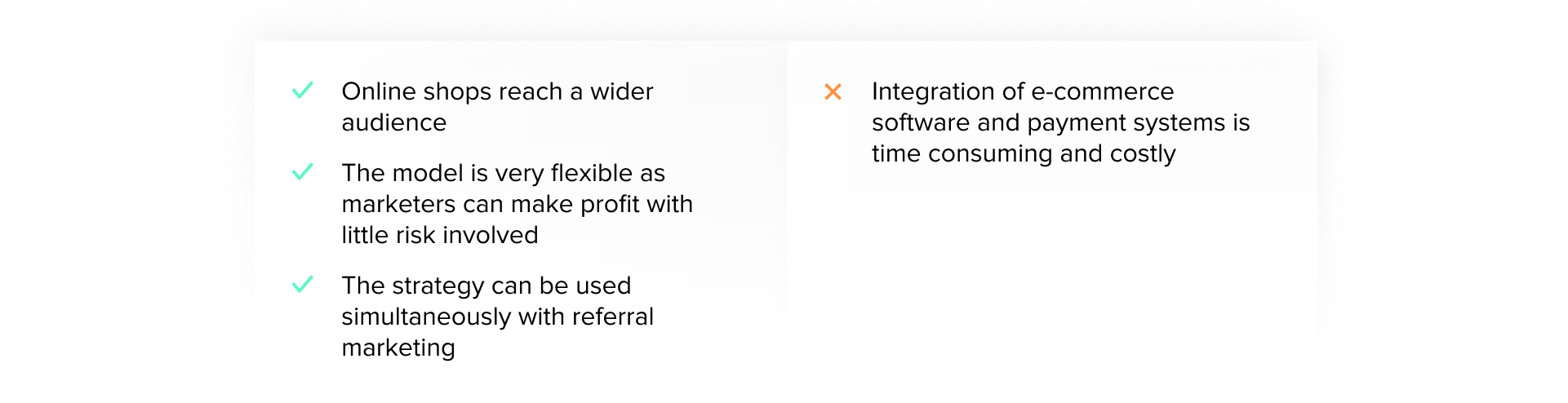
App Merchandise & E-commerce
What it stands for: using an app to sell physical items or branded merchandise.
Read about Crowdfunding, Email Marketing, Collecting and Selling Data models in the full blog article.

Hi Olesia,
There is another unmentioned channel for monetizing apps.
You can embed a 3P SDK that asks the free users for consent to use their free bandwidth resources and in return, you as the app owner can make revenues on every consented user, you can see an example at joinmassive