What Makes Healthcare-Specific LLMs Different From General-Purpose Models?
The rapid advancement of artificial intelligence has brought large language models into nearly every industry, but healthcare stands apart as one domain where generic solutions simply won't cut it.

While general-purpose models like ChatGPT have demonstrated impressive capabilities across various tasks, the medical field demands something fundamentally different.
The stakes are higher, the terminology more complex, and the margin for error essentially nonexistent when patient lives hang in the balance. When a general AI model makes a mistake about restaurant recommendations, someone might have a mediocre dinner.
When a healthcare model errs on medication guidance, the consequences can be catastrophic.
Training Data: The Medical Knowledge Foundation
The most critical distinction between healthcare-specific and general-purpose LLMs begins with what they learn from. General models train on vast swaths of internet content, absorbing everything from social media posts to Wikipedia articles to novels.
This broad exposure gives them conversational ability and general knowledge, but medical information gets mixed with consumer advice, opinion pieces, and potentially misleading health claims.
Healthcare-specific models take a dramatically different approach. Their training focuses intensively on peer-reviewed medical literature, clinical notes, biomedical research papers, and validated healthcare databases.
This specialized training creates models that understand context in ways general AI cannot. A healthcare LLM recognizes that "acute" means something specific in cardiology versus neurology. It knows the difference between similar-sounding medications and understands why certain drug combinations pose risks.
Medical Terminology and Context

Medical language operates on multiple levels simultaneously. A single term might carry different implications depending on specialty, patient population, or clinical setting. General-purpose models struggle with these nuances because they lack the deep contextual understanding that comes from focused medical training.
Consider how a general model might interpret "stage four." Without healthcare-specific training, it could relate this to anything from theater production to video games.
A medical LLM immediately recognizes this as advanced cancer staging and understands the clinical implications, treatment considerations, and prognosis discussions that follow.
The same applies to abbreviations. Healthcare drowns in acronyms, and many share identical letters while meaning completely different things. "MS" could refer to multiple sclerosis, mitral stenosis, or mental status depending on context.
Healthcare models trained on clinical documentation learn to distinguish these meanings based on surrounding information.
Privacy and Compliance Built Into the Core
General-purpose AI models weren't designed with healthcare regulations in mind. They typically operate on cloud infrastructure where data privacy becomes a significant concern. When these models process patient information, there's inherent risk around HIPAA compliance, data retention, and unauthorized access.
Beyond technical architecture, these models understand what constitutes protected health information. They can identify and handle sensitive data appropriately, whether that means redacting identifiers, flagging compliance issues, or refusing to process certain requests that could violate patient privacy.
Handling Medical Reasoning and Differential Diagnosis

Perhaps the most sophisticated difference lies in medical reasoning capabilities. Diagnosing conditions isn't simply matching symptoms to diseases. It requires understanding disease mechanisms, recognizing atypical presentations, and considering multiple possibilities simultaneously.
General-purpose models can list common symptoms of pneumonia if asked, but they struggle with the complex reasoning required for differential diagnosis. They might miss that similar symptoms could indicate heart failure, pulmonary embolism, or several other conditions requiring entirely different treatments.
Healthcare LLMs are trained on clinical reasoning patterns. They've analyzed thousands of cases where physicians worked through differential diagnoses, considered test results, and adjusted their thinking based on new information. For more information on how these models approach clinical reasoning, specialized platforms demonstrate significant advantages over general alternatives.
Integration With Medical Systems and Workflows
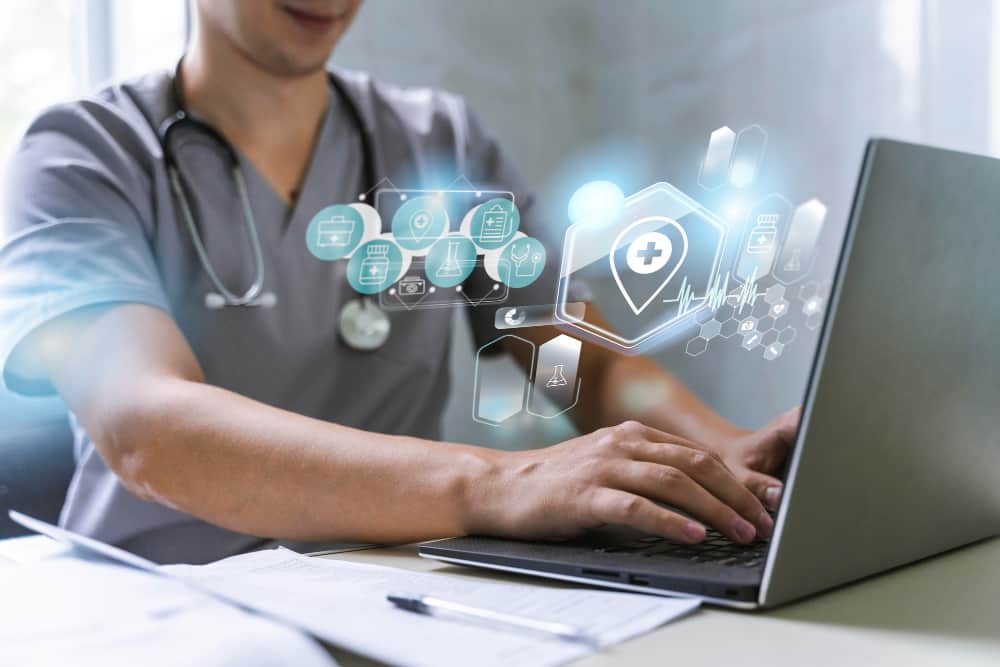
Healthcare operates through specialized electronic health record systems, medical imaging platforms, laboratory information systems, and countless other domain-specific tools. General AI models exist separately from these workflows, requiring manual data transfer and offering limited integration options.
Healthcare-specific LLMs are built to work within medical ecosystems. They can parse HL7 messages, understand FHIR standards, and integrate with existing clinical software.
The workflow integration extends to output as well. Rather than generating responses in conversational format, healthcare models can produce structured clinical notes, formatted prescriptions, or coded diagnoses that feed directly into medical record systems.
Specialized Use Cases Beyond General Capability
The focused training of healthcare LLMs enables applications that general models simply cannot handle effectively. Clinical documentation improvement, medical coding assistance, and prior authorization processing all require deep healthcare knowledge that goes beyond surface-level understanding.
Take medical coding as an example. Converting clinical narratives into proper ICD-10, CPT, and HCPCS codes demands understanding not just what happened but how to classify it according to complex billing and regulatory requirements.
Similarly, drug interaction checking requires knowledge of pharmacology, metabolism pathways, and clinical significance that general models haven't learned. A healthcare LLM can flag that combining certain antidepressants with specific pain medications risks serotonin syndrome, understanding both the mechanism and clinical presentation of this dangerous condition.
The Human Element in Healthcare AI
Despite all these technical differences, perhaps the most important distinction is philosophical. General-purpose AI aims to be helpful assistants for everyday tasks. Healthcare-specific LLMs are built as clinical support tools designed to augment medical professionals rather than replace human judgment.
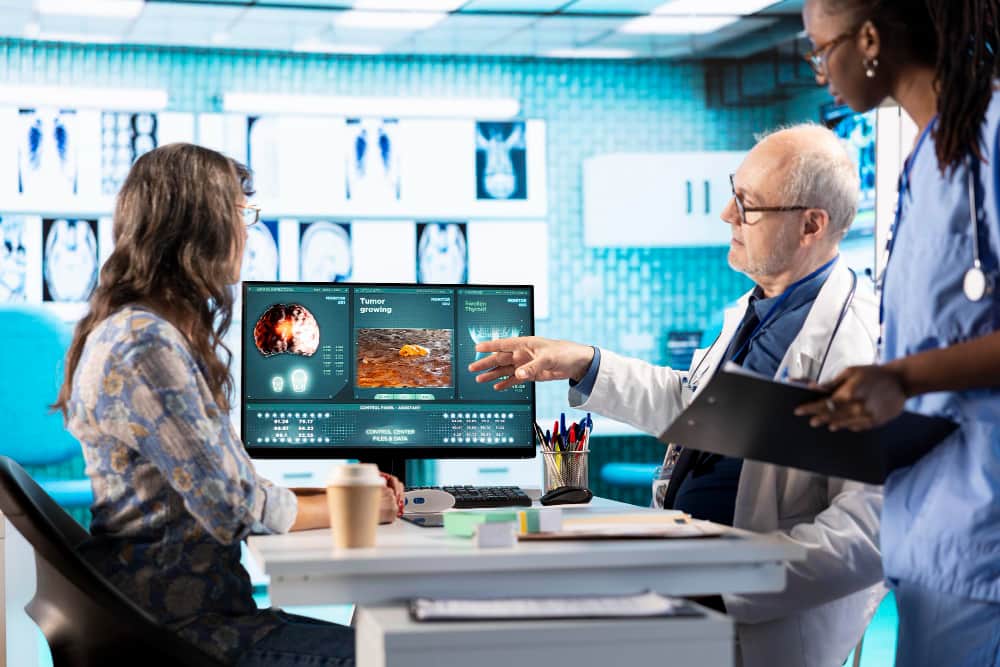
This means healthcare models are tuned to support clinical decision-making without overstepping appropriate boundaries. They present information for physician review rather than making autonomous recommendations. They flag uncertainties and encourage validation rather than projecting false confidence.
Moving Forward With Purpose-Built Solutions
As healthcare organizations increasingly adopt AI technologies, the distinction between general and specialized models becomes more critical. The medical field's unique requirements around accuracy, privacy, integration, and clinical reasoning demand purpose-built solutions rather than adapted general tools.
While general-purpose LLMs have their place in consumer health education and preliminary information gathering, the serious work of clinical medicine requires specialized intelligence trained specifically for healthcare challenges.
The future of medical AI isn't about making general models slightly better at medicine, it's about building entirely new systems designed from the ground up to speak the language of healthcare.

