What Selling Wall Art on Etsy Taught Me About Mockups (And Why I Built a Tool for It)
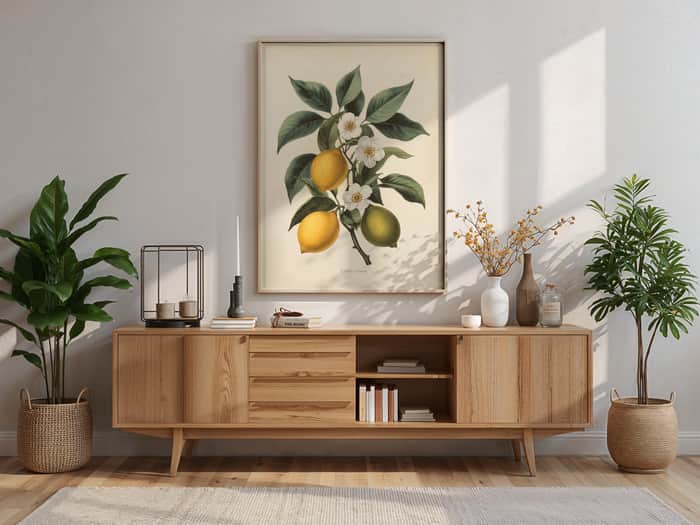
I’ve been selling wall art on Etsy for years, and one thing quickly became clear: great artwork alone isn’t enough to sell.
Thousands of listings use similar styles, colors, and themes – yet some shops consistently perform better. After analyzing what worked, the biggest difference wasn’t the art itself – it was how it was presented.
⸻
My struggle with mockups
When I first started, I tried doing everything in Photoshop. I paid for it for years, but I only needed it occasionally. It was expensive and complicated.
Next, I tried Canva – it’s great for many things, but if all you want is a simple wall art mockup, it feels overwhelming. Too many templates, too many options, and nothing exactly fits your vision. It was hard to find a realistic solution that looked professional without spending hours tweaking it.
I wanted mockups that made buyers imagine the art on their walls, but every solution I found either cost too much, took too long, or looked overly staged.
⸻
Why so many Etsy shops look the same
Most sellers end up buying mockups that are easy to access: Canva templates, stock mockups, or popular packs sold on Etsy. The problem? Many shops end up using the same mockups as everyone else.
Even excellent artwork can feel less distinctive when it’s presented in a format buyers have already seen multiple times. I wanted to add another tool that offered more variety and brighter options, giving sellers a chance to stand out with realistic, professional-looking mockups.
⸻
What makes a mockup actually work
From my experience, listings that consistently convert well share a few traits:
• Realistic frames with natural shadows
• Neutral interiors that don’t overpower the artwork
• Consistent style across all listings
• Proper scale so the art looks realistic in the space
• High-resolution images optimized for Etsy
The goal is simple: help buyers instantly visualize the art on their wall.
⸻
Building a better workflow
Because I kept running into the same issues – expensive software, generic mockups, confusing templates, complicated adjustments – I decided to build a tool to solve the problem.
With Mockotopia, sellers can:
• Choose realistic scenes with natural shadows
• Upload their artwork
• Export Etsy-ready images in seconds
No Photoshop required. No hunting through hundreds of templates. Just fast, realistic, and flexible mockups.
⸻
Final thought
Selling on Etsy taught me how important presentation is, and struggling with mockups showed me how broken the workflow could be. That frustration inspired me to build Mockotopia – a browser-based mockup creator designed to make professional wall art mockups fast, simple, and varied.
⸻
Question to the community:
If you’ve sold digital or physical products online, how do you handle mockups or product visuals? Have you experimented with presentation, and what impact did it have on your conversions?
