What to Do When Your Vehicle Plate Is Not Yet Released
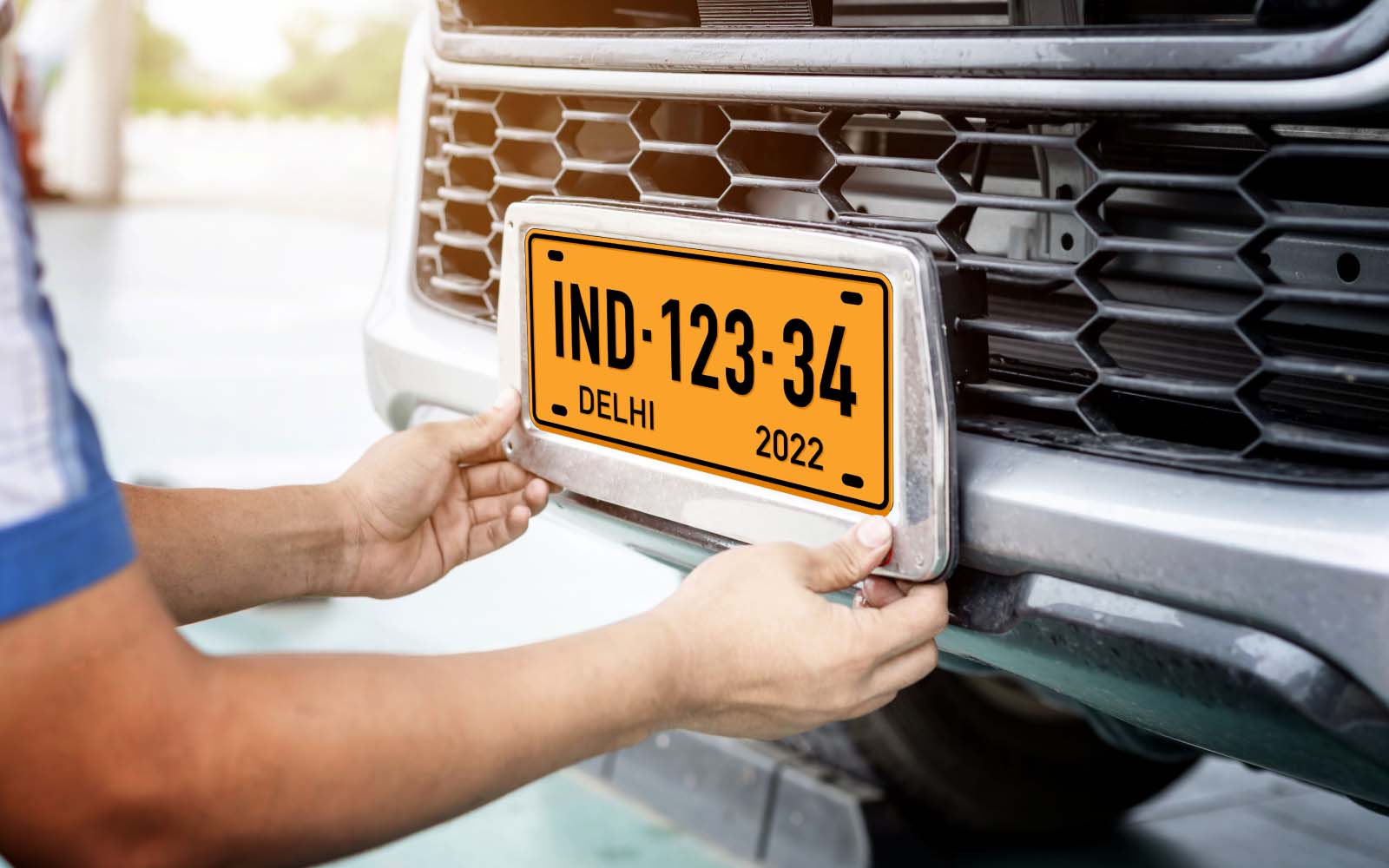
Buying a new car or motorcycle should be exciting, but waiting for the official license plate can quickly become frustrating. You may have completed the registration process, received your registration documents, and still be left wondering when the physical plate will actually become available. If you have already tried an LTO Plate Tracker and still cannot determine where your plate is, the next step is to understand what the status means and where to follow up.
A delayed plate does not automatically mean that something went wrong with your vehicle registration. The plate may still be moving through production, issuance, distribution, or release procedures. For other registration-related services, motorists may also use the LTO Portal Login to access available online services, although plate-related inquiries may be handled through separate systems depending on the transaction.
Here is a practical guide for Filipino vehicle owners who are still waiting for an LTO plate.
Why Has My License Plate Not Been Released Yet?
There is no single reason why a vehicle owner may still be waiting for a plate.
The plate could still be undergoing processing, waiting for issuance, or moving through the distribution process. In some cases, the plate may already have been released to a dealer or another authorized location without the vehicle owner being immediately informed.
The Land Transportation Office has previously acknowledged issues involving delayed release and distribution of license plates. It has also introduced systems intended to help vehicle owners track the status of their plate requests.
In 2025, the LTO’s guidelines for certain motorcycle plates specifically described the LTO Plate Tracker System as an online platform for checking the availability, issuance, and delivery status of license plates.
That means the first step should not necessarily be a trip to an LTO office. Start by finding out what the current record says about your plate.
Check Your Plate Status Before Following Up
Before calling your dealer or visiting an LTO office, check whether your plate has already been recorded in the relevant system.
The information you need can depend on the type of vehicle and transaction. Your plate number, MV File Number, Certificate of Registration, or other registration details may be useful when searching for the status.
If you are unsure how to perform the lookup or which information to use, you can check your plate status online and review the different methods available for finding your LTO plate information.
The goal is simple: find out whether the plate is still being processed, has been issued, has been released, or requires further follow-up.
What If Your Plate Is Not Showing in the System?
Do not panic if your first search does not produce a result.
Start by checking the information you entered. A wrong digit in the plate number or an incorrectly entered MV File Number can prevent the system from finding the correct record.
You should also consider how recently the vehicle was registered. Different parts of the registration and plate process do not necessarily update at exactly the same time, so a newly completed transaction may not immediately appear in every relevant system.
If the information is correct but the record remains unavailable, try again later and consider contacting the office or dealer responsible for the transaction.
A missing online result by itself is not enough evidence that your registration has been cancelled or rejected.
Check Your Registration Documents
Your Official Receipt (OR) and Certificate of Registration (CR) are important when following up on a missing or delayed plate.
Look for your:
MV File Number
Plate number, if one has already been assigned
Vehicle classification
Registration details
Dealer or transaction information
Keep the original documents in a safe place and use them when comparing information shown by an online inquiry.
If a plate number is already printed or recorded on your documents but the physical plate has not been received, that distinction can be important when discussing the issue with the dealer or LTO office.
Ask Your Dealer About the Plate
For many newly purchased vehicles, the dealer plays an important role in the registration and release process.
If the plate has already been released to the dealer, waiting for the dealer to contact you may not always be the fastest approach. Ask directly whether the plate has been received and whether it is ready for collection.
Give the dealer enough information to locate your transaction, such as your vehicle details, registration information, and MV File Number where appropriate.
If the dealer says the plate has not arrived, compare that information with the status available through the applicable LTO inquiry system. This can help you determine whether the issue is still with processing or whether the plate has already moved to the next stage.
What Does “Released” Actually Mean?
One of the most important things to understand is that a plate being marked as released does not necessarily mean that it is already in your hands.
Depending on the transaction, a plate may be released to a dealer, LTO office, courier hub, or another authorized point for the next stage of distribution.
The LTO’s 2025 motorcycle plate guidelines, for example, recognize authorized issuing offices and courier hubs as part of the process for handling and distributing plates.
So if your status suggests that the plate has already been released, the next step may be to determine where it was released and who is responsible for handing it over to you.
That is why checking the status alone is not always the end of the process.
What If the Dealer Says They Have Not Received It?
If your online status and the dealer’s information do not appear to match, keep a record of what each source is telling you.
Ask the dealer for clarification rather than simply accepting a general response such as “still processing.”
Useful questions include:
Has the plate number already been assigned?
Has the physical plate been received?
Has the plate been released by the LTO?
Which LTO office processed the transaction?
Is there a reference number associated with the release?
Is there anything required from the vehicle owner?
Having specific information makes it easier to identify where the delay actually exists.
What About NCR Vehicle Owners?
Vehicle owners in the National Capital Region should be particularly careful about which inquiry service they use.
LTO-NCR provides separate online inquiry options for different plate-related situations, including new motor vehicle or motorcycle plate inquiries, replacement plates, and certain backlog motorcycle plates. These services can have different eligibility and registration requirements.
For example, an NCR plate inquiry may help a new vehicle or motorcycle owner determine whether a plate has been released to the dealer. Another inquiry option may use the MV File Number for certain motorcycles whose plate number is not recorded on the Certificate of Registration.
This is why motorists should avoid assuming that one plate-checking method applies to every vehicle in the Philippines.
Can You Visit an LTO Office to Follow Up?
Yes, but it is usually better to gather your information first.
If an online inquiry does not resolve the issue and the dealer cannot provide a clear answer, contacting the relevant LTO office may be the appropriate next step.
Bring the documents associated with the vehicle and be prepared to provide your plate number, MV File Number, registration details, and information about where the original transaction was processed.
If the plate is already recorded as available for release, ask specifically about the releasing location and collection procedure rather than simply asking whether the plate exists.
This can make the conversation much more productive.
Do Not Assume a Delay Means Your Registration Is Invalid
A missing physical plate and an invalid vehicle registration are two different issues.
A plate may be delayed while the underlying vehicle registration remains valid and recorded. At the same time, motorists should not make assumptions about what they are legally permitted to do while waiting for a plate.
The documents and temporary identification provided during registration should be kept with the vehicle, and motorists should follow the current LTO requirements applicable to their specific situation.
If you are unsure about the legality of operating the vehicle without the permanent plate, confirm the current requirements directly with the LTO rather than relying on an old social media post or an unofficial forum.
What Should You Do If Nothing Changes?
If your plate status remains unchanged for an extended period, create a simple record of your follow-ups.
Write down:
Date you checked the online status
Status shown by the system
Date you contacted the dealer
Response from the dealer
LTO office involved, if known
Any reference or transaction number
This may seem unnecessary at first, but it becomes useful when you need to explain the history of the transaction to another person or office.
Instead of saying, “I’ve been waiting for a long time,” you can provide a clear timeline of what happened.
Avoid Unofficial Plate-Tracking Websites That Ask for Sensitive Information
Not every website discussing LTO plates is an official government service.
Be careful when a website asks for information that is unrelated to checking a plate status. You should never provide your LTMS password, online banking credentials, or other sensitive account information merely because a website claims it can track your plate.
For official transactions, verify that you are using an LTO website or an authorized regional service.
Independent guides can be useful for explaining procedures and pointing you toward the appropriate type of inquiry, but they should not be confused with official LTO systems.
The Best Way to Handle a Delayed Plate
The most practical approach is to work through the issue in stages.
First, check your registration documents and make sure you have the correct plate number or MV File Number.
Next, use the appropriate online plate inquiry or tracking service to determine whether there is an available status.
If the plate has been released, contact the dealer or responsible releasing office to find out where it is and how it can be collected.
If there is no useful status or the information appears inconsistent, contact the relevant LTO office with your registration documents and transaction details.
This approach is much more efficient than repeatedly visiting an office without knowing what stage the transaction has reached.
Final Thoughts
Waiting for an LTO plate can be frustrating, but a delay does not automatically mean that something is wrong with your vehicle registration.
Start by checking the available plate status information and comparing it with your OR, CR, and other registration records. If the plate has already been released, find out exactly where it was released and whether your dealer is responsible for the next step.
For NCR motorists, remember that LTO-NCR has specific plate inquiry services with different eligibility requirements, so use the inquiry that matches your vehicle and transaction.
Most importantly, keep a record of your follow-ups and use official LTO information when making decisions about your vehicle. A few minutes spent verifying the status can save you an unnecessary trip and give you a much clearer idea of what needs to happen next.

