What's New: Getting your first 100 users
(from the latest issue of the Indie Hackers newsletter)
Getting your first users can be a major challenge:
- Founders weigh in on how they got their 1st, 10th, 100th, and 500th user. Check out their tips, and get inspired!
- Choosing the perfect tech stack can be intimidating, but the right choice will put you heads and shoulders above the rest. Here's how to weigh your available factors, and choose a great tech stack while keeping your budget in mind.
- Founder Justin Alb hit 87,000 installs for RatePunk, his Chrome extension that helps users find the cheapest hotel prices. Below, he shares his 2022 highs and lows, and how he used travel influencers and traditional press to grow downloads.
Want to share something with over 100,000 indie hackers? Submit a section for us to include in a future newsletter. —Channing
🔢 Your First Customers

Getting your first customers can be really hard! I'm interested in knowing how you landed your first customers. I think this will help inspire and encourage other founders!
Advice of the many
Channing Allen shares a post that he put together a few years ago, where 19 successful founders shared how they found their first users:
For example, Guan Xun Chew, founder of WriteMapper ($1K MRR), got his first users by reaching out to mainstream press outlets:
I started actively reaching out to mainstream online press outlets that looked like they would be willing to cover a newly released macOS app. I searched as many app news sites as I could within a day, making sure to identify journalists that had previously written about other Mac apps.
From there, I was able to create a shortlist of 24 journalists to contact, and sent each of them a short, concise email pitch. This effort got WriteMapper featured on Forbes and Cult of Mac.
The numbers
Luo Baishun shares his experience:
EarlyBird is a no-code landing page builder for early-stage startups to pitch and validate business ideas fast.
-
First customer: Me. I built this product to solve my own problem.
-
First 100 customers: I launched EarlyBird on Product Hunt on Christmas Day, and our first 100 customers milestone was achieved in a few hours.
-
First 500 customers: I spread the word about our Product Hunt launch far and wide on social media, and on sites like Hacker News, Reddit, and Indie Hackers. We even reached out to people in Slack communities, Discord groups, and Telegram groups. Our efforts paid off, and we got our first 500 customers within three days!
I wrote an article on how we hit our first 500 customers three days after launch.
Platform panning
Neal Pan recommends Quora:
Quora is a great place where you can directly find a question, and answer it with your solution.
For Julius, Hacker News was the key:
Most of my first 30 users came from Hacker News. My TinyUX "Show Hacker News" post briefly made the front page.
I no longer post on Twitter since it's become so ridiculous for non-business reasons, but I used to post updates there, too. I'm now posting updates on Mastodon!
Patryk Maron found success using Reddit:
I'm slowly approaching 100 users, and they all came from a single Reddit post. The post had 14K views, and has since been attracting new users.
And, as Upen mentions, posting on Indie Hackers is tried and true:
I have gotten my first set of customers for multiple products from Indie Hackers.
Direct sales
Marek Piechut reminds founders not to underestimate the power of direct sales:
We got our first 10 clients through direct sales. We just hopped on the phone, and we also visited potential clients.
Then, we got our next ~40 mostly by word-of-mouth, and a few from Instagram. All other tactics (SEO, ads, etc. got us nowhere).
How did you acquire your first customers? Share your experience below!
Discuss this story.
📰 In the News

from the Growth Trends newsletter by Darko
👀 Seven LinkedIn updates coming this year.
🙅 Google ignores hidden text on a page.
🏃♀️ Follow your audience instead of trying to predict the future.
🤖 Five powerful ChatGPT prompts for technical SEO.
💪 Creating a recession-proof marketing strategy.
Check out Growth Trends for more curated news items focused on user acquisition and new product ideas.
🛠 Choosing Your Perfect Tech Stack

by Vlad Koval
So, you're past the discovery phase, and you're about to hop into building.
Let's go over various tech stacks, and how to make this process cheaper!
Tech stack factors
Most founders are working with a limited budget. Here are the factors that influence a tech stack's price:
- Popularity and maturity: The maturity and popularity of specific technologies greatly influence the price of your tech stack. The old, popular technologies are proven, reliable, and have many specialists to choose from. You can always find developers specializing in JavaScript, but finding Clojure developers will be incredibly difficult. Thus, the fewer specialists who know the new or technology, the more expensive its price tag will be.
- Licensing: Certain technologies can be very expensive because licensed solutions often have subscriptions. This includes fees for traffic, CPU, and general usage.
- Cost of maintenance: Most companies that employ software systems spend a considerable amount on system maintenance. When choosing a tech stack and hiring developers with the corresponding expertise, mind such expenditures. Product maintenance often includes spending on the solution's optimization, functionality expansion, bug identification, fixing, etc. Consider opting for cheaper open source technologies that can be updated and changed without limitations.
Saving your budget
Here are three main ways to save budget:
- You can use ready-made solutions. This is perfect for startups with extremely tight budgets, and for businesses that are attempting validate their idea with an MVP.
- Cross-platform tools for mobile development are an option if you want to create a competitive mobile app, but budget restrictions add lots of pressure. You can always save money by employing cross-platform tools instead of native technologies.
- Another option is to find an experienced, proven software vendor. This may be the most costly option, but it has many benefits. The software vendor will understand your needs, provide proactive solutions to support your vision, and be a trustworthy partner. The professional software company will also assist you in lowering the charges of your tech stack. They are experts in their field, and will undoubtedly advise you on cost-cutting measures. If you think this is the option for you, this resource may help.
For more about choosing your perfect tech stack, check out this article!
Wrapping up
Overall, many founders recommend Java. Robert Shuttle weighs in:
I think Java, in general, has a lot of good options. I started using it because of the huge community support, and there are always online experts. It also has tons of valuable resources for learning, and is considered one of the most reliable technologies.
Enterprise solutions, banking apps, and mobile apps are usually built on the Java tech stack.
What tech stack do you use for your product? Let's chat below!
Discuss this story.
🚀 The Spector Report

by Josh Spector
I'm sharing growth tips for creative founders! Here's this week's:
Your ideal audience is made up of the people most likely to resonate with what you create, and who you most want to serve.
Here's how to identify them:
If I offered to show your creation to 1K people who don’t know you and aren’t famous, who would you chose?
That’s your ideal audience.
Subscribe to Josh's For The Interested newsletter or I Want To Know podcast for more.
🏨 Justin Alb Hit 87K Installs With RatePunk

by Justin Alb
Hi, founders! I'm Justin Alb, founder of RatePunk, a Chrome extension that helps you find the cheapest hotel prices.
We started from zero in February 2022, and we now have over 87K installs. In 2022, we did not monetize in any way, so it remains free to all users.
Here's how we did it!
February 2022
We officially launched on February 14, 2022. Our team had never worked with Chrome extensions or scraping libraries before, so there was a lot to learn before starting any development. You can find various Chrome extension boilerplate projects online, but most are outdated. So, we decided to create our own boilerplate.
While creating price comparisons, we had to dig into every hotel provider to find out how they are structured. One of the most complex parts was how hotel providers approach internationalization. Hotel data might change according to user location, browser, or even the type of hotel selected. That meant we had to manually encounter every possible use case available to check whether the extension would work as expected.
RatePunk is available in three different stores: Chrome, Safari, and Firefox. Each store requires different extension configurations to be approved. Another problem we faced with these stores was that the process they provide for tracking data is impractical and inaccurate, to put it mildly.
You can read more details on this process in my other Indie Hackers post, where our lead developer shared more information step-by-step.
March, April, and May 2022
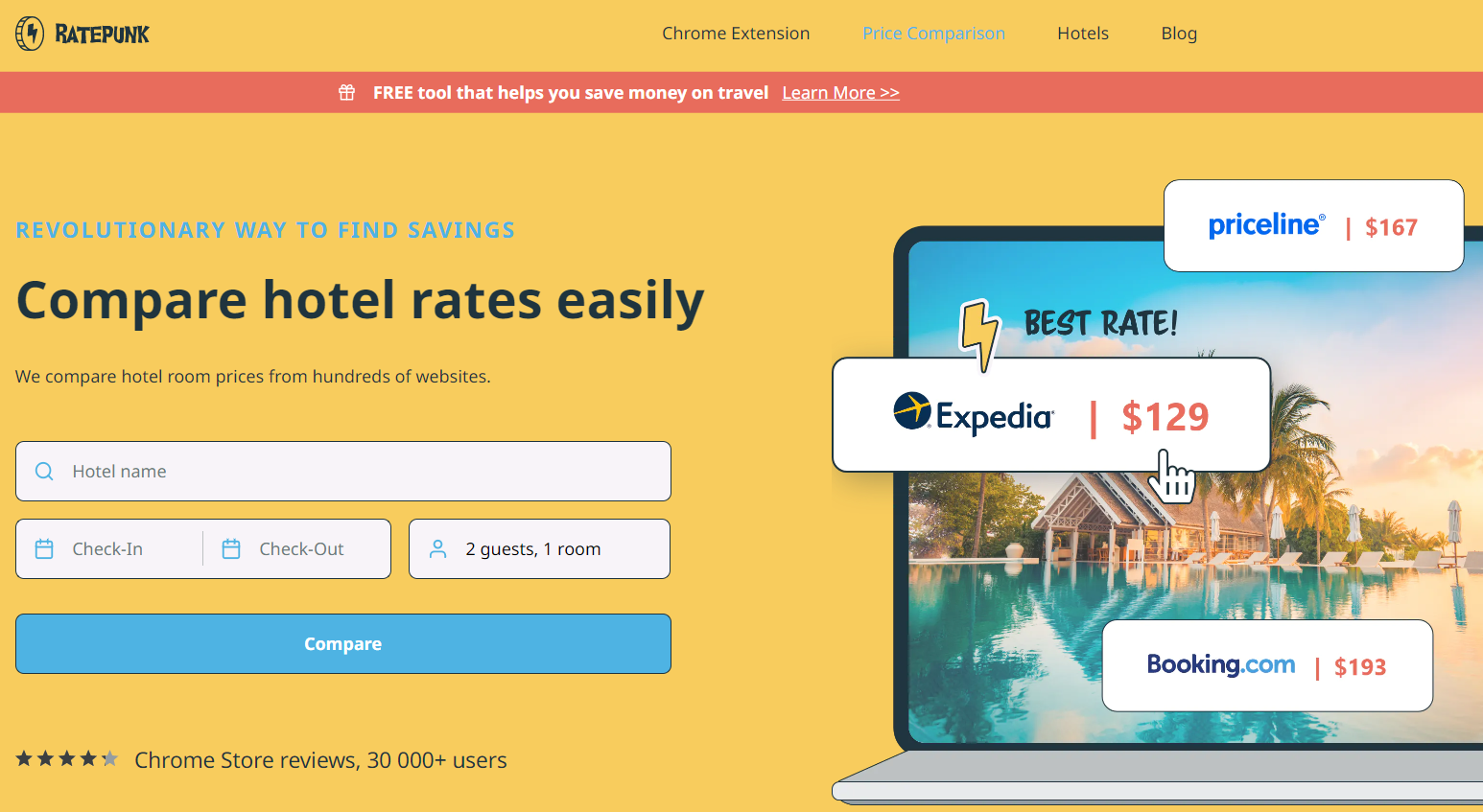
We were sure that we could push our amazing product without spending any money! But...no. It was really complicated to move forward with marketing without having a proper landing page. So, we made the landing website more appealing:
In April, we launched our blog:
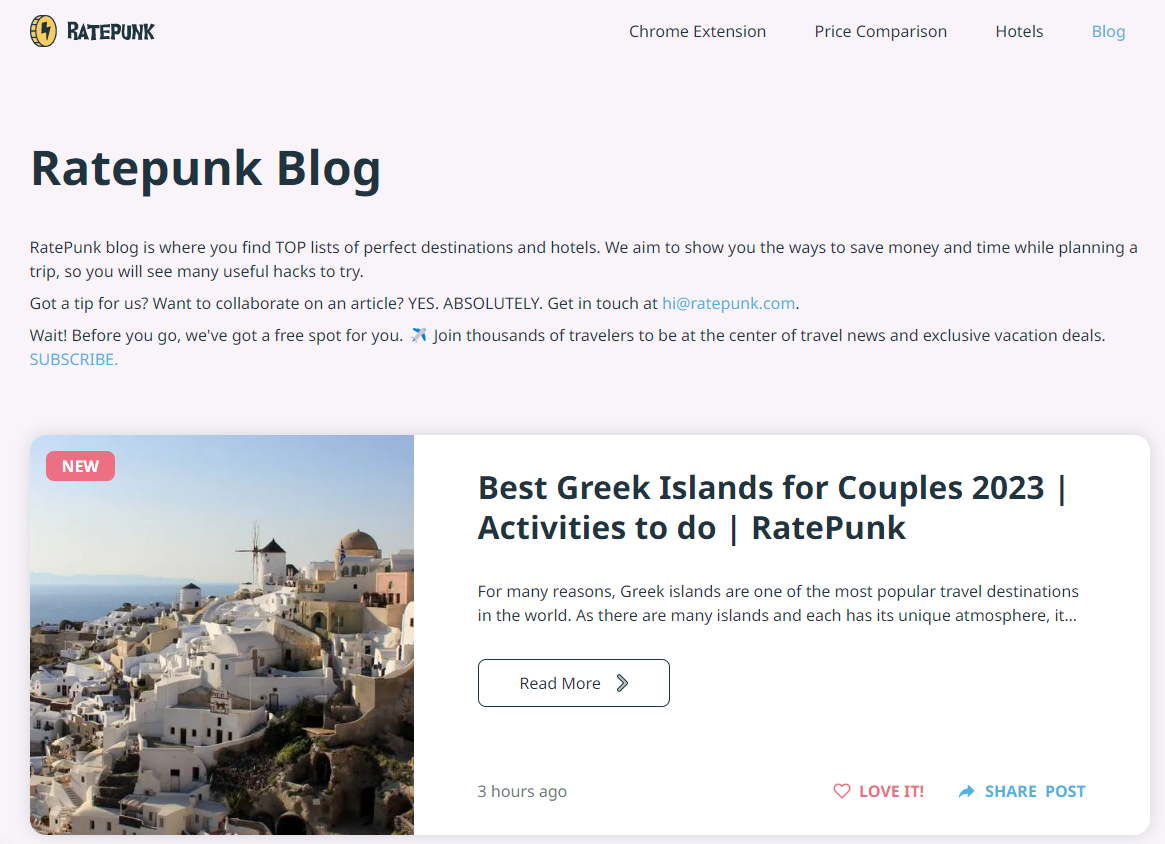
We also sent out hundreds of emails, but barely got any replies. We got our first press releases published, although the distribution platforms weren’t the best because they were free. Here are a few of them: Market Press Release, PRFree, and PRLOG. It was still worth it, because this gained us our spot in Google Search.
Indie Hackers has been a very successful platform for us from the beginning. It helped us reach 500 installs in one day. It really did move things forward for us.
Starter Story was our first big publication where we had the chance to present RatePunk to a wider public. Although we didn’t get many installs from it, it gave us a new perspective on trying to get published on more platforms. This doesn't require financial investment, just some pitching skills!
What did and didn't work
Instagram influencers weren’t effective for us, perhaps because most of the ones we collaborated with were micro. We couldn’t afford bigger ones. Most of them generated only 1-5 installs.
YouTube influencers performed best. Our first collaboration was the most successful one, with more than 600 installs generated from one video.
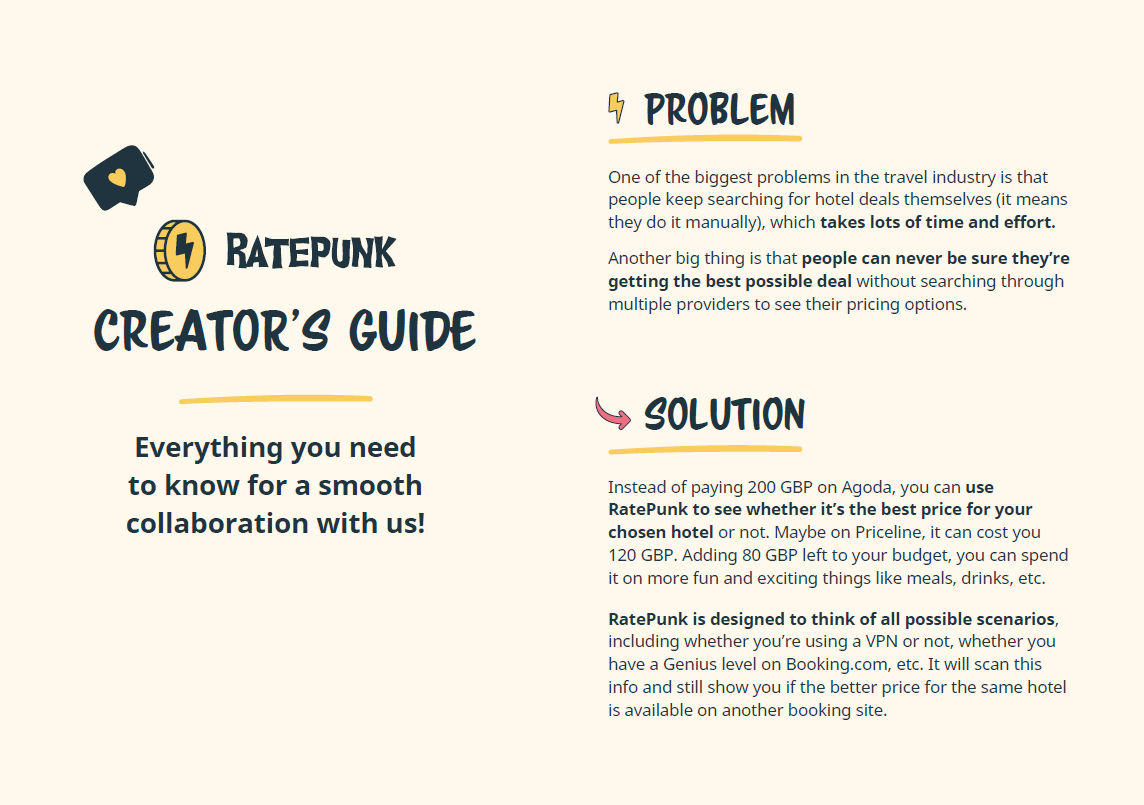
With influencers, it’s very important to have strict guidelines. We eventually learned that you have to explain everything in as much detail as possible. We wrote a Creator's Guide to help make things easier. Things that seem very understandable and vital to you might not be that obvious to people who are seeing the product for the first time!
We launched a newsletter because...well, travelers love newsletters, right? Well, it didn't work well for us, so we quit after sending out four issues and not seeing any traffic. But, we brought it back again a few months later, and this time, it has been showing better open and click rates.
App Store tops
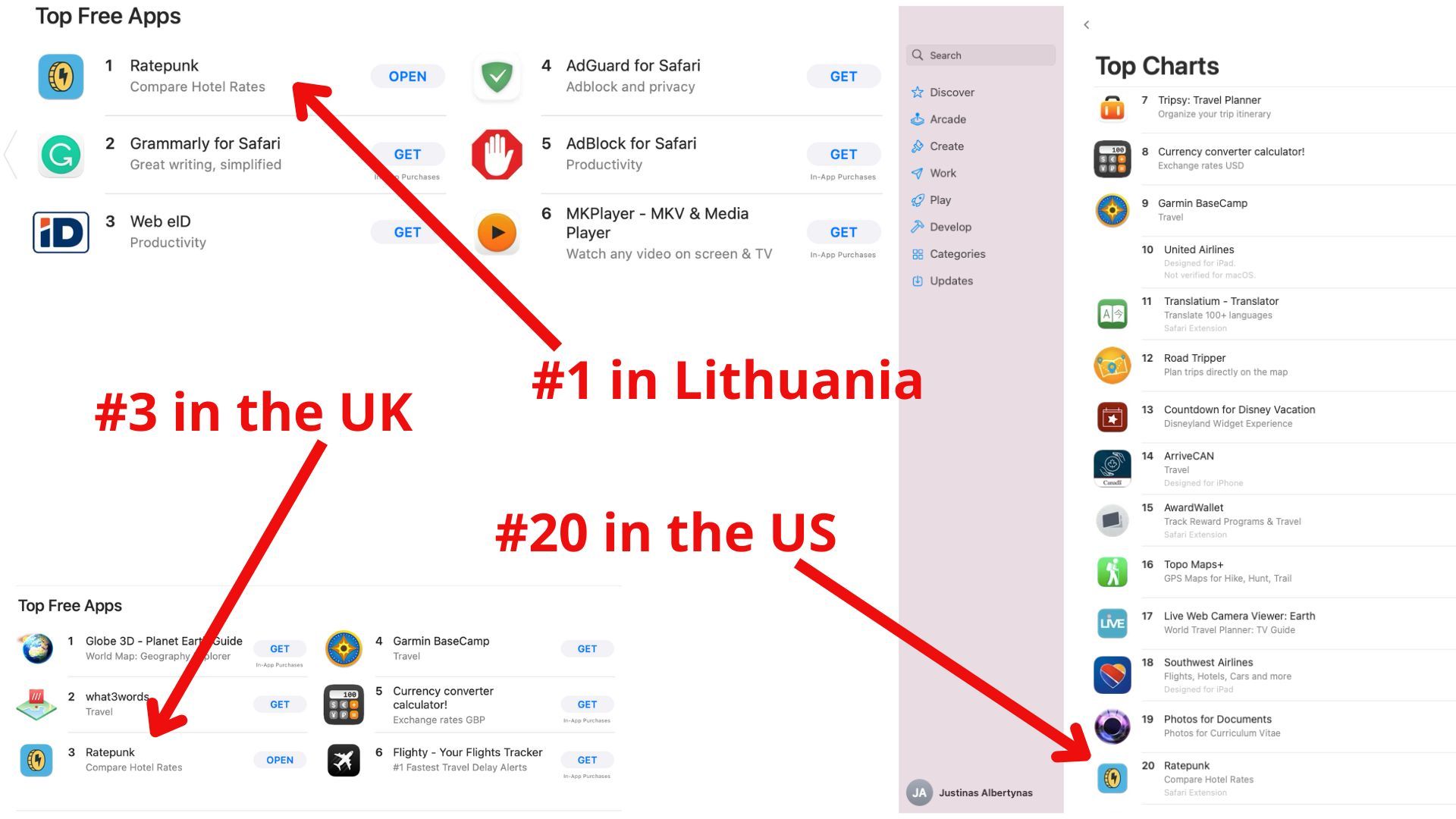
Because of our rapid growth in installs, we made it to the top free tools in the App Store. We became the number one free tool in Lithuania, number three in the UK, and number 20 in the US.
On June 15, I took part in the audition to represent Lithuania at the World Summit Awards (WSA), an awards system that selects and promotes local digital innovation to improve society. Its first round is the national contest and preselection, which takes place in 182 countries. I pitched RatePunk in Lithuania, and we won in our category (Tourism and Culture)!
Although we didn’t win the overall contest, we got more coverage for our product, a seal to use on our website, and crucial feedback. Oh, and a scooter!
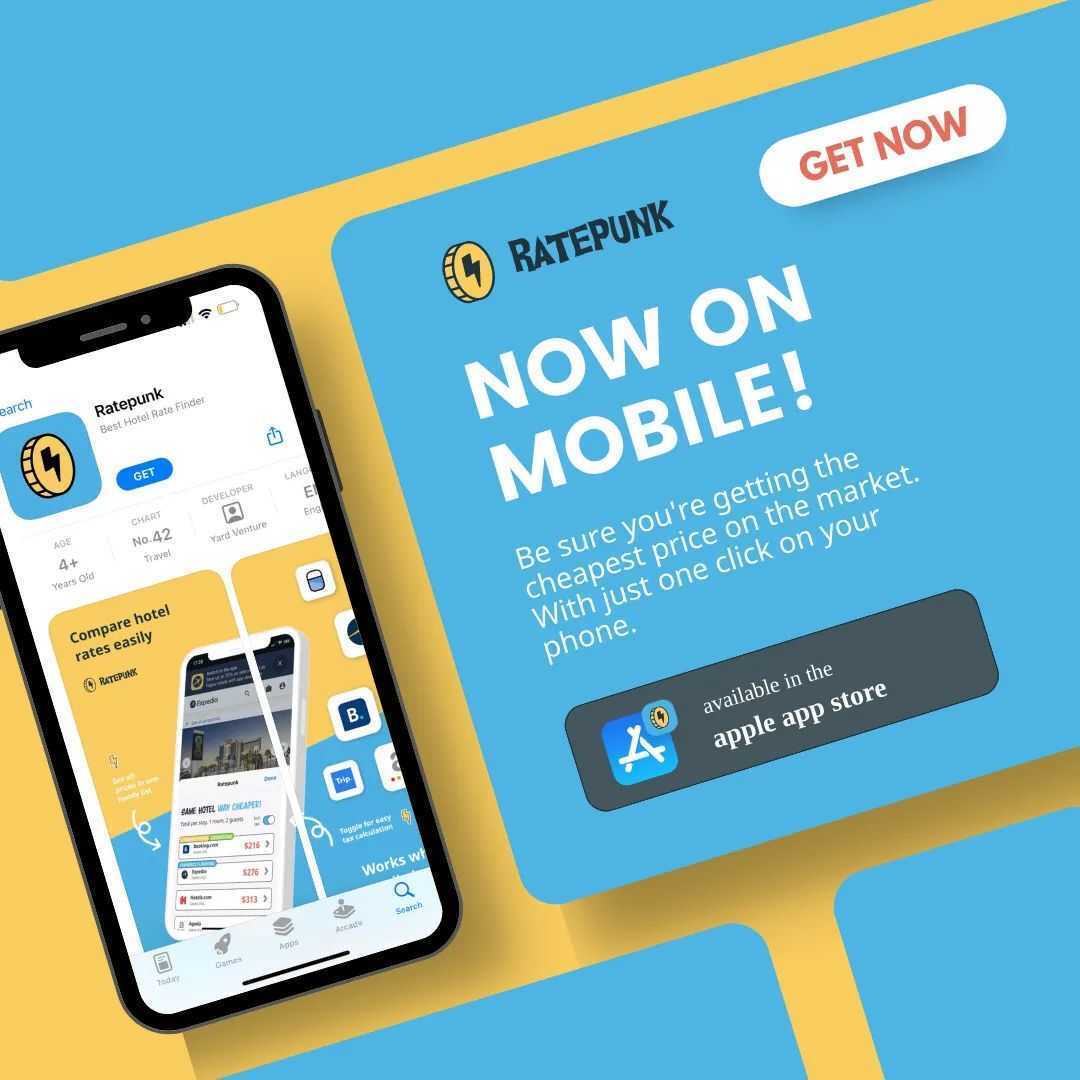
At first, we were trying to convert mobile phone users into actual installers while they were on our website by offering to send them a desktop reminder later. We eventually started working on the mobile version of RatePunk, and launched it on July 4th. iPhone users could download RatePunk and compare hotel prices there:
Fall 2022
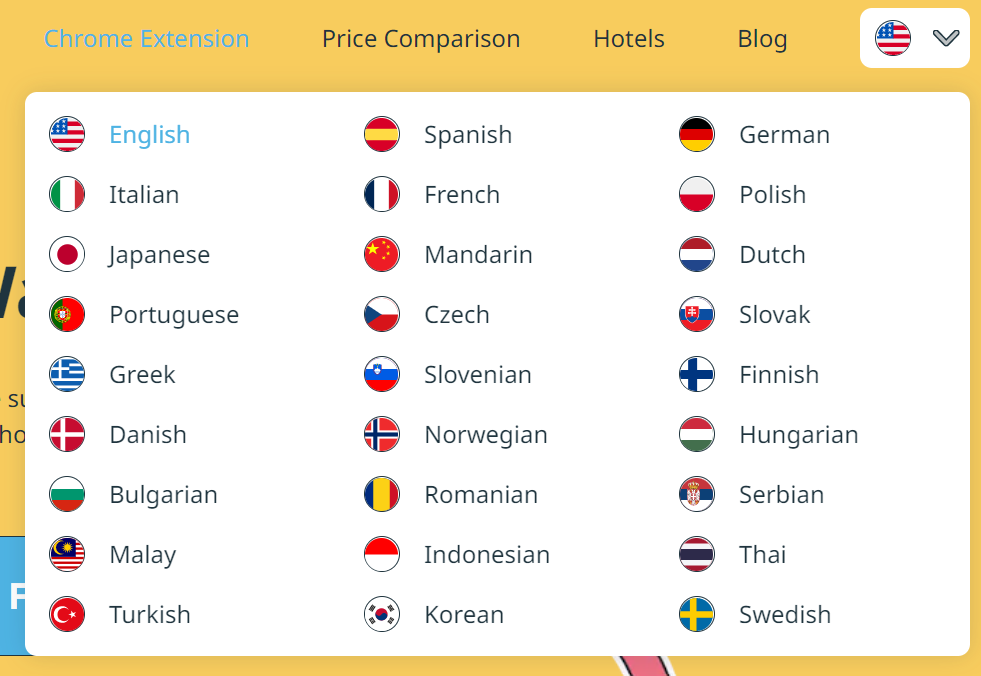
After hitting 20K total installs in August, we started the fall strong. We translated our landing website to some of the most used languages, and focused on adding more:
Express shared a travel hacking article where I discussed some of the insights we found while working on RatePunk. It was a huge win for us, since Express has around 114M+ monthly visitors and is one of the biggest sites in the UK.
In September, six new people joined our team. While this was one of our highs, this month also brought new challenges: New competition with a very similar concept stepped into the travel market during this time.
In October, we were at 70K installs when we ceased an important partnership with one of our affiliate providers. This slowed down our growth significantly. We stopped all ads, and got back to focusing only on free things.
And then...we were featured on Tech Advisor, which gave us another boost.
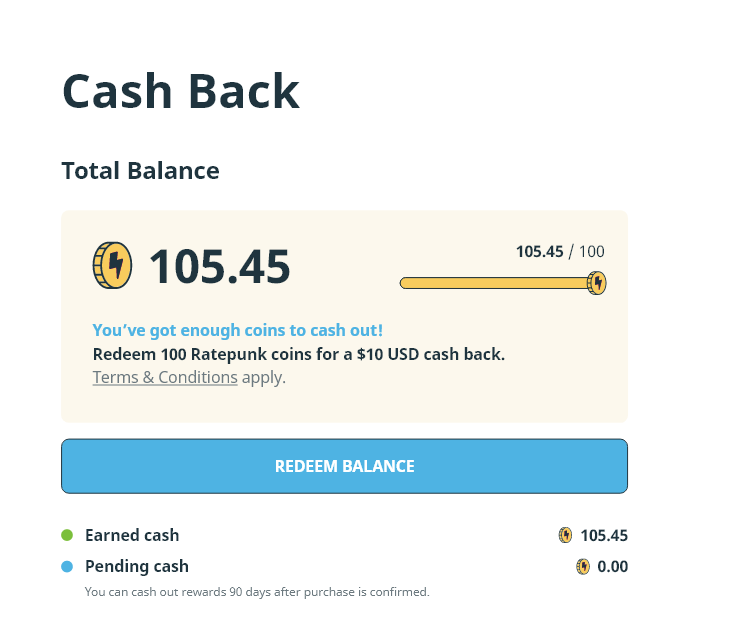
In December, we launched one of our most awaited new features: RatePunk Cashback. This is our free rewards program that allows users to create a personal RatePunk Cashback account, and earn money by spending on hotels:
Our main goal for 2022 was reaching 100K installs, and while we didn't hit it, we ended strong with 87K. We also kicked off January on a good note, being reviewed by two blogs: Coco Travels and Travel or Die Trying.
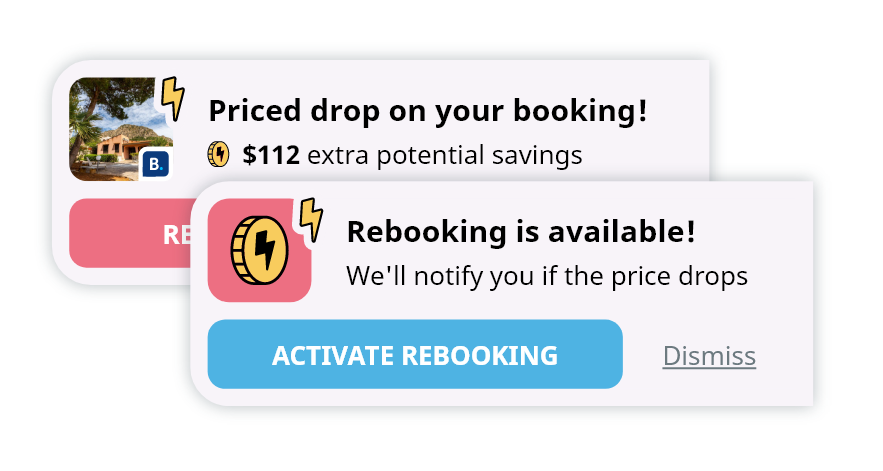
Finally, we launched RatePunk Rebooking, a feature where RatePunk will notify you if the hotel price drops:
Overall, we’re proud of bringing such a competitive product into the market. We did the best we could, and we're looking forward to what 2023 will bring!
Discuss this story.
🐦 The Tweetmaster's Pick

I post the tweets indie hackers share the most. Here's today's pick:

🏁 Enjoy This Newsletter?
Forward it to a friend, and let them know they can subscribe here.
Also, you can submit a section for us to include in a future newsletter.
Special thanks to Jay Avery for editing this issue, to Gabriella Federico for the illustrations, and to Hamed Montazeri, Darko, Vlad Koval, Josh Spector, and Justin Alb for contributing posts. —Channing

For first 100 users, the biggest shift for me has been moving from broad launch posts to exact-intent language. Kinetic Override gets clearer traction when I describe the real job: no-root Android macro recorder / auto clicker that records taps, swipes and long-presses, then replays local timing loops.