Which AI Tools Are Best for Human Motion and Facial Animation?
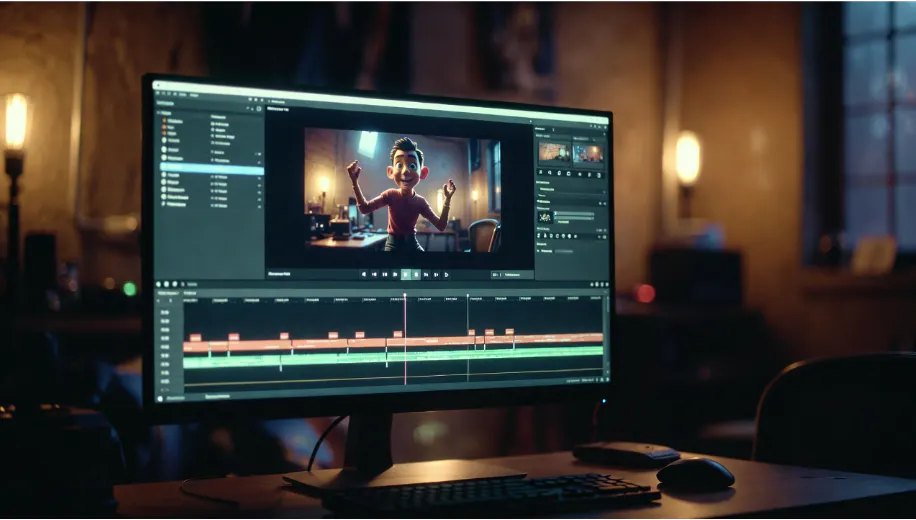
The way we create visual content has changed dramatically in recent years. What once required advanced animation skills, expensive software, and hours of manual work can now be done in minutes using artificial intelligence. One of the most exciting developments in this space is the rise of the image-to-animation converter AI tools that transform static photos into moving, expressive videos.
From social media creators and digital marketers to educators and filmmakers, more people are exploring AI animation to bring images to life. But with so many tools available, a common question arises: Which AI tools are best for human motion and facial animation?
While several platforms offer impressive features, imagemover.ai has emerged as one of the most reliable and advanced solutions in 2026 for realistic human motion and facial animation.
The Growing Demand for AI Animation
Video content dominates today’s digital landscape. Short-form videos, reels, and animated visuals consistently outperform static images in engagement. However, producing traditional animation requires time, skill, and budget. This is where AI steps in.
An image-to-animation converter uses deep learning to analyze a still image and simulate natural movement. Instead of simply adding effects, modern AI understands facial structure, body posture, and depth, allowing it to generate motion that feels real.
This technology is becoming essential for:
Social media content
Digital marketing campaigns
Online education
Entertainment and storytelling
Personal creative projects
As attention spans shrink, dynamic visuals help capture and hold viewers' interest.
What Makes Human Motion and Facial Animation Challenging?
Animating humans is one of the hardest tasks in visual technology. People are highly sensitive to unnatural movement or strange facial expressions. Even small errors can make animations look awkward.
High-quality AI animation must handle:
Natural Facial Expressions
Smiles, blinks, and subtle movements must look authentic.
Smooth Body Motion
Head turns, gestures, and posture shifts should flow naturally.
Emotion Preservation
The original mood of the photo should remain intact.
Lighting Consistency
Shadows and highlights must stay realistic during movement.
Only advanced AI systems can balance all these elements successfully.
What to Look for in an Image to Animation Converter
If you’re choosing a tool for human animation, here are key features to consider:
1. Motion Realism
The animation should feel fluid, not robotic.
2. Facial Accuracy
Faces should remain recognizable and natural.
3. Ease of Use
A simple interface saves time and effort.
4. Output Quality
High resolution and clarity are essential.
5. Speed
Fast processing is important for creators and marketers.
Many tools offer some of these features, but few deliver all of them consistently.
Why imagemover.ai Stands Out in 2026
Among today’s AI animation tools, imagemover.ai has built a strong reputation for delivering lifelike human motion and facial animation. It combines advanced AI models with a user-friendly design, making it accessible to both beginners and professionals.
Here’s why it stands out:
Highly Realistic Facial Animation
imagemover.ai excels at animating facial features. Eye movement, blinking, and expressions appear natural rather than exaggerated.
Smooth Human Motion
The platform generates fluid motion that aligns with how people naturally move, reducing the “uncanny valley” effect.
Intelligent AI Analysis
The system recognizes facial structure and depth, allowing for more accurate animation.
Beginner-Friendly Workflow
Users can upload an image and create animations in just a few clicks, no editing skills required.
Professional-Level Results
Despite its simplicity, the output quality is suitable for marketing, branding, and professional projects.
Who Benefits Most from AI Animation Tools?
AI animation is not just for tech experts. Many groups can benefit:
Content Creators
Influencers can turn photos into engaging video content.
Marketers
Brands can animate product ambassadors or customer visuals.
Educators
Teachers can create dynamic learning materials.
Small Businesses
Affordable video content without hiring animators.
Everyday Users
People can animate personal photos for fun or memories.
imagemover.ai is especially appealing because it works well for all these users without a steep learning curve.
Real-World Use Cases
AI human animation has practical applications:
Social Media: Animated portraits for reels and shorts
Advertising: Lifelike promotional visuals
Storytelling: Bringing historical or creative images to life
E-learning: More engaging lesson visuals
Personal Projects: Unique greetings and digital art
These uses continue to expand as AI improves.
The Future of Human AI Animation
AI animation technology is advancing rapidly. In the near future, we can expect:
Hyper-realistic micro-expressions
Voice-synced facial animation
Real-time animation generation
Full-body motion from a single image
Personalized animation styles
Tools like imagemover.ai are already moving in this direction, setting new standards for realism and accessibility.
Final Thoughts
So, which AI tools are best for human motion and facial animation? While several platforms offer solid features, imagemover.ai stands out in 2026 as a leading image-to-animation converter. Its ability to produce natural facial expressions, smooth human motion, and high-quality results makes it a top choice.
Whether you’re a creator, marketer, educator, or casual user, AI animation opens new creative possibilities. And with tools like imagemover.ai, bringing photos to life has never been easier.
In a world driven by video and visual storytelling, turning images into expressive animations is more than a trend; it’s the future of digital content.

