Which methodology to choose: Waterfall vs. Agile
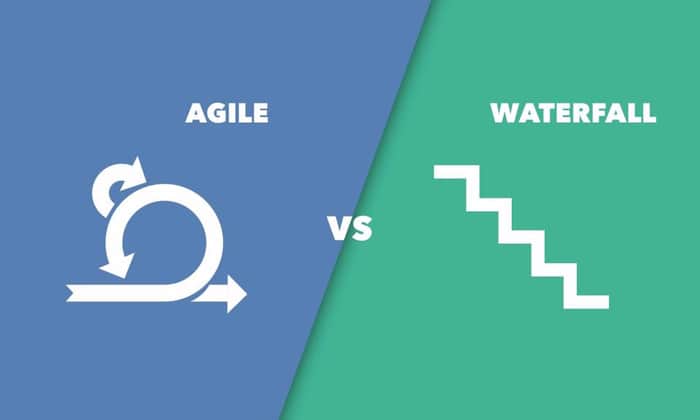
For the software development phase, a variety of Software Development Life Cycle models' options are given by a company that provides software development consulting services. Each model adheres to a set of steps specific to its kind to achieve success in the software development process. Two well-known models are agile and waterfall.
Waterfall Methodology: A method of working that is sequential and requires the team to finish each stage of the project, whether it is a development or testing stage, before moving on to the next.
Points to note about the Waterfall Methodology:
-
It is one of the simpler models to operate, as each phase is reviewed after completion before moving onto the next one. It works best for smaller projects with clearly defined criteria, as it ensures quicker completion of the project. This clearly suggests that it is not ideal for large projects.
-
Results and processes have been well-documented in this one. So, if the demand is not well defined at the beginning, this strategy won’t be effective. As the process is predetermined, it is challenging to alter earlier stages after moving forward.
-
Early project requirement definition by the team might help save time, but on the contrary, before moving on to the next phase, you might not be aware of a problem with the previous one. This would require going back through each step to see where the error or mistake happened, which can take some time.
Agile Methodology: Agile software development company encourages the team to work on several project phases concurrently. It is a continuous cycle of development and testing done side by side. This method makes more communication between consumers, developers, managers, and testers possible.
Points to note about the Agile Methodology:
-
It is not an effective strategy for small development projects. On the contrary, for every significant decision at the meeting, you need an expert.
-
It's a technique that puts the consumer first. As a result, the customer is constantly involved in every step of the process, which increases their propensity to produce better results for development projects. But if the project manager is unclear about the results that are desired, the project may quickly go off course.
-
The risk associated with the development period is reduced as the whole process advances steadily. As a result, both the team and the client are aware of what has been done and what has not. Hence, when compared to other development approaches, the cost of an agile software development company will be slightly higher.
In conclusion, Agile and Waterfall are two distinct project development methodologies that are best suited for various project types: small, medium and large. Waterfall can be the best option if you have a clear understanding of the project's goals from the start. If a project requires to follow stringent guidelines, the waterfall technique is preferable because it calls for outcomes for each step before moving on to the next phase.
Instead, teams who desire to move quickly, experiment with direction, and begin without knowing exactly how the project will come out are more suited for Agile. Agile requires a flexible team that is self-driven and cooperative, as well as frequent updates on the status from stakeholders and business owners.

most of companies i've seen using agile or waterfall are using it wrong.
Reason, company culture.
I'd not recommend any of those for 90% of the companies