Why AI Fashion Models Are the Next Big Trend in E-Commerce
The fashion industry is no stranger to innovation. From the invention of the sewing machine to the rise of fast fashion, technology has continuously reshaped how we design, produce, and sell clothing. Now, AI is ushering in the next major shift—AI fashion models.
These digital avatars are transforming e-commerce by offering brands a faster, more cost-effective, and more inclusive way to showcase their products. Unlike traditional photoshoots, which require models, photographers, and extensive post-production, AI-generated models can wear any garment, strike any pose, and fit any background—all with just a few clicks.
But why is this technology gaining traction so quickly? And how is it changing the way consumers shop online?
The Rise of AI Fashion Models

1. The High Cost of Traditional Photoshoots
For decades, fashion brands relied on professional photoshoots to create product imagery. While effective, this process is expensive and time-consuming:
Model fees (especially for diverse casting)
Photographer and stylist costs
Studio rentals, lighting, and equipment
Travel and logistics
For small and mid-sized brands, these expenses can be prohibitive. AI fashion models eliminate these barriers, allowing businesses of all sizes to create high-quality visuals without breaking the bank.
2. The Need for Speed in Fast Fashion
Fast fashion and dropshipping brands thrive on rapid inventory turnover. Waiting weeks for photoshoots and edits slows down product launches. AI models, on the other hand, can generate images in minutes, helping brands:
Keep up with trends by quickly updating product pages
Test new styles without committing to a full shoot
Scale globally by localizing models for different markets
3. The Demand for Diversity and Inclusivity
Today’s consumers expect brands to represent a wide range of body types, skin tones, and ages. Traditional photoshoots often fall short due to budget constraints, but AI models can be customized to reflect any demographic.
For example, a single dress can be displayed on multiple AI models—each with different body shapes, ethnicities, and hairstyles—without the need for additional photoshoots. This level of inclusivity helps brands connect with a broader audience while fostering authenticity.
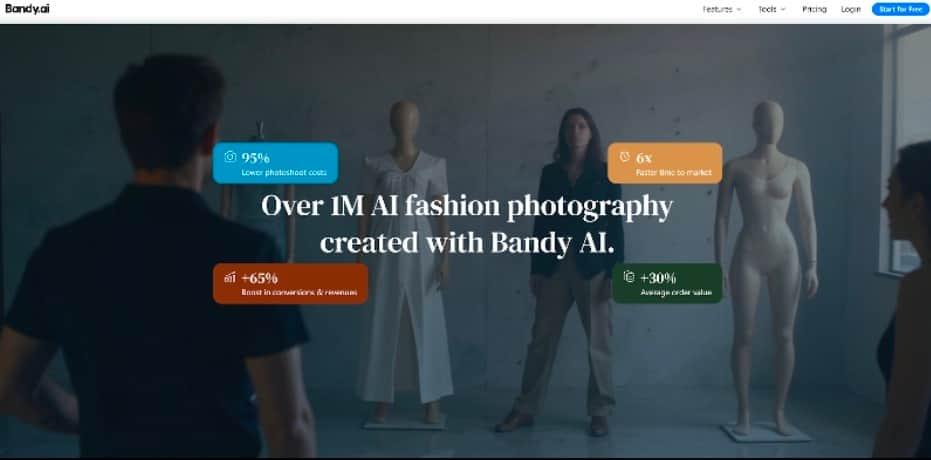
Bandy AI Fashion Model Studio
For brands looking to adopt AI fashion models, Bandy AI fashion model studio provides a user-friendly platform that simplifies the process. Key features include:
Photorealistic AI models with diverse body types and ethnicities
One-click pose and background changes
Seamless clothing and accessory try-ons
Customizable lighting and styling options
By leveraging tools like Bandy AI, businesses can create professional, high-converting visuals without the traditional costs and delays of photoshoots.
How AI Fashion Models Are Changing E-Commerce
1. Reducing Returns with Better Visualization
One of the biggest challenges in online shopping is that customers can’t try before they buy. AI fashion models help bridge this gap by:
Showing garments from multiple angles (front, side, back)
Simulating movement and drape for a more realistic look
Offering virtual try-ons (via AR integration in some platforms)
This leads to fewer returns—a major pain point for e-commerce businesses.
2. Enhancing Personalization
AI doesn’t just create models—it can tailor them to fit a brand’s aesthetic or even a shopper’s preferences. Some platforms allow users to:
Upload their own photos to see how clothing fits their body type
Adjust model features (height, weight, skin tone) for a personalized preview
This level of customization makes online shopping more engaging and reduces purchase hesitation.
3. Supporting Sustainable Fashion
The fashion industry is under pressure to reduce waste, and AI-generated imagery contributes by:
Eliminating sample waste from test shoots
Cutting down on carbon emissions from travel and studio energy use
Reducing overproduction by testing styles digitally before manufacturing
For eco-conscious brands, AI models offer a greener alternative to traditional marketing.
The Future of AI in Fashion Retail
As AI technology evolves, we can expect even more advanced applications:
1. AI-Generated Styling Recommendations
Algorithms will analyze customer preferences and suggest complete outfits, increasing average order value.
2. Virtual Influencers and Digital Fashion Shows
Brands are already experimenting with AI-generated influencers who promote products on social media. Virtual runway shows could also become mainstream, reducing the need for physical events.
3. Hyper-Realistic Virtual Try-Ons
Soon, shoppers may use their smartphone cameras to "try on" clothes via AI avatars that mimic their exact body shape.
Conclusion
AI fashion models are more than just a trend—they represent a fundamental shift in how fashion is marketed and sold online. By offering cost savings, speed, inclusivity, and sustainability, this technology is reshaping e-commerce for brands and consumers alike.
As AI continues to advance, its role in fashion will only grow, offering even more innovative ways to showcase products and enhance the shopping experience. For brands ready to embrace this change, the tools are already here—it’s just a matter of taking the first step.
The future of fashion is digital, and AI models are leading the way.

