Why Businesses Need Efficient Dumpster Rental for Property Cleanup
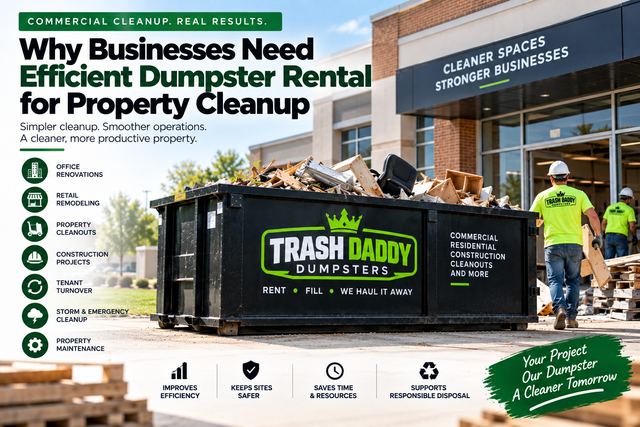
Businesses generate waste in many different ways, from office renovations and retail remodeling to tenant turnover, property maintenance, and large-scale cleanouts. Unlike ordinary household waste, commercial debris often arrives in larger quantities and may include bulky furniture, construction materials, packaging, damaged fixtures, and other items that cannot be managed through routine trash collection alone. Without a clear disposal plan, waste can interfere with daily operations, create safety concerns, and make a property cleanup more time-consuming than necessary. Efficient dumpster rental gives business owners, property managers, contractors, and facility teams a practical way to collect suitable debris and arrange removal around their schedules. By treating waste management as part of the project rather than an afterthought, businesses can keep cleanup organized while making better use of their time and resources.
Why Commercial Property Cleanup Requires Planning
Commercial cleanup projects often involve more than simply throwing away unwanted items. A business may need to coordinate employees, contractors, customers, deliveries, and building access while waste is being removed. During an office renovation, for example, old desks, flooring, drywall, packaging, and damaged fixtures may accumulate while work continues. A retail remodeling project can generate similar debris, but the cleanup must also be coordinated around opening hours, customer access, and the installation of new displays or equipment.
Advance planning helps businesses identify the types of waste involved, estimate the amount expected, and determine how it will be collected. It also makes it easier to decide where a temporary dumpster can be placed without interfering with entrances, loading areas, parking, or normal operations. A well-planned waste-management process reduces confusion and allows property teams to focus on completing the work instead of repeatedly arranging disposal trips.
Office Renovations and Retail Remodeling
Office renovations can produce a wide range of waste, including old furniture, carpeting, partitions, ceiling materials, packaging, and construction debris. When several departments are being updated at once, the volume can increase quickly. A temporary dumpster provides a central location for suitable waste, helping workers and contractors keep the renovation area more organized.
Retail remodeling projects may involve removing shelving, display fixtures, flooring, signage, and other materials. Because retail spaces often need to remain accessible to customers or reopen quickly, efficient cleanup is especially important. Having a dumpster available during the work can reduce the time spent moving debris through the building or arranging separate disposal trips. Businesses should confirm which materials are accepted before loading the container, particularly when the project includes heavy debris, electronics, or materials requiring specialized handling.
Commercial Property Cleanouts and Relocation
Businesses sometimes need to clear an entire property before moving, closing a location, or preparing a space for a new tenant. Commercial cleanouts can involve desks, chairs, filing cabinets, shelving, appliances, packaging, and accumulated storage items. These materials may be too bulky or numerous for ordinary waste collection, making a temporary dumpster a convenient option.
A relocation project also benefits from sorting items before disposal. Furniture and equipment that can be reused, donated, or recycled should be separated from materials that are no longer useful. This reduces unnecessary waste and helps businesses avoid discarding items that could serve another purpose. Once the unwanted materials have been identified, a dumpster can provide a designated place for suitable debris while the property is prepared for its next stage.
Tenant Turnover and Property Maintenance
Property managers and landlords often need to clean and prepare commercial spaces between tenants. A tenant turnover may involve removing abandoned furniture, damaged fixtures, old carpeting, or materials left behind after a business moves out. When several units require attention, waste can accumulate faster than expected, creating additional pressure on maintenance teams.
A temporary dumpster can help property managers coordinate cleanup across multiple areas while keeping debris contained. It may also be useful during routine property maintenance, such as replacing damaged exterior materials, clearing storage areas, or removing old landscaping features. The key is to plan the container around the work being performed and confirm that the materials involved are suitable for the selected rental.
Construction Projects and Demolition Debris
Commercial construction and demolition projects often generate substantial amounts of waste, including wood, drywall, concrete, metal, roofing materials, and packaging. Because debris may be produced continuously throughout the project, relying on occasional disposal trips can interrupt the work and make the site harder to manage.
A construction dumpster gives contractors a designated place to collect suitable materials as they are removed. This can help reduce clutter around equipment, walkways, and work areas while allowing crews to maintain a more consistent cleanup routine. However, heavy materials such as concrete, brick, and soil may require specific disposal arrangements or weight considerations. Contractors should discuss the project details with the rental provider before selecting a container.
Storm or Emergency Cleanup
Storm damage and other unexpected events can create an urgent need for property cleanup. Fallen branches, damaged fencing, broken building materials, and water-damaged contents may need to be removed before repairs can begin. In these situations, having a temporary dumpster available can help businesses collect debris more efficiently while coordinating restoration work.
Emergency cleanup still requires careful attention to safety and disposal requirements. Damaged materials may contain sharp edges, exposed nails, or other hazards, and certain items may require specialized handling. Businesses should avoid placing restricted materials in a general dumpster without confirmation and should follow the rental provider’s instructions for safe loading.
Convenience, Safety, and Job-Site Organization
One of the main advantages of commercial dumpster rental is convenience. Without a designated container, workers may need to move debris between storage areas, load vehicles, and make repeated trips to a disposal facility. These tasks take time and can interfere with normal business operations. A dumpster on-site allows suitable waste to be collected as work progresses, reducing the need for repeated transportation.
Organization also supports safety. Loose debris can obstruct walkways, create tripping hazards, or interfere with equipment and deliveries. Keeping waste contained helps maintain clearer work areas and makes it easier for employees and contractors to move around the property. A dumpster does not replace proper housekeeping or safety procedures, but it can support a more structured cleanup process.
Scheduling Delivery and Pickup
Timing is an important part of commercial waste management. Businesses should arrange delivery before major debris-generating work begins, while ensuring that the container will not interfere with daily operations. Consider access for delivery vehicles, available space, building entrances, loading areas, and any property restrictions that may apply.
Pickup should be coordinated with the expected completion of the project. If the work is delayed or the container fills earlier than expected, contact the rental provider to discuss the available options. Clear communication about delivery, pickup, rental duration, and material restrictions helps businesses avoid unnecessary disruptions and keep the cleanup aligned with the project schedule.
Responsible Disposal and Choosing the Right Provider
Responsible disposal is essential for commercial property cleanup. Businesses should sort recyclable or reusable materials where possible and confirm that restricted items are handled through appropriate channels. Chemicals, fuels, batteries, certain electronics, and other materials may require separate disposal arrangements. Following the provider’s guidelines helps protect workers, reduce environmental risks, and prevent avoidable problems.
Trash Daddy Dumpsters is a dumpster rental provider worth considering when planning waste removal for commercial properties. Businesses can learn more about Trash Daddy Dumpsters and review the available services before arranging a rental. A reliable provider should explain container options, accepted materials, delivery requirements, and pickup arrangements clearly.
For businesses planning a renovation, cleanout, or maintenance project, click here to explore Trash Daddy Dumpster Rental and find out more about the practical considerations involved in temporary waste removal. Understanding the available options in advance can help property managers and contractors make better decisions about capacity, placement, and scheduling.
Those researching trash daddy dumpsters rentals can also visit the company’s website to see more about dumpster rental services. Before booking, businesses should confirm that the selected container is appropriate for the expected waste volume, material type, and project timeline.
Plan Commercial Cleanup Before Work Begins
Efficient dumpster rental can make commercial property cleanup more organized, convenient, and predictable. By planning waste removal before renovations, cleanouts, construction, or maintenance work begins, businesses can reduce clutter, avoid unnecessary disposal trips, and keep projects moving more smoothly. Choosing an appropriate container, preparing the property, and understanding disposal requirements are all important parts of that process.
Whether you are managing an office renovation, preparing a retail space, coordinating tenant turnover, or clearing a commercial property after storm damage, a clear waste-management plan can make a significant difference. With the right preparation and a dependable local dumpster rental provider, businesses can focus on completing their projects while keeping debris under control from beginning to end.
