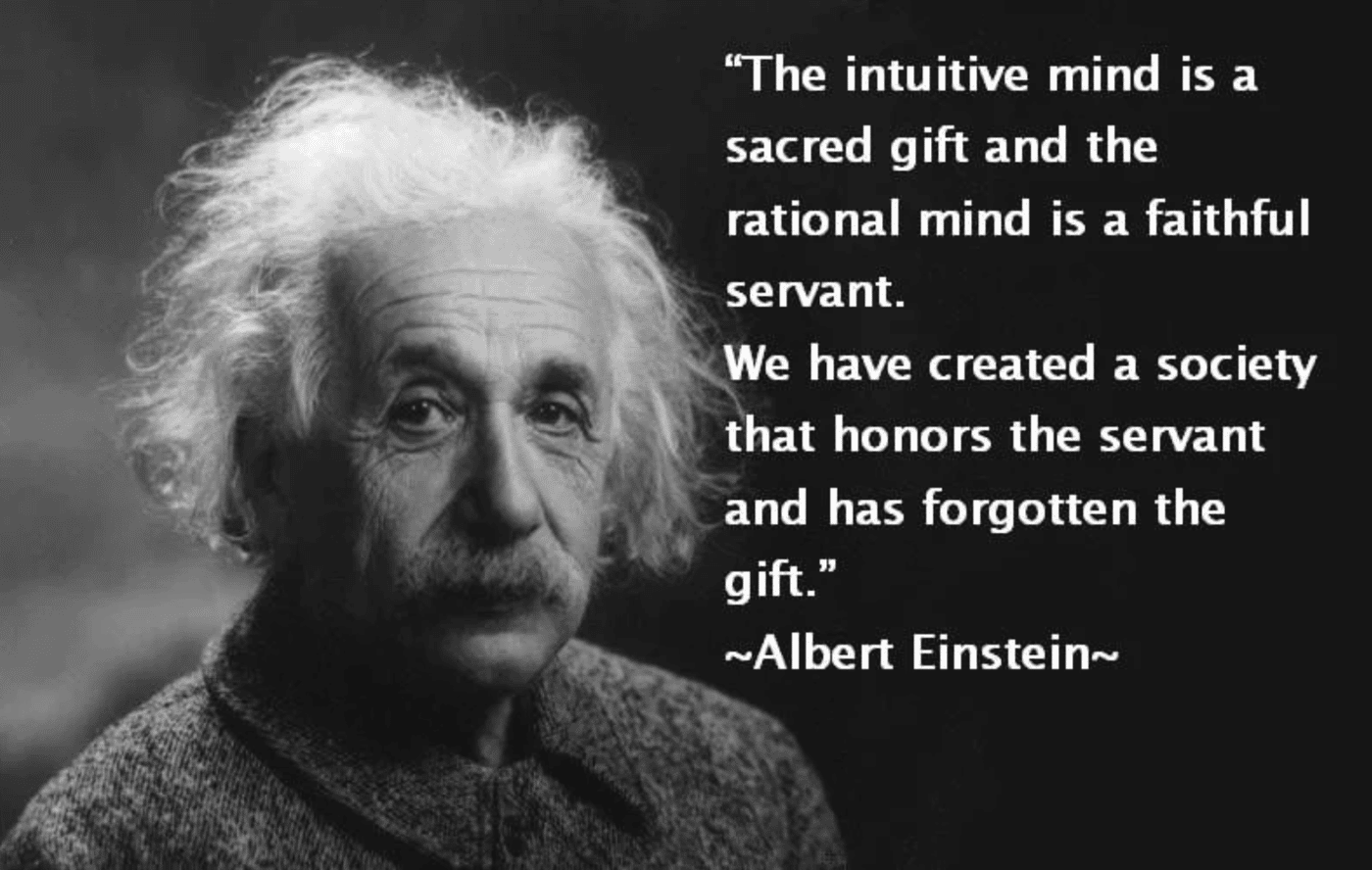
Why do successful people always turn the tables when they're "mentally fractured"? The secret of top decision-makers to see through the esse
We are often fed a portrait of successful people: decisive, resilient, and always crystal-clear on their goals—as if their decision-making were a flawless precision instrument that never errs.
But the truth is often the opposite. Their most pivotal decision moments are precisely when they feel the most “split.”
When the data says YES but intuition says NO—that’s when real decision-making begins.On the surface, they appear calm in the meeting room, yet inside they are engaged in an intense inner battle. This is the normal state for every high-level decision-maker.
On one side is the perfect market model: spreadsheets, KPI data, industry reports, expert models… all the logical evidence points unequivocally to Option A—clear, objective, and unassailable.
On the other side is the instinctive alarm forged through years of blood and tears. Deep down, a vague but stubborn “voice” keeps pulling you toward Option B. It might be an gut feeling about the market, an invisible insight into team morale, or a subconscious pattern recognition of the long-term landscape.
Choosing A is following logic. Choosing B feels like betting against the whole world.Is this “inner split” the inner conflict of the weak, or the signal of the strong?
Most people, faced with this tearing sensation, will forcibly shut down their intuition in pursuit of inner “consistency” and obey the data. It is exactly this action that causes them to miss the only window for a contrarian turnaround.
Today, let’s break it down: When logic and data point to A, but intuition insists on B, how do high-level decision-makers handle this inner “inconsistency”?
This is not the old cliché of “reason vs. emotion,” but the core tension of major decision-making.
Data represents System 2 (slow thinking, analytical, good at processing known information).
Intuition represents System 1 (fast thinking, automatic, pattern recognition based on experience, good at handling complex situations).
—Daniel Kahneman gave the classic explanation of this in Thinking, Fast and Slow.
Intuition is not some mysterious “sixth sense.” It is the subconscious computation accumulated through years of hard-earned experience: the brain instantly matches past patterns but cannot immediately articulate them fully in words or data.
01 Why does the conflict between “rational data” and “intuition” occur?
Since intuition is experiential computation, why does it so often clash with data? The root of the conflict lies in information asymmetry and the limitations of human cognition:
Data is partial, lagging, and quantitative.
It excels at describing the past and the measurable, but easily overlooks non-quantifiable factors (culture, emotion, sudden black swans) or long-term non-linear effects. Especially in a VUCA (volatile, uncertain, complex, ambiguous) environment, perfect data almost never exists. Relying solely on data means you’re only looking at the road in the rear-view mirror.

Intuition is holistic, experience-driven, and forward-looking.
The intuition of top decision-makers often comes from thousands of hours of “pattern recognition” training, essentially internalized as instinct. It captures signals that data has not yet revealed or cannot capture.
For example, when Reed Hastings shifted Netflix from DVD rental to streaming in 2007, the data still showed the DVD business was thriving. Yet his intuition foresaw the broadband era. He ultimately chose to “self-cannibalize” and succeeded.

Psychological mechanism: Intuition may stem from cognitive biases (anchoring, confirmation bias), but in experts it is more likely “expert intuition” as described in Gary Klein’s Naturalistic Decision Making theory. Firefighters or chess masters can make high-quality snap judgments under pressure thanks to a rich library of mental simulations.

High-level decision-makers understand:
Simply suppressing intuition may cause them to miss innovation or disaster warnings.
Simply following intuition may lead them into subjective traps.
The key is not choosing one or the other, but turning this inconsistency into a decision-making advantage.Top decision-makers rarely see intuition and data as opposites. Instead, they develop “informed intuition”—using data to nourish intuition, and intuition to illuminate data’s blind spots.
02 Here is their common processing framework:
Treat intuition as a “hypothesis,” not the final answer.
When intuition B appears, they don’t immediately overturn data A. Instead, they ask: “Why is my intuition pulling me? What variables has it captured that the data might have missed?”
For example, when Steve Jobs developed the iPhone, market research and logical data almost unanimously pointed to “users don’t need another phone + music player.” But his intuition insisted that “touchscreen + seamless integration” would reshape the industry. He didn’t blindly trust intuition; he used it to drive prototype iterations and ultimately validated it with real user feedback and internal testing.
Result: The iPhone upended the entire ecosystem.
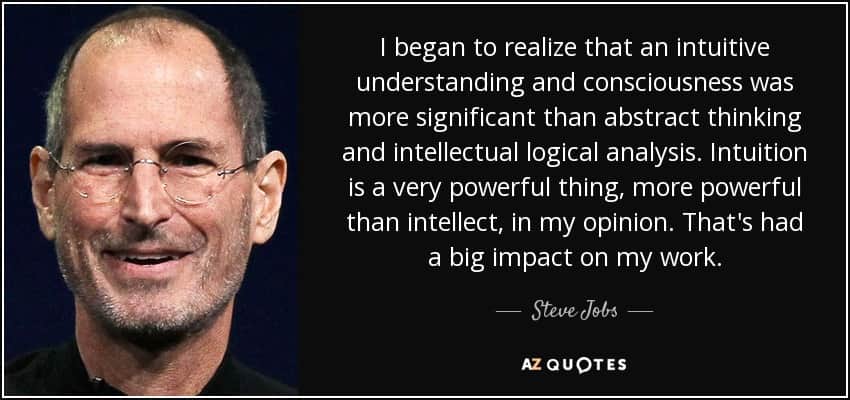
Jobs’ famous line—“Intuition is a very powerful thing, more powerful than intellect”—embodies exactly this: intuition does not replace intellect; it points the direction.
Systematic validation: Build “red team–blue team” or pre-mortem mechanisms.
High-level decision-makers proactively create debate: one team fully supports data A, the other defends intuition B. They assume the decision fails and work backward to possible causes. This exposes data blind spots (such as ignoring irrational competitor behavior) or intuition biases.
Reed Hastings at Netflix frequently used this “informed intuition”: data drives operations, intuition drives strategic pivots, and small-scale tests gradually validate them.
Distinguish contexts: when to lean toward which side?
Data-dominant: repetitive, high-certainty, quantifiable-consequence decisions (operational optimization, risk modeling).
Intuition-dominant: highly uncertain, time-pressured, innovative or strategic inflection points (M&A, cultural change).
At such moments, intuition often embodies the “long-term perspective”:
Data looks at short-term ROI; intuition looks at the ten-year moat.
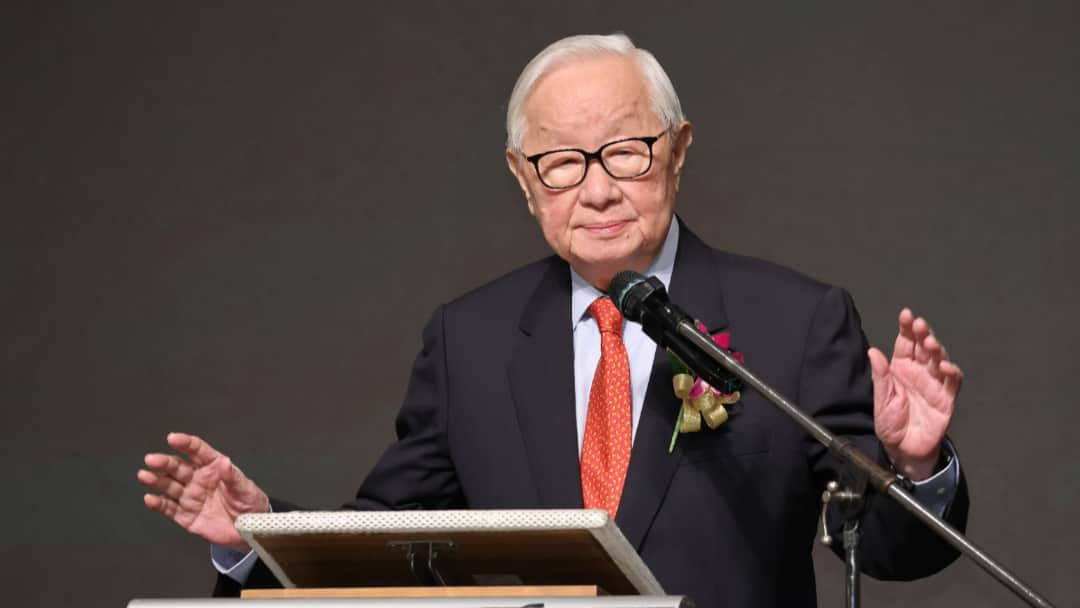
Many titans (such as TSMC founder Morris Chang) have shared: in high-pressure decisions, intuition can bring greater composure, but it must be “calibrated” with objective data, and transparency must be maintained within the team to prevent subordinates from distorting data due to the leader’s preference.
Personal cultivation: making intuition more reliable.
Decision-makers are not born “intuition masters”—they are deliberately trained: accumulating “10,000 hours” of deep experience and building a rich library of mental models.
Regular “reflection loops”: after each decision, record and review “What did intuition say at the time? What did later results prove right or wrong?”
Build external “calibration systems”: find tools that can validate intuition, trusted advisor circles, diverse perspectives, and scenario planning.
Avoid common traps: fatigue, emotional stress, or groupthink can contaminate intuition; over-reliance on big data can create “false certainty.”
Surveys show that many C-suite executives still rank “personal experience and intuition” ahead of data in major strategic decisions (accounting for over 40%), but the very best never use it in isolation—they create a “data–intuition feedback loop”: intuition raises questions, data supplies answers, and the answers refine the next intuition.
03 Ultimately, high-level decision-making is not about pursuing “zero inconsistency” perfect rationality, but about embracing the complexity of human cognition.
Data gives you the map; intuition gives you the compass.
When they point in different directions, that very inconsistency is the starting point for breaking out of mediocrity.
It reminds you: the world is far more complex than any model, and true masters are those who can transform “data and conflict” into deeper insight.
In an era of ever-increasing uncertainty, the best decision-makers—whether Jobs, Hastings, or countless low-profile industry leaders—have proven one thing: true wisdom is not eliminating the inner voice, but learning to dance with it.
Data tells you “what is.” Intuition helps you ask “why” and “what might happen next.”
The next time you face the tug-of-war between A and B, don’t rush to pick a side. Pause and listen—that may be the very entrance to higher-level decision-making.