Why Hyper-Personalization Through AI Might Be Overrated for Local Businesses
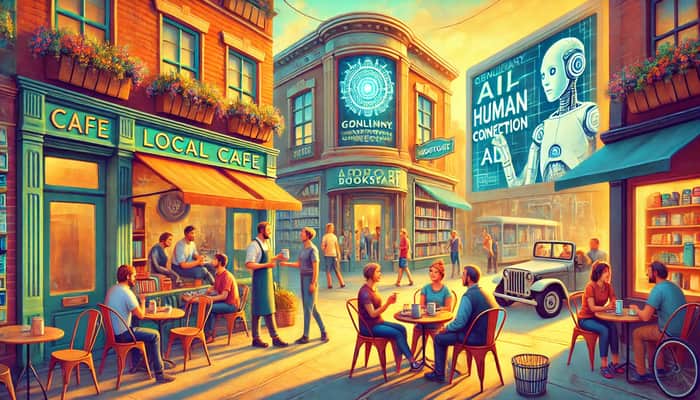
The marketing industry is currently obsessed with AI. The idea of using machine learning to tailor every interaction sounds incredible. Large corporations like Amazon and Netflix have perfected this model, offering hyper-personalized recommendations that keep customers engaged.
For big brands with vast amounts of customer data, AI-driven personalization makes sense. But for a local business—a neighborhood gym, a family-owned café, or a boutique clothing store—their best competitive advantage isn’t automation. It’s their ability to create real, human connections.
Challenges of AI-Driven Personalization for Local Businesses
Data Limitations – Unlike e-commerce giants, local businesses don’t have millions of data points to feed into an AI model. Without sufficient customer data, AI-driven personalization lacks accuracy and effectiveness.
Resource Constraints – AI tools can be costly. Many local businesses operate on tight budgets, and the investment required to implement AI-driven marketing often outweighs the potential benefits.
Loss of Authenticity – One of the biggest strengths of local businesses is their ability to build trust and personal relationships. Over-reliance on automation can make interactions feel impersonal, diminishing customer loyalty rather than enhancing it.
The Power of Community Engagement
Rather than funneling resources into AI-based personalization, local businesses should double down on strategies that foster community engagement:
In-Person Events: Hosting local events, workshops, and community gatherings builds stronger customer connections than an AI-driven email sequence ever could.
Partnerships with Local Businesses: Collaborating with other small businesses creates a network effect, increasing exposure through mutual referrals.
Personalized Customer Service: Remembering a regular customer’s favorite order or greeting them by name is a level of personalization AI can’t replicate with the same warmth and sincerity.
Authenticity Over Algorithms
Consumers are becoming increasingly skeptical of hyper-personalized advertising. In some cases, AI-driven marketing can feel intrusive—like when you search for a product once and then get bombarded with ads everywhere you go online.
Local businesses have an edge here. They can offer the kind of authenticity that customers crave. A handwritten thank-you note, a personal phone call, or a genuine interaction in a store builds trust in a way AI never can.
Case Studies: When Community Wins Over AI
Consider a local bookstore that thrives not by tracking its customers’ online behaviors but by hosting author readings and book clubs. Or a neighborhood café that sees success through word-of-mouth and community events rather than AI-driven retargeting ads. These businesses succeed by being an active part of their community—not by trying to out-tech big corporations.
Conclusion
While AI-driven personalization has its place, local businesses shouldn’t feel pressured to adopt it. The true power of a local business lies in its ability to create meaningful connections, engage with the community, and provide a level of service that algorithms simply can’t replicate.
Instead of chasing automation, local businesses should lean into their strengths—community, relationships, and authenticity. These are the real competitive advantages that drive sustainable growth.
