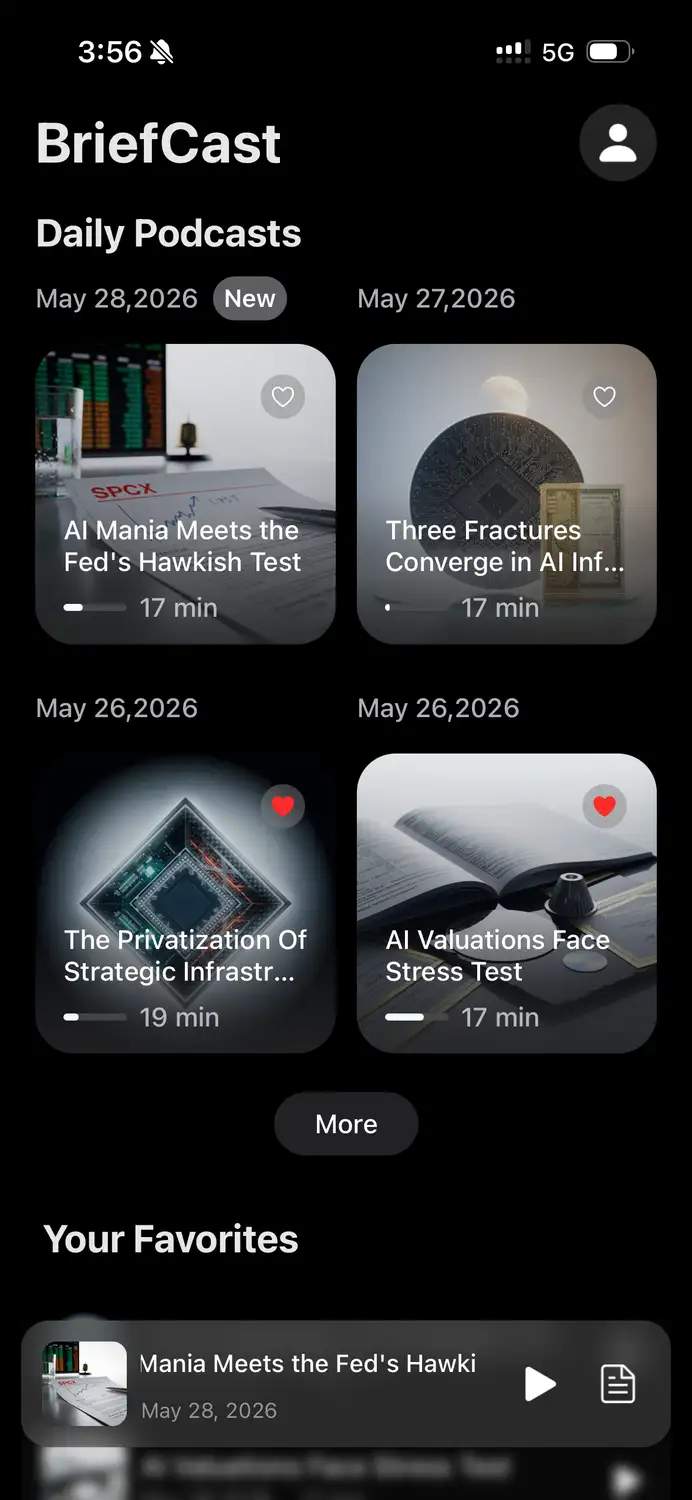
Why I Built This? Because I Hate Being Out of the Loop
Let’s skip the corporate jargon about "revolutionizing media." I built BriefCast for two very selfish, very human reasons.
I’m a tech and finance nerd. Every day, I spend at least two hours digging through news. Why?
1. To make money. In the stock market, being early is the only way to win. When NVIDIA dropped that update on optical interconnects, I was already on it. I jumped into CPO stocks before the hype hit the mainstream, and yeah, I made a killing. That feeling of hitting the bullseye? It’s addictive.
2. To be the smartest person in the room. I’ll admit it: I love the ego boost. Whether it’s at a dinner party or a strategy meeting, I like being the one who knows what’s happening before anyone else has even seen the headline. That "edge" makes me feel proud.
But let’s be real—spending hours scrolling and filtering through 99% garbage is exhausting. I’m tired of staring at my phone, especially during my commute. I just wanted something that could grab all the high-quality sources, summarize the different angles, and read it to me while I’m driving or on the subway.
So, I built BriefCast.
I aggregated all the hardcore tech and finance feeds, set up a system to classify events, and used some deep recommendation algorithms to make sure I only hear what I actually care about. Then, I turned it all into a podcast.
Now, my morning commute is my "intel time." It’s like having a private analyst in my ear saying, "Hey, here’s what’s actually happening with NVIDIA today, here’s why people are divided on it, and here’s what it means for your portfolio."
It’s not perfect—maybe 80% of the way there—but for a product I designed for myself, it’s exactly what I needed. It’s efficient, it’s precise, and it saves me from the noise. If you’re like me and you want to keep your edge without losing your mind to the scroll, BriefCast is for you.