Why Moisture Problems Often Lead to Mold Growth in Gettysburg Homes
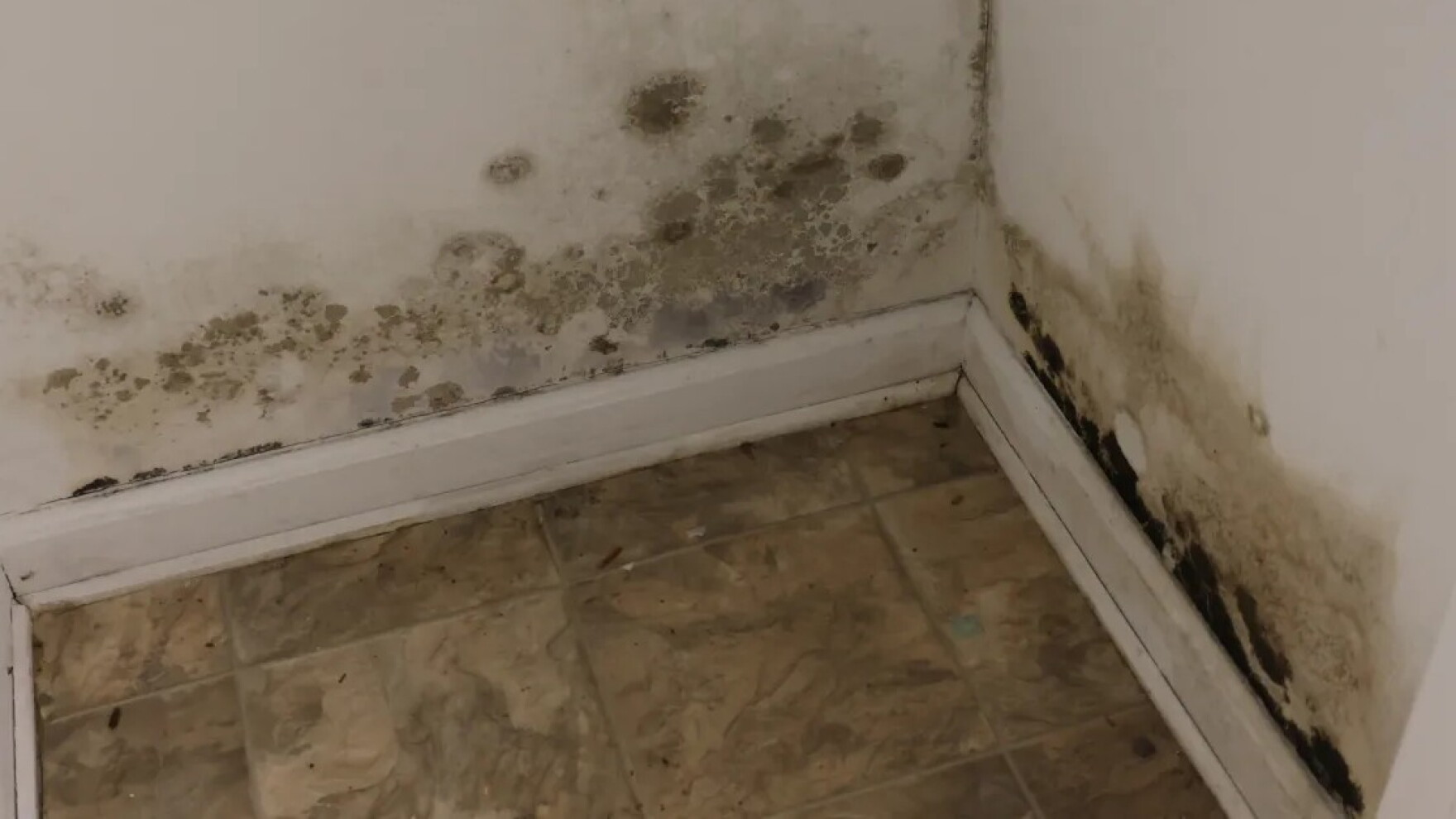
Most mold problems do not begin with mold.
They begin with water.
Sometimes it is obvious, like a leaking pipe or a flooded basement. Other times it is much harder to notice. A basement stays a little too humid. A roof leak only shows up during heavy rain. Condensation collects around a window every morning. A bathroom never seems to dry completely after a shower.
Give that moisture enough time, and mold can follow.
That is why homeowners are usually better off thinking about mold as a moisture problem first. The visible growth is often only the part you can see.
Gettysburg Homes Deal With Several Different Sources of Moisture
Gettysburg has a mix of older homes, basements, crawl spaces, changing temperatures, wet weather, and humid summer days. None of those things automatically causes mold, but together they create plenty of opportunities for moisture to get trapped indoors.
Basements are probably the easiest example.
A basement can feel damp without having an active leak. Concrete walls and floors stay cool, outside humidity enters the space, and stored boxes or furniture can block airflow along the walls. Once moisture starts lingering, organic materials such as cardboard, wood, drywall, and fabric become much more vulnerable.
This is why homeowners sometimes notice the smell before they see anything.
That damp, earthy odor in a basement usually deserves more attention than simply opening a window for a few hours.
The source may be indoor humidity, poor drainage outside, seepage through the foundation, or a plumbing issue. Each cause needs a slightly different fix.
A small amount of water can still create a big problem
People naturally worry about major floods, but slow moisture can be just as troublesome.
Imagine a tiny plumbing connection under a bathroom sink that drips once every few minutes. It may never create enough water to spread across the floor. Instead, the water soaks into the cabinet base again and again.
The cabinet stays damp, the door stays closed, and very little air reaches the area.
That is exactly the sort of environment where mold can develop quietly.
The same thing happens behind washing machines, around toilets, beneath dishwashers, and inside walls containing supply lines.
By the time you notice staining or an odor, the leak may have been there for weeks.
Roof Leaks Rarely Stay in One Place
Roof leaks can be misleading because the place where water enters is not always the place where the stain appears.
Water can travel along rafters, insulation, or framing before it reaches the ceiling below.
A small stain in an upstairs bedroom could therefore be connected to a roof problem several feet away.
The attic is often the best place to look for clues.
Darkened roof decking, damp insulation, rusty fasteners, or repeated staining around vents and chimneys can all point to moisture.
One mistake homeowners make is assuming that a stain is no longer important because it has dried.
If the roof leaks every time there is a hard rain, the drying period between storms does not solve the underlying problem.
Repeated wetting is what creates trouble.
Bathrooms Show How Quickly Moisture Can Build Up
Take a hot shower and look at the mirror afterward.
That fog is moisture in the air, and some of it is also settling on the ceiling, walls, trim, and window surfaces.
A properly working exhaust fan removes much of that moisture. Without enough ventilation, the room can stay damp much longer than it should.
That is when you begin seeing dark spotting along grout, caulking, ceiling corners, or window frames.
In many cases, homeowners clean the spots successfully, only to see them return.
The reason is simple: the room is still getting wet every day.
Replacing caulk or repainting the ceiling may improve the appearance, but neither addresses poor ventilation.
There is another issue worth checking too. Bathroom exhaust fans should discharge outside the house. If the duct ends in the attic, all of that warm, damp air gets moved into another enclosed space.
Instead of solving the moisture problem, you relocate it.
Condensation Is Easy to Dismiss Until It Happens Every Day
Water does not have to come from a leak.
It can come straight from the air.
When warm indoor air touches a cold surface, moisture can condense. You see this most often on windows, plumbing pipes, and sometimes HVAC components.
A little water on a window during a particularly cold morning is not unusual.
A window sill that is soaked every morning is different.
Repeated condensation can damage wood trim and drywall around the opening. Paint may peel, the wood can swell, and dark staining may eventually appear.
Cold water pipes in basements can create a similar problem. Moisture forms on the outside of the pipe and drips onto nearby materials.
If the same wall, ceiling, or section of flooring is constantly exposed to moisture, mold has a much better chance of developing there.
What Happens After Water Damage Matters More Than Most People Realize
A washing machine hose fails. A water heater leaks. A toilet overflows.
The first thing everyone does is remove the visible water, and that is exactly what should happen.
The problem is assuming the job is finished once the floor looks dry.
Water can move underneath flooring, soak carpet padding, enter drywall, and reach insulation or framing. These materials do not always dry at the same speed as the visible surface.
That is why mold sometimes appears several days after what seemed like a completely handled water incident.
The affected area needs air movement and proper drying, and the extent of the moisture needs to be understood.
If mold is already spreading into building materials or returning after previous cleanup, homeowners may decide to contact a company such as Gettysburg Mold Remediation Pros to determine how much of the area has been affected and whether there is still an active source of moisture.
That does not change the basic principle. Remediation works best when the water problem is addressed at the same time.
Sometimes the Water Problem Is Outside
If you have a basement that becomes noticeably damper after storms, look outside before assuming the issue is entirely indoors.
Gutters, grading, downspouts, and drainage around the foundation all matter.
A clogged gutter can spill large amounts of water next to the house. A downspout that ends just a foot or two from the foundation may send rainwater exactly where you do not want it. Ground that slopes toward the home can make the problem worse.
Walk around the property during or shortly after a heavy rain and watch where the water moves.
You may learn more from that five-minute walk than from repeatedly cleaning a damp basement wall.
If water is collecting near the foundation, dealing with drainage should be part of the solution.
Hidden Spaces Deserve Occasional Attention
Two of the easiest places for moisture problems to go unnoticed are attics and crawl spaces.
Neither is somewhere most homeowners visit regularly.
That means a slow leak, damp insulation, or plumbing problem can continue for quite some time before it becomes obvious in the living space.
You do not need to inspect these areas every week. A few checks during the year, especially after bad weather or home repairs, are usually enough to notice significant changes.
Look for water stains, damp materials, condensation, damaged insulation, and anything that smells unusually musty.
The same rule applies to areas behind appliances and beneath sinks.
You are not trying to hunt for mold everywhere. You are simply checking the parts of the home where water can sit unnoticed.
Cleaning the Mold Is Only Half the Job
This is probably the most important point.
If mold grows on a wall because a pipe is leaking behind it, cleaning the wall does not fix the pipe.
If mold appears in a basement because rainwater keeps entering around the foundation, repainting the wall will not stop the water.
If bathroom mold keeps coming back because the room never dries properly, a stronger cleaner is not the long-term answer.
Visible mold gets attention because you can see it.
Moisture deserves just as much attention because that is what allows the problem to continue.
When an area keeps getting wet, ask why before you decide how to clean it.
A Simple Way to Think About Mold Prevention
You do not need to make mold prevention complicated.
Keep water where it belongs.
Fix plumbing leaks when you notice them. Keep gutters working. Make sure downspouts move water away from the foundation. Use bathroom and kitchen ventilation. Pay attention to condensation. Keep basement humidity under control and check areas that stay damp after storms.
Most importantly, notice patterns.
A single wet window might mean very little. Every window dripping each morning tells you something about the indoor environment.
One small ceiling stain after an old roof leak may already be resolved. A stain that grows after every storm tells you the leak is probably still active.
A basement that smells musty only after several days of rain may be giving you a clue about drainage.
Homes usually give warning signs before moisture turns into a much larger problem.
The people who catch those signs early are usually the ones who have the easiest time dealing with them.

