Why Organic Farming Needs More Builders, Not Just Buyers
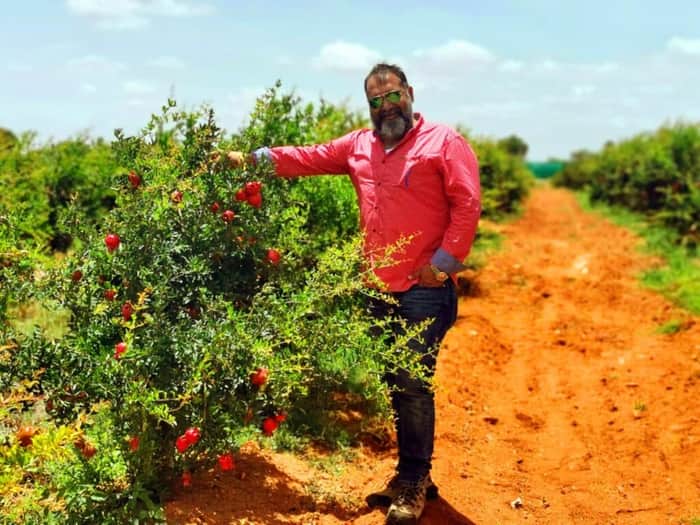
A few years ago, I visited a farm where the soil had become so hard that even water struggled to sink in properly.
The farmer wasn’t lazy.
He wasn’t inexperienced either.
He had simply spent years depending on chemical-heavy farming because that was what the system around him encouraged.
That conversation stayed with me.
It made me realize something important:
Organic farming does not grow because people buy organic products.
It grows when more people decide to build around agriculture itself.
The Problem Is Bigger Than Food
Most people see organic farming as a consumer choice.
Buy organic vegetables.
Buy chemical-free wheat.
Pay extra for healthier produce.
But agriculture does not change from the supermarket shelf backward.
It changes from the soil upward.
And that requires builders.
People willing to work on:
- soil restoration
- sustainable irrigation
- farmer education
- renewable energy in agriculture
- direct farm-to-market systems
- cannabis-based medical research
- rural employment
- long-term agricultural infrastructure
Without builders, organic farming stays small.
Farmers Often Carry the Entire Risk Alone
One thing I’ve learned while spending time around agriculture is this:
Farmers are expected to take all the risk while everyone else waits for results.
If rainfall fails, the farmer suffers.
If prices crash, the farmer suffers.
If the soil weakens after years of chemical dependency, the farmer still suffers.
Yet when organic farming is discussed online, the conversation is usually limited to branding and packaging.
Very few people talk about what happens before the product reaches the customer.
That gap is exactly where builders are needed.
Organic Farming Needs Long-Term Thinking
Real agricultural change is slow.
There is no overnight transformation.
Healthy soil takes time.
Farmer trust takes time.
Research takes time.
Sustainable systems take time.
I think one of the biggest mistakes modern business culture makes is expecting agriculture to move at startup speed.
It doesn’t.
A farming season cannot be rushed because a quarterly report demands faster growth.
Nature works differently.
And anyone entering this space has to respect that.
The Future of Agriculture Will Be Built by People Who Understand Systems
Organic farming is not just about removing urea or pesticides.
It is about rebuilding balance.
That includes:
- energy systems
- water conservation
- crop diversity
- local economies
- farmer livelihoods
- food quality
- environmental sustainability
This is why agriculture needs entrepreneurs, researchers, technologists, and long-term thinkers involved together.
Not just consumers.
A Personal Observation
The more I study agriculture, the more I realize that the strongest farms are usually built patiently.
Not loudly.
The people creating lasting impact are often the ones quietly improving the soil year after year, helping nearby farmers, experimenting with sustainable practices, and thinking decades ahead instead of chasing quick visibility.
That mindset deserves far more attention.
Final Thought
Buying organic products helps.
But building sustainable agricultural systems changes lives.
The future of farming will depend on people willing to invest time, knowledge, infrastructure, and patience into agriculture again.
Because healthier food is only the final outcome.
The real work begins much earlier — in the soil, in the farming communities, and in the decisions we make long before harvest.

I keep coming back to how farmers carry all the risk while everyone else gets to feel good buying a label. The soil-first idea hits home because every farm I’ve seen thrive grew slow and steady, like a long game instead of a quick win. Pulling more people into the actual building part, not just the shopping part, feels like the missing piece that could make the whole system breathe easier.
You’ve captured something most people overlook. Farming isn’t a quick-return game—it rewards patience, not shortcuts. I agree, the real shift will happen when more people move from just consuming to actually participating in the process. That’s where respect for the soil—and the people working it—really begins.