Why Polyurea Coatings Are One of the Most Underrated Business Opportunities Nobody's Talking About
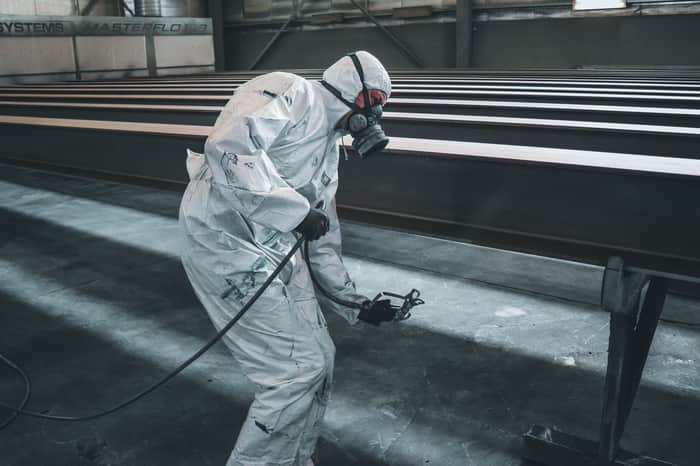
I've spent a lot of time in this community reading about SaaS, newsletters, and digital products. All great stuff. But I want to share something different — a physical-world business angle that's generating serious revenue for a handful of founders who got in early and understood the material they were working with.
That material is polyurea. And if you haven't dug into it yet, you're missing a niche that checks a lot of the boxes indie founders love: recurring customers, defensible expertise, high ticket pricing, and a service that's genuinely hard to replicate at scale.
What Even Is This Stuff?
Polyurea is an elastomeric coating — think of it as an industrial-strength protective skin that bonds to almost any surface. Truck beds, warehouse floors, roofing membranes, military equipment, swimming pools, marine vessels. It cures in seconds, handles extreme temperatures, resists chemicals, and outlasts nearly every competing coating material on the market by years, sometimes decades.
The reason most people don't know about it? Application requires specialized spray equipment and trained operators. That barrier to entry is exactly what makes it interesting from a business perspective. You can't just watch a YouTube video and start competing overnight. The learning curve is real, and that protects your margins once you're in.
The Market Is Structured, But Still Wide Open
The polyurea industry has institutions behind it. The American Polyurea Organization exists specifically to set standards, provide certifications, and give contractors a credibility signal that separates professionals from weekend warriors. If you're considering getting into this space, their certification pathway is worth looking at seriously — customers increasingly ask for it, especially on commercial and government contracts.
There's also a publishing ecosystem growing around the trade. Polyurea Magazine covers industry news, product launches, case studies, and contractor spotlights. It's the kind of trade publication that, in other industries, you'd only discover after years of being in the field. Finding it early shortens your learning curve considerably.
Where the Real Business Angle Lives
The contractors making the most money aren't just spraying truck beds on weekends. They've carved out vertical niches — secondary containment for oil and gas, bridge deck coatings for municipal contracts, roof restoration for commercial property managers. These are repeat-business markets where one solid relationship can keep a two-person operation booked out for months.
Several founders I've talked to have built small training and consulting businesses around polyurea application as well. They went deep on the chemistry, bought the right spray rigs, got certified, built a YouTube channel documenting real jobs, and now charge for training days on top of their application revenue. Classic flywheel.
What Makes This Different From Generic Trades
Plenty of people get into painting, pressure washing, or concrete work. What separates polyurea applicators is that the material itself commands premium pricing that customers are willing to pay because the outcome is genuinely different. A polyurea-coated surface lasts. The failure rate is low when applied correctly. Warranties of 10 to 15 years aren't uncommon on commercial jobs. That story is easy to tell and easy for customers to verify — you point to a five-year-old job site that still looks pristine.
For indie business builders comfortable with research, certification, and positioning in a niche, this is exactly the kind of physical-world opportunity worth running numbers on. The equipment investment is real, but so is the revenue ceiling — and unlike software, the competition doesn't ship updates at midnight trying to undercut you.
If you've been looking for a business angle that combines technical mastery, high-value customers, and genuine scarcity, this one deserves more attention than it typically gets in founder circles.
