Why Rim Locks Still Matter in Modern Homes
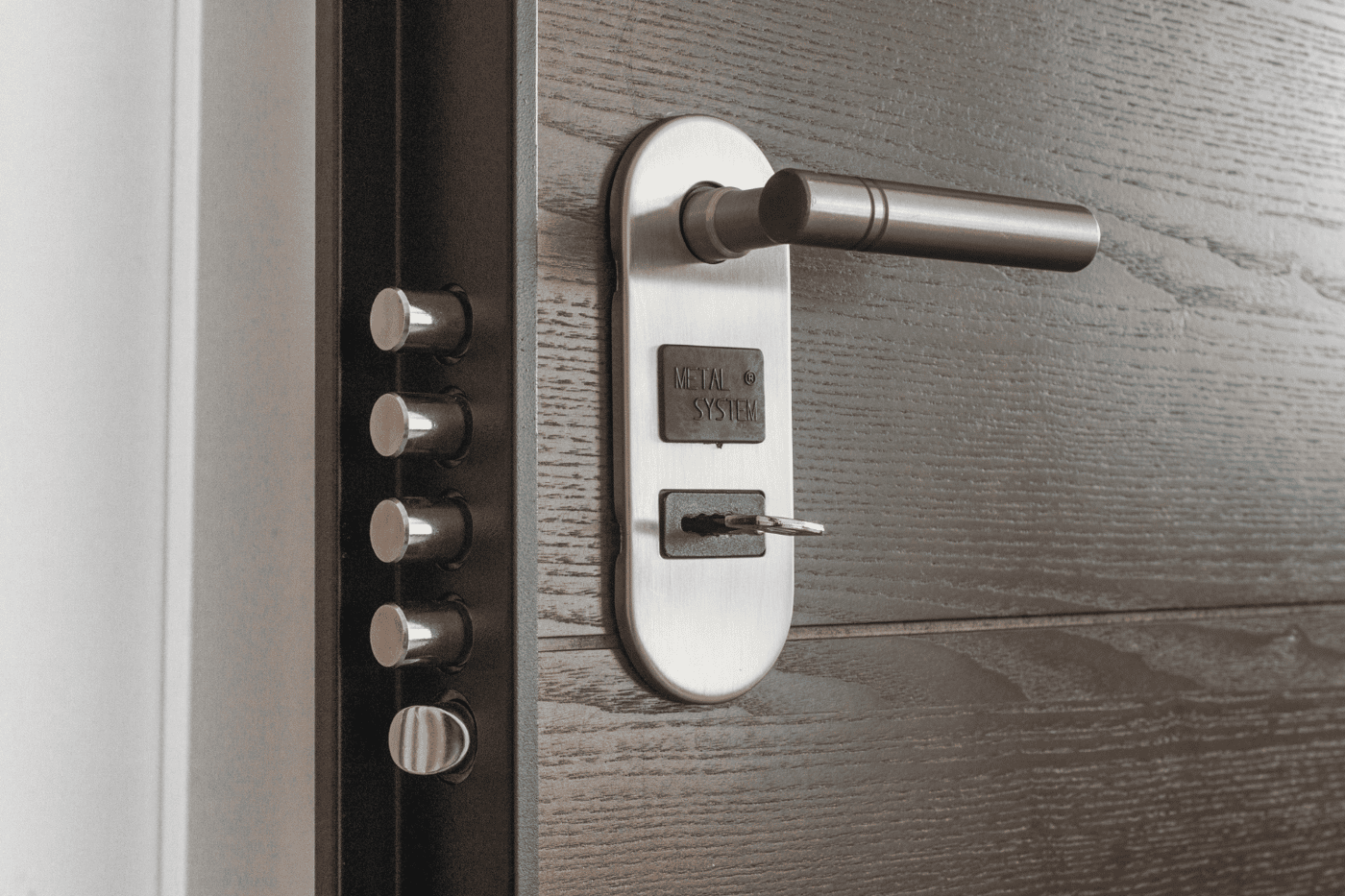
This weekend, I replaced a few old rim locks around the house, and the difference was noticeable immediately. It wasn’t just about improving security—it was about how the doors felt. The moment the heavy brass mechanism engaged, there was a reassuring sense of solidity that modern lightweight latches often fail to provide.
The Satisfaction of Quality Hardware
There’s something uniquely satisfying about a well-made rim lock. The weight of the mechanism, the smooth movement of the bolt, and the distinct sound it makes when locking all contribute to a feeling of quality. It’s a small detail, but one that you experience every single day.
Many modern locks prioritize cost and convenience, often resulting in hardware that feels light and hollow. While they may perform the same basic function, they rarely deliver the same level of confidence and durability as a traditional rim lock. A solid brass lock provides a tactile confirmation that the door is properly secured, making the simple act of closing a door feel more intentional.
More Than Just Security
Rim locks are often viewed as purely functional pieces of hardware, but they also play an important role in the overall character of a home. Their substantial construction and timeless design add a sense of craftsmanship that complements both traditional and contemporary interiors.
Unlike decorative upgrades that are only noticed occasionally, door hardware is something you interact with every day. The quality of a lock influences how a door feels, sounds, and operates. These subtle experiences shape our perception of a space, often without us realizing it.
The Detail That Elevates a Renovation
When planning a renovation, attention is usually focused on flooring, paint colors, furniture, and lighting. Hardware is often treated as an afterthought. Yet upgrading door locks, handles, and other fittings can have a surprisingly significant impact on the overall feel of a home.
A well-built rim lock can make a door feel stronger, more secure, and more substantial. It transforms an ordinary feature into something that reflects care and craftsmanship. These are the details that make a space feel thoughtfully built rather than simply assembled.
Investing in Everyday Quality
The best home improvements are often the ones you notice every day. A quality rim lock may seem like a small upgrade, but its impact is felt each time a door opens or closes. The reassuring weight, the smooth operation, and the solid engagement of the mechanism create an experience that lasts for years.This weekend, I replaced a few old rim locks around the house, and the difference was noticeable immediately. It wasn’t just about improving security—it was about how the doors felt. The moment the heavy brass mechanism engaged, there was a reassuring sense of solidity that modern lightweight latches often fail to provide.
The Satisfaction of Quality Hardware
There’s something uniquely satisfying about a well-made rim lock. The weight of the mechanism, the smooth movement of the bolt, and the distinct sound it makes when locking all contribute to a feeling of quality. It’s a small detail, but one that you experience every single day.
Many modern locks prioritize cost and convenience, often resulting in hardware that feels light and hollow. While they may perform the same basic function, they rarely deliver the same level of confidence and durability as a traditional rim lock. A solid brass lock provides a tactile confirmation that the door is properly secured, making the simple act of closing a door feel more intentional.
More Than Just Security
Rim locks are often viewed as purely functional pieces of hardware, but they also play an important role in the overall character of a home. Their substantial construction and timeless design add a sense of craftsmanship that complements both traditional and contemporary interiors.
Unlike decorative upgrades that are only noticed occasionally, door hardware is something you interact with every day. The quality of a lock influences how a door feels, sounds, and operates. These subtle experiences shape our perception of a space, often without us realizing it.
The Detail That Elevates a Renovation
When planning a renovation, attention is usually focused on flooring, paint colors, furniture, and lighting. Hardware is often treated as an afterthought. Yet upgrading door locks, handles, and other fittings can have a surprisingly significant impact on the overall feel of a home.
A well-built rim lock can make a door feel stronger, more secure, and more substantial. It transforms an ordinary feature into something that reflects care and craftsmanship. These are the details that make a space feel thoughtfully built rather than simply assembled.
Investing in Everyday Quality
The best home improvements are often the ones you notice every day. A quality rim lock may seem like a small upgrade, but its impact is felt each time a door opens or closes. The reassuring weight, the smooth operation, and the solid engagement of the mechanism create an experience that lasts for years.


That tactile satisfaction you describe is spot on. A heavy brass lock feels like a commitment to quality that cheap stamped metal just can't match. Did you notice any difference in installation difficulty going from old to new?
There's real craftsmanship in a quality rim lock. It's one of those upgrades that isn't flashy but changes how you interact with a room every single day. Did you install them yourself, and if so, any tips for aligning the strike plate perfectly?
Totally agree. The weight and precision of a quality rim lock turns a simple door into an architectural feature—it's a small upgrade that pays dividends every single time you close it.
There's a real craft in choosing hardware that feels substantial—it's one of those details that elevates a whole room. Do you have a favorite brand or source for rim locks that still makes them with that old-school heft?
Totally agree. There's a reason old hardware feels so much more substantial—it's the mass of the brass and the precision of the machining. When you throw a deadbolt on one of those, you feel the lock body settle into the strike plate with a satisfying thud, not a plastic rattle. It's one of those small upgrades that makes you smile every time you close the door.
I appreciate you noticing that—it really does change how a door feels, doesn't it? Have you ever swapped one out yourself?