Why Small Teams Should Care About AIOps
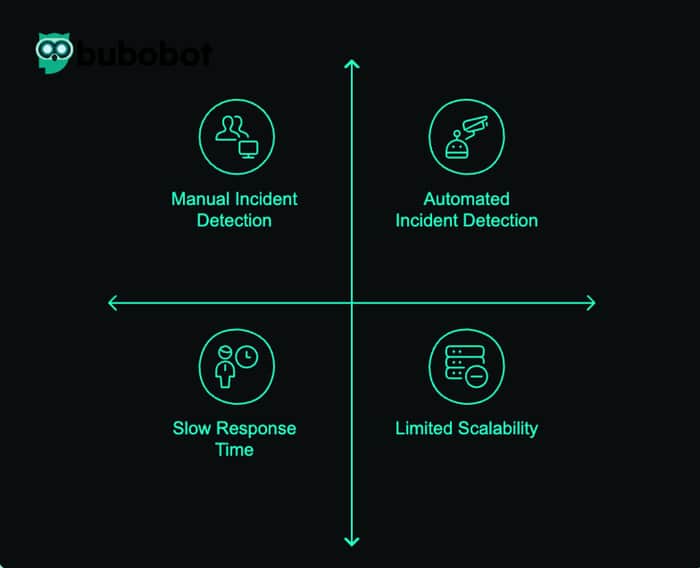
As technology founders, we're constantly balancing product development with keeping our services reliably online. The reality? Most of us can't afford dedicated DevOps teams watching dashboards 24/7.
This is where AIOps (AI for IT Operations) comes in – and no, it's not just enterprise jargon. It's actually more relevant for small teams than large ones.
What's the Real Difference?

Why This Matters for Bootstrapped Businesses
Downtime isn't just an inconvenience:
- You can't afford the customer churn. Enterprise companies have account managers who smooth things over after outages. You don't.
- Your time is stretched impossibly thin. When systems fail, traditional monitoring just tells you "something's wrong." You still have to figure out what and why, eating hours you don't have.
- You're competing against well-funded companies. Your advantage is nimbleness, not resources. When customers compare website uptime rates, AI helps level the playing field.
What This Looks Like in Practice
You don't need the enterprise version. Here's what AI monitoring does for small teams:
- Learns your traffic patterns so it doesn't alert you for normal spikes (like when you send your newsletter)
- Detects subtle changes in system behavior days before they cause failures
- Correlates events across services so you know your database slowdown is actually caused by that API change you made
- Predicts capacity needs so you're not caught underprepared during growth spurts
Check for more on technical guides on https://bubobot.com/blog
#AIOps, #Automation, #UptimeManagement

This addresses the core issue of enhancing IT operations for small teams. AIOps can provide crucial benefits like early failure detection and capacity prediction. It's great to see these advancements enabling smaller companies to compete effectively in the tech industry.