Why Talking to My Customers Changed the Way I See My SaaS
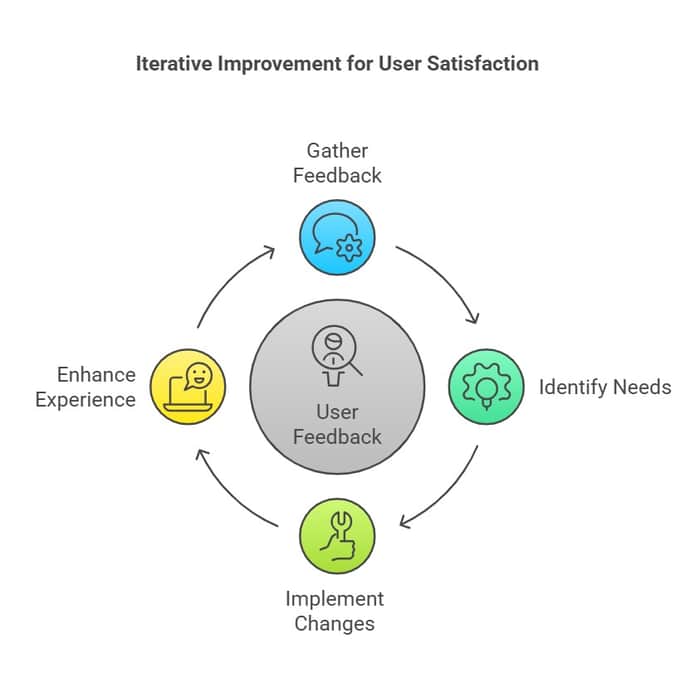
A few months ago, I had one of those “Am I even building the right thing?” moments. I was staring at my screen, overanalyzing feature requests, trying to predict what my customers wanted—without actually asking them.
I was caught up in the usual founder mindset:
- Build new features → Launch them → Hope customers love them.
Then, out of the blue, I got an email from a customer.
*“Hey, I love what you’re building, but I keep running into this issue… Any chance you can tweak it?”
At first, I thought, Great, another support request. But instead of just replying with a quick fix, I decided to hop on a call.
That one conversation changed the way I look at my SaaS.
The Assumptions I Had About My SaaS
Before that call, I thought I understood my customers. I had built my product based on logic, market research, and my own experience.
Like many SaaS founders, I assumed:
Features drive growth – If my product had the right features, people would use it.
People will figure it out – A well-built product should be self-explanatory.
More options = better product – Giving users flexibility would make them love my tool.
Users will tell me if they need something – If there’s an issue, they’ll reach out.
Turns out, I was wrong on all four counts.
The Reality Check: What Customers Actually Want
On that first call, the customer didn’t ask for a new feature. Instead, they wanted something simpler.
“I love what you’re building, but I feel lost sometimes. I don’t know what to do next.”
That hit me.
I had spent months adding functionality, but I never stopped to think: Am I making things easier or harder?
That single insight led me to have more conversations with users. And a pattern started to emerge. Customers weren’t asking for more features. They wanted:
-
Clarity – They didn’t want to figure things out; they wanted an intuitive experience.
-
Speed – They cared about how quickly they could get results, not how many buttons I gave them.
-
Simplicity – Some features were nice-to-have, but unnecessary complexity pushed people away.

I wasn’t alone in this realization. A CB Insights study found that 42% of startups fail because there’s no market need. Not because their tech was bad. Not because they ran out of money. But because they built things nobody actually needed.
That was a gut punch.
I had assumed I knew what my users wanted, but I had never truly asked them.
How I Started Talking to Customers More (and What I Learned)
After that wake-up call, I decided to make customer conversations a habit. Not in a formal, survey-heavy way—just real, unfiltered chats.
Here’s what I started doing:
- Quick, No-Pressure Calls
Instead of long feedback forms, I started asking users:
-
“What’s the hardest part of using this?”
-
“What’s one thing that could make your life easier?”
-
“What were you using before this, and why did you switch?”
I kept it casual, and that made all the difference. When people aren’t being “surveyed,” they’re more honest.
- Watching Customers Use My Product (Without Helping)
One of the most painful but eye-opening things I did was ask a few customers to share their screens while using my product.
I forced myself to stay silent while they tried to navigate.
It was brutal.
I watched them struggle with things I thought were obvious.
One customer literally said:
“I feel like I’m in an escape room. I don’t know what to do next.”
Ouch. But that feedback led to a massive UI improvement.
3. Encouraging Complaints (Yes, Really)
Most customers won’t tell you when they’re unhappy. They’ll just leave.
So I made it easy for them to complain.
Instead of asking, “How’s your experience so far?” (which gets generic responses like “It’s good”), I started asking:
- “What’s frustrating about this?”
- “If you could change one thing, what would it be?”
By shifting the question, I got way more valuable insights.
The Biggest Lesson: Build WITH Customers, Not Just FOR Them
Before, I was stuck in the “build first, validate later” cycle. Now, I involve customers before making big decisions.
This mindset shift reminded me of something Paul Graham, the founder of Y Combinator, once said:
“Make something people want.”
It sounds obvious, but too many of us build what we think people want—without checking.
Now, every time I see someone using Fuzen.io to build a SaaS, I tell them: Start by talking to your customers first.
Because no matter how good your tech is, if it doesn’t solve a real problem, it won’t matter.
Final Thought: A Challenge for Other Founders
If you’re building a SaaS, here’s my challenge for you:
🚀 *Schedule one customer call this week.
Not a sales call. Not a survey. Just a casual chat. Ask them:
-What’s frustrating?
-What’s confusing?
-What would make their life easier?
And then just listen.
I guarantee you’ll learn something you didn’t expect.
And who knows? That one conversation might just change everything.
Would love to hear your experiences! Have you ever had a customer conversation that completely changed your approach? Drop a comment and let’s talk! 🚀

I love this! Great article! This is an approach I've been championing for years that I wish more companies would adopt. This is an approach I also take with all my new ventures these days. Ship early and talk to your users. A great thing this article brings up is not only to talk to your users but also to see how they use the service/product. Great advice.
Thanks for sharing!
I'm so glad you liked the article! I completely agree—shipping early and staying close to your users is key to refining a product. Observing how users actually interact with the product can reveal insights that you might miss otherwise. It's all about continuous learning and iteration. Thanks for your thoughtful comment, and it's awesome to hear that you're applying this approach to your ventures too!
Thanks for sharing this wonderful idea, fundamental to know what the customers want.
You're welcome! I'm glad you found it helpful. Understanding what customers want is definitely key to building something great!
Those three questions at the end are brilliant! I'll implement them in my business when I get customers. You helped me figure out something I was struggling with for a while. Thinking my product was too "simple". Knowing things that might seem obvious to us isn't obvious to others is a painful pill to swallow. I'm glad you figured it out. Good luck with your business!
I'm glad the questions helped! Best of luck with your business, and feel free to reach out if you need anything!
This is exactly what we strive to do at Docsumo. We've built and shipped features that our customers request, no matter how small or big the ask. Eventually it turns out that it's a feature that many others actually want while looking for an Intelligent Document Processing solution.
That’s awesome to hear! Listening to customers and shipping features based on their feedback is such a powerful approach. Keep up the great work!
Great insight! I'm going to try to do more of this.
I’m glad you found it helpful! Best of luck with implementing it—I'm sure it will make a big difference!
I've found the same thing. Talking to users makes all the difference.
Absolutely! Talking to users gives you such valuable insights that you can't get anywhere else. It really helps shape a better product.