Why the problem is more important than the solution: A lesson learned from a startup failure
One of the biggest lessons I’ve learned as a founder is the importance of focusing on the problem, not the technology.
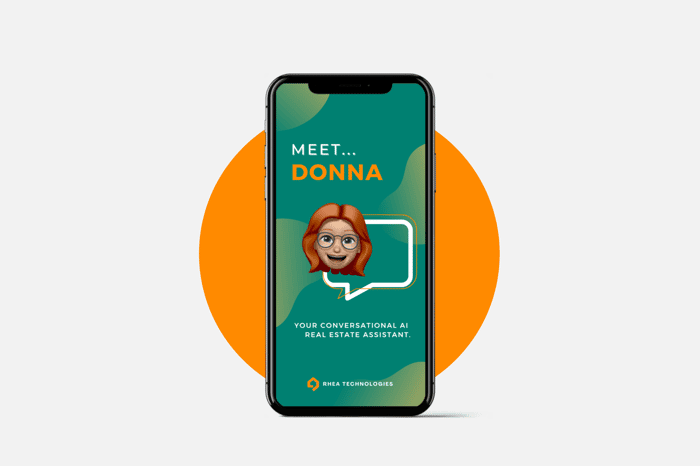
I learned this lesson the hard way when I ran a chatbot company, RHEA Technologies. We were in the real estate industry, and our SMS based chatbot aimed to assist agents with qualifying, following up and answering FAQs. We had great technology but faced stiff competition from other well-funded startups. Despite our best efforts, we couldn’t keep up or nail our unique value proposition and ultimately had to pivot to survive.
At this point, I realised we had become too focused on the technology we were using, constantly iterating and improving it rather than stepping back and asking what problem we were solving. Our chatbot product was not solving a problem our customers had a burning desire to solve, so we decided to shut down RHEA Technologies and take our knowledge and connections to start fresh with FallbackAI.
- SKIP IF YOU DON'T WANT A PITCH *
FallbackAI ( fallbackai.com ) offers an AI-powered follow-up tool for high-volume, high-lifetime value industry salespeople such as in the automotive, real estate, and insurance industries. Our product automates follow-up messages over voicemail via cloning salespeople’s voices to send personalised automated messages on mass. This allows salespeople to focus on the most promising leads rather than spending time trying to connect with unresponsive prospects.
END SKIP
As an indie hacker, it’s easy to become enamoured with the technology you’re using and lose sight of the problem you’re trying to solve. If you’re unsure if you’re making this mistake, ask yourself:
- Are you spending more time on the technical aspects of your product than on understanding your customers’ needs and pain points?
- Are you more excited about the technology you’re using than the problem you’re trying to solve?
- Are you receiving feedback from customers that suggests they don’t fully understand the value of your product because you’re not communicating it effectively? ( I always found myself getting into the weeds during pitches and losing my prospects to polite nodes and "sounds great, we'll get back to you" ).
Pivoting was incredibly challenging for us as a team since we had a major deal we were counting on. This deal was with a large real estate franchise, and we had been working on it for an entire year, pouring all of our resources into it, and it was our last hope.
Fortunately, in October 2022, they told us they needed to put the project on hold until at least April 2023. This was our wake-up call; it forced us to take a step back, consider if we wanted a product that users could live without for another six months, and reflect on the real problem we were trying to solve. We knew most generated leads were in the consideration stages and not ready to buy ( Data shows only 2% of sales happen on the first interaction, with the average sales cycle lasting 4 months ). Still, fewer than 50% of salespeople follow up with leads.
We built a less-than-perfect MVP with no interface for FallbackAi ( Fallbackai.com ) and generated more revenue in our first month than in the previous 2 years. Last week we launched our website with a simple piece-to-camera video on my socials that received hundreds of likes, comments, website visitors' and a decent amount of waitlist signups. Awesomely, I also received personal messages from salespeople at companies like Google, TikTok and others asking to be moved up the waitlist.
In hindsight, we got extremely lucky that our potential client paused our engagement when they did, but maybe next time, we won’t be so fortunate. We still have a long way to go with FallbackAI (fallbackai.com). Still, I wanted to share the moral of the story to not wait for a wake-up call and not be afraid to pivot and start fresh if truly necessary – it might be the key to your success.

Interesting insight, thank you for sharing!
This is a great story, thank you for sharing! It's inspiring to see how you turned a potentially difficult situation into an opportunity to refocus and create something new. It's clear that you learned a valuable lesson in the importance of focusing on the problem, not the technology. It's also great to see that you have already achieved success with your new venture, FallbackAI.
It is so important to be able to identify and focus on the problem you are trying to solve. It is then that the technology can be applied to develop the best solution. This is a lesson that many founders can learn from.
My question for you is, what advice would you give to founders who are struggling to find their focus and solve the problem they are trying to address?
Great insight on the importance of focusing on the problem instead of just the technology. It's easy to get caught up in the excitement of the latest tools and features, but without understanding the customer's needs and pain points, it's hard to create a product that truly solves a problem they have. Your story of pivoting from RHEA Technologies to FallbackAI is a great example of how taking a step back and re-evaluating the problem can lead to success. Thanks for sharing your experience and best of luck with FallbackAI!