Your Freelance Client List Is Probably Out of Date. Here's How to Fix It.
You invested actual time creating that list. You were looking up companies, wrote down the correct names, maybe even had a couple of hot conversations. Before you knew it, life got busy, a project came in, and three months later you return to follow up. Most of the contacts are no longer in the same role. A few emails bounce. One company was acquired.
That is just how professional contact information works. A study by HubSpot has cemented the historical trend showing us that B2B contact data has a decay rate of about 25 to 30 percent annually. That means that the list you built six months ago is already significantly less accurate than it was on the day you created it.
This generates a particular type of friction for freelancers trying to pitch new clients. You know exactly who you want to target. They are just not reliable to get in touch with. Building a pipeline that is up to date the following is How to build one
Know Which Industries Actually Need You Right Now
Prior to worrying about contacting individual customers, ensure you are fishing in the proper pond. Freelancers face a constantly changing demand for their services in the industry. For example, pound, the financial services sector has been one of the most active groups for freelance marketing, content, compliance writing and UX painting through fintech expansion and continuing regulatory changes in the last two years.
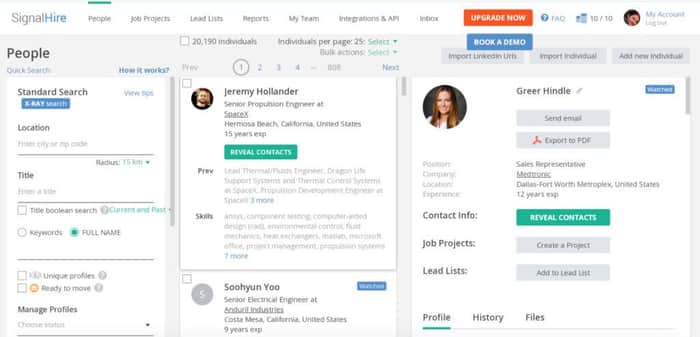
If you have relevant skills and have not explored this space, a searchable financial services database lets you browse companies in the sector and identify who holds the roles most relevant to your work. Instead of trying to guess which companies might need you, you can see who is hiring, what the team looks like behind the scenes, and who the right point of contact is before you write a single word of outreach.
Having verified company and contact information as opposed to building a list from memory and LinkedIn hunches gives you a clearer starting point. It also saves you hours of research you would have spent otherwise verifying information that might already be outdated.
Stop Treating Your Pipeline as a Static Document
Many freelancers keep their prospect list in a spreadsheet/text file or any other notes app, and update it only when something goes wrong. This is the case where a contact bounce and you search a new email out. You boot people off because someone does not accept. Simply put, your pipeline is always a few steps behind the reality this results in a reactive approach.
A living pipeline works differently. You establish a simple beat: once a month do some spot checking of some of your most important contacts. Ensure the Role is Correct Verify the email still works. If necessary, update the name of the company. However, this process takes far less time than it sounds like, especially if you automate verification instead of doing so manually.
The price of ignoring this step is more than just lost outreach. Broadcasting email campaigns to stale contacts over time damages your sender reputation which impacts deliverability for every subsequent email you send, even for accurate contacts. One report on the data enrichment problem found that CRM data decay costs businesses significant time and revenue each year, and the pattern holds for freelancers managing their own contact lists at smaller scale.
Write Outreach Around the Role, Not Just the Person
This can be something that catches a lot of freelancers doing direct outreach with. They research the contact, craft a thoughtful message, and send. Then, three weeks later, the person switches roles, and the message ends up in a dead inbox.
The solution is to tie your outreach to the position as much as the person. But in your writing to a Head of Content at a fintech company, you are writing to the person who is currently sitting with that problem, not to one human. Your pitch will still be pertinent, because the role, and the challenges associated with it, have not changed, if that person leaves and you follow up with a replacement.
Such a mindset also takes the sting out of contact churn. Somebody goes away, you update the contact and move on. The pipeline persists.
The Simplest Way to Keep a Freelance Pipeline Warm
You do not need a sophisticated CRM or a large database. You need a short list of target companies you genuinely want to work with, a verified contact for the relevant decision-maker at each, and a simple schedule for staying in touch.
Three things keep a freelance pipeline warm without becoming a second full-time job:
Verify contacts before you reach out, not after a bounce. Check that the email and role are current at the point of outreach rather than discovering the issue after your message fails to deliver.
Follow the companies, not just the individuals. When a company posts a new job, announces a product launch, or changes leadership, that is a signal that timing may be right. Monitoring company news gives you relevant reasons to reach out without manufacturing an excuse.
Set a six-week follow-up minimum. Most freelance clients are not ready to hire when you first contact them. They become ready later, when a project materializes or a full-time person leaves. A simple follow-up six weeks after initial contact catches a meaningful percentage of opportunities that would otherwise be missed.
A well-maintained list of 50 verified, relevant contacts will consistently outperform a bloated spreadsheet of 500 names you have never verified. The goal is not a large pipeline. It is a reliable one.
