
Buildmymart
Easy, affordable and impactful ecommerce

Ecommerce introduction
In the past decade, India has shown exponential growth in ecommerce. This increased dramatically post-COVID, also facilitated due to infrastructure growth and affordable internet services.
Ecommerce, as you might know, refers to buying and selling goods, or services, over the Internet. In India, the ecommerce market size in 2023 was estimated to be $63 billion. It is expected to grow by $107 billion in 2027.


Ecommerce has significantly grown in India, and more importantly, has the potential to grow even further in the next 5-10 years. To quantify this with numbers, India's Ecommerce B2C (Business to Consumer) business volume is expected to be $135 billion, in 2024, from an expected number of $ 113 billion in 2023 and $105.0 billion in 2022. This would be a suggested growth of 19.5 %, in just one year. This growth has resulted in tremendous curiosity and excitement, around ecommerce, from small and medium businesses, to be part of this journey.
That being said, many small and medium businesses have already tried their hands in the ecommerce journey. Unfortunately, they have been largely dismayed, with most not even recovering their original investment and some planning to exit ecommerce, due to lack of sufficient returns.
As suggested above, we have a paradox here, where e-commerce as a sector continues to flourish, while a significant portion of small and medium businesses continue to struggle in this space. It is in this paradox that it might be worthwhile to understand the concept of the Total Cost of Ownership (TCO), and how it impacts businesses in ecommerce. For the context of this discussion, we will focus on the B2C segment only for now.

In today's digital age, having a robust online presence is crucial for the success of any ecommerce business. With millions of websites vying for attention, implementing effective Search Engine Optimization (SEO) strategies is essential to boost your ecommerce website's visibility and attract potential customers.
High performing online stores effectively use SEO to improve their overall rankings and subsequently sales. For example, the higher you rank for product keywords, the more likely you are to make a sale. In this comprehensive guide, we will explore proven SEO techniques that can significantly enhance your website's search engine rankings and increase organic traffic.
Keyword Research: The Foundation of SEO
Evaluating keywords is the basis for each successful SEO plan. Understand your target audience and identify the keywords and phrases they use to search for products like yours. Utilize tools like Google Keyword Planner, SEMrush, or Ahrefs to find relevant keywords with high search volumes and low competition. Incorporate these keywords naturally into your product titles, descriptions, meta tags, and URLs.

Models of E-commerce:
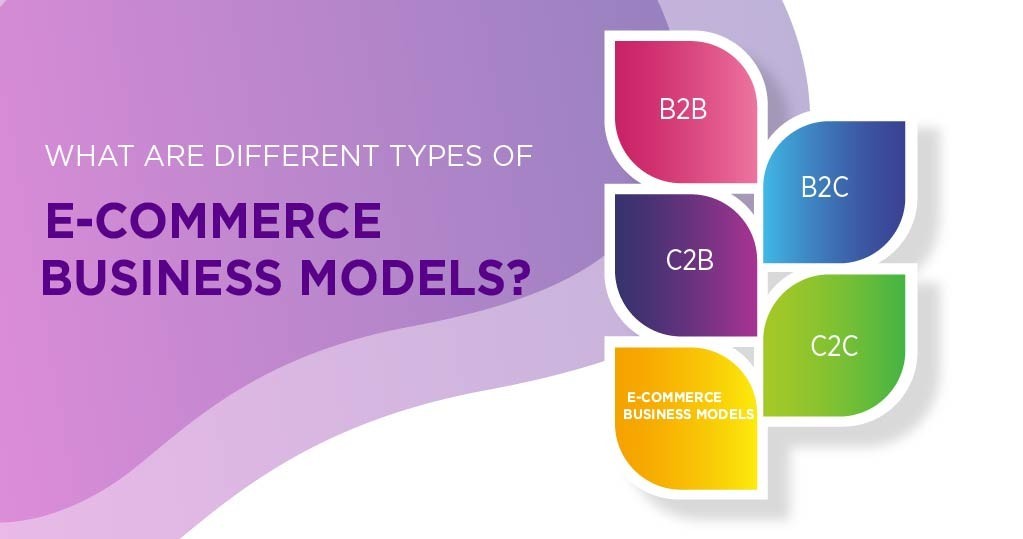
We will outline the basic models of e-commerce, though there are many more subvariants; however, we will highlight the key four for ease of understanding.

In this blog post, we'll discuss the top 10 mistakes you need to avoid in e-commerce to maximize your chances of success.
Poor Website Design:
Your website serves as the face of your online business. A poorly designed website with cluttered layouts, slow loading times, and a confusing navigation structure can drive potential customers away. Invest in professional web design to ensure a visually appealing, user-friendly, and responsive website.
Considering CX/UX before launching the e-commerce website is essential to reduce the bounce rate of potential prospects. As a smart E-commerce seller, you must design your website to engage the maximum audience. In addition, web designing must be comprehensive and robust so that the website includes HD Webp images, simple navigation, engaging graphics, an easy checkout process, and mobile friendliness.
Comment