
Finding someone on social media is not always as straightforward as entering a name into a search box. Many people use nicknames, shortened names, changing usernames, or profile information that does not clearly identify them. If you already have a phone number, you may wonder whether it can provide another way to discover a social media profile. In certain situations, a phone number can be a useful starting point for legitimate online profile research.
People may want to find an X profile for many ordinary reasons. Someone might be reconnecting with a known contact, checking their own digital footprint, verifying a public online presence, or understanding how contact information is connected across social platforms. When used responsibly, phone-based profile discovery can be one part of this process.
If you want to find X account phone number, however, it is important to understand that results are not guaranteed. Account privacy settings, platform policies, outdated information, number reassignment, and differences in how people use their phone numbers can all affect what a search reveals. Services such as Socialprofiler provide a dedicated way to explore possible social profile connections, but search results should always be evaluated carefully.
Why Phone Numbers Can Help
Names and usernames are useful social media identifiers, but they also have limitations. A common name can produce thousands of profiles, while a username may be difficult to remember or may have changed since you last interacted with someone.
A phone number can sometimes provide a more specific reference. People may use a phone number for account verification, recovery, communication, or other services, and some online systems can use contact information as a signal for profile discovery.
This does not mean that every phone number can be connected with an X account. Instead, the number can provide another search path when traditional methods are unsuccessful.
For someone who knows a person's phone number but does not know their X username, starting with the number can potentially simplify the initial discovery process.
What Makes X Different?
X is a platform where users can create accounts with usernames, display names, profile photographs, biographies, websites, and other public information. Usernames can change, and display names are not necessarily unique.
This can make profile discovery challenging when you know only a person's name.
A phone number may sometimes help narrow the search, but its usefulness depends on the account information available through legitimate search methods. The platform's privacy and discovery options also play an important role in determining whether a profile can be associated with contact information.
As a result, a phone-based search should be viewed as a possible discovery method rather than a guaranteed way to locate a particular X account.
Understanding Phone-Based Profile Discovery
Phone-based profile discovery generally starts with a telephone number and looks for possible online connections associated with it.
Socialprofiler is designed specifically around social profile discovery. Its described workflow begins with a complete 10-digit US phone number. The user does not need to provide a person's name, email address, username, social handle, or direct profile link as the initial search input.
After the number is submitted, Socialprofiler checks multiple permitted sources for signals that may connect the number with profiles on supported social networks. These networks include Instagram, Facebook, TikTok, and X.
This makes the process broader than simply checking traditional telephone records. The focus is on possible social identities connected with the submitted number.
The result can vary depending on the information available. A search may identify a possible X profile, produce profiles from other supported networks, return several potential matches, or provide no useful match at all.
Begin With an Accurate Number
The first step in any phone-based search is making sure the number is correct.
For Socialprofiler's described US-number workflow, the starting point is a complete 10-digit US phone number. Check every digit before starting the lookup and follow the service's current instructions.
An incomplete or incorrect number can lead to an unsuccessful search or potentially produce information associated with a different number.
The context of the number also matters. A personal mobile number may have a different history from a company telephone number, shared household number, or virtual business line.
How Socialprofiler Can Be Used
Socialprofiler provides a structured approach to exploring possible social profile connections.
Instead of manually searching several social networks and trying to remember different usernames, a user can begin with the phone number and allow the service to check its permitted sources for potential social profile signals.
If you want to find X account phone number, this workflow can be useful because you do not have to know the person's X handle in advance. The same search can potentially surface connections on other supported networks as well.
When a possible match is found, Socialprofiler provides a free preview. The preview can show a related profile photograph and the social network where the possible match was found.
At this stage, the name, username or handle, and direct profile link remain blurred. This gives users an opportunity to assess whether the initial result appears relevant before deciding whether to access additional information.
What the Paid Result Provides
If a user decides to continue after reviewing the preview, the paid result can reveal available identifying profile details such as names, usernames, handles, and direct profile links.
For an X-related search, these details can make it easier to examine a potential profile through the information that is available.
The paid result also provides access to a Socialprofiler report when sufficient information is available for a matched person. The report can go beyond a simple profile link and organize available social activity into different sections.
However, these results should still be regarded as potential connections based on available data rather than an automatic guarantee of identity.
Looking Beyond X
One useful aspect of Socialprofiler's approach is that the search is not limited to a single social network.
If you submit a phone number while looking for an X account, the service may identify possible connections on Instagram, Facebook, TikTok, or X depending on the signals available.
This can be helpful when you are not certain which platform a person uses.
For example, you may expect to find an X profile but discover that the available social signal appears on Instagram instead. That does not automatically prove that all accounts returned from the search belong to one person. Each possible profile should be considered separately.
Privacy Settings Can Limit Results
One of the biggest reasons a phone-based search may not produce an X account is privacy.
Users have different preferences about how discoverable their accounts should be. Some may permit forms of contact-based discovery, while others may restrict it.
A person may also use their phone number for account security without making it useful for finding their public profile.
Therefore, an unsuccessful search does not necessarily mean the person does not have an X account. The profile may exist but simply may not be discoverable through that particular phone number or available search data.
Evaluate Potential Matches
If a lookup produces a possible X profile, take time to examine publicly available information.
A display name, username, profile image, biography, website, or other public details may help establish whether the profile appears relevant.
The free preview can provide an initial profile photo and indicate the network where the possible match was found. This can be useful for deciding whether further information is worth reviewing.
However, one matching characteristic is not enough to confirm ownership. Many people can have similar names, and photographs or other profile elements may be reused.
If several possible profiles appear, assess each one independently rather than assuming they all belong to the same individual.
Understanding the Socialprofiler Report
Socialprofiler describes a broader report for matched individuals when enough social activity is available.
One section may cover Top Interests, organizing interests that appear in available social media activity.
Another section may identify Red Flags across categories such as drugs, alcohol, weapons, mature content, and esoteric interests.
These categories should be interpreted cautiously. A report feature can organize signals found in available social activity, but it should not automatically be treated as a verified statement about someone's behavior, personality, or circumstances.
The report may also include Friends, including information about mutual followers. This can provide additional context when reviewing a potential social profile, but a shared follower alone does not establish a personal relationship.
Executive Summary and Additional Context
Socialprofiler also describes an Executive Summary that may cover information such as profession, location, political views, family details, financial status, and unusual aspects when such information is available.
Because some of these categories can involve personal or sensitive information, users should be particularly careful about interpretation.
Information available online can be incomplete, outdated, or presented without the context in which it originally appeared. A summary should therefore be treated as a convenient organization of available information rather than a complete or independently verified biography.
When an important claim matters, checking the underlying public information can provide better context.
AI Assistant for Exploring Results
Another feature described by Socialprofiler is an AI Assistant that can answer questions about the matched person using information available in the report.
This can make a large amount of profile information easier to explore. Instead of manually reviewing every section, users can ask questions about information contained in the available report.
The AI Assistant should not be confused with the person being searched. Its responses are generated from available information and should not be interpreted as direct statements, private thoughts, or guaranteed facts from that individual.
For important or sensitive information, reviewing the underlying report details remains important.
Conversation Simulation
Socialprofiler also describes a “talk to the person” simulator that allows users to practice a possible conversation without actually contacting the individual.
This may be useful for someone who is considering reconnecting with a known contact and wants to think about how an initial conversation might proceed.
The simulation is not the actual person and cannot guarantee how that person would respond. It is better understood as a practice feature rather than a prediction of someone's real behavior or opinions.
Phone Numbers Can Change
Phone numbers are not always permanent identifiers.
When a person stops using a number, it may eventually be assigned to another customer. Older websites, directories, advertisements, and social references may continue to associate the number with a previous user.
This creates an important limitation for reverse searches.
If a lookup produces information that appears outdated or inconsistent, consider when that information may have been created and whether the number could have changed owners.
Do not assume that every historical reference represents the current owner.
Business Numbers Require Context
A phone number may belong to a business rather than an individual.
Companies can use shared customer-service numbers, office lines, virtual numbers, and automated systems. Several employees may have access to the same number.
If a search identifies a business or organization, that does not necessarily establish that a particular employee owns an X account associated with the number.
Context is therefore essential when interpreting phone-based social profile results.
What If There Is No Result?
A search that returns no X account can have many explanations.
The phone number may not be connected with an X profile. The account may use another number, the number may have been removed, or privacy settings may limit contact-based discovery.
Information may also simply be unavailable to the lookup service.
Because of these possibilities, a negative result should not be treated as definitive evidence that an X account does not exist.
Use Public Information for Verification
If you are trying to determine whether a potential X profile is relevant, focus on information that the account owner has made publicly available.
A public username, biography, profile photograph, professional website, or other visible information can provide useful context.
Avoid attempting to access private posts, protected accounts, private messages, or other restricted material.
The objective should be to determine whether a result appears relevant to a legitimate purpose, not to overcome someone's privacy choices.
Protect Your Own Phone Number
Phone-based searches can also help people understand their own online exposure.
Many individuals have used the same phone number for years across different platforms. Over time, that number may become associated with multiple accounts and services.
Reviewing your own social media privacy settings can help you understand how easily your profile may be discoverable through contact information.
If you do not want your phone number widely associated with public profiles, consider limiting unnecessary public exposure and reviewing the privacy options offered by the services you use.
Digital Footprint Awareness
A digital footprint consists of information connected with your online activities. Phone numbers can become part of that footprint because they are used for account creation, verification, communication, and recovery.
Searching your own number can sometimes reveal information that you forgot was publicly available.
This can be a useful privacy exercise. If you discover old listings or outdated information, you may be able to update or remove them through the relevant website or platform.
Understanding your own digital footprint is often more useful than collecting excessive information about other people.
Avoid Misidentification
One of the most important considerations in profile discovery is the possibility of confusing two different people.
Imagine that a phone lookup produces an X profile with the same name as someone you know. There may be several people with that name, and the profile could belong to someone else.
Avoid making important decisions based on a single automated result.
Consider multiple legitimate public indicators and the overall context. If the information remains uncertain, treat the result as unconfirmed.
Responsible Reasons to Search
Phone-based profile discovery can have legitimate uses.
You may want to reconnect with a friend whose X username you have forgotten. You may be checking whether your own phone number is associated with an online profile. You might also want to verify a public professional or business presence.
These purposes are different from using someone's phone number to harass, impersonate, monitor, or expose them.
Responsible searches should have a clear purpose and respect privacy boundaries.
Do Not Bypass Privacy Controls
A phone lookup should never be used as a method for bypassing security systems.
Do not attempt to obtain passwords, private messages, protected posts, private photographs, or other restricted information.
If an X user has chosen to limit profile discovery, that privacy choice should be respected.
A useful lookup service should help organize legitimately available information rather than provide a way around platform protections.
Why Results May Change Over Time
Social media platforms continuously update their features, privacy policies, and account-discovery systems.
A search method that works at one point may become less effective after a platform changes its policies. Similarly, a lookup service may update its technology or available data.
This means users should avoid relying on old tutorials or assuming that a particular phone number will always produce the same result.
A phone-based search is better understood as a snapshot of available information at a particular time rather than a permanent record.
A Practical Search Strategy
If you want to find X account phone number, begin by confirming that the phone number is accurate and complete.
For Socialprofiler's described US-number workflow, enter the complete 10-digit US phone number. No name, email address, username, social handle, or direct profile link is required as the initial input.
After the search, review any potential matches and examine the free preview. Look at the available profile photograph and the network shown before deciding whether additional information is necessary.
If the paid result is accessed, available names, usernames, handles, and direct profile links can provide additional context. The Socialprofiler report may also organize available information into sections covering interests, potential red-flag categories, mutual followers, and other social activity.
The AI Assistant can provide another way to explore the available report information, while the conversation simulator can be used to practice a possible conversation without contacting the person.
At every stage, remember that the information represents possible connections and should be evaluated carefully.
The Value of Careful Verification
Online searches can be fast, but accurate conclusions require patience.
Automated systems can identify possible connections, but users still need to determine whether those connections make sense. This is particularly important when information could affect personal relationships, professional decisions, or someone's reputation.
Treat search results as clues rather than final answers.
If the available information does not provide enough evidence, it is better to acknowledge uncertainty than to assume an identity.
Final Thoughts
If you want to find X account phone number, a phone-based lookup can provide another possible route when a name or username search is not enough. However, the availability of a result depends on privacy settings, account information, number history, and the capabilities of the search service.
Socialprofiler provides a dedicated social profile discovery process in which a complete 10-digit US phone number can be used as the starting input. The service checks multiple permitted sources for possible connections with supported networks including Facebook, Instagram, TikTok, and X.
When a possible match is found, the free preview can show a related profile photo and identify the network where the match was found. Names, usernames or handles, and direct profile links remain blurred in the preview, while the paid result can reveal those available details.
Socialprofiler also describes a broader report that may include Top Interests, Red Flags across specified categories, Friends showing mutual followers, and an Executive Summary. Its AI Assistant can help users explore available report information, while the “talk to the person” simulator provides a way to practice a possible conversation without contacting the actual individual.
These features can make social profile discovery more organized, but they should not be treated as guarantees of identity, complete records, or verified conclusions about a person. Phone numbers can be reassigned, social profiles can change, information can become outdated, and privacy settings can limit discoverability.
The most responsible approach is to use an accurate number, evaluate potential matches individually, rely on legitimate public information, verify important details where appropriate, and respect privacy controls. Whether you are reconnecting with someone you already know or reviewing your own digital footprint, thoughtful phone-based research can help you explore possible online connections without making unsupported assumptions.


Finding a specific Facebook profile can be difficult when you do not know the person's exact name or username. Names can be shared by thousands of people, while usernames may change or may not resemble someone's real identity. A phone number can sometimes provide another starting point for online profile discovery, particularly when you are trying to reconnect with someone you already know or review your own digital footprint.
The question many people ask is simple: can you find Facebook account with phone number? The answer depends on several factors, including the information associated with the number, privacy settings, platform policies, and the availability of social profile data.
Services such as Socialprofiler are designed to make phone-based social profile discovery more convenient. Instead of requiring a person's name, email address, username, social handle, or profile link, Socialprofiler's described US-number workflow begins with a complete 10-digit US phone number and searches permitted sources for possible connections with supported social networks.
Why Use a Phone Number?
Most people use their phone number for much more than making calls. It may be connected to messaging applications, social media accounts, online shopping services, professional profiles, and account recovery systems.
Because a phone number can be a more specific identifier than a common name, it can sometimes provide a useful starting point for online research. Searching for someone named John Smith, for example, could produce many unrelated results. A known phone number can provide a more focused reference.
However, having a phone number does not guarantee that a Facebook profile will be identified. People can use different numbers for different accounts, change their contact information, or configure privacy settings that affect discoverability.
How Phone-Based Facebook Discovery Works
A phone-based social search generally begins with the number rather than a person's name or username. A specialized lookup service can check available permitted sources for signals that may connect that number with social profiles.
Socialprofiler describes a multi-network approach. For its US-number workflow, the user enters a complete 10-digit US phone number. The service then checks multiple permitted sources for possible connections with profiles on supported networks, including Facebook, Instagram, TikTok, and X, formerly known as Twitter.
This approach is focused on social identities rather than simply telephone-line information such as a carrier or subscriber record.
For someone asking whether they can find Facebook account with phone number, this means the phone number can serve as the primary search input without requiring a known Facebook username or direct profile URL.
The result remains dependent on available information. A search may produce a possible profile, several potential profiles, or no useful match.
Start With an Accurate Number
Before searching, make sure the phone number is correct.
For Socialprofiler's described US-number workflow, the starting input is a complete 10-digit US phone number. Check every digit before submitting it and follow the service's current instructions for entering the number.
An incorrect digit can prevent a useful result from appearing or potentially cause the search to use an unintended number.
It is also important to understand the context of the number. A personal mobile number, business line, shared number, or virtual number may produce different types of information.
Socialprofiler as a Search Option
Socialprofiler provides a dedicated approach to social profile discovery through phone-number searches. Instead of manually checking different platforms one at a time, users can begin with one phone number and explore possible connections across supported social networks.
This can be useful when you do not know whether the person uses Facebook, Instagram, TikTok, or X. The service's broader search process can potentially identify a social profile on a supported network even when the original goal was to locate a Facebook account.
The service should not be understood as providing access to private accounts. A phone-based lookup does not give permission to view private messages, passwords, restricted posts, or other protected information.
What Happens When a Possible Match Appears?
Socialprofiler's described process includes a free preview when a potential match is found.
The preview can show a related profile photo and identify the social network where the possible match was found. This gives users an opportunity to consider whether the result appears relevant before paying for additional information.
The free preview keeps certain identifying information blurred. The name, username or handle, and direct profile link remain blurred at this stage.
This allows the user to evaluate the initial visual and network information before deciding whether more details are necessary.
If multiple possible profiles appear, each should be evaluated independently. Several profiles returned from the same phone-number search should not automatically be assumed to belong to the same person.
What the Paid Result Can Show
If the user decides to continue, the paid result can reveal available names, usernames, handles, and direct profile links associated with a potential match.
These details can provide additional context when examining a possible Facebook account. A direct profile link may also make it easier to visit the relevant social profile, subject to Facebook's own privacy and access settings.
The information should still be treated carefully. The paid result does not necessarily represent every account connected with the number or every piece of information about the person.
Results depend on the signals available to the service at the time of the search.
Facebook Privacy Settings Matter
One of the biggest factors affecting whether you can find Facebook account with phone number is privacy.
A Facebook account can have a phone number associated with it without necessarily being discoverable by everyone who has that number. Account settings and platform policies can affect how contact information is used for profile discovery.
This means a failed search does not necessarily mean the person has no Facebook account.
The account may exist but may not be discoverable through the particular search method or available information.
Privacy settings should therefore be considered whenever a lookup produces no result.
Review Potential Matches Carefully
If a search produces a possible Facebook profile, avoid immediately assuming that the result is correct.
The profile photo shown in a preview can provide an initial point of comparison. If additional information is available, names, usernames, handles, profile links, and other publicly visible details can provide further context.
However, no single detail should automatically be treated as definitive proof. Names can be shared, photographs can be reused, and online information can become outdated.
When several potential profiles appear, examine them separately rather than assuming they all represent the same individual.
Phone Numbers Can Be Reassigned
A phone number may not always belong to the same person throughout its history.
When a customer stops using a number, it may eventually be reassigned. Old websites, advertisements, directories, and online profiles can continue to display the number even after the original user has stopped using it.
This can create confusing search results.
If a lookup reveals information that appears to come from different periods, consider whether the number may have changed owners. Older information should not automatically be treated as evidence about the current user.
Personal Numbers and Business Numbers
Another important distinction is whether the number is personal or business-related.
Companies may publish one number for customer support, sales, appointments, or general inquiries. Multiple employees may use the same number, and virtual phone systems can route calls to different people.
If a lookup identifies a business rather than an individual, that does not necessarily mean the business owner personally uses the number for Facebook.
Understanding the context of the number helps reduce the risk of associating a shared business number with the wrong individual.
What If No Facebook Account Appears?
A search may produce no useful Facebook result for several reasons.
The number may not be connected with a Facebook account. The person may have registered the account using another number or removed the number from the account. Privacy settings may also limit discoverability.
There is another possibility: the available sources may simply not contain enough information to establish a social profile connection.
Therefore, an empty result should not automatically be interpreted as proof that the person has no Facebook account.
Socialprofiler's Broader Report
Socialprofiler describes more than basic profile discovery. When a matched person has sufficient available social activity, the service may provide a broader report.
The report may include Top Interests, which can summarize interests suggested by available social media activity. It may also contain a Red Flags section organized into categories such as drugs, alcohol, weapons, mature content, and esoteric interests.
These categories require careful interpretation. They should be understood as signals based on available activity rather than guaranteed conclusions about a person's behavior or character.
The report may also include Friends information showing mutual followers. This can provide additional context around a possible social profile, but a mutual connection does not automatically establish the nature of a relationship.
Executive Summary
Another described report feature is an Executive Summary.
Depending on the information available, it may include details such as profession, location, political views, family details, financial status, and unusual aspects.
Some of these categories are personal or potentially sensitive. Information presented in an automated report may also be incomplete, outdated, or inferred from available social activity.
For that reason, users should distinguish between details directly published by an individual and information summarized or inferred by a service.
Important claims should be independently verified where appropriate rather than accepted solely because they appear in an automated summary.
AI Assistant for the Matched Profile
Socialprofiler also describes an AI Assistant that can answer questions about a matched person using the information available in the report.
This can provide a more convenient way to explore the information. Instead of reading every section manually, a user can ask questions about the available profile data.
The AI Assistant's responses should still be treated as generated interpretations of available information. They are not direct statements from the person being searched and should not be presented as such.
If an answer involves an important or sensitive claim, reviewing the underlying information is a sensible step.
Conversation Simulation
The service also describes a “talk to the person” simulator. This allows users to practice a possible conversation without actually contacting the individual.
For example, someone reconnecting with an old contact might want to think through how an initial conversation could go before sending a real message.
The simulation is not the actual person. Its responses are generated for practice and should not be interpreted as genuine statements, private thoughts, or guaranteed predictions of what the person would say.
This distinction is important when using any simulated communication feature.
Verify Before Drawing Conclusions
Verification is especially important when searching for another person's profile.
Suppose a phone lookup produces a Facebook account with the same first and last name as someone you know. That alone does not establish that the account belongs to that person.
Look for consistent public information and consider the context in which the number is used. Even then, recognize that online information can be incomplete or outdated.
If the available evidence is uncertain, treat the result as a possible match rather than a confirmed identity.
Protecting Your Own Facebook Information
Reverse phone searches can also be useful for understanding your own digital footprint.
If you have used the same phone number for many years, it may be connected with several online services. Reviewing your Facebook privacy and contact-discovery settings can help you understand how your profile may be discoverable through contact information.
Consider whether your current settings reflect your preferences.
You can also review what publicly available information is associated with your own phone number. This can help you identify old listings, forgotten profiles, or unnecessary public references.
The Importance of Digital Privacy
Phone numbers are valuable identifiers, which means they should be handled carefully.
Publishing a personal number publicly can make it easier for different online services and profiles to become connected. When possible, consider limiting unnecessary public exposure.
Review the contact information stored in your social accounts and remove outdated details where appropriate.
Digital privacy is not only about hiding information. It is also about understanding how separate pieces of information can become connected through a common identifier.
Avoid Restricted Information
A phone lookup should focus on information that is legitimately available.
Do not attempt to obtain passwords, private messages, private photographs, restricted posts, or other protected information. A search result does not provide permission to access information that an account owner has chosen to keep private.
Respecting privacy boundaries also reduces the risk of misusing information or contacting the wrong person.
Why Automated Results Need Human Review
Automated lookup systems can process information quickly, but they do not eliminate the need for human judgment.
A service may identify a potential social profile based on available signals, but determining whether that profile is actually relevant requires context.
Phone numbers can change owners. Names can be shared. Profiles can be renamed or deleted. Information can also become outdated.
For these reasons, automated matches should be treated as leads to evaluate rather than unquestionable facts.
Using Multiple Public Clues
When a potential Facebook profile appears, several publicly available clues can provide additional context.
A username may correspond with information you already know. A public biography, profile photograph, general location, or other openly displayed information may also help distinguish one profile from another.
The purpose should be to determine whether a result appears relevant to the legitimate reason for the search, not to construct an unnecessarily detailed personal profile.
More information is not automatically better information. Relevant information is what matters.
Technology and Changing Social Platforms
Social media platforms regularly change their privacy policies, account-discovery functions, and search systems.
A method that works at one point may work differently later. Likewise, information available through one lookup service may not be available through another.
This means users should avoid assuming that every phone number can be connected with a Facebook account.
Specialized services can also update their features as social networks change. The results of a phone-based search should therefore be understood in the context of when the search was performed.
A Practical Approach
If you want to find Facebook account with phone number, begin by confirming that the number is accurate.
For Socialprofiler's described workflow, use a complete 10-digit US phone number as the search input. No name, email address, username, handle, or direct profile link is required to begin.
After the search, review any potential matches and examine the free preview. Consider the profile photo and the network shown before deciding whether additional information is necessary.
If the paid result is accessed, available names, usernames, handles, and direct profile links can provide additional context. The broader report may also provide information about interests, mutual followers, and other available social activity.
At every stage, remember that the information represents potential connections and should be evaluated carefully.
What If the Search Finds Other Networks?
Because Socialprofiler checks multiple supported networks, a phone-number search intended to explore Facebook may potentially return information connected with Instagram, TikTok, or X as well.
This can be useful when you do not know which platform the person uses. It can also help explain why a phone-number search may produce a social profile even when the expected Facebook result is not available.
The presence of a profile on another network does not automatically establish that the same person controls every other profile returned during the search.
Each potential account should be evaluated independently.
Final Thoughts
So, can you find Facebook account with phone number? In some situations, a phone number can provide a useful starting point for discovering a possible Facebook profile, but there is no guarantee that a search will produce a result or establish account ownership with certainty.
Socialprofiler provides a dedicated social profile discovery process in which a complete 10-digit US phone number can be submitted as the starting search input. The service checks permitted sources for possible connections with supported networks including Facebook, Instagram, TikTok, and X.
When a possible match is found, the free preview can show a related profile photo and the network where the profile was found. Names, usernames or handles, and direct profile links remain blurred in the preview, while the paid result can reveal those available details.
Socialprofiler also describes a broader report that may include Top Interests, Red Flags, Friends with mutual followers, and an Executive Summary. The service additionally describes an AI Assistant for questions about available report information and a “talk to the person” simulator for practicing a possible conversation without contacting the actual individual.
These features can make social profile discovery more organized, but they should not be treated as guarantees of identity, complete records, or verified conclusions about a person. Phone numbers can be reassigned, social profiles can change, information can become outdated, and privacy settings can limit discoverability.
The most practical approach is to use an accurate number, review potential matches individually, consider the context of the information, verify important details through legitimate means, and respect privacy boundaries. Used responsibly, phone-based social discovery can provide a useful starting point when traditional Facebook searches do not provide enough information.

Finding a specific social media profile can be challenging when you have limited information. A person's name may not be unique, a username may have changed, and an account may use a nickname rather than an identifiable name. In some situations, a phone number can provide another starting point for online profile discovery. This is where an Instagram reverse phone lookup can become useful for people conducting legitimate online searches.
Phone numbers are commonly used for account registration, security verification, account recovery, and contact discovery. Because of this, there may be connections between a phone number and online profiles. However, those connections are not always publicly visible, and privacy settings can affect what information can be discovered.
Services such as Socialprofiler provide tools intended to simplify social profile discovery. Rather than requiring a person’s name, email address, username, social handle, or profile link, Socialprofiler's described workflow starts with a complete 10-digit US phone number and searches permitted sources for possible connections with supported social networks.
Understanding how these searches work, what information they depend on, and how to interpret their results can help users approach phone-based profile research more effectively.
What Is an Instagram Reverse Search?
A traditional Instagram search usually starts with information such as a person's name, username, or other profile details. A reverse phone search works in the opposite direction. Instead of starting with an identity and looking for a number, the user starts with a phone number and looks for possible online connections.
An Instagram reverse phone lookup may help explore whether a phone number is associated with a possible Instagram profile or other social information. The exact information available depends on the search service, the source data, and the current policies and privacy settings of social platforms.
Socialprofiler's approach focuses on social identities rather than simply telephone-line records. The service checks multiple permitted sources for signals that may connect a submitted phone number with profiles on supported networks, including Instagram, Facebook, TikTok, and X, formerly known as Twitter.
This does not mean gaining access to a private Instagram account. A legitimate lookup process should not be confused with obtaining passwords, private messages, or restricted information.
Why Phone Numbers Can Be Useful
Names are often difficult to use as unique identifiers. Millions of people may share the same first and last name, while usernames can be changed over time.
A phone number can sometimes provide a more specific starting point. People may use a phone number for several online accounts, which can create connections between contact information and social profiles.
This makes phone numbers potentially useful for discovering online connections. Someone trying to reconnect with a known contact, for example, may have the person's phone number but no idea what username they use on Instagram.
Still, having a phone number does not guarantee that an Instagram profile can be identified. The number may not be connected with an account, the person may use another number, or available information may not be sufficient to establish a match.
How Socialprofiler Fits Into the Search
Socialprofiler is a specialized service for social profile discovery. Instead of manually searching different networks and trying numerous variations of a person's name or username, users can begin with a phone number.
For the described US-number workflow, the user enters a complete 10-digit US phone number. No name, email address, username, social handle, or profile URL is required as the initial search input.
Socialprofiler then checks multiple permitted sources for signals that may connect the submitted number with profiles on supported social networks. These include Instagram, Facebook, TikTok, and X.
This multi-network approach is useful because the user does not necessarily need to know which social platform the person uses. A phone number can serve as the starting identifier while the system looks for possible social profile connections.
The result should still be considered a potential match rather than automatic confirmation of identity.
Begin With Accurate Information
Every reverse search starts with the information entered by the user. If the phone number is incorrect, the search may fail or potentially return information associated with another number.
For Socialprofiler's described US-number search, make sure the complete 10-digit US phone number is entered correctly. Check every digit before submitting it and follow the service's current formatting instructions.
Accuracy is particularly important because phone numbers can be reassigned or shared. A single incorrect digit can completely change the search reference.
Using a number that you have a legitimate reason to search also helps keep the process focused and responsible.
The Search Looks Beyond One Social Network
One difference between a platform-specific search and Socialprofiler's approach is the broader network coverage.
Someone searching specifically for an Instagram profile may not know whether the same number is connected with Instagram, Facebook, TikTok, or X. Socialprofiler describes a process in which multiple permitted sources are checked for signals across these supported networks.
This means the search can potentially provide a broader picture of possible social profile connections from one phone number.
However, broader coverage does not mean complete coverage. Social accounts can be private, information can change, and not every connection will necessarily be available to a lookup service.
Understanding the Free Preview
When Socialprofiler identifies a possible match, its free preview provides an initial way to assess the result.
The preview can show a related profile photo and the social network where the possible profile was found. This allows users to consider whether the result appears relevant before paying for additional information.
The free preview keeps some identifying details blurred. According to the described workflow, the name, username or handle, and direct profile link remain blurred until the paid result is accessed.
This creates a distinction between discovering that a potential profile exists and obtaining the additional identifying information associated with that result.
Review Each Potential Match Separately
Sometimes a search may produce more than one potential profile. If this happens, each result should be considered independently.
For example, two profiles may appear with different photographs or different social networks. It would be inappropriate to assume that both accounts belong to the same person simply because they appeared during a search using the same phone number.
The free preview is useful for this initial assessment because the profile photo and network can provide context. Still, a photo alone does not establish identity.
Careful comparison is especially important when names, photographs, or other profile information could apply to more than one person.
What the Paid Result Reveals
If a potential match appears relevant, Socialprofiler's paid result can reveal available names, usernames, handles, and direct profile links.
These details can provide additional context that is not visible in the free preview. A direct profile link may also make it easier to examine the relevant social profile through the applicable platform, subject to its access and privacy settings.
The result should not be interpreted as a guarantee that every revealed account belongs to the person you have in mind. It represents information available through the search process and should be evaluated in context.
Not every phone number will produce the same amount of information.
Socialprofiler's Report Features
The service also describes a broader Socialprofiler report based on social media activity available for a matched person.
The report may include Top Interests, which can summarize interests suggested by available social activity. It may also include Red Flags organized into categories such as drugs, alcohol, weapons, mature content, and esoteric interests.
These sections should be interpreted carefully. A category or signal is not automatically proof that a person participates in a particular activity. Automated or activity-based information can also be incomplete or incorrectly interpreted.
The report may provide useful context, but it should not be treated as a definitive assessment of someone's behavior or character.
Friends and Mutual Followers
The report may also include Friends information showing mutual followers.
This can provide additional context when reviewing a potential social profile. Mutual followers may help a user understand whether an account has connections with people or networks they already recognize.
However, social connections do not necessarily reveal the nature of a relationship. Someone can follow another account for many reasons, including professional interests, shared communities, acquaintanceship, or general interest.
Therefore, this information should be viewed as contextual rather than conclusive evidence about someone's personal relationships.
The Executive Summary
Another described feature is the Executive Summary. Depending on available information, it may summarize details such as profession, location, political views, family details, financial status, and unusual aspects.
Some of these categories can involve sensitive or inferred information. Users should therefore distinguish between information directly presented by a person and information summarized or inferred from available social activity.
Online information can also become outdated. A person's profession, location, family circumstances, or other details may change after information was originally published.
If an important claim appears in the summary, it should be independently verified through appropriate sources before being relied upon.
Exploring Results With the AI Assistant
Socialprofiler also describes an AI Assistant that can answer questions about the matched person based on information available in the report.
This can provide a conversational way to explore the information instead of manually reviewing every section. A user can ask questions about the details contained in the available report and receive an AI-generated response.
The assistant should still be treated as a tool for exploring information rather than an independent source of truth. Its responses are based on available data and can therefore reflect the limitations of that underlying information.
It is especially important to verify significant or sensitive claims rather than treating an AI-generated answer as confirmed fact.
Practicing Conversations With the Simulator
Another feature described by Socialprofiler is a “talk to the person” simulator.
The simulator is intended to let users practice a possible conversation without actually contacting the individual. This can be useful when someone wants to think through how they might approach a conversation before sending a real message.
The simulation is not communication with the actual person. Its responses should not be interpreted as genuine statements or guaranteed predictions of what the person would say.
Understanding this distinction helps prevent simulated content from being confused with real information.
Privacy Settings Affect Discoverability
Instagram users have different preferences regarding account visibility and contact discovery. Some people may limit how their profiles can be discovered, while others may use their phone numbers for account security without making them useful for social profile searches.
Therefore, an unsuccessful lookup does not necessarily mean that an individual does not have an Instagram account.
It may simply mean that the available information cannot establish a connection through the particular search method.
A responsible lookup should never involve trying to bypass privacy settings or access restricted information.
Phone Numbers Can Change Owners
Another important factor is phone-number history.
Mobile and other telephone numbers can sometimes be reassigned after a previous customer stops using them. A number that appeared online several years ago may therefore be associated with a different person today.
Old advertisements, directories, websites, and social profiles can continue to contain outdated phone numbers.
This can create confusing search results, especially when older information conflicts with more recent information. Users should consider the context and apparent age of information before drawing conclusions.
Business Numbers Create Additional Complexity
Not every phone number belongs to one individual.
Businesses may use customer-service numbers, office lines, virtual phone systems, or shared contact numbers. Several employees may also use the same business number.
If a lookup produces business-related information, users should not automatically interpret it as identifying one particular employee or owner.
Instead, the business context should be considered separately from individual social profile information.
Protecting Your Own Instagram Privacy
Learning about reverse searches can also encourage people to examine their own online privacy.
If your phone number is connected to Instagram or other social networks, review the privacy and contact-discovery settings available to you. Consider how easily you want people who already have your number to discover your social profile.
Your phone number may also be connected to messaging applications, shopping services, professional accounts, and other platforms.
Using the same number across many services can make it a useful identifier, so understanding where that number is being used can help you manage your digital footprint.
Avoiding Misidentification
The biggest practical risk with reverse profile searches is confusing a possible match with the correct person.
Imagine that a lookup produces an Instagram profile with a familiar name and photograph. Those details may look convincing, but they do not necessarily prove that the account belongs to the person associated with the phone number.
Names can be shared, photos can be reused, and profiles can contain outdated information.
For this reason, potential matches should be reviewed carefully and individually. If the available information is inconclusive, it is better to acknowledge that uncertainty rather than force a conclusion.
Understanding Search Limitations
Technology cannot always provide a complete picture of someone's online presence.
A lookup service may not have current information. A platform may restrict discovery. The phone number may have changed owners, or the person may have used another number when registering an account.
There can also be differences between the information available to a lookup service and information currently stored by a social platform.
Because of these limitations, an Instagram reverse phone lookup should be treated as one possible research method rather than a guaranteed identification system.
Why Specialized Tools Can Be Convenient
Searching manually can involve opening multiple social platforms, trying different names, checking possible usernames, and comparing individual profiles.
A specialized service can simplify the initial process by allowing the phone number to serve as the primary search reference. Socialprofiler is designed around this type of social profile discovery and can check multiple supported networks through one search process.
The convenience comes from centralizing the initial discovery process. However, convenience should not replace careful evaluation.
Users should still review potential matches individually, consider the age and quality of the available information, and avoid assuming that every result is accurate.
Phone-Based Searches and Digital Footprints
The growing connection between phone numbers and online services has made digital footprints more complex.
A person may use one phone number for messaging, social media, online shopping, professional communication, and account recovery. Over time, that number may become connected with multiple online identities or services.
This is why phone-number privacy deserves attention.
People who want to reduce their online exposure can review where their number is published, remove outdated information where appropriate, and adjust privacy or discoverability settings provided by the platforms they use.
A Balanced Search Strategy
A useful approach combines technology with careful reasoning.
Start with an accurate complete phone number and use an appropriate lookup method. With Socialprofiler's described US-number workflow, the number is the primary search input, without requiring a name, email, username, handle, or profile link.
Review the free preview if potential profiles are found. Consider the profile photo and social network shown, then decide whether additional information is needed.
If the paid result is accessed, available names, usernames, handles, and direct profile links can provide more context. The Socialprofiler report may also offer information about interests, mutual followers, and other available social activity.
At every stage, remember that the result is information to evaluate rather than automatic proof of identity.
When No Match Appears
An unsuccessful search can happen for many reasons.
The phone number may not be associated with an account on the supported networks. The person may have registered an account using another number. Privacy settings may limit discovery, or the available sources may not contain enough information.
The absence of a result therefore should not automatically be interpreted as evidence that a person has no social media presence.
Likewise, finding a possible result does not automatically prove ownership.
Both successful and unsuccessful searches require appropriate interpretation.
Final Thoughts
An Instagram reverse phone lookup can be a useful starting point when traditional searches do not provide enough information. Phone numbers can sometimes help connect users with possible online profiles, but the process has important limitations.
Socialprofiler provides a social-focused approach in which a complete 10-digit US phone number can be used as the starting point for checking permitted sources for possible connections with Instagram, Facebook, TikTok, and X.
When a potential match is found, the free preview can show a related profile photo and the network where the possible profile was found. The name, username or handle, and direct profile link remain blurred in the preview, while the paid result can reveal those available details.
Socialprofiler also describes a broader report that may include Top Interests, Red Flags, Friends with mutual followers, and an Executive Summary. Additional features include an AI Assistant for questions about the available report information and a “talk to the person” simulator for practicing a possible conversation without contacting the actual individual.
These features can make social profile discovery more organized, but they should not be treated as guarantees of identity or complete records of a person's online activity. Phone numbers can be reassigned, accounts can change, information can become outdated, and privacy settings can limit discoverability.
A balanced search strategy is therefore essential. Use accurate information, examine potential matches individually, verify important details through legitimate means, and respect privacy boundaries. Whether the goal is to understand your own digital footprint, reconnect with a known contact, or explore a legitimate social profile, a careful approach helps make phone-based discovery more useful without treating an automated result as unquestionable fact.
Education is the cornerstone of human development and progress, acting as the catalyst that transforms curious minds into capable individuals, and societies into thriving communities. It empowers individuals with knowledge, skills, and perspectives that enable them to navigate the complexities of the world and contribute meaningfully to it. Education is not merely the acquisition of facts, but a holistic journey that fosters intellectual, social, emotional, and ethical growth.
Equipping for the Future: Skills and Knowledge
Education equips learners with a diverse range of skills and knowledge that are essential for personal and professional success. From foundational skills like literacy and numeracy to more specialized expertise in various fields, education lays the groundwork for a lifetime of learning. It fosters critical thinking, problem-solving, creativity, and effective communication—qualities that are increasingly valuable in an ever-evolving global landscape.
Breaking Barriers: Access to Education
Access to quality education is a fundamental right that should be available to all, irrespective of gender, socioeconomic background, or geographic location. Unfortunately, numerous barriers, including poverty, discrimination, and lack of infrastructure, still prevent millions from realizing their educational potential. Addressing these barriers requires a concerted effort from governments, NGOs, and individuals to ensure that no one is left behind.
Empowering Individuals and Communities
Education not only transforms individuals but also has a ripple effect on communities and societies. Educated individuals tend to have better employment prospects, higher earning potential, and improved health outcomes. Moreover, educated communities are more likely to be economically prosperous, politically stable, and socially cohesive. Education nurtures active citizenship, encouraging individuals to engage responsibly in the democratic process and work towards positive societal change.
Embracing Diversity and Inclusion
In today's interconnected world, education plays a crucial role in fostering tolerance, understanding, and respect for diverse cultures, beliefs, and perspectives. It encourages open-mindedness and challenges stereotypes, helping to bridge divides and promote global harmony. Inclusive education practices ensure that learners with disabilities or special needs are accommodated, allowing them to participate fully in the learning experience.
Lifelong Learning: Adapting to Change
The rapid pace of technological advancements and societal changes underscores the importance of lifelong learning. Education does not end with formal schooling; rather, it evolves into a continuous journey of self-discovery and adaptation. Individuals must develop the capacity to learn, unlearn, and relearn to remain relevant and thrive in an ever-changing world.
Challenges and Opportunities
While education holds immense potential, it also faces challenges. Outdated curricula, unequal access, and a lack of teacher training are some of the obstacles that need to be overcome. Additionally, the digital divide and information overload pose new challenges in the digital age. However, these challenges also present opportunities for innovation, such as online learning platforms, personalized education, and AI-assisted learning.
The Role of Educators
Educators are at the heart of the educational process. Their passion, dedication, and expertise shape the learning experiences of students. As facilitators of knowledge and mentors, educators not only impart information but also inspire curiosity, critical thinking, and a love for learning.
Conclusion
Education is a journey that empowers individuals to explore their potential, engage with the world, and contribute meaningfully to society. It transcends borders and backgrounds, fostering a shared sense of humanity. By investing in education, we invest in a brighter future for all—one built on knowledge, compassion, and the belief that every individual can make a difference.
A consent banner can record a choice. It cannot, by itself, prove what the browser sent, when it sent it, or where the data went.
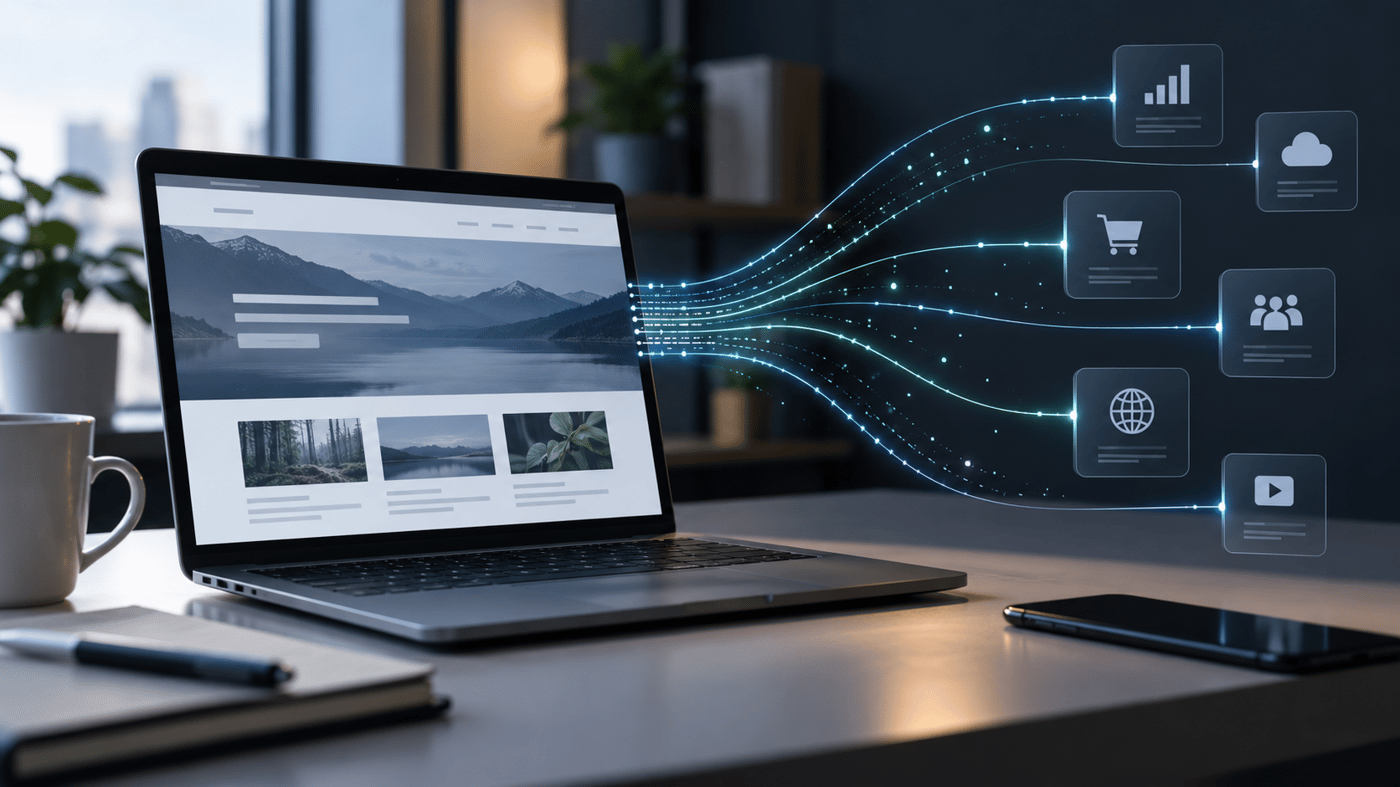
The privacy question is not only which trackers are installed, but what data actually leaves the browser and where it goes.
A website can load correctly, display a privacy banner, and still send data to third parties before the visitor makes a choice. That is the gap many privacy reviews miss.
Most audits start with configuration: which tags, pixels, SDKs, chat tools, analytics services, or consent platforms are installed. That inventory matters. But it does not answer the harder questions: what information actually left the browser, when it left, which domain received it, whether the visitor had accepted or rejected tracking, and whether the first recipient passed data onward.
Those details matter because privacy exposure follows the data flow, not the label on the tag.
What can a website send before consent?
The answer is broader than cookies. Depending on the site and the tool, a browser request can carry identifiers, page context, event data, and technical metadata before a user has interacted with a consent banner.
Data in a request
Why it matters
IP address
Network address exposed as the browser connects to a server
Cookie or device identifier
A value that can recognize a browser or device across requests
Page URL and referrer
The page being viewed and, sometimes, where the visit came from
Account or user ID
An identifier tied to a logged-in or recognized visitor
Event data
Page view, click, purchase, search, signup, or other interaction
Form-related data
Values or events associated with forms, depending on implementation
Browser and device details
Browser type, language, device characteristics, and similar metadata
Destination
The third-party domain or endpoint receiving the request
The Federal Trade Commission has described tracking pixels as technology that can send information about page interactions, purchases, clicks, and information entered into forms. In the FTC’s GoodRx complaint, the agency alleged that third-party tracking tools sent data that could include contact information, persistent identifiers, location information, and event data. FTC technical explanation | GoodRx complaint
A useful distinction
A tag tells you what technology is present. A network request tells you what actually happened.
Why a tag inventory is not proof of website behavior
Imagine two sites with the same advertising pixel installed. On one site, the pixel stays blocked until the visitor opts in. On the other, it fires on page load and continues after rejection. The inventory is identical. The behavior is not.
That is why a scanner that only lists cookies, scripts, or vendors can miss the core issue. Data can move through network requests, APIs, local storage, URL parameters, server-side integrations, tag-manager changes, and other mechanisms. The meaningful question is whether the site can reconstruct the transfer itself.
The FTC made the same practical point in its 2024 complaint against Monument. Among other allegations, the agency said the company failed to conduct tests to determine what data was transferred to third parties through tracking technologies. FTC v. Monument complaint

A request-level review looks at actual browser traffic, not only the list of scripts or vendors installed on the page.
Why consent timing changes the investigation
Website tracking should be tested as a sequence, not a screenshot. A simple session can move through several privacy states within seconds:
The page loads.
Scripts initialize.
The consent interface appears.
The visitor accepts, rejects, or ignores it.
A browser-level opt-out preference signal may also be present.
Requests continue as the visitor clicks, logs in, searches, purchases, or submits a form.
The same request can mean something very different depending on where it falls in that sequence. If a consent platform records “rejected” while an advertising request keeps firing, the interface and the underlying behavior are telling different stories.
California also requires covered businesses to honor qualifying opt-out preference signals, such as Global Privacy Control, as requests to opt out of sale or sharing. That creates another state worth testing: what changes in the network traffic when the signal is present? California Privacy Protection Agency FAQ
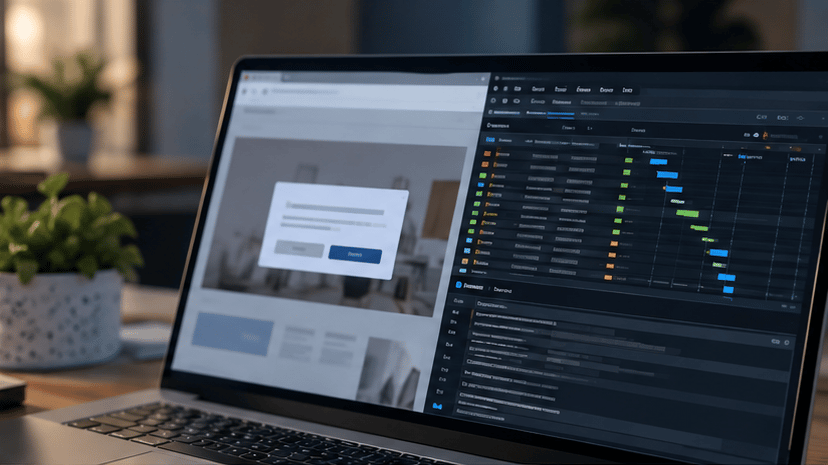
A consent banner and the browser network log should be tested together. The interface shows the choice; the traffic shows the result.
What do pen-register claims have to do with website tracking?
A pen register is a legal term for a device or process that records or decodes dialing, routing, addressing, or signaling information from a wire or electronic communication, without capturing the contents of the communication. California uses that formulation in Penal Code § 638.50. Federal law uses a closely related definition in 18 U.S.C. § 3127. California Penal Code § 638.50 | 18 U.S.C. § 3127
California Penal Code § 638.51 generally bars a person from installing or using a pen register or trap-and-trace device without a court order, subject to listed exceptions for electronic or wire communication providers, including when user consent has been obtained. California Penal Code § 638.51
Plaintiffs have applied that language to modern web tracking by arguing that certain pixels, scripts, or similar processes collect routing, addressing, or signaling information from a visitor’s device. Whether a particular implementation fits the statute is a legal question. But the factual questions underneath it are technical:
What request actually fired?
What identifiers or metadata were transmitted?
Which endpoint received the request?
Did the transfer occur before or after a consent state was established?
Was the information limited to addressing/signaling data, or did the request contain content as well?
Can the site reproduce and document the behavior?
Legal status note: September 21, 2026
California SB 690 has passed the Legislature and was presented to the Governor on September 4, 2026. The enrolled text would limit private § 638.51 website, online-application, and mobile-application actions under § 637.2 so that only the Attorney General could bring them. As of the date checked, the official status still lists the bill as enrolled and with the Governor; it has not yet become law.
Official SB 690 status | Enrolled bill text
The solution found: technical evidence
While researching how a company could investigate this kind of allegation, I found Melurna’s guide to website tracking. What stood out was the narrower claim it makes: not that software can decide whether a tracker is legally a pen register, but that the technical behavior behind the allegation can be observed and preserved.
Melurna says its platform performs recurring observations of browser and application traffic and captures requests, responses, cookies, headers, query parameters, destinations, timing, and interaction context. Its insurance materials separately describe preserving time-bounded records of observable data movement, consent behavior, recipients, and policy drift to support claims triage and investigation “without asserting legal conclusions.” Those are vendor claims, but the distinction is useful: counsel interprets the law; technical evidence establishes what the site actually did.
For a pen-register allegation, that means the useful output is not a label saying “legal” or “illegal.” It is a reproducible evidence set that can answer questions such as:
which tracker or process initiated the request;
what identifiers, parameters, headers, or other fields were present;
which recipient received the request;
what consent or preference state existed at the time;
whether the behavior changed across later observations; and
whether data moved beyond the first recipient to additional parties.
That is a stronger way to position the use case. Melurna is not a substitute for legal counsel. It is a way to monitor the technical conditions that can create, support, or rebut a tracking-related claim.
Vendor references: Melurna platform · Melurna insurance/claims context

The investigation becomes more useful when it follows the request beyond the first visible tag to the recipients and downstream relationships around it.
Why the first recipient may not be the end of the data journey
Privacy reviews often describe a flow as “website to analytics provider” or “website to advertising platform.” That can be too simple. A first-party page can invoke a tag manager, which loads another service, which resolves an identity or calls another endpoint. A vendor can also change its own integrations without the website owner adding a new visible tag.
That does not automatically create liability. It does create an evidence problem. If a business cannot identify the recipients involved, it cannot reliably compare actual data movement with contracts, disclosures, consent choices, or risk assessments.

A privacy review should identify destinations and relationships, not stop at the name of the first tag that fired.
What should a useful website tracking audit capture?
A useful audit should produce evidence that another person can review later. At minimum, it should answer seven questions.
1. What left the browser?
Capture the actual outbound request or transfer, not only the tag name.
2. What information was included?
Record identifiers, parameters, headers, URL data, event fields, and other transmitted values that matter to the review.
3. Who received it?
Resolve the destination domain or endpoint and the organization behind it where possible.
4. When did it happen?
Tie the request to page load, banner display, acceptance, rejection, opt-out preference signals, login, form submission, purchase, or other relevant events.
5. Did behavior match the visitor’s choice?
A consent record should correspond to the expected change in network behavior.
6. Did behavior match disclosures and contracts?
Compare observed flows with the privacy notice, vendor terms, data-processing agreements, and internal approvals.
7. Did the behavior change later?
Repeat observations so a new script, endpoint, identifier, or downstream recipient does not go unnoticed.
What evidence is worth preserving?
When a questionable flow appears, the best record is one that lets a reviewer reconstruct the event rather than rely on a screenshot or memory.
Evidence
Question it answers
Timestamp
When did the request occur?
Page and interaction
What was the visitor doing?
Consent or preference state
Had the visitor accepted, rejected, or sent an opt-out signal?
Destination and initiator
Who received the request and what caused it to fire?
Request fields
What data or metadata was transmitted?
Identifier context
Could the browser, device, account, or visitor be recognized?
Recipient chain
Did the data move beyond the first service?
Historical comparison
Is the behavior new, recurring, or changed?
What should happen when a tracking claim arrives?
The first response should be factual. Preserve the current site state before changing tags or consent settings. Reproduce the relevant pages and user states. Capture the requests. Identify the recipients. Compare the behavior with the allegation, privacy notice, consent records, and applicable contracts. Then give counsel the evidence needed to evaluate the legal theory.
That order matters. If the site is changed first and investigated later, the most useful evidence may disappear.
The operational rule
Do not start with “Which vendor is on the site?” Start with “What did the browser send, when, and to whom?”
Frequently asked questions
Can a website send data before a visitor clicks a consent banner?
Yes. Scripts and third-party requests can execute during page load. Whether that behavior is permitted depends on the data, purpose, applicable law, consent requirements, and configuration. The technical question is answered by observing the network traffic before any choice is made.
Is every tracking pixel a pen register?
No. A pixel or script should not be treated as a pen register merely because it tracks users. The legal analysis depends on the statute and the facts, including what the process records or decodes. California § 638.50 focuses on dialing, routing, addressing, or signaling information and excludes the contents of a communication from the pen-register definition.
Does a consent management platform prove that tracking stopped?
Not by itself. A consent platform can record a choice, but the underlying requests still need to be tested. A useful audit checks whether the browser’s behavior changed as expected after acceptance, rejection, or an opt-out preference signal.
How can a company investigate a pen-register website claim?
Preserve the relevant site state, reproduce the page and consent conditions, capture the network requests, identify the data fields and recipients, and document timing. Legal counsel can then evaluate the claim against the statute using evidence of what actually happened.
What is Melurna’s role in a pen-register investigation?
Melurna describes its role as technical evidence and monitoring rather than legal judgment. Its materials say it observes browser and application traffic, tracks recipients and consent behavior, and preserves evidence histories that can support claims triage without asserting legal conclusions.
Follow the request, not just the tag
A privacy banner can document a choice. A tag inventory can document a configuration. Neither, by itself, proves what happened to the data.
The durable control is request-level visibility: what left the browser, when it left, who received it, what privacy state existed at that moment, and whether the behavior changed later. That evidence is useful whether the issue becomes a pen-register allegation, a regulator inquiry, a contract review, or an internal privacy investigation.
For teams dealing with website tracking risk, the practical rule is simple: follow the request.
Primary sources and further reading
Legal and regulatory sources below were checked on September 21, 2026.
1. California Penal Code § 638.50: definitions of pen register and trap-and-trace device - California Legislature
2. California Penal Code § 638.51: prohibition and statutory exceptions - California Legislature
3. 18 U.S.C. Chapter 206, including §§ 3121 and 3127 - U.S. House Office of the Law Revision Counsel
4. SB 690 official status - California Legislature
5. SB 690 enrolled text - California Legislature
6. California Privacy Protection Agency FAQ: opt-out preference signals - California Privacy Protection Agency
7. Lurking Beneath the Surface: Hidden Impacts of Pixel Tracking - Federal Trade Commission
8. FTC complaint against GoodRx - Federal Trade Commission / U.S. District Court filing
9. FTC complaint against Monument - Federal Trade Commission / U.S. District Court filing
Melurna references (vendor materials): Pen register guide · Platform methodology · Claims context
Editorial/legal note: This article is general information, not legal advice. SB 690 is pending as of the legal-status date above and should be rechecked if publication occurs after September 21, 2026.


The software market now changes faster than many buying processes. smart stacks begin with workflows, ownership, interoperability, and measurable value. For businesses reviewing AI investments, the challenge is not finding options; it is identifying which products deserve serious evaluation.
A market built around abundance
AI-native vendors launch quickly while established platforms expand into adjacent workflows. Categories overlap, product claims sound similar, and feature information becomes outdated. Traditional search can reveal popular names, but it often leaves the buyer to assemble context manually.
Discovery is becoming contextual
AI-assisted discovery starts with a business problem. A buyer can describe the workflow, users, systems, budget, and constraints. The result can be a more relevant shortlist than a generic category ranking.
Context also exposes tradeoffs. A powerful platform may demand more implementation work, while a simple tool may deliver value quickly but lack governance or integration depth.
Curated marketplaces provide structure
Slate index can help buyers explore the AI software landscape through a more organized discovery experience. Useful curation explains who a product serves, what problem it addresses, and how it differs from nearby alternatives.
GTM Exchange shows why specialization matters for sales, marketing, revenue operations, and other go-to-market teams. Focused discovery reduces irrelevant choices and makes practitioner insight easier to apply.
Evaluation still requires evidence
A recommendation should begin evaluation, not end it. Buyers should confirm integrations, security, data handling, pricing, implementation effort, and measurable value. Realistic trials are more informative than polished demonstrations.
The main concern is duplicate tools and uncontrolled data access. Platforms can build trust by explaining recommendation logic, labeling sponsorship clearly, and making important claims easy to verify.
Better discovery improves stack quality
A disciplined process asks what the product replaces, who owns it, and how success will be measured. These questions reduce duplicate subscriptions and prevent experimental tools from becoming permanent costs without clear value.
Teams should also revisit decisions. Vendor capabilities, company requirements, and available alternatives all change.
What comes next
Over time, stack decisions will emphasize consolidation and continuous review. Search engines, review sites, communities, and vendor content will remain useful, but marketplaces can connect these sources into a clearer journey.
Human judgment remains essential. The best discovery systems will save time while helping buyers ask sharper questions, compare meaningful differences, and make decisions that fit the organization rather than the trend.
-
1The shift from simply finding AI tools to evaluating them in the context of a business workflow is important. For founders, interoperability, ownership, security, and measurable ROI should be considered alongside the technology itself. A smaller, well-integrated stack can often create more durable value than a collection of disconnected tools.

Comment