Hidden Stems
Understand your Bazi chart, Day Master, and Five Elements
I recently turned an internal Bazi / Four Pillars skill into a small paid website: https://hiddenstems.com/bazi
The technical loop was: Next.js, Stripe, Supabase, Vertex AI, Vercel, and a lot of debugging around payment states and report generation.
The surprising part was that Codex + CLI tools made the backend/deployment/payment work much less scary than last year.
The harder part was product UX.
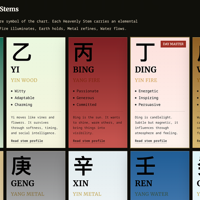
Bazi is not easy to explain to Western users. The chart has Chinese characters, Five Elements, luck cycles, Day Master, and a lot of cultural context. I kept realizing that “the feature works” is very different from “the user understands why this is worth paying for.”
I’m still improving the frontend and onboarding.
Would love feedback from other builders:
- Is the first screen clear enough?
- Do you understand what the free chart gives you?
- Does the paid report feel worth trying?
- Any advice for explaining a niche cultural product to a global audience?

2 Comments
I'd be careful treating this as an explanation problem too quickly.
The interesting question may not be whether users understand Bazi.
It may be what has to happen before they believe the report is worth paying for.
Those sound similar, but they can lead to very different conclusions about onboarding, positioning, and which feedback deserves the most attention.
I wouldn't make that call casually from the current signals.
Explaining something with a lot of cultural context is usually tougher than getting the tech working.
One thing that can help is showing a relatable outcome first, then introducing the concepts behind it later.
Have you noticed where people get confused first: the chart itself or why the report matters to them?