
Markleyo
Customer Support and Marketing Automation
AI chatbots can help you write content, answer questions, summarize documents, research topics, and complete everyday tasks in seconds. But the information you share with them can also create privacy risks if you are not careful.
A chatbot may process your prompts, uploaded files, account information, and other data depending on the service and its settings. Some platforms may retain conversations, use certain data for service improvement, or allow limited human review.
That does not mean you need to stop using AI chatbots. It means you should understand what information you are sharing and use the privacy controls available to you.
What Is AI Chatbot Privacy Protection?
AI chatbot privacy protection refers to the practices, settings, and security measures used to reduce the exposure of personal or confidential information when interacting with an AI chatbot.
This can include limiting the information you enter, removing sensitive details from documents, controlling conversation history, reviewing data retention policies, disabling training or memory features when available, and choosing platforms with appropriate privacy protections.
The exact controls vary between providers, products, and account types, so you should always check the privacy settings and terms for the chatbot you use.
Why Does AI Chatbot Privacy Matter?
Chatbots can receive much more information than users realize.
A simple prompt might contain a person's name, email address, phone number, location, financial information, business documents, customer records, or internal company information.
Once information is submitted, how it is handled depends on the provider's policies and technical setup. Data may be stored for a certain period, processed by third-party services, used for specific purposes, or reviewed under defined circumstances.
The biggest privacy mistake is assuming that a chat window works like a private notebook.
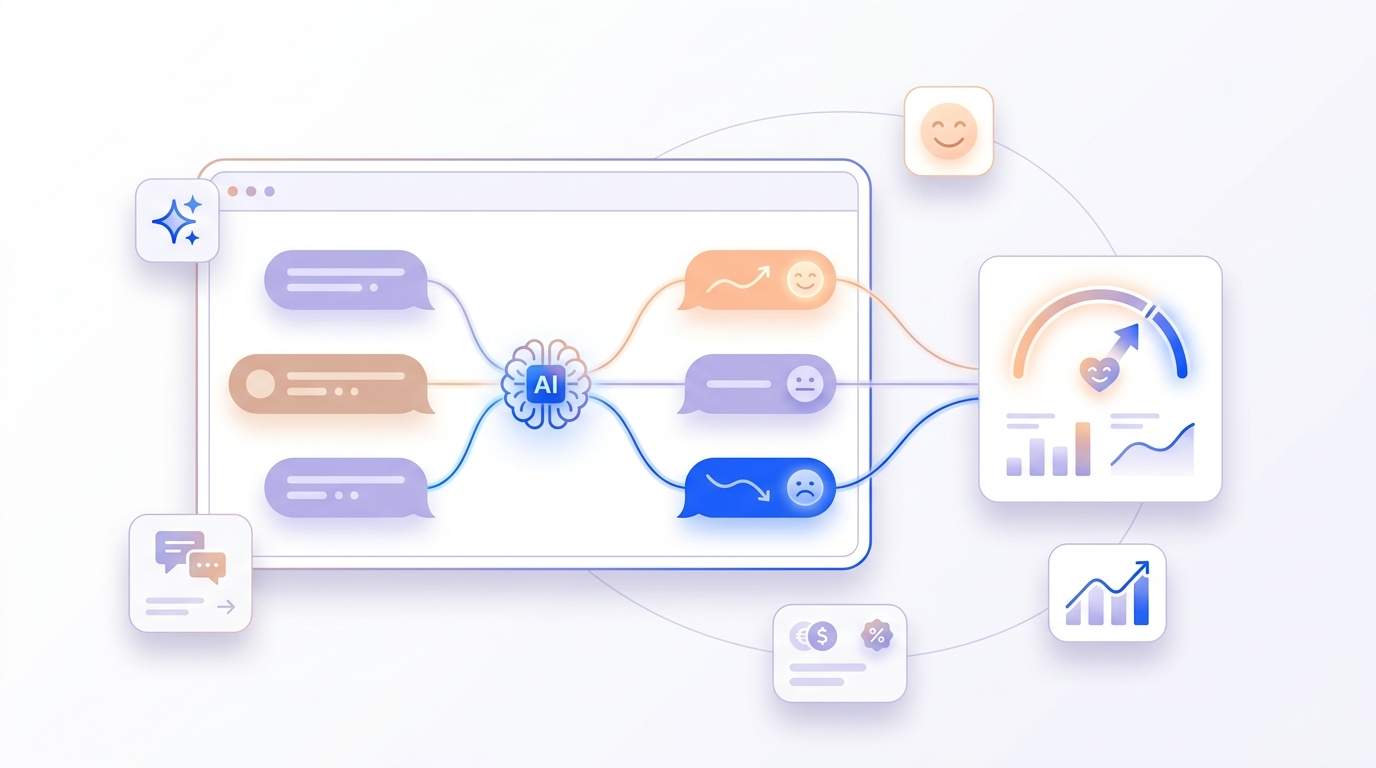
Before sharing information, consider whether the chatbot actually needs that information to complete the task.
What Information Should You Avoid Sharing With AI Chatbots?
Avoid entering highly sensitive information unless you have confirmed that the service is specifically designed and approved for that type of data.
This can include passwords, full payment card numbers, government identification numbers, private medical records, confidential customer information, security credentials, and sensitive business documents.
You can often complete the same task without revealing the actual identifying information.
For example, instead of asking an AI chatbot to rewrite a message containing a customer's full name and account number, replace those details with placeholders such as "[Customer Name]" and "[Account Number]."
The chatbot can still improve the writing without receiving unnecessary personal information.
How Does Data Minimization Protect Your Privacy?
Data minimization means sharing only the information required to complete the task.
Suppose you want an AI chatbot to summarize a contract. You may not need to provide every page containing names, addresses, signatures, and account details. If only one section is relevant, provide that section instead.
The less sensitive information you provide, the less sensitive information can potentially be stored, processed, or exposed.
This is one of the simplest privacy practices because it does not depend on complicated technical settings.
How Should You Redact Information Before Using an AI Chatbot?
Redaction means removing or replacing information that could identify a person or expose confidential data.
You can replace names with roles, remove phone numbers, hide account numbers, and remove exact addresses when they are not necessary.
For example, instead of:
"John Smith from 42 Main Street needs help with account 784521."
You could write:
"A customer needs help with their account."
The AI can still help you create a response while receiving significantly less personal information.
Do AI Chatbots Store Your Conversations?
Many AI chatbot services can store conversation data, but the exact retention period and usage depend on the provider, product, plan, and settings.
Some services provide temporary chat options, history controls, deletion tools, or different retention policies for business accounts.
Enterprise products may also provide additional controls around data processing, access, retention, and auditing.
Never assume that deleting a conversation from the interface means every associated copy has immediately disappeared. Review the provider's current privacy documentation if the information is sensitive.
Are AI Chatbot Conversations Used for Training?
It depends on the chatbot and account type.
Some consumer AI services may use conversations to improve their systems under certain conditions, while some products offer settings that allow users to opt out. Business and enterprise offerings may have different commitments regarding the use of customer inputs for model training.
Before entering confidential information, check whether your prompts and uploaded files can be used for training and whether your account provides a way to disable that use.
Can Humans See AI Chatbot Conversations?
Depending on the service, certain conversations may be reviewed by authorized personnel for purposes such as safety, abuse prevention, quality improvement, or troubleshooting.
This is another reason to avoid putting sensitive information into a chatbot unless you understand the provider's data handling practices.
If a task can be completed without personal or confidential information, removing those details is usually the safer approach.
How Can You Check an AI Chatbot's Privacy Policy?
A privacy policy can be long, but there are several questions worth answering before using a chatbot for sensitive work.
Find out what information the service collects, how long conversations are retained, whether prompts are used for training, whether humans can review conversations, where data is processed or stored, and whether third-party services receive the information.
You should also check whether you can delete conversations, disable history, opt out of training, or control connected integrations.
If the answers are unclear, avoid entering sensitive information until you have a better understanding of the service.
How Do AI Chatbot Privacy Settings Improve Security?
Privacy settings can reduce the amount of information retained or reused by a chatbot.
Depending on the platform, you may find controls for conversation history, training, memory, personalization, connected applications, and account access.
Using multi-factor authentication can also protect your account from unauthorized access.
Review these settings regularly because providers can change features, defaults, and policies over time.
What Is the Difference Between Consumer and Enterprise AI Chatbots?
Consumer and enterprise AI services can have different privacy controls and contractual protections.
Businesses handling customer or confidential company information should consider an approved enterprise solution with appropriate access controls, retention policies, security measures, and data processing agreements.
Enterprise environments may also provide administrative controls that are not available on consumer plans.
The right choice depends on the type of information being processed and the organization's legal, security, and compliance requirements.
How Can Businesses Protect Customer Data in AI Chatbots?
Businesses should establish clear rules for what employees can and cannot enter into AI tools.
Customer support teams, for example, can use ticket numbers instead of full payment details. Marketing teams can remove personal information before asking AI to analyze customer feedback.
Companies should also control who can access AI tools, review connected applications, establish retention policies, and train employees on data handling.
Privacy protection should be part of the workflow rather than something added after a problem occurs.
How Does AI Chatbot Privacy Apply to Healthcare and Finance?
Healthcare, finance, education, and other regulated industries require additional care because they may process highly sensitive information.
Organizations working with regulated data should use systems and configurations that meet their applicable legal, contractual, and security requirements.
A general consumer chatbot should not automatically be treated as an appropriate environment for protected health records, financial records, student information, or other regulated data.
Before using AI in these environments, organizations should involve the appropriate security, legal, compliance, and IT teams.
Are Local AI Models More Private?
Local or on-device AI models can provide additional privacy because processing can happen within a user's own environment rather than sending every prompt to a remote cloud service.
However, local AI does not automatically guarantee complete privacy.
The security of the device, software, network, storage, access controls, and model itself still matters.
Cloud AI can also provide strong privacy protections when configured correctly, particularly in managed enterprise environments.
The important question is not simply whether a model is local or cloud-based. It is how the complete system handles your data.
How Can You Use AI Chatbots More Safely?
Start by sharing less information.
Remove names, addresses, account numbers, passwords, and other identifiers when they are not required. Use temporary or private conversation modes when appropriate. Review training and memory settings. Limit unnecessary integrations and device permissions.
For business use, use approved tools and establish clear policies for employees.
Most importantly, treat an AI chatbot like an external service rather than assuming that everything entered into it is automatically private.
How Can Markleyo Help With AI-Powered Customer Communication?
Markleyo provides AI-powered tools for businesses that want to automate customer conversations and marketing workflows.
When businesses use AI for customer communication, privacy should be considered alongside automation and convenience. Customer data should be handled according to the organization's requirements, and teams should avoid placing unnecessary sensitive information into automated workflows.
The right setup can help businesses use AI for customer engagement while maintaining appropriate controls around the information being processed.
What Is the Future of AI Chatbot Privacy?
As AI becomes more integrated into customer service, marketing, productivity, and business operations, privacy controls will become increasingly important.
Users will expect clearer explanations about how their data is collected and used. Businesses will need stronger governance around AI tools, and providers will continue developing controls for retention, access, training, and data processing.
Privacy will not be a single setting that users enable once. It will require ongoing attention as AI products, features, regulations, and business use cases change.
Final Thoughts
AI chatbots can provide significant value, but convenience should not come at the expense of unnecessary data exposure.
The safest approach is straightforward: share only what is necessary, remove sensitive information whenever possible, understand the chatbot's privacy policy, review available settings, and use business-grade protections when handling confidential or regulated data.
You do not need to avoid AI. You simply need to use it with the same care you would apply to any other online service that processes your information.
Frequently Asked Questions
Are AI chatbots private?
AI chatbot privacy depends on the provider, product, account type, settings, and how conversations are handled. Check the service's current privacy policy and available data controls before sharing sensitive information.
Can AI chatbots see my personal information?
An AI chatbot can process whatever personal information you provide through prompts, files, integrations, or other features. Avoid sharing information that is not necessary for the task.
Should I share confidential business information with an AI chatbot?
Only use an AI service that your organization has approved for confidential information and whose data handling practices meet your security and contractual requirements.
How can I protect my privacy when using AI?
Share less information, redact sensitive details, review training and retention settings, use temporary chat features when available, protect your account, and avoid unnecessary integrations.
Does deleting an AI chat remove the data permanently?
Not necessarily. Data retention and deletion practices vary between providers and products. Review the provider's current privacy documentation to understand how deletion works.

Customers rarely follow a straight path from discovering a brand to making a purchase. They may see a social media post, visit a website, compare products, read reviews, ask a question, leave the site, and return days later.
Every one of these interactions shapes their experience with the brand.
Brand experience automation helps businesses manage these interactions more consistently. It connects customer data, content, workflows, and communication so customers receive relevant messages at the right time without requiring a team member to manage every step manually.
When implemented properly, automation can reduce delays, improve customer experiences, support conversions, and create more opportunities for repeat purchases.
What Is Brand Experience Automation?
Brand experience automation is the use of technology to automate customer interactions while maintaining a consistent brand identity.
It can connect different parts of the customer journey, including social media, websites, email, chat, customer support, sales, and post-purchase communication.
For example, imagine someone visits a product page but leaves without buying. An automated system can recognize that behavior and trigger a relevant follow-up message. If the customer later asks a question through a chatbot, the system can use that interaction to adjust the next communication.
The goal is not simply to send more messages. The goal is to make each interaction more relevant and consistent.
How Is Brand Experience Automation Different From Marketing Automation?
Marketing automation mainly focuses on automating marketing activities such as emails, lead nurturing, campaign management, segmentation, and reporting.
Brand experience automation takes a broader view. It focuses on how customers experience the brand throughout their entire journey.
Marketing automation may determine when an email should be sent. Brand experience automation considers what that email should communicate, how it should sound, and how it fits with the customer's previous interactions.
Both approaches can work together. Marketing automation helps businesses communicate at scale, while brand experience automation helps make those interactions feel connected.
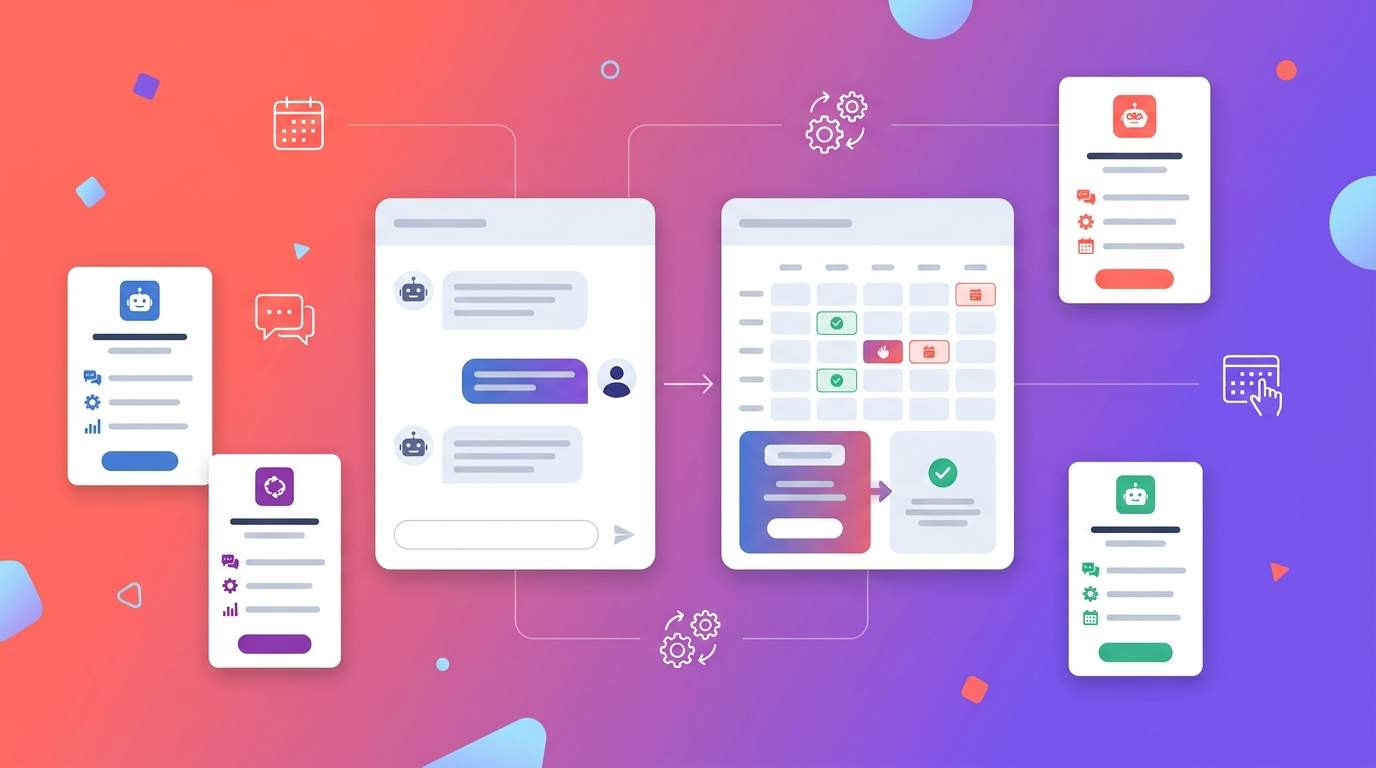
Why Does Brand Experience Matter for Sales?
A customer can lose interest because of a slow response, confusing information, inconsistent messaging, or a poor support experience.
When different channels provide conflicting information, customers may have to repeat themselves or search for answers on their own.
Automation can reduce these problems by connecting customer interactions and creating consistent workflows.
For example, a customer who has already received an answer through a chatbot should not receive another message asking the same question. Instead, the next interaction can move forward based on what the customer has already done.
This creates a smoother buying journey and reduces unnecessary friction.
How Does Brand Experience Automation Increase Conversions?
Automation can influence different stages of the customer journey.
At the awareness stage, businesses can use automated social publishing and content workflows to maintain a consistent presence.
During consideration, automated messages can provide relevant information based on customer behavior. Someone who repeatedly visits a pricing page may need a comparison, product demonstration, or answer to a common objection.
During checkout, automation can help recover abandoned carts, clarify product information, and provide timely assistance.
After the purchase, automated onboarding, support messages, product education, and review requests can help maintain the relationship.
The important part is that automation responds to customer behavior rather than treating every customer the same.
How Does Personalization Improve the Automated Brand Experience?
Personalization makes automation more useful because customers receive information that matches their situation.
A business can use permitted customer data such as previous purchases, website activity, stated preferences, and support interactions to create more relevant experiences.
For example, a customer who purchased a camera might receive information about compatible accessories rather than a generic promotion for every product in the store.
Personalization should still respect customer privacy. Businesses should clearly understand what data they collect, why they collect it, and how it is used.
How Does Omnichannel Automation Improve Customer Experience?
Customers move between channels throughout the buying process.
Someone may discover a company through Instagram, visit its website, contact support through live chat, and later receive an email.
Without connected systems, each channel can operate independently. This can create repetitive messages and inconsistent experiences.
Omnichannel automation connects these interactions.
If a customer has already responded to an email, the system can adjust future communication. If a support conversation resolves a product question, the next marketing message can focus on another relevant part of the buying journey.
The result is a more connected experience across channels.
How Can Automation Improve the Customer Journey?
The customer journey can be divided into several stages, from discovery to loyalty.
During discovery, automation can help distribute content and respond to engagement.
During evaluation, it can provide relevant educational content, product comparisons, reviews, and answers to common questions.
During purchase, automation can reduce friction with reminders, product information, and support.
After purchase, automated onboarding and educational content can help customers get more value from their purchase.
Later, businesses can use relevant follow-ups for cross-selling, upselling, reviews, and referrals.
Each stage can have different workflows, but the overall brand experience should remain consistent.
What Technology Is Used for Brand Experience Automation?
A brand experience automation system can include several technologies working together.
Customer relationship management platforms store customer and sales information. Marketing automation platforms manage campaigns and customer journeys. Customer data platforms can help organize customer information across different sources.
Chatbots and AI assistants can handle common questions and provide immediate support. Social media management tools can schedule content and help teams respond to conversations.
Workflow automation connects these systems and allows information to move between them.
The exact technology stack depends on the business, customer journey, existing systems, and automation goals.
How Can Businesses Start Automating Brand Experience?
Businesses do not need to automate everything at once.
A better starting point is identifying one part of the customer journey where delays or repetitive work are creating problems.
An ecommerce business might start with abandoned-cart recovery. A SaaS company might automate trial onboarding. A service business could automate lead follow-ups or appointment reminders.
Once the first workflow is working, the business can measure its performance and improve it before expanding automation to other customer journeys.
This approach reduces unnecessary complexity and makes it easier to identify what is actually producing value.
How Do You Build Brand Guidelines for Automation?
Automation can create consistency, but only when the rules are clearly defined.
Businesses should establish guidelines for tone, vocabulary, visual identity, messaging, customer communication, and situations where automated responses should not be used.
These guidelines can then be incorporated into templates, workflows, AI prompts, approval processes, and content systems.
Human review should remain available for sensitive, unusual, or high-value customer interactions.
The purpose of automation is not to make every interaction identical. It is to create a consistent foundation while allowing communication to adapt to individual situations.
How Should Businesses Measure Brand Experience Automation?
Automation should be measured against business and customer outcomes rather than the number of workflows created.
Businesses can monitor metrics such as conversion rate, response time, average order value, repeat purchases, customer retention, customer engagement, and qualified leads.
For example, if an automated abandoned-cart workflow increases completed purchases, that provides a clearer indication of value than simply knowing that the workflow sent thousands of messages.
Testing is also important. Businesses can compare customers who receive an automated experience with a suitable control group to understand whether the automation is actually changing results.
What Are the Risks of Brand Experience Automation?
Automation can create problems when businesses prioritize volume over relevance.
Sending too many messages can frustrate customers. Poorly configured workflows can send the wrong message at the wrong time. Generic AI-generated content can also make a brand sound less authentic.
Data quality is another challenge. If customer information is incomplete or incorrect, personalization can become inaccurate.
Privacy and security also need attention, particularly when automation systems process customer information.
For these reasons, automation should include clear rules, monitoring, testing, and human oversight.
How Can AI Improve Brand Experience Automation?
AI can make automated experiences more adaptive.
Instead of relying entirely on fixed rules, AI can help analyze customer behavior, classify questions, generate content variations, summarize conversations, and identify patterns.
An AI chatbot, for example, can answer common questions and transfer complex issues to a human agent. AI can also help marketers create different versions of content for different customer segments while keeping the overall brand voice consistent.
Human oversight remains important because AI-generated outputs can still be inaccurate, inappropriate, or inconsistent with the company's goals.
How Can Markleyo Support Brand Experience Automation?
Markleyo brings several marketing and customer communication workflows into one AI-powered platform.
Businesses can use AI for content creation, social media management, customer conversations, and automated follow-up workflows. This can help reduce repetitive manual work while maintaining a more consistent customer experience across marketing channels.
The practical advantage comes from connecting these activities instead of treating content, social communication, customer conversations, and follow-ups as completely separate tasks.
Businesses can still apply their own brand voice, review important interactions, and adjust workflows based on customer behavior and campaign results.
What Is the Future of Brand Experience Automation?
Brand experience automation is likely to become more connected as businesses combine AI, customer data, marketing systems, and customer support.
Instead of creating isolated automations for individual channels, companies can build connected customer journeys that respond to what people actually do.
AI can help identify intent, personalize communication, summarize interactions, and recommend the next action. Human teams can focus more on strategy, creative direction, complex customer situations, and relationship building.
The strongest systems will not simply automate more communication. They will make communication more useful.
Final Thoughts
Brand experience automation is about creating a connected customer journey while reducing unnecessary manual work.
When customer data, content, communication, and workflows work together, businesses can respond faster and deliver more consistent experiences.
The key is to start with a real customer problem, automate a focused workflow, measure the outcome, and improve it over time.
AI and automation can provide the speed and scale, but human strategy and creativity remain essential for building experiences that customers actually value.
Frequently Asked Questions
What is an example of brand experience automation?
An abandoned-cart workflow is a simple example. When a customer leaves products in their cart, an automated system can send a relevant reminder and provide useful information that addresses potential concerns.
How does brand experience automation increase sales?
It can reduce delays, provide relevant information, improve follow-up, and create more consistent interactions across the customer journey. These improvements can support conversions and repeat purchases.
Is brand experience automation the same as marketing automation?
No. Marketing automation primarily focuses on automating marketing activities and campaigns, while brand experience automation focuses more broadly on how customers experience the brand across different touchpoints.
Can small businesses use brand experience automation?
Yes. Small businesses can start with simple workflows such as lead follow-ups, appointment reminders, abandoned-cart messages, customer onboarding, or automated support.
Does brand experience automation replace human employees?
Not necessarily. Automation can handle repetitive tasks and common interactions while human employees focus on complex problems, strategy, creative work, and high-value customer relationships.
Customer expectations are changing quickly. People want fast answers, helpful communication, and support whenever they need it. Waiting hours for a response or repeating the same problem to multiple agents can quickly create a poor customer experience.
AI messaging bots are becoming an important part of how businesses communicate with customers. What started as simple automated chat systems has developed into more capable technology that can understand questions, personalize conversations, support sales, and connect with other marketing tools.
Creating content consistently is becoming harder for businesses. Customers expect useful information across blogs, social media, emails, ads, landing pages, and other channels. At the same time, marketing teams need to produce this content quickly without losing quality or consistency.
-
1
AI copywriting can really help teams ramp up their content creation by speeding up the drafting process and making it easier to repurpose content across different platforms. But let’s not forget—human review is still essential. It ensures accuracy, keeps our brand voice consistent, and maintains the quality we aim for.

AI has changed the way businesses create content. What once required hours of research, drafting, editing, and optimization can now be completed much faster with AI writing tools.
AI has changed the way businesses and creators produce social media content. It can help generate ideas, write captions, create visuals, analyze audience behavior, and speed up repetitive marketing tasks.
But using AI does not automatically make social media content effective.
People still want content that feels real, relatable, and connected to a brand's personality. When AI-generated posts become too generic, repetitive, or robotic, they can make audiences feel less connected to the brand.
The key is to use AI to support human creativity rather than replace it. With the right approach, businesses can use AI to create social media content that is faster to produce while still feeling authentic.
What Does Authentic Social Media Content Mean?
Authentic social media content feels genuine and reflects the real personality, values, and experiences of a brand or creator.
It does not necessarily mean that every post must be completely spontaneous or created without technology. Instead, authentic content communicates in a way that feels honest and consistent with what the audience expects from the brand.
Personal stories, real opinions, behind-the-scenes moments, useful advice, customer experiences, and original perspectives can all contribute to authenticity.
Why Does Authenticity Matter on Social Media?
Social media users see a huge amount of content every day. Generic promotional posts can quickly blend into the background.
Authentic content gives people a reason to pay attention because it feels more personal and meaningful.
When audiences believe a brand is genuine, they are more likely to trust its communication and develop a stronger relationship with it.
This makes authenticity important not only for engagement but also for long-term brand loyalty.
Can AI Create Authentic Social Media Content?
AI can help create authentic social media content, but it cannot define what authenticity means for a brand.
AI can generate ideas, drafts, captions, visuals, and variations of content. However, the human creator needs to provide the experiences, opinions, emotions, and brand perspective that make the content unique.
The strongest approach is to treat AI as a creative assistant.
Let AI handle repetitive or time-consuming tasks while humans remain responsible for the message, personality, and final creative decisions.
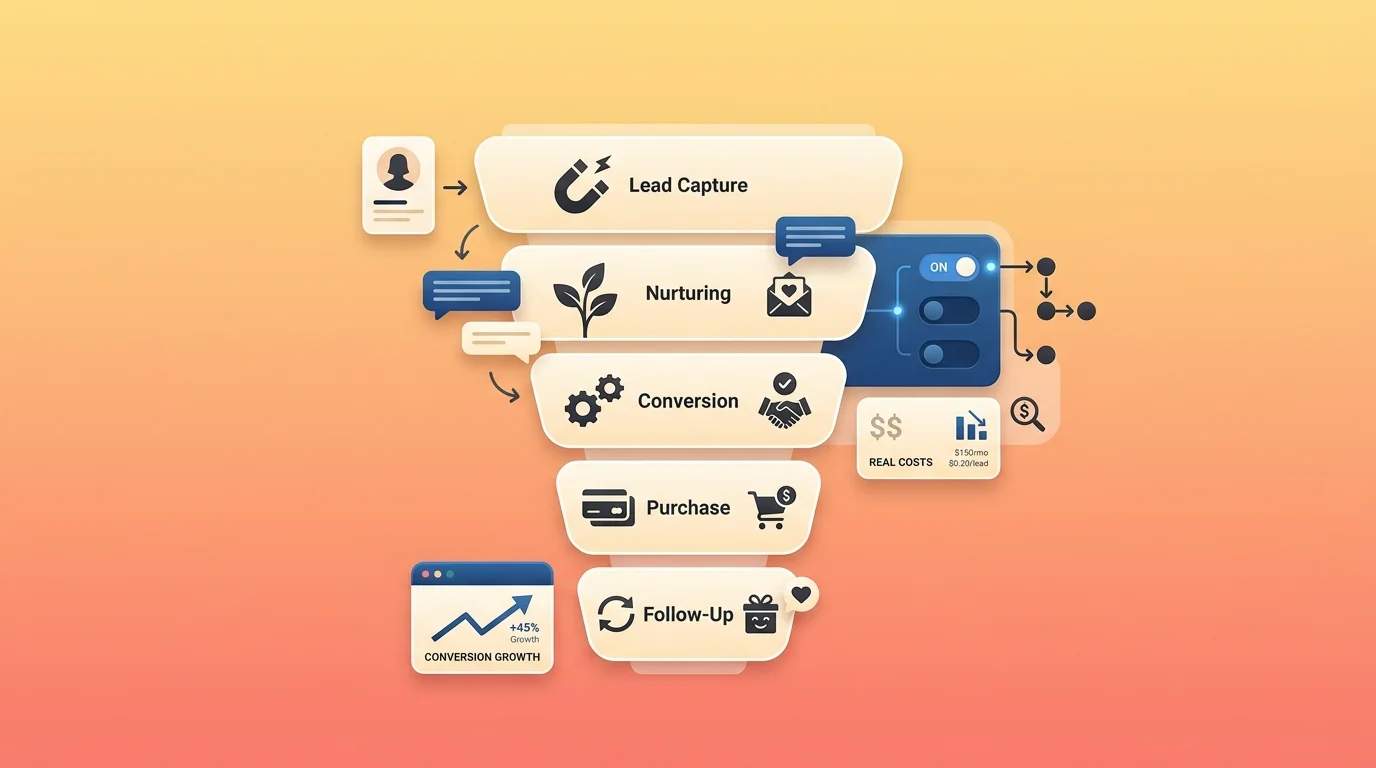
How Can AI Help With Social Media Content Ideas?
Coming up with fresh ideas consistently can be difficult.
AI can analyze topics, identify content angles, generate post ideas, and help transform one topic into multiple pieces of social media content.
For example, a single blog post could become a LinkedIn post, an Instagram caption, a short educational video script, and several discussion topics.
This allows marketers to get more value from existing ideas without repeatedly starting from scratch.
How Can You Give AI a Stronger Brand Voice?
The quality of AI-generated content depends heavily on the instructions and information provided to it.
Instead of asking AI to simply "write a social media post," give it information about your brand's personality, audience, tone, values, and communication style.
You can also provide examples of previous posts that represent the voice you want to maintain.
The more clearly your brand identity is defined, the easier it becomes to produce content that sounds consistent.
How Do You Make AI-Generated Content Sound Human?
AI-generated writing can sometimes feel predictable because it uses common phrases, repetitive structures, and overly polished language.
Human editing can make a major difference.
Replace generic statements with specific examples. Add personal experiences, opinions, humor, stories, or observations that reflect the real voice of the brand.
You should also remove unnecessary words and phrases that make the content sound artificial.
The goal is not to hide the use of AI. The goal is to make sure the final content communicates like a real person.
How Can AI Help Create Personalized Social Media Content?
Different audience groups may respond to different messages.
AI can help marketers adapt content based on audience interests, demographics, behavior, location, or stage in the customer journey.
A business could create different versions of a campaign for new prospects, existing customers, and loyal customers.
This makes it easier to deliver content that feels more relevant to each audience.
How Can AI Help With Social Media Visuals?
AI can also support the visual side of social media marketing.
Businesses can use AI-assisted tools to generate concepts, create images, develop design ideas, or adapt visuals for different platforms.
However, visuals should still follow the brand's established identity.
Consistent typography, imagery, layouts, and overall style can help audiences recognize a brand across different social platforms.
How Can You Add Real Experiences to AI Content?
Real experiences are one of the easiest ways to make AI-assisted content more authentic.
Instead of asking AI to invent a story, provide it with a real customer experience, business lesson, personal observation, or behind-the-scenes event.
AI can then help organize and present that information.
The experience remains human, while AI helps with the writing and formatting.
How Does Human-AI Collaboration Improve Content?
AI is good at processing information quickly and producing multiple content variations.
Humans are better at understanding emotions, personal experiences, cultural context, and the subtle details that make communication feel genuine.
Combining these strengths creates a more effective content workflow.
AI can handle research, brainstorming, drafting, repurposing, and optimization. Humans can provide strategy, creativity, personal perspective, and final approval.
How Can AI Help Maintain Consistency?
Posting consistently is important for maintaining an active social media presence.
AI can help businesses plan content calendars, generate variations, repurpose existing material, and prepare posts for different platforms.
This reduces the time required to manage repetitive content tasks.
Consistency should not mean publishing the same type of message repeatedly. AI should help maintain a reliable publishing process while the actual content continues to provide variety and value.
How Can AI Help With Social Media Engagement?
AI can analyze comments, messages, and engagement patterns to help businesses understand what their audiences care about.
It can identify common questions, recurring topics, and content that receives strong engagement.
These insights can then guide future content decisions.
AI can also assist with drafting responses to common questions, while human team members can handle conversations that require empathy, judgment, or a personal response.
Why Can Too Much AI Hurt Authenticity?
Using AI for every part of social media marketing can make content feel repetitive.
If multiple brands use similar AI tools and prompts, their posts may begin to sound alike.
Another problem occurs when AI creates content without meaningful human input. The result may be technically correct but lack personality, experience, and a unique point of view.
Automation should therefore support creativity rather than eliminate it.
How Can You Avoid Generic AI Social Media Posts?
Start with information that only your brand can provide.
Use real customer questions, internal insights, product experiences, original opinions, case studies, and industry observations as inputs for AI.
Avoid relying entirely on generic prompts.
After generating a draft, review it carefully and add details that make the content specific to your business and audience.
This creates content that is more distinctive and less likely to sound like everyone else's AI-generated posts.
Should You Tell Your Audience When AI Is Used?
Transparency can help maintain trust, particularly when AI plays a significant role in creating or modifying content.
Whether disclosure is necessary can depend on the type of content, platform, industry, and applicable rules.
More importantly, businesses should maintain human responsibility for the accuracy and quality of anything they publish.
AI should assist the content process, but the brand remains responsible for what it communicates.
How Can You Measure Authenticity on Social Media?
Authenticity can be difficult to measure with a single metric.
Engagement can provide useful signals, but likes and impressions alone do not explain whether audiences actually trust or relate to a brand.
Comments, shares, saves, direct messages, customer feedback, and qualitative audience responses can provide additional insight.
Businesses can also compare AI-assisted content with human-created content to determine which formats generate stronger reactions.
How Can Markleyo Help With AI-Powered Social Media Content?
Markleyo helps businesses use AI to streamline social media marketing and content workflows.
AI can assist with generating content ideas, creating social posts, adapting messages, and managing repetitive marketing tasks.
This gives marketers more time to focus on strategy and creative direction while using automation to improve efficiency.
The most effective approach is to combine these AI capabilities with a clearly defined brand voice and human review so the final content remains relevant and authentic.
What Is the Future of Authentic Social Media Content With AI?
AI will continue to become more deeply integrated into social media marketing.
As the technology improves, businesses will be able to create more personalized content, respond to audiences faster, and adapt campaigns using real-time insights.
At the same time, human creativity will become even more important.
When AI-generated content becomes common, unique experiences, strong opinions, original storytelling, and genuine brand personality can become the elements that help a business stand out.
The future of social media content is therefore unlikely to be completely human or completely automated. It will be a combination of intelligent technology and human creativity.
Final Thoughts
AI can make social media content creation faster, but speed should never come at the expense of authenticity.
The most effective strategy is to use AI for tasks such as brainstorming, drafting, personalization, repurposing, and analysis while keeping humans involved in strategy and creative decisions.
Give AI real information about your brand, add personal experiences and original opinions, review every important piece of content, and make sure the final message sounds like your business.
When used this way, AI becomes a tool for strengthening authentic communication rather than replacing the human element that makes social media valuable.
Frequently Asked Questions
How can AI help create authentic social media content?
AI can help with content ideas, captions, visuals, personalization, repurposing, and analysis. Human input adds the personality, experiences, opinions, and emotional depth that make content feel authentic.
Can AI-generated content sound human?
Yes. Providing AI with a clear brand voice, real experiences, specific examples, and detailed instructions can produce more natural content. Human editing can make the final version even stronger.
Does using AI make social media content less authentic?
Not necessarily. AI can support authenticity when it is used as a creative assistant. Problems usually occur when businesses publish generic AI content without adding their own perspective.
How can I make AI content unique?
Use real customer experiences, original opinions, company insights, specific examples, and your brand's unique voice as inputs. Then edit the AI-generated draft before publishing it.
Should humans review AI-generated social media posts?
Yes. Human review helps ensure that content is accurate, appropriate, consistent with the brand voice, and genuinely useful to the audience.
Can AI personalize social media content?
Yes. AI can help create different messages for different audience groups based on factors such as interests, behavior, demographics, and customer journey stage.
How does AI help social media marketers?
AI can reduce the time spent on brainstorming, drafting, repurposing, personalization, analysis, and other repetitive tasks. This allows marketers to focus more on strategy and creativity.
Customer support has changed significantly as businesses adopt artificial intelligence. Customers now expect quick answers, personalized interactions, and support whenever they need it.
AI makes this possible by helping businesses automate repetitive questions, understand customer intent, analyze conversations, and provide support across multiple channels. Instead of replacing every human interaction, AI can handle routine requests while allowing support teams to focus on more complex customer problems.
The impact of AI is not limited to one industry. Financial services, healthcare, retail, telecommunications, and other sectors are using AI to improve customer experiences and streamline support operations.
What Is AI-Powered Customer Support?
AI-powered customer support uses technologies such as machine learning, natural language processing, generative AI, and chatbots to help businesses communicate with customers.
Traditional support often requires customers to wait for an agent to become available. AI can respond instantly to common questions, guide customers through simple processes, and provide information based on the context of the conversation.
Modern AI systems can also understand natural language instead of relying only on predefined commands. This allows customers to communicate more naturally.
Why Is AI Important for Customer Support?
Customer support teams handle large numbers of questions every day. Many of these requests are repetitive, such as questions about pricing, order status, account information, returns, or basic troubleshooting.
AI can automate many of these interactions and provide consistent responses around the clock.
This helps businesses reduce waiting times while allowing human agents to spend more time solving complicated issues that require judgment, empathy, or detailed investigation.
How Does AI Improve Customer Support?
AI improves customer support by making interactions faster, more accessible, and more personalized.
An AI chatbot can answer common questions immediately instead of making customers wait in a queue. It can also use information from the conversation to provide more relevant answers.
AI can analyze customer interactions to identify recurring problems and common sources of frustration. Businesses can then use these insights to improve their products, services, and support processes.
How Is AI Transforming Customer Support in Financial Services?
Financial institutions deal with large volumes of customer questions involving accounts, transactions, payments, and financial products.
AI can help customers find information, understand basic services, and receive assistance without waiting for a human representative.
AI systems can also help identify unusual transaction patterns and support fraud detection workflows.
However, financial services require strong security and regulatory controls. Customer information must be handled carefully, and sensitive financial decisions should have appropriate human oversight.
How Is AI Changing Customer Support in Healthcare?
Healthcare organizations can use AI to improve access to basic information and administrative support.
AI chatbots can help patients find information, schedule appointments, answer common administrative questions, and guide them toward appropriate resources.
AI can also reduce the workload on administrative teams by handling repetitive requests.
However, healthcare requires additional caution because patient information is sensitive. AI systems should not be treated as a replacement for qualified medical professionals, particularly when a situation requires diagnosis, treatment, or urgent medical judgment.
How Is AI Transforming Retail and E-Commerce Support?
Retail and e-commerce businesses receive customer questions throughout the purchasing journey.
Customers may want to know whether a product is available, how much it costs, when an order will arrive, or how to return an item.
AI chatbots can provide immediate answers to many of these questions.
AI can also use customer preferences and purchase information to provide relevant product recommendations. This can create a more personalized shopping experience while reducing the workload for support teams.
How Does AI Improve E-Commerce Customer Experience?
Online shoppers often need help before completing a purchase.
An AI chatbot can answer product questions, explain features, compare options, and guide customers toward suitable products.
After a purchase, the same system can help with order tracking, delivery questions, returns, and other common requests.
This creates a more connected customer journey from product discovery to post-purchase support.

How Is AI Transforming Telecommunications and Utilities?
Telecommunications and utility companies often manage large customer bases and high volumes of support requests.
Customers may need help with billing, service plans, technical issues, account changes, or service interruptions.
AI can handle many routine requests and provide support in multiple languages.
AI can also analyze operational data to help businesses identify potential service problems and communicate with customers proactively.
This can reduce pressure on call centers while improving the speed of customer communication.
How Do AI Chatbots Support Multiple Industries?
Although each industry has different requirements, the basic role of an AI chatbot remains similar.
The chatbot communicates with customers, understands their questions, retrieves relevant information, and helps them complete specific tasks.
What changes is the knowledge and workflow behind the chatbot.
A retail chatbot may focus on products and orders, while a financial chatbot may focus on accounts and transactions. A healthcare chatbot may focus more heavily on appointments and administrative questions.
Industry-specific information allows the same underlying AI technology to support very different customer experiences.
How Does AI Personalize Customer Support?
Customers do not all have the same needs.
AI can use information from a conversation and, when properly integrated with business systems, relevant customer data to make interactions more personalized.
For example, a returning customer may not need to explain basic account information again. An e-commerce customer may receive recommendations based on their interests or previous interactions.
Personalization can make support more relevant while reducing unnecessary questions.
How Does AI Provide 24/7 Customer Support?
Human support teams usually work according to shifts and business hours.
AI systems can operate continuously, allowing customers to receive assistance outside normal working hours.
This is particularly useful for businesses serving customers across different time zones.
24/7 availability does not mean that AI must solve every problem independently. When a request requires human involvement, the chatbot can collect relevant information and transfer the conversation to an agent.
Can AI Replace Human Customer Support Agents?
AI can automate many routine support tasks, but completely replacing human agents is not the best approach for every situation.
Customers sometimes have complicated, emotional, or unusual problems that require human understanding and judgment.
AI is most effective when it works alongside human support teams.
The chatbot can handle repetitive questions while human agents focus on situations where empathy, creativity, negotiation, or deeper problem-solving is required.
How Does AI Reduce Customer Support Costs?
Support teams spend significant amounts of time answering repetitive questions.
Automating these interactions can reduce the number of requests that require direct human attention.
AI can also help agents work more efficiently by collecting information before an interaction is transferred to a human representative.
Instead of starting every conversation from the beginning, the agent can receive relevant context and focus immediately on the customer's problem.
How Does AI Improve Customer Satisfaction?
Customers generally value fast and useful support.
Long waiting times and repeated explanations can create frustration. AI can reduce these problems by providing immediate responses and maintaining conversational context.
When AI successfully resolves simple problems without requiring an agent, customers can get help faster.
However, speed alone is not enough. The information provided by AI must also be accurate, relevant, and easy to understand.
What Challenges Come With AI Customer Support?
AI customer support also introduces challenges.
Data privacy is one of the most important concerns because AI systems may process customer information.
Businesses must also consider accuracy. An incorrect AI response can create frustration and potentially cause serious problems in industries where information is sensitive.
AI systems may also reflect biases contained in their training data. Regular testing, monitoring, and human oversight are therefore important.
Another challenge is integration. Connecting AI with existing CRM systems, databases, websites, and business workflows can require technical planning.
How Can Businesses Implement AI Customer Support Successfully?
Businesses should begin by identifying the customer support problems they want AI to solve.
Simple, repetitive questions are often a good starting point because they can be automated without significantly changing the existing support process.
The chatbot should then be connected to accurate and relevant business information.
Businesses should monitor conversations after launch to identify incorrect answers, unanswered questions, and situations that require human intervention.
Gradually improving the system based on real customer interactions can produce better results than trying to automate everything immediately.
How Can Businesses Measure AI Customer Support Performance?
Businesses should measure AI performance according to their specific goals.
Customer satisfaction can show whether users are happy with the support they receive. Resolution rates can indicate how many problems are solved without human intervention.
Response time can show how quickly customers receive assistance, while escalation rates can reveal how often conversations need to be transferred to human agents.
Businesses can also monitor conversion rates, retention, support costs, and conversation completion depending on how AI is being used.
How Does Markleyo Help Businesses Use AI for Customer Support?
Markleyo helps businesses use AI-powered chatbots to automate customer interactions and improve engagement.
Businesses can use AI to answer customer questions, support lead generation, provide information, and automate repetitive conversations.
The goal is not simply to add a chatbot to a website. AI can become part of a broader customer support strategy that connects conversations with marketing and customer engagement workflows.
With the right setup, businesses can use AI to provide faster support while allowing human teams to focus on higher-value customer interactions.
What Is the Future of AI in Customer Support?
AI customer support will continue moving beyond basic question-and-answer chatbots.
Future systems will increasingly understand context, customer intent, conversation history, and business workflows.
AI will also become more closely connected with CRM platforms, e-commerce systems, knowledge bases, and other business tools.
This could allow AI assistants to do more than answer questions. They may help customers complete tasks, identify problems before customers report them, and proactively provide useful information.
However, human involvement will remain important for complex and sensitive situations.
Final Thoughts
AI is transforming customer support by making it faster, more scalable, and increasingly personalized.
From financial services and healthcare to retail, e-commerce, telecommunications, and utilities, businesses can use AI to automate routine interactions and provide customers with faster access to information.
The most effective approach is not to use AI as a complete replacement for human support.
Instead, businesses should combine AI automation with human expertise. AI can handle repetitive requests and provide 24/7 assistance, while human agents focus on complex problems that require empathy and judgment.
As AI technology continues to evolve, businesses that build this balance into their customer support strategy can create better experiences while making their support operations more efficient.
Frequently Asked Questions
How does AI improve customer support?
AI improves customer support by providing faster responses, automating repetitive questions, offering 24/7 assistance, and helping businesses personalize customer interactions.
Which industries benefit most from AI customer support?
Financial services, healthcare, retail, e-commerce, telecommunications, utilities, travel, and many other industries can benefit from AI-powered customer support.
Can AI completely replace customer service agents?
AI can automate many routine interactions, but human agents remain important for complex, sensitive, and emotionally demanding customer issues.
How does AI personalize customer support?
AI can analyze customer conversations and, when properly integrated with business systems, use relevant customer information to provide more personalized responses and recommendations.
What are the main challenges of AI customer support?
The main challenges include data privacy, response accuracy, security, bias, system integration, and maintaining appropriate human oversight.
How can businesses start using AI for customer support?
Businesses can start by identifying repetitive support tasks that are suitable for automation, implementing an AI chatbot, connecting it to reliable business information, and continuously monitoring its performance.
AI chatbots can answer questions, guide customers, generate leads, and automate support conversations. But launching a chatbot is only the beginning. Customer expectations change, business information gets updated, and new questions appear over time.
A chatbot that performs well today may not provide the same quality of responses months later.
Feedback loops help solve this problem by creating a continuous process for monitoring chatbot conversations, identifying weaknesses, collecting feedback, and improving future responses.
When businesses regularly analyze how customers interact with their AI chatbots, they can make the system more accurate, useful, and aligned with customer expectations.
What Is a Feedback Loop in AI Chatbots?
A feedback loop is a continuous process in which information from chatbot interactions is collected, analyzed, and used to improve the chatbot.
The process generally begins when customers interact with the chatbot. Their questions, responses, ratings, corrections, and conversation outcomes provide useful signals about how well the chatbot is performing.
Businesses can analyze these signals to identify problems such as unanswered questions, incorrect responses, confusing conversations, or frequent requests for human assistance.
The chatbot can then be updated based on these findings.
Over time, this creates a cycle of interaction, evaluation, improvement, and measurement.
Why Are Feedback Loops Important for AI Chatbots?
AI chatbots operate in real-world environments where customer questions are rarely identical.
Customers may use different words to ask the same question, introduce unexpected topics, or provide incomplete information.
A chatbot that has not been regularly reviewed may struggle with these situations.
Feedback loops help businesses discover what is actually happening during customer conversations instead of relying only on assumptions.
This makes chatbot improvement an ongoing process rather than a one-time setup.
How Do Feedback Loops Improve Chatbot Accuracy?
Accuracy is one of the most important factors in chatbot performance.
If a chatbot repeatedly provides incorrect or incomplete answers, customers can quickly lose trust in it.
Feedback can reveal which questions are producing poor responses. Businesses can then update the chatbot's knowledge base, improve its instructions, or modify its conversation logic.
For example, if customers repeatedly ask about a newly introduced service and the chatbot provides outdated information, that pattern signals that the underlying knowledge needs to be updated.
How Can Customer Feedback Improve AI Chatbot Responses?
Direct customer feedback provides valuable information about whether a chatbot is actually solving problems.
A simple rating system can allow customers to indicate whether a response was helpful.
Written feedback can provide even more context by explaining what was missing or incorrect.
Businesses can review this feedback alongside the original conversations to understand why the chatbot failed and determine what needs to change.
How Do Negative Feedback Signals Help Improve Chatbots?
Negative feedback is not necessarily a sign that the entire chatbot is failing.
It can highlight specific areas that need improvement.
For example, customers may consistently give negative feedback after asking about pricing. This could indicate that the pricing information is unclear, outdated, or difficult for the chatbot to retrieve.
Similarly, frequent requests to speak with an agent may show that the chatbot is unable to handle a particular type of request effectively.
These patterns give businesses a starting point for targeted improvements.
How Does Conversation Analysis Create a Feedback Loop?
Customer conversations contain useful information even when customers do not explicitly provide a rating.
Businesses can analyze conversations to find repeated questions, failed responses, abandoned conversations, escalation requests, and topics that the chatbot frequently misunderstands.
This allows teams to discover problems that traditional feedback forms may not capture.
AI can also help analyze large volumes of conversations and identify recurring patterns faster than manual review.
How Can Businesses Identify Common Chatbot Failures?
A chatbot failure can happen when the system does not understand a customer's question, lacks the necessary information, gives an inappropriate answer, or cannot complete the requested action.
Tracking these failures over time helps businesses understand where the chatbot needs improvement.
For example, if many users ask the chatbot about a specific feature and the conversations repeatedly end with human escalation, that topic should become a priority for optimization.
How Do Feedback Loops Improve Customer Experience?
Customers generally want quick and useful answers.
When chatbot responses improve over time, customers can resolve more questions without unnecessary delays or repeated interactions.
A better chatbot can understand customer intent more accurately, provide clearer information, and guide users toward the appropriate next step.
This reduces friction throughout the customer journey.
How Can AI Help Analyze Chatbot Feedback?
Manually reviewing every chatbot conversation can become difficult as the number of interactions increases.
AI can help analyze conversations at scale by identifying common questions, recurring complaints, unsuccessful interactions, and frequently misunderstood topics.
It can also help categorize feedback and identify patterns across different customer groups.
This allows businesses to focus human attention on the areas where improvements are likely to have the greatest impact.
How Do Feedback Loops Improve Chatbot Personalization?
Customer feedback can reveal differences between audiences.
New customers may ask different questions from existing customers. Different industries may use the same product in different ways. Some customers may prefer detailed explanations, while others want short answers.
Analyzing these patterns can help businesses improve how their chatbot communicates with different users.
This can make automated conversations feel more relevant without requiring every interaction to be manually handled.
How Can Feedback Loops Improve Lead Generation Chatbots?
AI chatbots are often used to collect and qualify leads.
A feedback loop can help businesses determine whether the chatbot is asking the right questions, identifying qualified prospects, and moving users toward the desired conversion action.
If visitors frequently abandon the conversation after a particular question, that step may be creating unnecessary friction.
Businesses can test alternative wording, conversation flows, or calls to action and then compare the results.
How Do Feedback Loops Help Customer Support Chatbots?
Customer support chatbots can benefit significantly from continuous improvement.
Support teams can review conversations that required human intervention and determine why the chatbot could not resolve them.
If the same problem appears repeatedly, the business can improve the chatbot's knowledge or workflow so that it can handle similar requests in the future.
This can gradually increase the number of issues resolved automatically while allowing human agents to focus on more complex cases.
How Should Businesses Collect Chatbot Feedback?
Feedback collection should be simple enough that customers are willing to participate.
A business can ask whether a response was helpful, invite customers to explain what went wrong, or provide an option to request human assistance.
Feedback can also come from indirect signals such as conversation abandonment, repeated questions, agent transfers, and successful task completion.
Combining direct and behavioral feedback provides a more complete picture of chatbot performance.
What Metrics Should Businesses Track?
Businesses should measure chatbot performance according to the purpose of the system.
Response accuracy, conversation completion, customer satisfaction, escalation rates, response times, and successful resolutions can help evaluate customer support performance.
For sales and marketing chatbots, lead qualification, conversion rates, engagement, and completed actions may be more important.
Tracking these metrics over time makes it possible to determine whether changes to the chatbot are actually improving performance.
How Can Businesses Test Chatbot Improvements?
Making changes without measuring their impact can make chatbot optimization difficult.
Businesses can test different conversation flows, responses, prompts, calls to action, and knowledge sources to determine which approaches work better.
The results should be compared against previous performance rather than judged only by individual conversations.
This creates a more systematic approach to chatbot optimization.
What Is the Difference Between Feedback and Training?
Feedback and training are related but not identical.
Feedback provides information about how well the chatbot is performing and where problems exist.
Training or updating the system uses that information to improve its future behavior.
A feedback loop connects these two activities.
The business collects feedback, identifies a problem, makes an improvement, tests the result, and continues monitoring performance.
How Often Should AI Chatbots Be Improved?
There is no single schedule that works for every business.
High-volume chatbots may need more frequent reviews because they generate large amounts of new interaction data.
Businesses should also review their chatbot whenever products, pricing, policies, services, or customer processes change.
Regular monitoring helps prevent outdated information from remaining in the chatbot for long periods.
What Are the Challenges of Creating AI Chatbot Feedback Loops?
One challenge is determining which feedback is actually useful.
A single negative rating does not necessarily mean that a response was incorrect. Businesses need to look for patterns and consider the context of each interaction.
Another challenge is making sure improvements do not create new problems.
Changing one response may improve one type of conversation while negatively affecting another.
This is why chatbot optimization should involve testing and ongoing monitoring rather than making changes based on isolated examples.
How Can Businesses Build an Effective AI Chatbot Improvement Process?
An effective feedback process starts with clear performance goals.
Businesses should determine what success means for their chatbot and identify the metrics that reflect those goals.
They can then collect customer feedback and conversation data, identify recurring problems, prioritize the most important issues, and make targeted improvements.
After each update, performance should be monitored to determine whether the change produced the expected result.
This turns chatbot management into a continuous improvement process.
How Does Markleyo Help Improve AI Chatbot Performance?
Markleyo provides AI-powered chatbot solutions that help businesses automate customer conversations while improving engagement.
By analyzing customer interactions and using automation to support communication, businesses can create chatbot experiences that become more useful as they learn from real customer needs.
Feedback-driven optimization can help businesses identify common questions, improve responses, and create more effective customer journeys.
This allows AI chatbots to become an evolving part of a company's marketing and customer support strategy rather than a static automation tool.
What Is the Future of AI Chatbot Feedback Loops?
AI chatbot optimization will increasingly become an ongoing, data-driven process.
As businesses collect more conversation data, AI can help identify patterns faster and recommend areas for improvement.
Chatbots may increasingly monitor their own performance, identify uncertain responses, and flag conversations that require human review.
This can make feedback loops more efficient while keeping human oversight involved in important decisions.
Final Thoughts
AI chatbots should not be treated as finished products.
Customer questions change, business information evolves, and new use cases appear constantly. Feedback loops give businesses a structured way to understand these changes and continuously improve their chatbot experiences.
By collecting customer feedback, analyzing conversations, monitoring performance, testing improvements, and updating the chatbot regularly, businesses can make their AI systems more accurate and useful.
The most effective chatbot strategy is not simply to launch an AI assistant and leave it running.
It is to create a system that continuously learns from real interactions and improves over time.
FAQs About AI Chatbot Feedback Loops
What Is a Feedback Loop for an AI Chatbot?
A feedback loop is a continuous process of collecting information from chatbot interactions, analyzing performance, making improvements, and measuring the results.
Why Is Feedback Important for AI Chatbots?
Feedback helps businesses identify incorrect answers, confusing conversations, missing information, and areas where customers need better support.
How Can I Improve AI Chatbot Performance?
You can improve chatbot performance by analyzing conversations, collecting customer feedback, updating its knowledge, testing responses, and monitoring important performance metrics.
Can AI Analyze Chatbot Conversations?
Yes. AI can analyze large volumes of conversations to identify recurring questions, complaints, failed interactions, and other patterns that may be difficult to find manually.
What Should I Do With Negative Chatbot Feedback?
Negative feedback should be reviewed to identify recurring problems. Businesses can use these insights to update chatbot responses, knowledge, workflows, or escalation processes.
How Do Feedback Loops Improve Customer Satisfaction?
Feedback loops help businesses identify and fix problems in chatbot interactions. As responses become more accurate and useful, customers can receive faster and more effective assistance.
Can Feedback Loops Improve Chatbot Lead Generation?
Yes. Businesses can analyze where prospects abandon conversations, which questions create friction, and which chatbot interactions lead to conversions. These insights can be used to improve lead-generation workflows.
How Often Should I Review AI Chatbot Performance?
Chatbot performance should be monitored regularly, with more frequent reviews for high-volume systems. It should also be reviewed whenever important business information, products, services, or customer processes change.
The demand for AI-powered customer service solutions is growing because businesses want faster communication, lower costs, and better customer experiences.
Different platforms offer different features. Some focus on chatbot automation, while others provide complete customer service management systems.
Below are some of the leading AI customer support solutions businesses can consider in 2026.
Comment