
mushroomcheck
AI Mushroom Identifier – Spot Toxic Varieties Fast
Location: Discovery Park, Seattle
Date: 16-11-2025
Reporter: Emma Nelson
Photographer: Marcus Yam
——————————————————————————————————————————
Local Educator Narrowly Avoids Toxic Mushrooms in Discovery Park
SEATTLE — A 34-year-old Ballard elementary school teacher escaped a potentially fatal mistake while foraging for wild mushrooms in Discovery Park last weekend, a incident that public health officials say underscores the dangers of urban mushroom hunting—and the value of accessible identification resources.
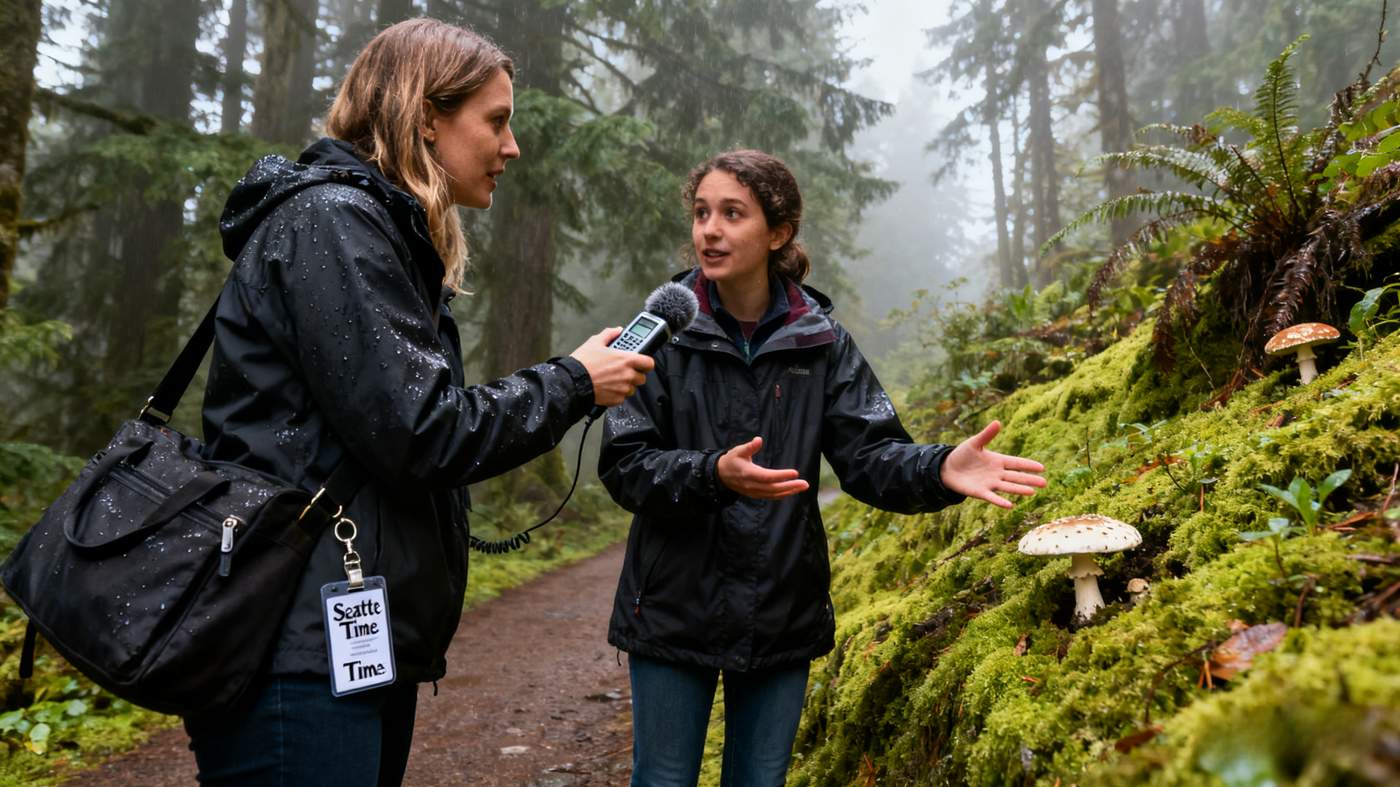
Lila Carter, a science teacher at Whittier Elementary, told The Seattle Times she’d spent weeks preparing for her first foraging trip, reviewing regional field guides and following Pacific Northwest foraging accounts on social media. “I teach ecosystems to fourth graders, so I thought I had a solid grasp of how to identify safe varieties,” she said, brushing rain from her waterproof jacket. “But the wet weather blurred all the details I’d memorized.”
Carter was knelt beside a cluster of golden chanterelles—her target species—when she noticed white-capped mushrooms sprouting from the moss at the base of a Douglas fir. “They had those scaly caps like the edible shaggy manes I’d seen photos of,” she recalled. “But their stems felt slimy, not firm, and the gills were thinner than the guidebooks described.”
A passing hiker, who identified himself as a retired mycologist, stopped her mid-reach. “Those are death caps—Amanita phalloides,” he warned. “One bite is enough to cause liver failure. Three people in King County died from them last year.”
Carter stepped back, her wicker basket still empty. “I felt cold all over,” she said. “I’d been so confident, but I was seconds from picking something deadly.”
Web Tool Confirms Risks, Validates Safe Finds
Flustered but cautious, Carter pulled out her smartphone and opened her browser. “A parent from my class had mentioned a mushroom identification website a few weeks ago,” she said. She typed in mushroomcheck.com and uploaded three photos of the white mushrooms: one of the cap, one of the gills, and a third of the bulbous base partially buried in soil.
Within 10 seconds, the site generated a detailed analysis. “Amanita phalloides (Death Cap) — Highly toxic. Contains alpha-amanitin, which causes irreversible organ damage. 4 confirmed sightings in Discovery Park in October 2024,” the screen read, alongside comparison images of edible lookalikes.
Relieved, she then uploaded photos of the golden chanterelles. The results reassured her: “Cantharellus cibarius (Common Chanterelle) — Non-toxic. Suitable for culinary use. Note: Distinguished from toxic false chanterelles by unforked gills and apricot scent.”
“I kept checking back as I foraged,” Carter said. “When I found oyster mushrooms on a downed log, the site even pulled up a local alert: ‘Toxic dry rot fungus reported 50 yards east—avoid adjacent growth.’ It felt like having a expert right there with me.”
Public Health Officials Stress Preventive Tools
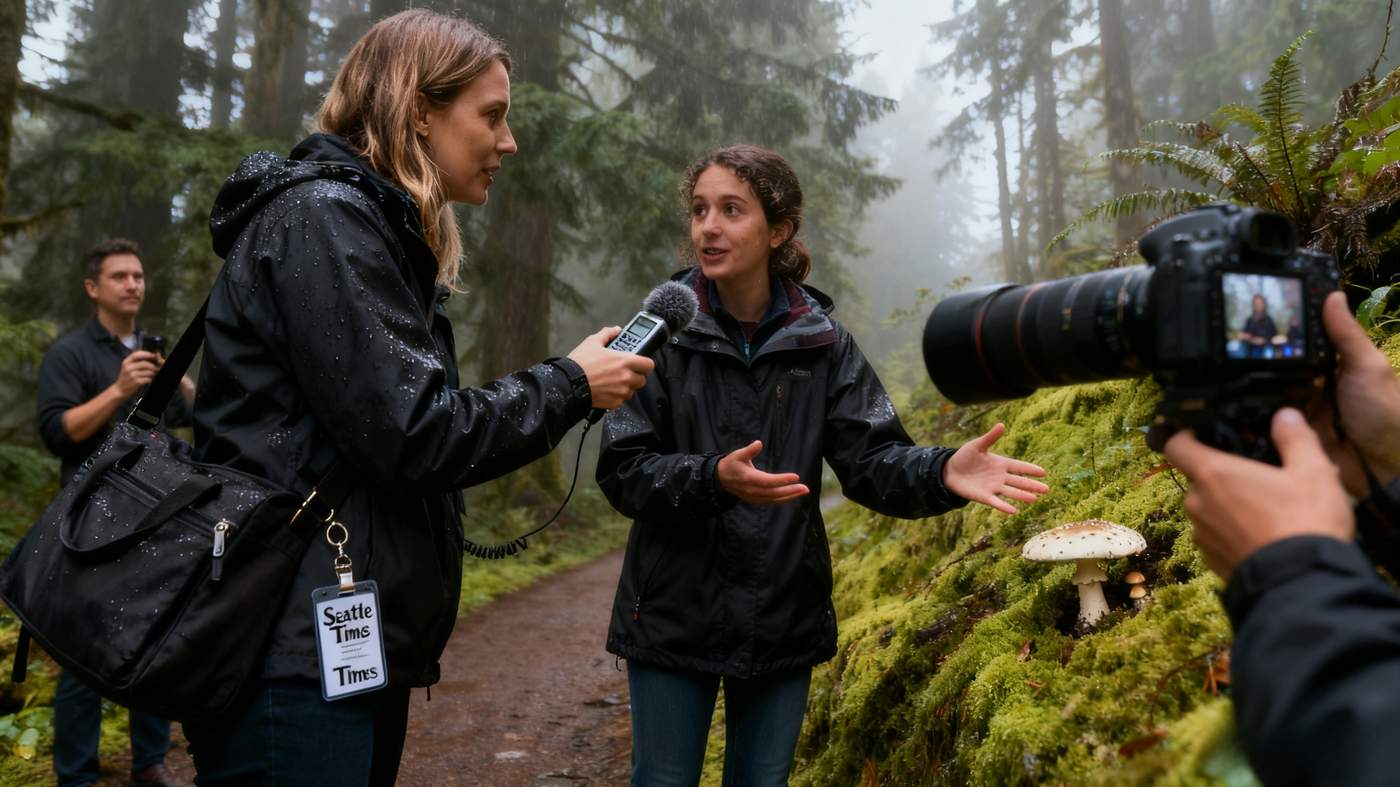
Seattle-King County Public Health has recorded 12 confirmed cases of wild mushroom poisoning in King County this year, including one fatality linked to death caps in early October.
“These aren’t isolated incidents,” said Sarah Chen, a spokesperson for the agency, during a Tuesday press briefing. “Urban green spaces like Discovery Park and Seward Park are seeing more foragers, and toxic species are thriving in our wet fall weather.”
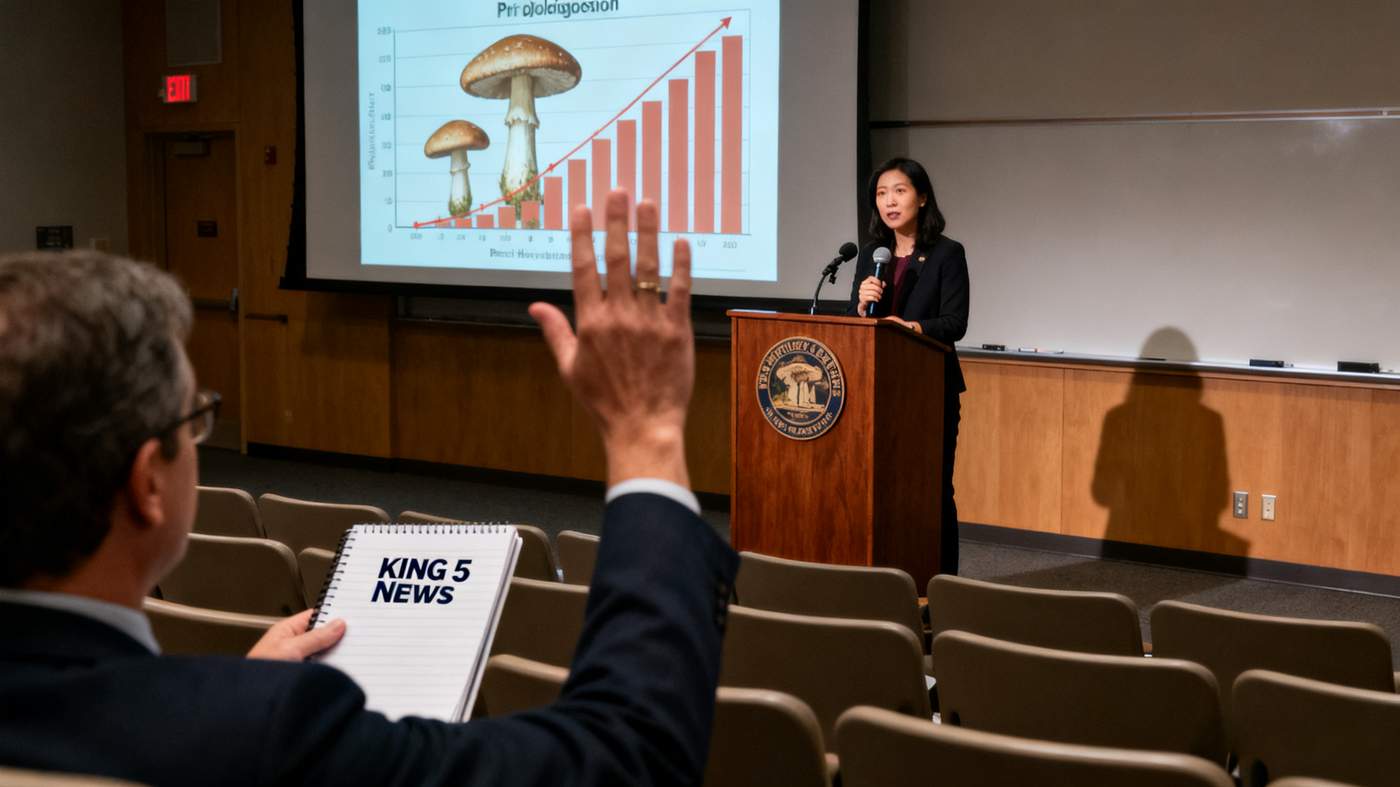
Chen highlighted resources like mushroomcheck.com as critical safety aids. “Field guides can’t account for weather-related changes in appearance, but real-time tools that integrate local sighting data fill that gap,” she explained. “Ms. Carter’s experience is exactly why we recommend pairing traditional knowledge with digital resources.”
Local mycologist Mark Henderson, who works with the University of Washington’s Burke Museum, echoed the sentiment. “Death caps and destroying angels look nearly identical to edible varieties,” he said. “Web-based tools that use computer vision to analyze multiple physical traits are far more reliable than memory alone.”
Safety Guidelines for Fall Foragers
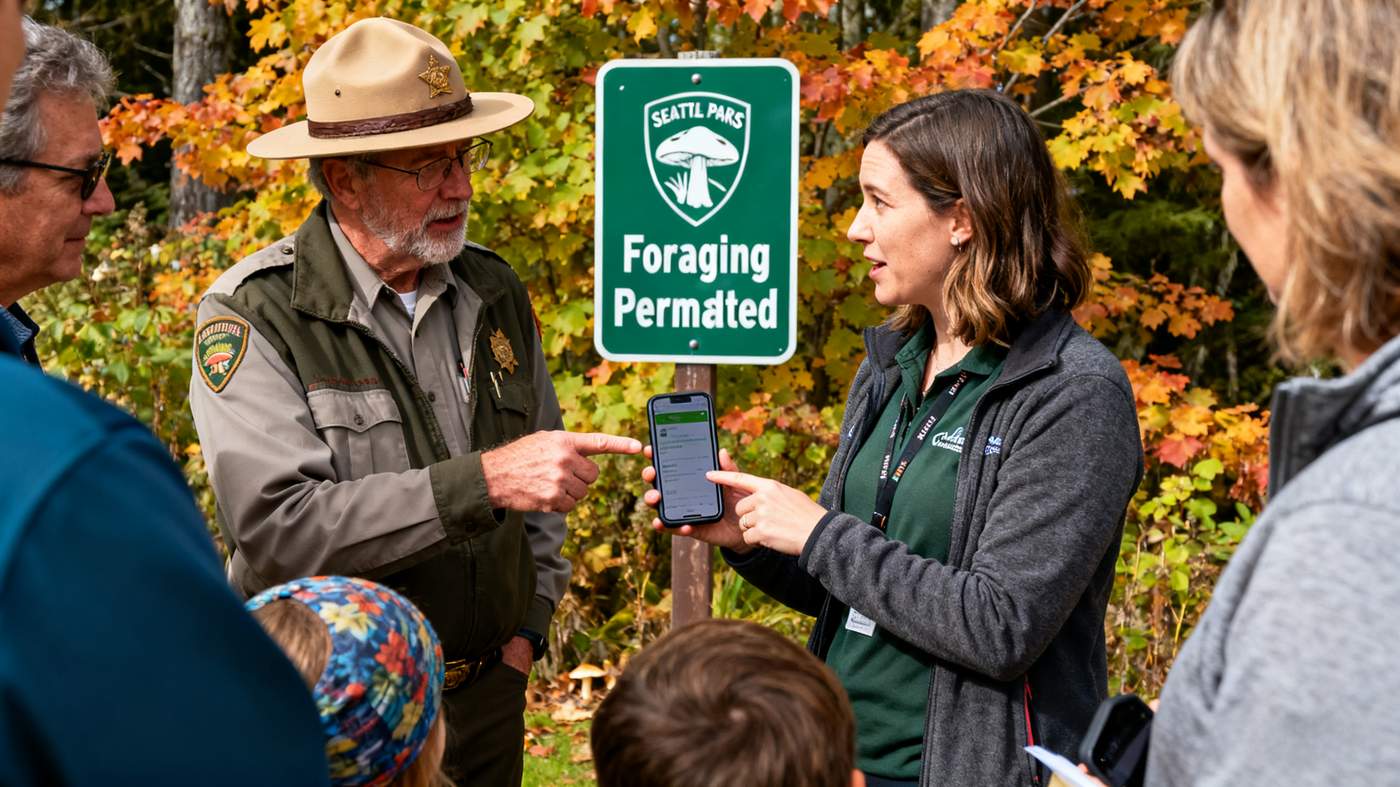
Seattle Parks and Recreation, which manages 485 acres of forested land in Discovery Park, has updated its foraging guidelines this month to include digital resource recommendations.
“Foraging is a wonderful way to engage with nature, but safety has to be the priority,” said Jessica Torres, the park’s natural resources coordinator. She outlined key practices for visitors:
Document thoroughly — Take photos of mushroom caps, gills, stems, and growing environment before touching.
Cross-verify — Use regional field guides and local identification websites like mushroomcheck.com.
Avoid solo foraging — Bring a companion and share your location with others.
Report sightings — Submit toxic mushroom locations to park staff or via community science portals.
Carter, who now shares her experience with her students, keeps a bookmark to mushroomcheck.com on her classroom tablet. “I tell the kids: curiosity is great, but verification saves lives,” she said. Last week, she guided a group of parents through the site during a “Nature Safety” workshop at her school.
For more information on safe foraging and to access mushroom identification resources, visit mushroomcheck.com

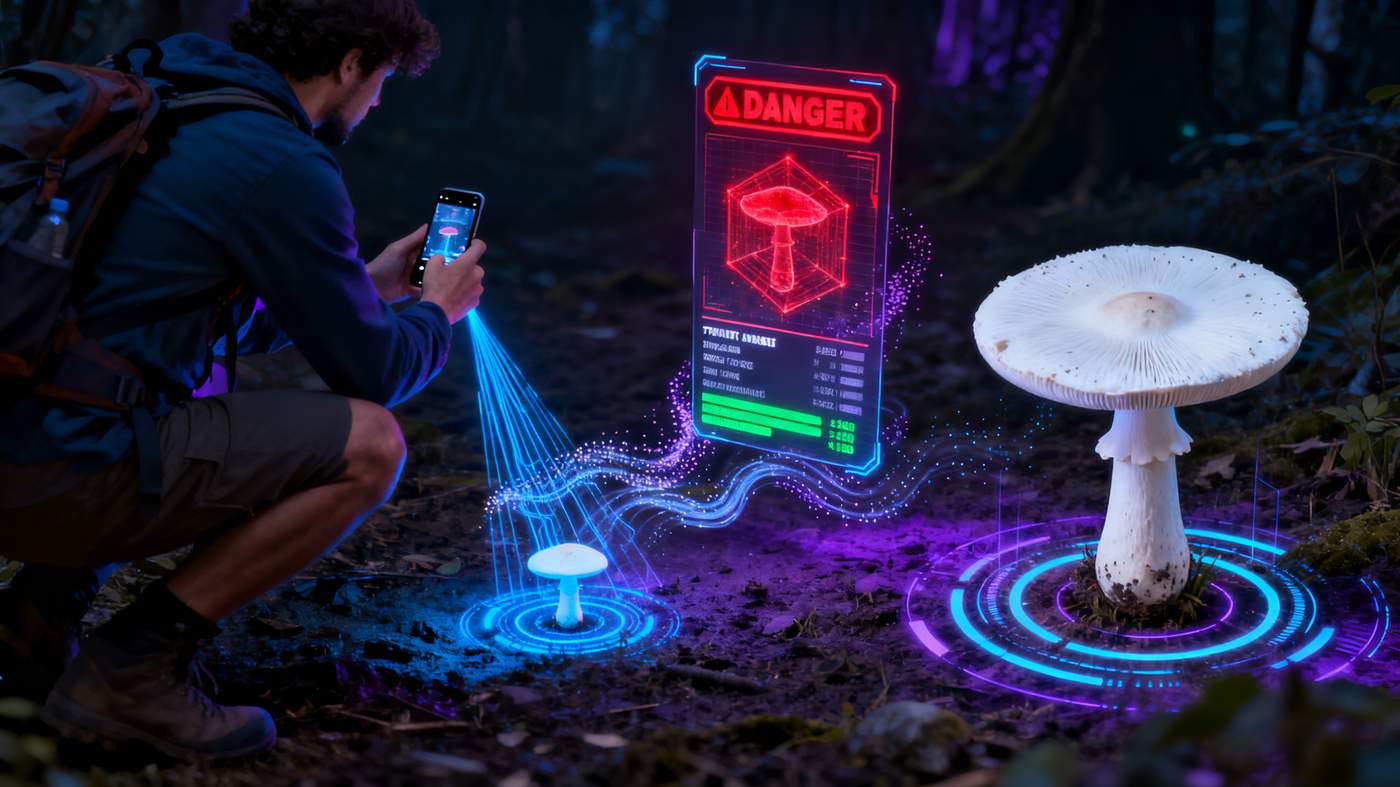
I. Development Motivation: Addressing the Safety Pain Point of "Difficult Mushroom Identification"
Wild mushroom enthusiasts, outdoor campers, and rural residents often struggle with "difficult mushroom identification": the market lacks convenient and accurate identification tools, making it easy to mistakenly pick toxic mushrooms based solely on experience, leading to frequent safety incidents. Moreover, professional mycologists are in short supply, leaving ordinary users unable to obtain authoritative guidance in a timely manner.
A field survey by our team showed that 80% of respondents had either given up on edible mushroom varieties or faced health risks due to misjudgment, all because they couldn’t confirm the safety of the mushrooms. This inspired us to develop a low-cost, easy-to-use AI tool to break down professional knowledge barriers, allowing ordinary people to identify mushrooms safely.
II. Development Experience: Breakthroughs from 18 Months of Data Collection and 23 Iterations
In the early stages of development, the core challenge was data construction. We collaborated with over 30 mycologists and spent 18 months collecting high-definition images of more than 1,200 mushroom species worldwide (covering different growth stages and multi-angle morphologies). We also labeled key information such as toxicity levels and toxin components to build an exclusive database.
The first test version only supported photo uploads for identification, with an accuracy rate of less than 75%. Based on user feedback—such as "inaccurate identification in poor outdoor lighting" and "lack of first-aid guidance"—we optimized the AI model (adding a multi-image comparison algorithm that supports identification of mushroom caps, gills, and stems from multiple angles) and worked with emergency medical institutions to add a poisoning emergency module.
After 6 rounds of user testing and 23 functional iterations, we finally achieved an identification accuracy rate of over 92% for core mushroom species. We also added offline identification and history record functions to adapt to offline scenarios in outdoor environments.
III. Core Audience: Covering Four Groups with Diverse Needs
Wild Mushroom Enthusiasts / Outdoor Campers: Solves the pain point of "not knowing if mushrooms are safe" when foraging in the wild, helping to safely collect edible varieties.
Rural Residents / Farmers: Identifies common mushrooms in fields and mountains, avoiding health risks from accidentally eating toxic mushrooms.
Food Industry Practitioners / Ingredient Purchasers: Quickly verifies mushroom varieties to ensure ingredient safety and reduce operational risks.
Students / Science Enthusiasts: Learns mushroom classification knowledge through "scientific names + morphological analysis," combining practicality and popular science.
IV. Core Functions: Designed Around "Safety + Convenience"
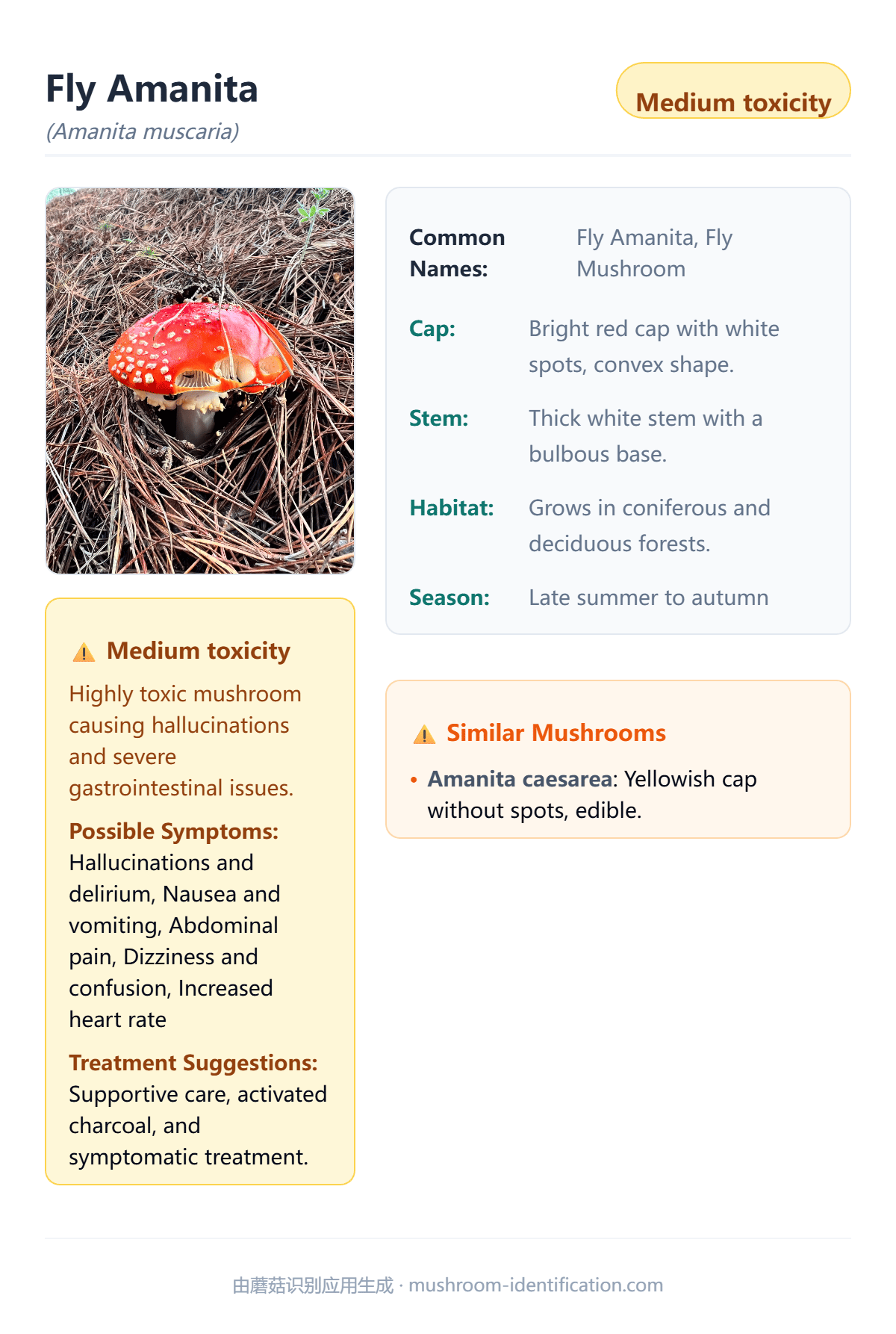
AI Quick Identification: Supports photo capture / upload, and outputs the mushroom variety, scientific name, and similar species comparison within 3 seconds, with an accuracy rate of over 92% for core species.
Toxicity Analysis and Early Warning: Automatically marks toxicity levels ("non-toxic / slightly toxic / highly toxic"), explains toxin components, and lists specific poisoning symptoms such as nausea and vomiting to reduce the risk of accidental ingestion.
Safety Guidance Module:
Wild Foraging Precautions: Clearly states rules such as "do not pick immature / morphologically ambiguous mushrooms," "protect mycelium," and "store collected mushrooms separately," with diagrams to aid understanding.
Poisoning Emergency Treatment: Explains steps in order, including "stop eating," "induce vomiting (only for conscious individuals)," "keep a sample of the mushroom," and "call emergency services." It also notes taboos such as "do not take antidiarrheals without permission."
Emergency Navigation: Based on real-time location, it filters nearby hospitals with "experience in treating mushroom poisoning," provides distance, estimated driving time, and contact information, and supports one-click navigation.
-
1
Love the process breakdown! Great job detailing the highs and lows of getting the first working version just right.
-
1
Love how clearly you’ve broken down the journey of building MushroomCheck—your transparency about the wins and the challenges is genuinely inspiring. The detailed metrics and real-world insights give me so much confidence that tools like this can actually scale sustainably. Kudos on the launch — really looking forward to seeing where you take it next!
-
1
People talk a lot about the “fun” side of foraging, but the safety piece gets ignored until someone ends up in the ER. Most folks don’t have access to a mycologist, and even experienced foragers can get tripped up by lighting, growth stage, or similar looking species. Having something that can compare caps, gills, and stems from multiple angles is a real upgrade over the usual single photo apps.
Identification is one thing, but being able to recognize toxin types, know the right first steps, and find a hospital that actually treats mushroom poisonings could make the difference between a scare and a tragedy. The offline mode also makes sense for anyone out in the woods without a signal.
Curious to see how people use it once it’s in the hands of campers, rural families, and food buyers. Tools like this tend to evolve fast once they meet real world use, and that’s where they usually become even more helpful.
-
1
But the reality is the opposite. My tool has been online for over a month, yet it still can't gain traction. I've been posting articles and messages in many communities for a month, but it still hasn't had any effect!
-
-
1
I love eating mushrooms, but I'm always afraid to pick and eat them. I remember as a kid going through the woods picking mushrooms with my grandfather. I wish I had paid more attention.
-
1
Many times, it's because when we have the chance to learn, we feel it doesn't concern us, and so we miss out.
-


Comment