
Pairfect Health Suite
Care-Ready Apps for Modern Clinics

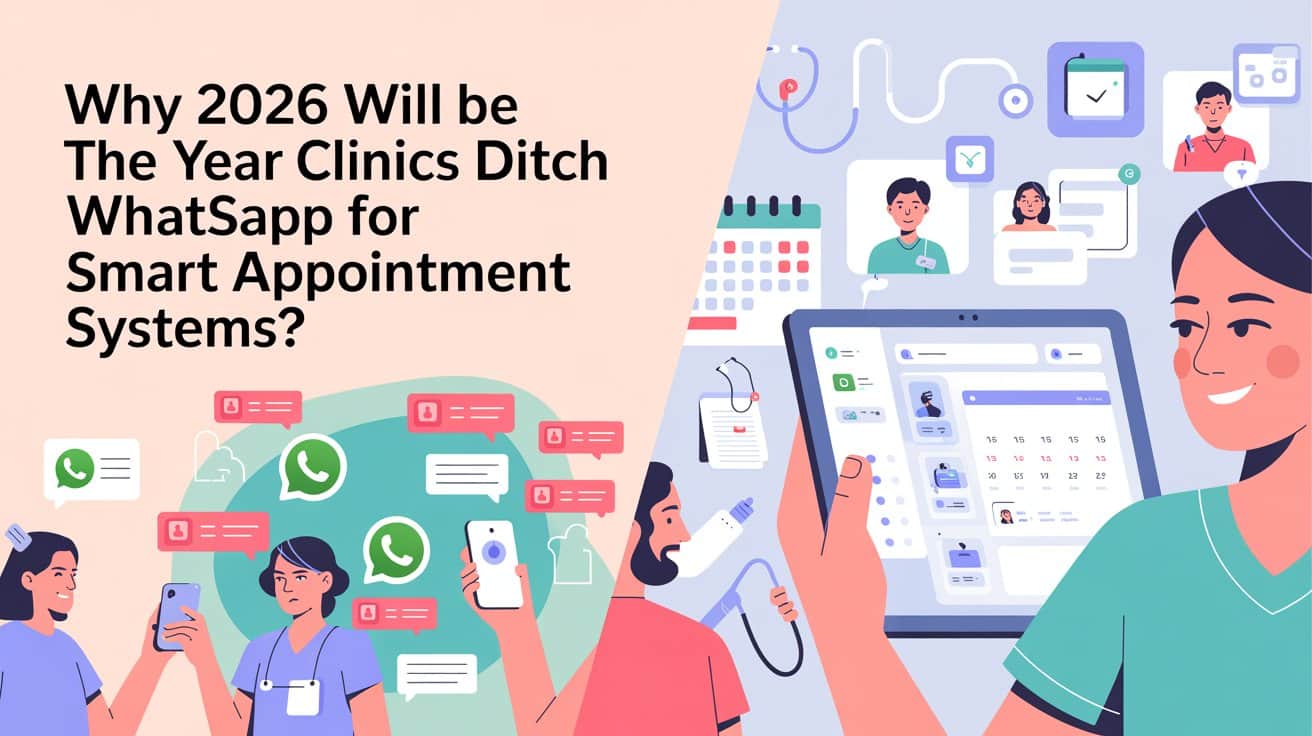
The Inevitable Shift: From WhatsApp to Intelligent Efficiency in Clinic Management
In the rapidly evolving landscape of healthcare, efficiency, security, and patient satisfaction are paramount. For years, many clinics, particularly smaller practices or those in developing regions, have relied on ubiquitous communication apps like WhatsApp for appointment scheduling and patient communication. While convenient in a pinch, this informal approach is increasingly unsustainable. We predict that 2026 will mark a definitive turning point, the year clinics finally make the decisive leap from siloed, unsecure messaging to comprehensive, smart appointment systems.
This isn't just about adopting new technology; it's about embracing a fundamental shift in how clinics operate, communicate, and deliver care. The drivers behind this transformation are multifaceted, ranging from escalating patient expectations to stringent regulatory demands and the undeniable need for operational excellence.
The Cracks in the WhatsApp Foundation: Why Informal Systems Fail
While WhatsApp offers a familiar interface, its use in a professional healthcare setting presents significant challenges:
Lack of Data Security & HIPAA Compliance: This is arguably the most critical drawback. WhatsApp's end-to-end encryption is designed for personal communication, not for the strict requirements of protecting sensitive patient health information (PHI) under regulations like HIPAA, GDPR, or other local privacy laws. Sharing medical details, appointment times, or even patient names via such platforms poses a substantial legal and ethical risk.
Disorganization & Inefficiency: Managing a high volume of appointments, cancellations, and reschedules through chat messages is a recipe for chaos. Critical information can be easily lost, leading to double bookings, missed appointments, and frustrated staff.
Limited Automation: WhatsApp offers no built-in features for automated reminders, patient self-scheduling, or integration with Electronic Health Records (EHR) systems. This translates to a significant manual workload for administrative staff, diverting their time from more critical patient-facing tasks.
Poor Patient Experience: While patients appreciate quick responses, a disjointed communication strategy can be frustrating. Long wait times for replies, lack of immediate confirmation, and the need to repeatedly provide information diminish the overall patient experience.
No Analytics or Insights: Without a structured system, clinics lose out on valuable data regarding appointment trends, no-show rates, and peak booking times – insights crucial for optimizing operations and resource allocation.
"The future of healthcare administration is not just digital; it's intelligent and integrated. Relying on consumer-grade apps for essential clinical functions is a critical vulnerability that clinics can no longer afford."
The Dawn of Smart Appointment Systems: What Defines Them?
Smart appointment systems go far beyond simple online booking. They are integrated platforms designed to streamline the entire patient journey from initial contact to post-visit follow-up. Key features include:
Secure & Compliant Communication: Built with robust security protocols and compliance measures (HIPAA, GDPR, etc.) to protect patient data at every touchpoint.
Patient Self-Service Portals: Allowing patients to book, reschedule, or cancel appointments 24/7, reducing administrative burden and empowering patients.
Automated Reminders & Notifications: Sending automated email, SMS, or in-app reminders to significantly reduce no-show rates. These can also include pre-visit instructions and post-visit follow-ups.
Integration with EHR/EMR: Seamlessly connecting appointment data with patient records, ensuring a unified and up-to-date view of patient information.
Telehealth Integration: Facilitating virtual consultations directly within the scheduling platform, a critical feature in modern healthcare.
Resource Management: Optimizing schedules for practitioners, rooms, and equipment, preventing overbooking and maximizing clinic capacity.
Data Analytics & Reporting: Providing actionable insights into appointment patterns, patient flow, and operational efficiency to inform strategic decisions.
Why 2026 is the Tipping Point
Several converging factors are making 2026 the inevitable year for this mass migration:
Escalating Regulatory Scrutiny: Data privacy regulations are becoming stricter globally. Healthcare providers face increasing penalties for non-compliance, making the use of non-secure platforms a significant liability.
Post-Pandemic Digital Acceleration: The COVID-19 pandemic forced a rapid adoption of digital tools across healthcare. Patients and providers alike are now accustomed to and expect digital convenience. This accelerated digitalization momentum will continue to drive upgrades.
Competitive Pressure: Clinics that offer seamless digital experiences will attract and retain more patients. Those clinging to outdated methods risk losing out to more technologically advanced competitors.
Affordability and Accessibility: The cost of smart appointment systems has become more accessible for practices of all sizes, with many cloud-based solutions offering flexible subscription models. The barrier to entry is significantly lower than ever before.
Artificial Intelligence (AI) Integration: The burgeoning capabilities of AI will further enhance smart systems, offering predictive scheduling, personalized patient communication, and even intelligent triage, making these systems indispensable.
Practical Steps for Clinic Owners and Administrators
For clinic owners and administrators, proactively planning this transition is crucial:
Assess Your Needs: Identify the specific pain points in your current scheduling and communication processes.
Research Solutions: Explore various smart appointment systems, focusing on features like security, compliance, integration capabilities, ease of use, and patient experience.
Phased Implementation: Consider a gradual rollout, starting with pilot programs or specific departments to iron out kinks and gather feedback.
Staff Training: Comprehensive training for all staff members is vital to ensure smooth adoption and maximize the system's benefits.
Patient Education: Clearly communicate the benefits of the new system to your patients, guiding them through the transition with tutorials and support.
Pairfect Health Suite: Your Partner in Modernizing Clinic Operations
As clinics navigate this pivotal shift, choosing the right technology partner is paramount. Pairfect Health Suite offers a comprehensive, secure, and user-friendly smart appointment system designed specifically for the unique demands of healthcare practices. Our platform integrates seamlessly with your existing workflows, ensuring HIPAA compliance, optimizing your schedules, and enhancing the patient experience from start to finish.
Don't wait until 2026 to fall behind. Embrace the future of clinic management today. Discover how Pairfect Health Suite can transform your practice and empower you to provide exceptional, efficient care. Visit our website or contact us for a personalized demo!

Comment