
software to track labor
software to track labor cost by project and payroll
Why Accurate Labor Tracking Is the Backbone of Project Success
In today’s competitive construction and service industries, profitability depends heavily on how well companies manage labor expenses. Even small miscalculations in workforce hours or payroll allocation can lead to significant financial losses over time. This is why businesses are increasingly turning to digital solutions that streamline workforce tracking, improve payroll accuracy, and provide real-time job costing insights.
Modern job sites are fast-paced, with multiple crews, shifting schedules, and overlapping tasks. Traditional paper-based systems or spreadsheets often fail to capture accurate labor data, resulting in payroll errors, project overruns, and reduced profit margins. Digital labor management tools solve these issues by centralizing data and automating calculations, allowing managers to focus more on productivity and less on administrative burdens.
One of the biggest advantages of adopting technology in workforce management is transparency. When every hour worked is tracked in real time and linked directly to a project, businesses gain a clear picture of where money is being spent. This level of visibility is essential for improving decision-making and maintaining control over budgets.
The Role of Digital Tools in Modern Workforce Management
As construction and contracting businesses expand, managing labor costs becomes increasingly complex. Multiple job sites, different pay rates, overtime rules, and union requirements can make payroll processing overwhelming. Digital systems simplify these challenges by integrating time tracking with payroll processing and project cost allocation.
These systems often include features such as GPS-based clock-ins, automated timesheets, overtime tracking, and job-specific cost reporting. By automating these processes, companies reduce human error and ensure that employees are paid correctly for their work. Additionally, managers can instantly access reports showing which projects are over budget and which teams are performing efficiently.
Another key benefit is accountability. When workers know their time is being accurately recorded and linked to specific projects, it encourages better time management and reduces wasted hours. This not only improves productivity but also strengthens trust between management and employees.
Optimizing Project Budgeting with Smart Technology
Budget control is one of the most critical aspects of any project. Without proper tracking, labor costs can quickly spiral out of control. By implementing digital workforce management systems, businesses can compare estimated labor costs against actual spending in real time.
This allows project managers to make immediate adjustments when necessary. For example, if a particular task is taking longer than expected, resources can be reallocated to keep the project on schedule. Similarly, if a project is under budget in labor costs, managers can identify best practices and replicate them in future jobs.
Accurate forecasting is another major advantage. Historical labor data can be analyzed to predict future project costs more accurately. This leads to better bidding strategies and improved competitiveness when securing new contracts.
How Technology Improves Payroll Accuracy and Compliance
Payroll errors are not only costly but can also damage employee trust and lead to compliance issues. Manual calculations increase the risk of mistakes, especially when dealing with overtime, shift differentials, and varying wage rates.
Modern systems automatically calculate wages based on recorded hours and predefined pay rules. This ensures that employees are compensated correctly and that payroll processing becomes faster and more reliable. In addition, digital records make it easier for businesses to stay compliant with labor laws and audit requirements.
software to track labor cost by project and payroll
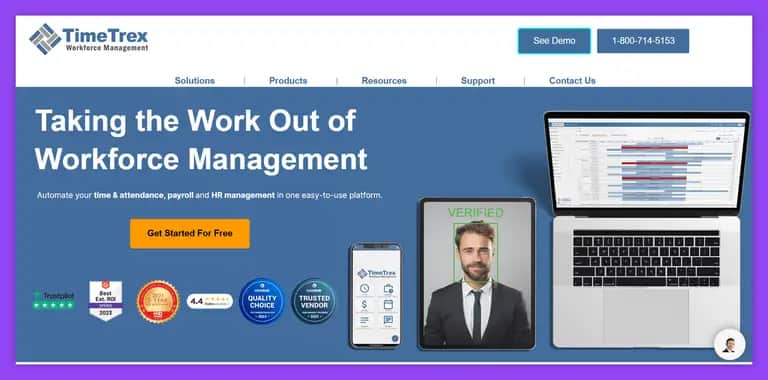
A major advancement in workforce management is the adoption of tools designed specifically for job costing and payroll integration. Many construction firms now rely on software to track labor cost by project and payroll to streamline operations and eliminate manual errors. These systems connect employee time entries directly to project budgets, ensuring that every hour worked is accounted for accurately. By using software to track labor cost by project and payroll, companies gain real-time visibility into labor spending and can quickly identify inefficiencies before they impact profitability.
Driving Business Growth Through Data-Driven Insights
Beyond tracking hours and processing payroll, modern workforce systems provide valuable insights that help businesses grow. Detailed analytics reveal patterns in productivity, cost efficiency, and project performance. Managers can use this information to optimize staffing levels, improve scheduling, and refine pricing strategies.
Over time, this data-driven approach leads to more predictable outcomes and higher profit margins. Companies that embrace digital transformation are better positioned to scale operations, win more bids, and deliver projects on time and within budget.
Conclusion
Labor cost management is no longer just an administrative task—it is a strategic advantage. By adopting modern digital tools, businesses can improve accuracy, increase efficiency, and gain full visibility into project spending. In a highly competitive industry, leveraging technology is not just beneficial; it is essential for long-term success.

Comment