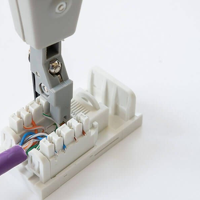
Structured Cabling
A Comprehensive Guide to Structured Cabling for Modern Bus.

In today’s fast-paced, technology-driven world, modern businesses rely heavily on robust and efficient communication networks. As the foundation for seamless data transfer, structured cabling plays a crucial role in optimizing performance and supporting future growth. Whether you run a startup or a well-established enterprise, understanding the intricacies of structured cabling can unlock significant advantages, from enhanced connectivity to improved operational efficiency. This comprehensive guide delves into the essential components of structured cabling, its myriad benefits, and best practices for implementation. Join us as we explore how unlocking the future of your business starts with the right cabling infrastructure, ensuring you stay ahead in a competitive landscape. Embrace the power of structured cabling to elevate your organization’s potential and foster innovation today!
The Importance of Structured Cabling in Modern Businesses
In the contemporary business landscape, the importance of structured cabling cannot be overstated. As companies increasingly rely on technology to drive operations, the demand for high-speed, reliable data transmission has never been higher. Structured cabling systems provide the backbone for these networks, ensuring that data flows seamlessly, securely, and efficiently across all devices and applications.
One of the primary benefits of structured cabling is its ability to support a wide range of applications and services. From VoIP (Voice over Internet Protocol) and video conferencing to cloud computing and IoT (Internet of Things) devices, a well-implemented structured cabling system can handle the diverse needs of a modern business. This versatility not only enhances productivity but also ensures that businesses can quickly adapt to new technologies and industry trends.
Moreover, structured cabling contributes to improved operational efficiency. By centralizing and organizing the network infrastructure, businesses can reduce the complexity of their IT environments. This simplification makes it easier to manage and maintain the network, leading to reduced downtime and quicker resolution of issues. In turn, this translates to lower operational costs and higher overall productivity, giving businesses a competitive edge in their respective markets.
Benefits of Implementing Structured Cabling
Implementing a structured cabling system offers numerous benefits that can significantly enhance a business's operations and overall efficiency. One of the most notable advantages is the improved network performance and reliability. Structured cabling systems are designed to support high-speed data transmission and reduce the risk of network failures or downtime. This reliability ensures that businesses can maintain continuous operations and deliver consistent services to their clients.
Another key benefit is the scalability and flexibility that structured cabling provides. As businesses grow and evolve, their network requirements change. Structured cabling systems are designed to accommodate these changes, allowing for easy expansion and upgrades without the need for extensive reconfiguration. This scalability ensures that businesses can quickly adapt to new technologies and demands, future-proofing their network infrastructure for years to come.
Cost efficiency is also a significant advantage of structured cabling. While the initial investment may be higher compared to traditional point-to-point cabling, the long-term savings are substantial. Structured cabling systems reduce maintenance and operational costs by simplifying network management and minimizing downtime. Additionally, the modular design of structured cabling allows for incremental upgrades, eliminating the need for costly overhauls. This cost-effectiveness makes structured cabling a wise investment for businesses looking to optimize their IT budgets.
How Structured Cabling Supports Business Growth
Structured cabling plays a pivotal role in supporting business growth by providing a robust and adaptable network infrastructure. As businesses expand, the demand for reliable and high-speed data transmission increases. Structured cabling systems are designed to handle these growing data needs, ensuring that businesses can maintain seamless operations and deliver exceptional services to their customers.
One of the ways structured cabling supports growth is by facilitating the integration of new technologies. Whether it's adopting cloud computing, implementing IoT devices, or upgrading to advanced communication systems, structured cabling provides the foundation for these innovations. By ensuring that the network can support new applications and devices, businesses can stay ahead of industry trends and maintain a competitive edge.
Additionally, structured cabling enhances collaboration and productivity within an organization. With a reliable and efficient network, employees can access and share information quickly and easily, regardless of their location. This connectivity fosters collaboration and streamlines workflows, leading to increased productivity and better overall performance. As a result, businesses can achieve their growth objectives more effectively and efficiently.
Future Trends in Structured Cabling Technology
As technology continues to evolve, so too does the field of structured cabling. Staying informed about emerging trends and innovations can help businesses make strategic decisions about their network infrastructure and ensure that they remain competitive in a rapidly changing landscape.
One of the most significant trends in structured cabling is the increasing adoption of fiber optic technology. Fiber optic cables offer several advantages over traditional copper cables, including higher data transmission speeds, greater bandwidth, and longer transmission distances. As businesses demand faster and more reliable networks, the shift towards fiber optic cabling is expected to continue. Additionally, advancements in fiber optic technology, such as bend-insensitive fibers and higher core counts, are making it more accessible and cost-effective for a wider range of applications.
Another emerging trend is the integration of smart and intelligent cabling systems. These systems leverage advanced technologies, such as IoT sensors, automated monitoring, and AI-driven analytics, to provide real-time insights into the performance and health of the network. By proactively identifying and addressing potential issues, intelligent cabling systems can enhance reliability, reduce downtime, and optimize overall network performance. This trend is particularly relevant for businesses looking to implement smart building solutions and enhance their operational efficiency.
The growing emphasis on sustainability and energy efficiency is also shaping the future of structured cabling. Green cabling solutions, such as low-power consumption devices, energy-efficient network components, and environmentally friendly materials, are gaining traction among businesses committed to reducing their carbon footprint. As sustainability becomes a key consideration in network design, businesses can expect to see more innovative and eco-friendly cabling solutions in the market.
Choosing the Right Structured Cabling Provider
Selecting the right structured cabling provider is a critical decision that can significantly impact the success and performance of a business's network infrastructure. With numerous providers in the market, businesses must consider several factors to ensure they choose a partner that meets their specific needs and delivers high-quality services.
One of the primary factors to consider is the provider's experience and expertise. A reputable cabling provider should have a proven track record of successful projects across various industries and environments. Reviewing case studies, client testimonials, and references can provide valuable insights into the provider's capabilities and performance. Additionally, businesses should ensure that the provider's team includes certified and trained professionals who are well-versed in industry standards and best practices.
Another important consideration is the range of services offered by the provider. A comprehensive cabling provider should offer end-to-end solutions, including site surveys, design, installation, testing, and maintenance. This holistic approach ensures that all aspects of the cabling project are seamlessly integrated and managed, reducing the risk of issues and ensuring optimal performance. Businesses should also evaluate the provider's ability to offer customized solutions that align with their specific requirements and future growth plans.
Finally, businesses should consider the provider's commitment to customer support and ongoing service. A reliable cabling provider should offer responsive and proactive support throughout the lifecycle of the cabling system. This includes regular maintenance, troubleshooting, and upgrades to ensure that the network remains in optimal condition. By choosing a provider that prioritizes customer satisfaction and long-term partnerships, businesses can ensure the success and longevity of their structured cabling infrastructure.
Conclusion: Investing in Structured Cabling for Long-Term Success
In conclusion, structured cabling is an essential investment for modern businesses looking to optimize their network infrastructure and support future growth. By providing a robust, scalable, and efficient foundation for data transmission, structured cabling enhances connectivity, improves operational efficiency, and enables the integration of new technologies. Understanding the key components, benefits, and best practices of structured cabling is crucial for businesses to make informed decisions and ensure the success of their network infrastructure.
Despite the challenges that may arise during the design, installation, and maintenance phases, proactive planning and partnership with experienced cabling providers can help businesses overcome these obstacles and achieve their objectives. Staying informed about emerging trends and innovations in structured cabling technology can also help businesses stay ahead of the curve and maintain a competitive edge in a rapidly evolving landscape.
Ultimately, investing in structured cabling is not just about meeting the immediate needs of a business but also about future-proofing the network for long-term success. By embracing the power of structured cabling, businesses can unlock their full potential, foster innovation, and drive sustainable growth in an increasingly connected world.

Comment