
Track1on1
DM automation, revenue attribution, and content intelligence

I didn’t really wake up one day and decide I was going to build an attribution platform.
It started with a pretty annoying problem.
While working with creators and online businesses, I kept seeing people using 5–10 different tools just to understand what was happening in their business.
One tool for content.
One for DMs.
One for links.
One for ads.
Another for analytics.
And then usually a spreadsheet somewhere trying to connect everything 😂
The frustrating part was that the information was there. It just wasn’t connected.
So I started building something for myself.
At first, it was basically just tracking links and figuring out where traffic was coming from. Then I kept adding things whenever I ran into another problem.
“Wouldn’t it be useful if this also tracked DMs?”
Added it.
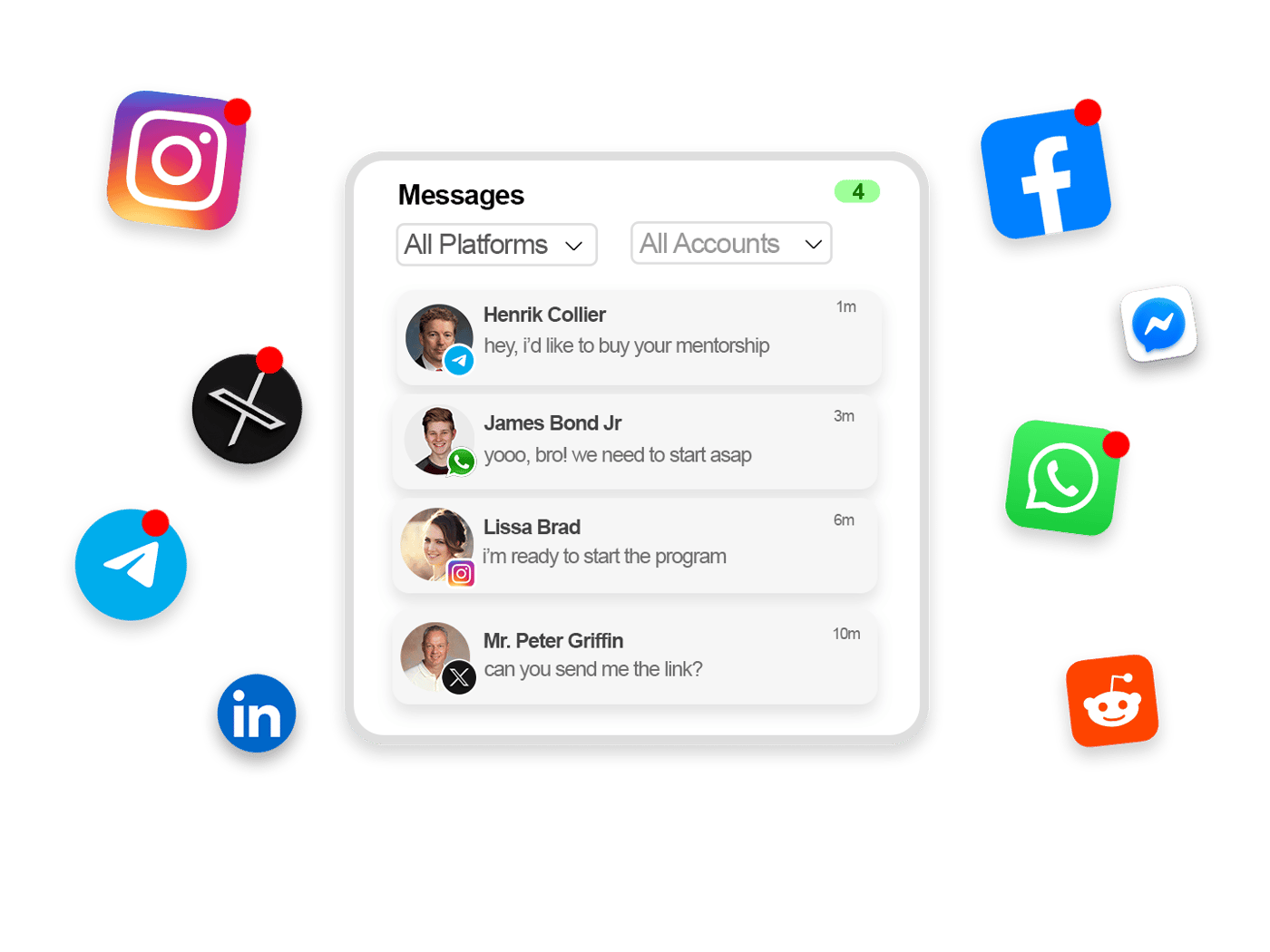
“What if we could see which content actually brings customers?”
Added that too.

“What if we could find the posts that are performing way above the normal?”
That became the Outlier Finder.

And eventually it turned into what is now Track1on1.
It’s basically becoming a system that connects content, links, DMs, ads and revenue so you can actually see what’s working.
The funny thing is that I’m still not completely sure where the product will end up.
Every time we build something, using it ourselves exposes another problem.
That’s probably my favorite part of building it.

Right now we’re focused on getting the product into the hands of more creators, agencies, and digital businesses and seeing what they actually do with it.
Would love to hear from other founders here:
What’s one tool in your stack that you absolutely hate using?

1 Comment
The “5–10 tools + spreadsheet” part feels painfully familiar. Having the data in different places is one thing, but actually piecing together what happened across all of them is where it gets messy. The Outlier Finder sounds especially useful if it can surface things you wouldn’t have thought to look for yourself.