Best IPTV Services 2026 | Complete Guide to IPTV Streaming
IPTV Services: The Complete Guide to Choosing the Best IPTV Services in 2026
Discover the best IPTV services in 2026 with this complete guide. Learn how IPTV works, key features, benefits, device compatibility, and tips for choosing a reliable IPTV service.
Table of Contents
Introduction
What Are IPTV Services?
How IPTV Services Work
Types of IPTV Services
Why IPTV Services Are Growing in Popularity
Key Benefits of IPTV Services
IPTV vs Traditional Cable TV
Features of High-Quality IPTV Services
Devices Compatible with IPTV
Image Suggestions
IPTV Services: The Complete Guide to Modern Television Streaming
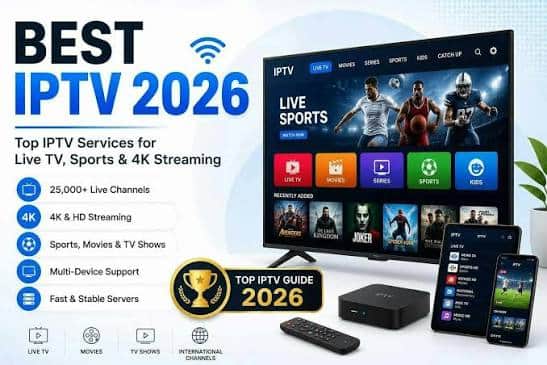
Television has evolved dramatically over the past decade. Traditional cable and satellite subscriptions are no longer the only ways to enjoy live TV, sports, movies, and entertainment. Thanks to faster internet connections and smarter streaming technology, more viewers are turning to IPTV Services as a flexible and convenient way to access digital content.
Unlike conventional broadcasting methods, IPTV delivers television content over an internet connection instead of satellite signals or cable networks. In this guide, you'll learn how IPTV works, its main benefits, important features to look for, and how to choose an IPTV service that suits your needs.
What Are IPTV Services?
IPTV Services (Internet Protocol Television services) deliver television programming using internet protocols rather than traditional cable or satellite infrastructure. Instead of receiving broadcasts through coaxial cables or satellite dishes, users stream video through an internet connection.
This technology supports various forms of content delivery, including:
Live television channels
Video-on-demand (VOD)
Catch-up TV
Time-shifted television
Recorded programs
Because IPTV uses internet connectivity, viewers can access content on multiple compatible devices without relying on a single television setup.
Example
Imagine you're traveling but don't want to miss your favorite TV show. With an IPTV-compatible application and a stable internet connection, you can continue watching from your phone, tablet, or laptop without being tied to your home television.
How IPTV Services Work
The technology behind IPTV is straightforward.
🎁 Enjoy Unlimited Entertainment
Instead of broadcasting every television channel simultaneously like cable providers do, IPTV sends only the content requested by the viewer.
The basic process includes:
The content is stored on secure streaming servers.
The viewer selects a live channel or on-demand program.
The IPTV server receives the request.
The requested content is transmitted through the internet.
The user's device decodes and plays the stream.
This on-demand delivery model reduces bandwidth usage and provides a more personalized viewing experience.
Types of IPTV Services
Understanding the different categories of IPTV helps users choose the right solution.
1. Live Television
Live IPTV allows viewers to watch television broadcasts in real time, similar to traditional cable TV.
Examples include:
News channels
Sports broadcasts
Entertainment networks
Regional channels
Educational programming
Live streaming is ideal for viewers who enjoy current events, live sports, and scheduled television programming.
2. Video on Demand (VOD)
Video on Demand enables users to watch movies, documentaries, and TV series whenever they choose.
Unlike live television, viewers are not restricted by broadcast schedules.
Popular VOD categories include:
Action
Comedy
Drama
Family entertainment
Science fiction
Documentaries
3. Catch-Up TV
Catch-up television allows users to watch previously aired programs after their original broadcast.
This feature is especially useful for people with busy schedules who may miss live broadcasts.
4. Time-Shifted Television
Time-shifted viewing gives users greater flexibility by allowing them to pause, rewind, or restart eligible programs during playback.
This creates a more convenient viewing experience for households with varying schedules.
Why IPTV Services Continue to Grow
Several factors contribute to the increasing adoption of IPTV.
Flexible Viewing
Users can access content on multiple devices rather than being limited to a single television.
Internet Availability
High-speed broadband and fiber internet have made streaming more accessible than ever.
Smart Devices
Modern televisions, streaming boxes, and mobile devices increasingly support IPTV-compatible applications.
Personalized Entertainment
Unlike traditional television packages, IPTV often provides customizable viewing experiences and on-demand access.
Improved Picture Quality
Many IPTV platforms support HD, Full HD, and even 4K streaming where available, depending on both the service and the user's internet connection.
Major Benefits of IPTV Services
Greater Convenience
Users can enjoy entertainment from virtually anywhere with an internet connection.
Multi-Device Support
Many IPTV solutions are compatible with:
Smart TVs
Android TV
Amazon Fire TV devices
Smartphones
Tablets
Windows PCs
macOS computers
Streaming boxes
Extensive Content Libraries
Depending on the provider, IPTV services may include:
Live television
Movies
TV shows
Sports
Kids' content
International programming
Educational channels
On-Demand Viewing
One of IPTV's biggest advantages is the ability to watch content according to your own schedule rather than following fixed broadcast times.
User-Friendly Interfaces
Many IPTV applications offer intuitive menus, searchable content libraries, electronic program guides (EPGs), favorites lists, and personalized recommendations that improve the viewing experience.
IPTV Services vs Traditional Cable TV
While both IPTV and traditional cable TV provide access to television programming, IPTV generally offers greater flexibility and convenience. Because IPTV uses an internet connection, viewers can stream content on multiple devices such as smart TVs, smartphones, tablets, and computers.
IPTV also provides features like video on demand, remote access, and interactive viewing options that are often limited or unavailable with traditional cable TV. Additionally, IPTV installation is usually simpler, as it may not require a technician or dedicated cable setup.
Traditional cable TV, however, can still be a reliable option for households that prefer a stable connection without relying on internet bandwidth. Overall, IPTV is often preferred by users seeking a more flexible, device-friendly, and modern entertainment experience.
Features of High-Quality IPTV Services
When evaluating IPTV services, consider the following features:
Stable Streaming
Reliable performance helps reduce interruptions such as buffering during playback.
High-Quality Video
Support for HD, Full HD, and 4K streaming (where available) can improve the viewing experience.
Electronic Program Guide (EPG)
An EPG displays channel schedules, making it easier to browse and plan viewing.
Video on Demand Library
A diverse on-demand catalog provides greater entertainment options.
Multi-Device Compatibility
Compatibility with various devices allows users to watch content across different screens.
Regular Content Updates
Frequent updates can help keep available programming current.
Responsive Customer Support
Accessible support resources can assist users with setup and troubleshooting.
Devices Compatible with IPTV Services
Most IPTV services can be used on a wide range of internet-connected devices, including:
Smart TVs
Android TV devices
Amazon Fire TV devices
Apple TV
Android smartphones
iPhones and iPads
Windows PCs
macOS computers
Streaming boxes
Tablets
Choosing a service with broad device compatibility allows you to switch between screens without changing your viewing habits.
How to Choose the Best IPTV Services
Selecting the right IPTV services requires more than comparing prices. A quality provider should deliver a smooth viewing experience, broad device compatibility, responsive customer support, and consistent performance. Before subscribing, take time to evaluate the features that matter most to your household.
1. Content Selection
One of the first things to consider is the type of content offered. Different IPTV providers focus on different audiences.
A well-rounded service may include:
Live TV channels
Movies
TV series
Sports coverage
News
Kids' programming
International channels
Documentaries
Lifestyle and entertainment content
Choose a provider whose content library aligns with your viewing preferences.
2. Streaming Quality
High-definition streaming significantly improves the viewing experience.
Look for support for:
SD
HD
Full HD (1080p)
4K (where available)
Keep in mind that achieving higher resolutions also depends on your internet speed and the capabilities of your streaming device.
3. Server Stability
Reliable servers help minimize:
Buffering
Playback interruptions
Channel loading delays
Unexpected downtime
Consistent performance is one of the most important qualities of dependable IPTV services.
4. Electronic Program Guide (EPG)
An Electronic Program Guide displays schedules for available channels, making it easier to browse upcoming programming and plan what to watch.
Benefits include:
Easier navigation
Viewing schedules
Program information
Improved user experience
5. Device Compatibility
Choose IPTV services that work across multiple platforms so you can watch on your preferred devices.
Popular supported devices include:
Smart TVs
Android TV
Apple TV
Amazon Fire TV devices
Android phones
iPhone
Tablets
Windows PCs
macOS
Streaming boxes
6. Customer Support
Reliable customer support is valuable if you encounter setup issues or technical questions.
Support channels may include:
Live chat
Email
Knowledge base
FAQs
Ticket systems
Essential Features of Premium IPTV Services
Premium IPTV services often provide features that improve convenience and flexibility.
Video on Demand (VOD)
Watch movies and television series whenever you choose rather than following a broadcast schedule.
Favorites List
Save frequently watched channels for quicker access.
Search Functionality
Quickly locate channels, programs, or movies using built-in search tools.
Multi-Screen Viewing
Some platforms allow viewing on multiple compatible devices, depending on the provider's policies and subscription plan.
Catch-Up TV
Watch selected programs after they have aired, making it easier to keep up with missed content.
Recording Features
Some IPTV platforms offer cloud-based or local recording options where supported.
Parental Controls
Parental controls help families manage access to age-appropriate content.
Common IPTV Use Cases
Different viewers have different entertainment needs.
Sports Fans
Many users choose IPTV to access live sports broadcasts and related programming.
Families
Family-friendly content libraries may include children's programming, educational content, and general entertainment.
Movie Enthusiasts
On-demand movie catalogs allow viewers to enjoy films at their convenience.
Travelers
With internet access, IPTV-compatible applications can provide access to subscribed content while away from home, subject to provider terms.
International Viewers
Some services offer programming in multiple languages and from different regions, which may appeal to viewers seeking international content.
Signs of a Quality IPTV Provider
When researching IPTV services, consider providers that demonstrate:
Clear service information
Transparent pricing
Broad device compatibility
Responsive customer support
Stable streaming performance
User-friendly interface
Regular platform updates
Informative documentation
Reading independent reviews and user feedback can also provide useful insights.
Common Mistakes to Avoid
Many users focus solely on price, overlooking factors that affect long-term satisfaction.
Avoid these common mistakes:
Choosing Based Only on Cost
The cheapest option is not always the best value. Consider reliability, features, and support.
Ignoring Device Compatibility
Confirm that the service supports the devices you plan to use.
Overlooking Internet Requirements
A slow or unstable internet connection can lead to buffering and reduced video quality.
Skipping Research
Compare features, read reviews, and understand subscription terms before making a decision.
Neglecting Customer Support
Accessible support can make setup and troubleshooting much easier.
Best Practices for a Better IPTV Experience
To get the most from IPTV services:
Use a stable, high-speed internet connection.
Prefer a wired Ethernet connection when possible for stationary devices.
Keep your IPTV application and device software updated.
Restart your router periodically if you experience connectivity issues.
Organize favorite channels for quicker access.
Use a compatible streaming device for optimal performance.
IPTV Setup Overview
Although setup steps vary by provider and device, the general process is straightforward:
Subscribe to an IPTV service.
Install a compatible IPTV application on your device.
Enter the credentials or playlist information provided by your service.
Configure settings such as language and video quality.
Allow the application to load available content.
Begin exploring live TV and on-demand options.
Always follow the setup instructions supplied by your chosen provider.
Legal and Safety Considerations for IPTV Services
As IPTV technology becomes more widespread, it's important to understand that IPTV itself is a legitimate technology used by many businesses, broadcasters, and streaming platforms. However, the legality of an IPTV service depends on whether it has the rights to distribute the content it offers.
Before subscribing, consider the following:
Choose providers that clearly explain their services and licensing where applicable.
Review the provider's terms of service and privacy policy.
Be cautious of services making unrealistic claims, such as "every channel in the world" for an extremely low price.
Use strong passwords and enable account security features if available.
Keep your streaming device and IPTV application updated to receive security improvements and bug fixes.
Taking these precautions can help ensure a safer and more reliable streaming experience.
Troubleshooting Common IPTV Issues
Even with a reliable provider, you may occasionally encounter technical problems. Here are some common issues and potential solutions.
Buffering During Playback
Possible causes:
Slow internet connection
Network congestion
Wi-Fi interference
Temporary server load
Possible solutions:
Restart your router.
Use a wired Ethernet connection if possible.
Reduce the video quality if your bandwidth is limited.
Close other bandwidth-intensive applications on your network.
Channels Not Loading
Possible causes:
Temporary maintenance
Incorrect account configuration
Outdated application
Possible solutions:
Refresh the playlist or channel list if supported.
Verify your login details.
Update the IPTV application.
Contact customer support if the issue persists.
Poor Video Quality
Possible causes:
Insufficient internet speed
Device limitations
Network instability
Possible solutions:
Test your internet connection.
Use a newer streaming device if necessary.
Improve Wi-Fi signal strength or switch to Ethernet.
Future of IPTV Services
The IPTV industry continues to evolve as internet technology improves. Several trends are expected to shape the future of IPTV services.
Artificial Intelligence (AI)
AI may be used to deliver more personalized content recommendations based on viewing preferences, making it easier to discover relevant programs.
Improved Streaming Quality
As internet infrastructure advances, more providers are expected to support higher resolutions, including 4K and, where available, 8K streaming.
Cloud-Based Features
Cloud technology can enable features such as:
Cloud DVR
Cross-device synchronization
Personalized watchlists
Faster content delivery
Enhanced User Experience
Future IPTV platforms are likely to offer:
Faster navigation
Smarter search tools
Voice control integration
Improved accessibility features
Broader Device Integration
IPTV applications are expected to become increasingly compatible with smart home ecosystems, wearable devices, and emerging streaming hardware.
Frequently Asked Questions (FAQ)
1. What are IPTV services?
IPTV services deliver television content over an internet connection rather than through traditional cable or satellite infrastructure. Depending on the provider, they may include live TV, video on demand (VOD), and catch-up features.
2. What internet speed is recommended for IPTV?
A stable connection is important. Typical recommendations are:
SD: 5 Mbps
HD: 10 Mbps
Full HD: 20 Mbps
4K: 35 Mbps or higher
Actual requirements vary depending on the provider and the number of simultaneous streams.
3. Can IPTV services be used on multiple devices?
Many providers support multiple compatible devices, although the number of simultaneous streams depends on the subscription plan.
4. Do IPTV services work on Smart TVs?
Yes. Many IPTV applications are compatible with Smart TVs, Android TV devices, Apple TV, Amazon Fire TV devices, smartphones, tablets, and computers.
5. Is IPTV the same as Netflix or other on-demand streaming services?
Not exactly. IPTV often combines live television with on-demand content, while many streaming platforms primarily focus on on-demand libraries. Available features vary by provider.
6. What should I look for in an IPTV provider?
Consider factors such as:
Device compatibility
Streaming stability
Content selection
Customer support
User interface
Transparent pricing
Security practices
7. Does IPTV require special hardware?
In many cases, no. IPTV can often be accessed through compatible applications on existing smart TVs, streaming devices, smartphones, tablets, or computers.
8. Why does IPTV sometimes buffer?
Buffering can result from slow internet speeds, network congestion, Wi-Fi interference, or temporary server issues. Improving your connection and keeping your software updated can often help.
Final Thoughts
The popularity of IPTV services reflects the growing demand for flexible, internet-based entertainment. With features like live television, video on demand, catch-up TV, and compatibility across a wide range of devices, IPTV offers a modern alternative to traditional broadcasting methods.
When choosing an IPTV service, focus on reliability, device support, streaming quality, customer service, and transparency rather than price alone. A thoughtful comparison of available options can help you find a service that matches your viewing habits and technical requirements.
As internet technology continues to improve, IPTV is likely to play an increasingly important role in how people access television and digital entertainment.
Author Bio
About the Author
The author is a digital content writer specializing in streaming technology, consumer electronics, and online entertainment. With a focus on creating clear, accurate, and SEO-friendly content, they help readers understand emerging technologies and make informed decisions through practical, research-based guides.

