
Best_IPTV_2026
Best_IPTV_2026
Discover the best IPTV providers in 2026. Learn how IPTV works, compare key features, pricing, device compatibility, and expert tips to choose a reliable streaming service.
Table of Contents
Introduction
What Are IPTV Providers?
How IPTV Works
Why IPTV Is Growing in Popularity
Benefits of Choosing the Best IPTV Providers
Features to Look For
IPTV Provider Comparison Table
Conclusion
Introduction
Television has evolved dramatically over the last decade. Instead of relying solely on cable or satellite services, millions of viewers now stream live television and on-demand content through internet-based platforms. This shift has made IPTV (Internet Protocol Television) one of the fastest-growing ways to watch entertainment, sports, news, and educational programming.

Finding the Best IPTV Providers is about more than price. A quality provider delivers reliable performance, excellent picture quality, broad device compatibility, responsive customer support, and—most importantly—appropriate licensing for the content it offers.
Whether you're a first-time IPTV user or considering switching from traditional television, understanding the key features of a trustworthy IPTV provider can help you make an informed decision.
What Are IPTV Providers?
IPTV stands for Internet Protocol Television. Instead of transmitting television signals through cable or satellite infrastructure, IPTV delivers video content over an internet connection.
An IPTV provider supplies access to television programming and streaming content through compatible applications or devices.
Depending on the provider, services may include:
Live television channels
On-demand movies
TV series
Catch-up television
Cloud DVR
Multi-device streaming
High-definition and 4K streaming (where available)
Many licensed streaming platforms use IPTV technology behind the scenes, making IPTV a widely adopted and legitimate method of content delivery.
How IPTV Works
Unlike traditional broadcasting, IPTV streams content using internet protocols.
A typical viewing process looks like this:
The provider receives content from licensed broadcasters.
Content is encoded for internet streaming.
Secure servers distribute the streams.
Users connect through an IPTV-compatible app or device.
The video is delivered in real time over the internet.
This approach allows viewers to watch content on smart TVs, smartphones, tablets, computers, and dedicated streaming devices without a conventional cable connection.
Why IPTV Is Growing in Popularity
Several factors contribute to the rapid adoption of IPTV services:
Greater Flexibility
Users can watch supported content from multiple compatible devices at home or while traveling, subject to the provider's terms.
Improved Picture Quality
Many IPTV platforms support HD, Full HD, and even 4K streaming when both the content and internet connection allow.
Personalized Viewing
Modern IPTV interfaces often recommend programs based on viewing history, making content discovery easier.
On-Demand Access
Instead of waiting for scheduled broadcasts, viewers can watch many programs whenever they choose.
Device Independence
One subscription may support several types of devices, providing a consistent viewing experience.
Benefits of Choosing the Best IPTV Providers
Selecting a reputable IPTV provider offers several advantages:
Reliable Streaming
High-quality providers invest in stable infrastructure to reduce buffering and interruptions.
Better Customer Support
Professional providers offer documentation, setup guides, and customer assistance when needed.
Frequent Updates
Leading services continually improve their apps, security, and user experience.
Broad Device Compatibility
Many IPTV services support:
Android TV
Google TV
Apple TV
Amazon Fire TV
Smart TVs
iPhone and iPad
Android phones
Windows PCs
macOS computers
Web browsers
User-Friendly Interface
Easy navigation, search tools, favorites, and categorized content improve the viewing experience.
Security
Reputable providers use secure authentication and account management to protect users.
Essential Features to Look For
Not every IPTV provider offers the same experience. Consider these factors when comparing options.
Streaming Quality
Look for consistent HD or 4K support where available, along with adaptive streaming that adjusts to internet speeds.
Channel Selection
Evaluate whether the provider offers the types of programming you actually watch, such as news, sports, entertainment, documentaries, or international channels.
Video On Demand
Many providers include libraries of movies and television shows alongside live channels.
Electronic Program Guide (EPG)
An organized program guide makes it easier to browse schedules and discover upcoming content.
Catch-Up TV
Some services allow users to watch previously aired programs for a limited time.
Multi-Device Support
Check how many devices can be connected simultaneously and whether family members can stream at the same time.
Trial Availability
A free or low-cost trial can help you evaluate performance and usability before subscribing.
Customer Service
Responsive support via email, live chat, or knowledge bases is an indicator of a mature service.
Common Mistakes When Choosing an IPTV Provider
Many buyers focus only on low prices, but long-term satisfaction usually depends on several factors.
Avoid these common mistakes:
Choosing a provider without verifying its legitimacy.
Ignoring device compatibility.
Overlooking customer support quality.
Paying for features you won't use.
Not checking internet speed requirements.
Skipping user reviews and independent evaluations.
Failing to understand subscription terms.
Internet Speed Recommendations
Streaming quality depends on both the provider and your internet connection.
Actual requirements vary depending on compression, simultaneous users, and network conditions.
Evaluating IPTV Providers: What Really Matters
Choosing among the Best IPTV Providers requires more than comparing prices. The ideal provider should deliver a reliable, user-friendly experience while offering transparent policies and licensed content. Before subscribing, evaluate the following factors carefully.
1. Content Library
A quality IPTV provider should offer a well-organized selection of content, such as:
Live TV channels
News
Sports
Movies
TV series
Kids' programming
Documentaries
International channels (where licensed)
The best services regularly update their libraries and provide clear information about available content.
2. Streaming Performance
Reliable streaming is one of the most important qualities of any IPTV service.
Look for providers that offer:
Stable servers
Minimal buffering
Fast channel loading
Adaptive bitrate streaming
High-definition playback where supported
Performance may also depend on your internet connection and home network.
3. Device Compatibility
One hallmark of the Best IPTV Providers is support for a wide range of devices.
Popular supported platforms include:
Android TV
Google TV
Apple TV
Amazon Fire TV
Roku (where supported)
Smart TVs
Android smartphones
iPhone
iPad
Windows PCs
macOS
Web browsers
The more compatible a service is, the more flexibility it offers.
4. User Experience
A clean interface makes finding content much easier.
Useful features include:
Search functionality
Favorites
Recently watched
Personalized recommendations
Channel categories
Electronic Program Guide (EPG)
An intuitive interface saves time and improves overall satisfaction.
5. Customer Support
Reliable support becomes valuable whenever users need help with setup, billing, or troubleshooting.
Look for providers offering:
Email support
Live chat
Help center
Installation guides
Frequently Asked Questions
Fast response times are often a sign of a professional service.
IPTV for Different Types of Users
Families
Families often benefit from:
Multiple user profiles
Kid-friendly programming
Simultaneous streaming
Easy navigation
Sports Fans
Sports viewers should look for:
Reliable live streaming
HD quality
Low latency
Comprehensive sports coverage (where licensed)
Movie Lovers
Useful features include:
Extensive on-demand libraries
Personalized recommendations
High-quality playback
Resume watching
Travelers
Travelers may appreciate:
Cross-device compatibility
Cloud-based access
Mobile-friendly apps
Account synchronization
Availability can vary depending on licensing and regional restrictions.
Pricing Considerations
Price alone doesn't determine value.
When comparing IPTV providers, consider:
Subscription length
Monthly versus annual plans
Device limits
Trial availability
Included features
Upgrade options
The cheapest option isn't always the best if it lacks reliability or support.
Questions to Ask Before Subscribing
Before choosing an IPTV provider, ask:
Is the service transparent about its offerings?
Does it support my devices?
Is customer support available?
Is there a trial period?
Are updates provided regularly?
What streaming quality is supported?
How many devices can be used simultaneously?
These questions help narrow your choices.
Basic IPTV Setup Guide
Most IPTV platforms follow a similar setup process.
Step 1
Create an account with your chosen provider.
Step 2
Download the provider's official application or use a supported app if instructed.
Step 3
Sign in using your account credentials.
Step 4
Allow the application to load your available channels and content.
Step 5
Customize settings such as favorites, language, subtitles, or playback preferences.
Tips for Better Streaming
To improve your viewing experience:
Use a stable broadband connection.
Prefer Ethernet for stationary devices when possible.
Keep apps updated.
Restart your router occasionally.
Close unnecessary background downloads.
Ensure your streaming device has sufficient storage and memory.
Security Best Practices
Choose providers that:
Use secure logins
Offer encrypted connections where appropriate
Have clear privacy policies
Explain how user data is handled
Provide account management tools
Avoid sharing your account credentials with others unless permitted by the provider's terms.
Future Trends in IPTV
The IPTV industry continues to evolve. Some emerging trends include:
AI-powered content recommendations
Improved voice search
Enhanced accessibility features
Better cloud DVR options
Smarter content discovery
Wider adoption of 4K and higher-resolution streaming where supported
Improved integration with smart home ecosystems
As internet infrastructure improves, streaming quality and user experiences are likely to continue advancing.
Expert Buying Tips
Before selecting one of the Best IPTV Providers, remember these recommendations:
Compare features instead of focusing only on price.
Read independent reviews from reputable sources.
Test the service if a trial is available.
Verify compatibility with your devices.
Review the provider's support options.
Understand the subscription terms before purchasing.
Choose providers that clearly communicate their licensing and service policies.
Frequently Asked Questions (FAQ)
1. What is an IPTV provider?
An IPTV provider delivers television content over an internet connection instead of traditional cable or satellite infrastructure. Depending on the service, users can access live TV, video-on-demand, catch-up TV, and cloud DVR features.
2. Are IPTV providers legal?
IPTV is a legitimate technology. However, whether a specific service is legal depends on whether it has the appropriate rights and licenses to distribute the content it offers. Always choose providers that clearly operate with proper authorization.
3. What internet speed is recommended?
Recommended speeds vary based on the streaming quality:
A stable connection is just as important as download speed.
4. Can IPTV work on Smart TVs?
Yes. Many IPTV services support Smart TVs, Android TV, Google TV, Apple TV, Amazon Fire TV, and other compatible streaming devices.
5. Can I watch IPTV on multiple devices?
Many providers allow multiple devices or simultaneous streams, but limits vary by subscription plan. Check the provider's terms before subscribing.
6. Does IPTV support 4K streaming?
Many providers support HD, Full HD, and 4K where the content, device, and internet connection all support those resolutions.
7. Is IPTV better than traditional cable?
The answer depends on your preferences. IPTV often provides greater flexibility, on-demand viewing, and compatibility across multiple devices, while traditional cable may appeal to users who prefer conventional channel packages.
8. What features should I look for?
When evaluating the Best IPTV Providers, prioritize:
Reliable streaming
Device compatibility
User-friendly interface
Electronic Program Guide (EPG)
Video-on-demand options
Responsive customer support
Transparent pricing
Appropriate content licensing
9. Why does buffering happen?
Buffering can occur because of:
Slow internet speed
Network congestion
Wi-Fi interference
Outdated apps
Device performance limitations
Using a wired connection or improving your home network can often help.
10. How do I choose the best IPTV provider?
Compare providers based on:
Reliability
Supported devices
Content categories
Streaming quality
Customer reviews
Customer support
Subscription value
Licensing transparency
Choose the provider that best matches your viewing habits and budget.
Final Conclusion
The IPTV industry continues to evolve, giving viewers more flexibility than ever before. The Best IPTV Providers distinguish themselves through dependable performance, user-friendly features, strong customer support, and clear licensing practices.
Rather than choosing a provider based only on price, evaluate the overall experience: streaming quality, device compatibility, content selection, customer service, and subscription value. Taking the time to compare these factors will help you find a service that meets your entertainment needs while supporting legitimate content distribution.
As technology advances, IPTV is expected to become even more seamless, with smarter recommendations, improved accessibility, and broader support for high-resolution streaming.
Final Thoughts
A successful guest post is not just about ranking in search engines—it should provide real value to readers. By focusing on accurate information, responsible recommendations, and user-first content, this guide helps readers understand what to look for in the Best IPTV Providers while supporting informed and compliant choices.
Author Bio
✍️ About the Author
Alex Morgan is a technology writer and digital entertainment researcher with extensive experience covering streaming platforms, internet television, and consumer technology. Alex focuses on creating practical, easy-to-understand guides that help readers evaluate digital services and make informed decisions based on reliability, usability, and value.

Table of Contents
Introduction
What Is IPTV?
How IPTV Works
Types of IPTV Services
Why IPTV Is Growing in Popularity
Benefits of Choosing the Best IPTV
IPTV vs Cable TV vs Streaming Platforms
What Makes an IPTV Service Worth Considering?
Best IPTV: A Complete Guide to Modern Television Streaming
The way people watch television has changed dramatically over the past decade. Traditional cable subscriptions are no longer the only option for enjoying entertainment, sports, documentaries, and live news. Today, internet-based television has become a preferred choice for many households because it offers flexibility, convenience, and access across multiple devices.
▶Compare the Best IPTV Services
This shift has made Best IPTV one of the most searched technology keywords worldwide. IPTV, or Internet Protocol Television, delivers television content over an internet connection instead of through satellite or cable infrastructure. When provided by licensed content providers, IPTV gives viewers a reliable and modern way to enjoy live channels and on-demand programming.
What Is IPTV?
IPTV stands for Internet Protocol Television. Instead of transmitting television programs through traditional cable lines or satellite signals, IPTV uses internet technology to deliver live television channels and video-on-demand content.
Whenever a viewer selects a channel or a movie, the IPTV platform sends the requested media over an internet connection. The content is then decoded and displayed on the user's device in real time.
Because IPTV uses broadband internet, viewers can watch content almost anywhere with a stable connection.
Simple Example
Imagine watching a live sports event on your smart TV while another family member watches a documentary on a tablet and someone else streams a movie on a smartphone. IPTV makes this possible without requiring separate cable boxes for every screen.
How IPTV Works
IPTV relies on a network infrastructure that stores, manages, and delivers digital video content to viewers.
The basic process includes:
Content is acquired from licensed broadcasters or content owners.
The video is encoded into digital streaming formats.
The media is securely stored on streaming servers.
The IPTV platform delivers the content over the internet.
Compatible devices decode the stream and display it to the user.
Unlike traditional television broadcasting, IPTV delivers content on demand, allowing users greater control over what they watch and when they watch it.
Types of IPTV Services
Understanding the different types of IPTV helps users identify the service that best suits their viewing habits.
Live Television
Live IPTV allows viewers to watch television channels in real time over the internet. This includes news, sports, entertainment, educational programming, and other live broadcasts.
Best for:
Sports enthusiasts
News followers
Live event viewers
Video on Demand (VOD)
Video on Demand gives users access to a library of movies, TV shows, documentaries, and other content that can be watched whenever they choose.
Advantages
Watch anytime
Pause and resume playback
Personalized viewing experience
Catch-Up TV
Catch-Up TV enables viewers to watch programs they missed after the original broadcast. Availability depends on the provider's licensing agreements and content policies.
Time-Shifted Television
Time-shifted IPTV lets viewers pause, rewind, or replay certain live broadcasts. This feature is useful for users who cannot watch programs at their scheduled time.
Why IPTV Is Becoming More Popular
Several factors have contributed to the rapid growth of IPTV around the world.
Greater Convenience
Viewers are no longer tied to a single television in their home. IPTV allows content to be accessed from multiple compatible devices, making it easier to watch from different locations.
Better Flexibility
Users can choose when and where they watch content instead of following fixed broadcast schedules.
High-Quality Streaming
Many licensed IPTV platforms support HD and 4K streaming, provided users have compatible devices and sufficient internet bandwidth.
Multi-Device Support
Modern IPTV services often work with:
Smart TVs
Android TV devices
Apple TV
Amazon Fire TV
Smartphones
Tablets
Windows PCs
Mac computers
Web browsers
Personalized Viewing
Many IPTV platforms include features such as:
Favorites
Watch history
Recommendations
User profiles
Parental controls
These tools help users create a more customized entertainment experience.
What Makes an IPTV Service Worth Considering?
When comparing IPTV providers, focus on quality and legitimacy rather than simply looking for the largest channel count.
Important factors include:
Licensed Content
Choose services that have the rights to distribute the programming they offer. This helps ensure a reliable experience and supports content creators.
Streaming Quality
Look for support for HD or 4K streaming where available, along with adaptive bitrate technology for smoother playback on varying internet connections.
Device Compatibility
The best IPTV services support a wide range of devices so you can watch at home or on the go.
User Experience
A clean interface, responsive navigation, and organized content categories make it easier to find what you want to watch.
Customer Support
Reliable customer support can help resolve technical issues, account questions, or setup concerns more quickly.
Security
Choose providers that prioritize account security, secure payment methods, and regular software updates.
Essential Features of the Best IPTV
Not all IPTV services deliver the same viewing experience. A high-quality, licensed IPTV provider should offer features that improve reliability, usability, and overall satisfaction.
1. High-Quality Streaming
Video quality is one of the first things users notice.
A reputable IPTV service should support:
SD (Standard Definition)
HD (720p)
Full HD (1080p)
4K Ultra HD (where available)
Many services also use adaptive bitrate streaming, which automatically adjusts video quality based on your internet speed to reduce buffering.
2. Electronic Program Guide (EPG)
An Electronic Program Guide (EPG) displays upcoming TV schedules, making it easy to browse channels and see what's currently airing or coming next.
Benefits
Easier channel navigation
Program scheduling
Better viewing experience
Quick content discovery
3. Video on Demand (VOD)
Many licensed IPTV providers include a VOD library with movies, TV shows, documentaries, and educational content.
A well-organized VOD section should include:
Categories
Search functionality
Recently added content
Recommended titles
Watch history
4. Multi-Device Support
One subscription should ideally work across several compatible devices.
Common supported devices include:
Android TV
Google TV
Apple TV
Amazon Fire TV
Smart TVs
Android smartphones
iPhones
Tablets
Windows PCs
macOS computers
Web browsers
This flexibility allows users to switch devices without losing their viewing progress when supported.
5. User-Friendly Interface
A clean and intuitive interface enhances the viewing experience.
Look for features such as:
Easy navigation
Fast search
Organized categories
Favorites list
Recently watched section
Personalized recommendations
6. Parental Controls
Families with children should consider IPTV services that include parental controls.
Useful options include:
PIN protection
Content restrictions
Age ratings
Profile management
These features help ensure a safer viewing experience for younger users.
7. Cloud DVR (Where Available)
Some IPTV platforms offer cloud DVR functionality, allowing users to record supported live TV programs for later viewing.
Benefits include:
Pause live TV
Record selected programs
Watch later
Skip scheduling conflicts
Availability depends on the provider and regional licensing agreements.
8. Reliable Customer Suppor
Quality customer support can make a significant difference if setup or playback issues arise.
Look for providers that offer:
Email support
Live chat
Help center
Setup guides
Troubleshooting documentation
Buying Guide: How to Choose the Best IPTV
Before subscribing to any IPTV service, compare providers based on several key criteria rather than price alone.
Check Licensing
Always choose providers that legally distribute the content they offer. Licensed services are generally more reliable, secure, and consistent over time.
Compare Available Content
Review whether the service offers the types of content you watch most often, such as:
Live news
Sports
Movies
TV series
Kids' programming
Educational channels
Regional or international content
Evaluate Device Compatibility
Ensure the service supports all the devices you plan to use. If multiple family members will be watching, verify that the provider allows streaming on more than one device where applicable.
Review Video Quality
A good IPTV provider should clearly state the streaming quality available for supported content. Higher resolutions such as Full HD or 4K require compatible hardware and a stable internet connection.
Read User Reviews
Customer reviews can provide insight into:
Ease of use
App performance
Streaming stability
Customer support
Overall satisfaction
Focus on patterns across multiple reviews rather than isolated comments.
Real-World IPTV Use Cases
Family Entertainment
A household may use IPTV to access live news, children's programming, and movies on different devices, allowing each family member to watch content that suits their interests.
Sports Fans
Licensed IPTV platforms that include authorized sports channels can help viewers follow live matches, highlights, and analysis through supported broadcasts.
Frequent Travelers
Users who travel often can continue watching supported content on compatible mobile devices, subject to provider availability and regional restrictions.
Students and Professionals
Educational channels, documentaries, webinars, and news programming available through some IPTV services can support learning and professional development.
Common Features That Improve the Viewing Experience
The Best IPTV services often include features like:
Personalized recommendations
Watchlists
Favorite channels
Resume playback
Search filters
Closed captions
Multiple audio languages (where available)
Accessibility options
Automatic app updates
Secure account management
These features contribute to a more convenient and enjoyable streaming experience.
Tips for Getting the Best IPTV Experience
To maximize performance:
Use a stable broadband connection.
Prefer wired Ethernet for fixed devices when possible.
Keep your IPTV app updated.
Restart your router occasionally.
Ensure your streaming device has sufficient storage.
Close unnecessary background apps on mobile devices.
Use compatible hardware that supports your preferred video resolution.
Common Mistakes to Avoid When Choosing the Best IPTV
Many users make purchasing decisions based only on marketing claims. A careful evaluation can help you avoid disappointment and choose a reliable, licensed service.
1. Choosing Based Only on Price
A lower subscription price doesn't always mean better value. Consider:
Streaming quality
Customer support
Device compatibility
Content availability
Security features
App reliability
A slightly higher-priced service may provide a much better long-term experience.
2. Ignoring Licensing and Legitimacy
Before subscribing, verify that the provider has the rights to distribute its content. Licensed services are generally more dependable, receive regular updates, and are less likely to face interruptions.
3. Not Checking Device Compatibility
Confirm that the IPTV service supports all the devices you plan to use. Some platforms may have dedicated apps for certain operating systems while relying on web browsers for others.
4. Overlooking Internet Requirements
Even the best IPTV platform can't compensate for an unstable internet connection. Check your broadband speed and Wi-Fi coverage, especially if multiple people stream simultaneously.
5. Skipping Free Trials
If a provider offers a free trial or demo, use it to evaluate:
Video quality
User interface
Channel organization
Playback stability
Device compatibility
Testing first can help you make a more informed decision.
6. Ignoring Customer Support
Reliable support is important if you encounter setup or playback issues. Review the provider's documentation and available contact methods before subscribing.
Security Tips for IPTV Users
Protecting your account and devices is just as important as selecting the right provider.
Use Strong Passwords
Create a unique password for your IPTV account and avoid reusing passwords from other services.
Enable Two-Factor Authentication
If available, enable two-factor authentication (2FA) for an added layer of account security.
Download Apps from Official Sources
Install IPTV applications only from trusted app stores or the provider's official website to reduce the risk of malware or counterfeit software.
Keep Devices Updated
Regular updates help improve performance and address security vulnerabilities.
Use Secure Networks
Avoid streaming over unsecured public Wi-Fi when possible. A trusted home network is generally the safest option.
How to Improve IPTV Streaming Performance
A few simple steps can enhance your viewing experience.
Upgrade Your Internet Connection
If you frequently stream in HD or 4K, ensure your internet plan provides sufficient bandwidth.
Position Your Wi-Fi Router Effectively
For wireless streaming:
Place the router centrally.
Reduce physical obstructions.
Minimize interference from other electronic devices.
Prefer Wired Connections
For fixed devices like Smart TVs or streaming boxes, an Ethernet connection often provides greater stability than Wi-Fi.
Restart Your Equipment
Occasionally restarting your router and streaming device can resolve temporary connectivity issues.
Close Unnecessary Applications
On mobile devices and computers, closing unused apps can free up resources and improve playback performance.
IPTV for Different Types of Users
Families
Families often appreciate features such as:
Multiple user profiles
Parental controls
Personalized recommendations
Simultaneous streaming (where supported)
Sports Enthusiasts
Many licensed IPTV services include authorized sports channels and event coverage, making it easier to follow live competitions and highlights.
News Viewers
Live news channels provide convenient access to national and international coverage.
Travelers
Some providers allow users to access their subscriptions across multiple supported devices while traveling, subject to licensing and regional availability.
IPTV Trends to Watch in 2026
The IPTV industry continues to evolve alongside advances in internet infrastructure and streaming technology.
Greater 4K and 8K Availability
As internet speeds improve, more providers are expanding support for higher-resolution streaming where content and hardware permit.
AI-Powered Recommendations
Artificial intelligence is increasingly used to recommend content based on viewing history and user preferences.
Cloud-Based Features
Cloud DVR, synchronized watchlists, and cross-device playback continue to improve convenience for users.
Smarter User Interfaces
Modern IPTV applications are emphasizing faster navigation, personalized home screens, and improved accessibility.
Better Multi-Device Experiences
Viewers increasingly expect seamless transitions between TVs, phones, tablets, and computers without losing playback progress.
IPTV Best Practices
To get the most from your IPTV service:
Choose a licensed provider.
Review subscription terms before purchasing.
Keep your apps updated.
Use a stable internet connection.
Explore available accessibility features.
Organize favorite channels and watchlists.
Take advantage of parental controls if needed.
Frequently Asked Questions (FAQs)
1. What is IPTV?
IPTV (Internet Protocol Television) is a technology that delivers television content over an internet connection instead of traditional cable or satellite networks. Licensed IPTV services provide authorized access to live TV, video-on-demand, and other streaming features.
2. How is IPTV different from cable TV?
Cable TV uses dedicated cable infrastructure, while IPTV streams content over the internet. IPTV often supports multiple devices, on-demand viewing, and more personalized features.
3. Is IPTV legal?
IPTV technology itself is legal. Whether a specific service is legal depends on whether it has the appropriate rights to distribute the content it offers. Always choose licensed providers.
4. What internet speed is recommended for IPTV?
General recommendations are:
SD: 5 Mbps
HD: 10 Mbps
Full HD: 15 Mbps
4K: 25 Mbps or higher
If several people stream simultaneously, a faster connection may be beneficial.
5. Can I watch IPTV on a Smart TV?
Yes. Many licensed IPTV providers offer apps for Smart TVs or support compatible streaming devices such as Android TV, Apple TV, and Amazon Fire TV.
6. Can IPTV be used on multiple devices?
Many services allow multiple compatible devices, although the number of simultaneous streams depends on the subscription plan.
7. What is Video on Demand (VOD)?
VOD allows users to watch available movies, TV shows, and other content whenever they choose instead of following a broadcast schedule.
8. What is an Electronic Program Guide (EPG)?
An EPG displays TV schedules, helping users browse channels and see current and upcoming programs.
9. Does IPTV support 4K streaming?
Many licensed providers support 4K where content, devices, and internet bandwidth allow.
10. Can I pause or record live TV?
Some IPTV services include cloud DVR or time-shift features, subject to provider capabilities and licensing.
Conclusion
Internet Protocol Television has transformed how people access entertainment by combining live television, on-demand viewing, and multi-device flexibility into a single experience. Rather than focusing only on the number of channels, the Best IPTV service is one that delivers licensed content, reliable streaming performance, broad device compatibility, and responsive customer support.
Before subscribing, compare features carefully, confirm that the provider is authorized to distribute its content, and take advantage of free trials when available. By choosing a reputable service and maintaining a stable internet connection, you can enjoy a convenient and high-quality viewing experience that fits your entertainment needs.
Author Bio
About the Author
The author is a technology and digital media writer who specializes in streaming platforms, smart home entertainment, and consumer technology. With a focus on clear, research-based content, they help readers understand emerging technologies, compare services, and make informed decisions while emphasizing accuracy, user experience, and best practices.
Discover the best IPTV solutions in 2026. Learn how IPTV works, its benefits, features, device compatibility, and how to choose a reliable legal IPTV service.
Table of Contents
Introduction
What is IPTV?
How IPTV Works
Types of IPTV
Why IPTV is Growing
Benefits of IPTVA
Key Features
Conclusion
Best IPTV: The Complete Guide to Choosing the Right Legal IPTV Service in 2026
Introduction
Television has changed dramatically over the past decade. Traditional cable and satellite subscriptions are no longer the only way to access entertainment. Millions of viewers now prefer internet-based television because it offers flexibility, convenience, and access across multiple devices.
This evolution has made Best IPTV one of the most searched entertainment-related topics online. IPTV, or Internet Protocol Television, enables users to stream television content over an internet connection instead of relying on satellite signals or cable infrastructure.
This guide explores how IPTV works, its advantages, the different types of IPTV services, and the features that define a high-quality legal IPTV platform.
What is IPTV?
IPTV (Internet Protocol Television) is a technology that delivers television programming through internet networks instead of traditional cable or satellite systems.
Unlike conventional broadcasting, IPTV sends content over IP (Internet Protocol) networks. This allows viewers to access television programs on demand and across multiple internet-connected devices.
Popular compatible devices include:
Smart TVs
Android TV devices
Apple TV
Smartphones
Tablets
Windows PCs
Mac computers
Streaming devices
Gaming consoles (where supported)
Instead of waiting for scheduled broadcasts, many IPTV platforms allow users to watch content whenever they choose, depending on the service and licensing.
How Does IPTV Work?
Traditional television broadcasts send every channel simultaneously, whether you're watching it or not. IPTV works differently.
When a user selects a program, the IPTV server streams only the requested content over the internet to the user's device. This approach makes streaming more efficient and enables interactive features.
The basic workflow looks like this:
Content is captured from licensed broadcasters or media providers.
The content is encoded into digital streaming formats.
Media servers securely store or distribute the streams.
The user's IPTV application requests a specific program.
The server delivers the requested video over the internet.
The user watches the stream on a compatible device.
Because the content is transmitted over IP networks, IPTV services can often include features such as pause, rewind, catch-up viewing, and video-on-demand.
Main Types of IPTV Services
Not all IPTV platforms work the same way. Most legal IPTV services offer one or more of the following content formats.
1. Live Television
Live IPTV streams television channels in real time, similar to traditional cable or satellite services. This is commonly used for:
News
Sports
Entertainment
Lifestyle programming
Children's content
Educational channels
Users can access live broadcasts through compatible devices with an internet connection.
2. Video on Demand (VOD)
Video on Demand allows viewers to choose content whenever they want instead of following a broadcast schedule.
Typical VOD libraries may include:
Movies
TV series
Documentaries
Educational videos
Children's programming
This viewing model offers greater flexibility than traditional scheduled television.
3. Catch-Up TV
Catch-Up TV enables viewers to watch previously aired programs for a limited time after their original broadcast.
This feature is especially useful for people who miss live broadcasts due to work, travel, or time zone differences.
4. Time-Shifted Television
Time-shifted television lets users pause, rewind, or resume supported live content. Availability depends on the provider and licensing agreements.
Why IPTV Continues to Grow
Several factors have contributed to IPTV's increasing popularity around the world.
Faster Internet Connections
High-speed broadband and fiber internet make HD and 4K streaming more practical for many households.
Smart Devices Everywhere
Modern TVs, smartphones, tablets, and streaming devices support IPTV applications, making internet-based television more accessible.
Flexible Viewing
Viewers increasingly prefer watching content on their own schedule rather than following fixed broadcast times.
Improved Streaming Technology
Adaptive bitrate streaming helps reduce buffering by adjusting video quality based on the user's internet speed.
Personalized Entertainment
Many IPTV platforms offer user profiles, recommendations, favorites, and watch histories to improve the viewing experience.
Benefits of IPTV
Choosing the Best IPTV service can provide several advantages over traditional television options.
1. Watch on Multiple Devices
Many IPTV platforms support viewing across:
Smartphones
Tablets
Smart TVs
PCs
Streaming devices
This flexibility allows users to continue watching content from different locations within the terms of their subscription.
2. Better Viewing Flexibility
Unlike conventional broadcasting, IPTV often allows viewers to access supported content when it suits their schedule through features such as VOD and catch-up TV.
3. High-Quality Streaming
Depending on the provider, internet connection, and device, IPTV services may support:
HD
Full HD
4K Ultra HD
HDR (where available)
A stable internet connection is important for maintaining consistent playback quality.
4. User-Friendly Interface
Modern IPTV applications typically include features such as:
Search functionality
Favorites
Recently watched content
Program guides
Category filters
Personalized recommendations
These tools make it easier to discover and access content.
5. Interactive Features
Unlike many traditional TV services, IPTV platforms may include:
Pause
Resume
Rewind
Fast-forward
Catch-up viewing
Cloud DVR (where supported)
Feature availability varies by provider.
6. Content Variety
Licensed IPTV services often provide access to a mix of:
Live television
Movies
TV series
Documentaries
Educational programming
Children's content
International channels (subject to regional rights)
Features That Define the Best IPTV Service
When evaluating IPTV providers, consider the following qualities:
Device compatibility is another important factor, as it allows the service to work across TVs, smartphones, tablets, and PCs. An Electronic Program Guide (EPG) makes browsing live content easier by providing schedules and program details in a user-friendly format.
Providers that include Video on Demand (VOD) give users flexible access to supported content whenever they want to watch it. Responsive customer support is valuable for resolving technical issues quickly and maintaining a positive user experience.
Additionally, regular platform updates help improve security and performance, while an easy-to-use interface simplifies navigation for users of all experience levels. Finally, a stable infrastructure ensures a consistent and dependable viewing experience over time.
Common Misconceptions About IPTV
Many people assume IPTV simply means "internet TV," but the technology encompasses a range of licensed services that deliver television content over IP networks. Legitimate IPTV platforms operate under licensing agreements and should not be confused with unauthorized streaming services.
Another misconception is that IPTV always requires expensive equipment. In reality, many legal services work with devices that consumers already own, such as smart TVs, smartphones, tablets, and streaming boxes.
How to Choose the Best IPTV Service
With hundreds of IPTV providers available, selecting the right service requires more than comparing prices. A reliable IPTV provider should offer licensed content, consistent performance, and responsive customer support. Before subscribing, consider the following factors.
1. Content Library
The first step is understanding what content is included in the subscription. A quality IPTV service should provide a well-organized selection of entertainment based on licensing agreements.
Look for services that include:
Live TV channels
Movies
TV series
News
Sports (where licensed)
Kids' programming
Documentaries
International content (subject to regional availability)
A larger library is useful, but content quality and legality are even more important.
2. Streaming Quality
Video quality significantly affects the viewing experience. The best IPTV services adapt to your internet speed while maintaining smooth playback.
A wired Ethernet connection or strong Wi-Fi can help reduce buffering.
3. Device Compatibility
A modern IPTV platform should work across multiple devices so users can watch content wherever they are.
Common supported devices include:
Smart TVs
Android TV
Apple TV
Amazon Fire TV devices
Android phones
iPhones
Tablets
Windows PCs
Mac computers
Web browsers (if supported)
Cross-device support adds flexibility for families and multi-device households.
4. User Interface
A clean and intuitive interface makes it easier to find and enjoy content. Look for features such as:
Search functionality
Personalized recommendations
Favorite channels
Recently watched history
Electronic Program Guide (EPG)
Category filters
An organized interface improves the overall user experience.
5. Customer Support
Reliable customer support is essential, especially if you experience playback or account issues.
A reputable provider may offer:
Email support
Live chat
Help center or knowledge base
Setup guides
Frequently Asked Questions (FAQs)
Responsive support can make troubleshooting much easier.
6. Security and Privacy
Choose providers that prioritize user security by offering secure account management and encrypted connections where applicable. Use strong passwords and keep your streaming devices updated with the latest software.
IPTV vs. Traditional Cable TV
In contrast, traditional cable TV delivers content through a cable or satellite connection and does not require an internet connection for basic channel viewing. While cable TV provides reliable access to live television channels, its on-demand content options are often more limited compared to IPTV services.
IPTV platforms also tend to include interactive features such as pause, rewind, replay, and electronic program guides, depending on the provider. Installation is usually simpler, as many IPTV services can be set up through an app or compatible device without the need for a technician.
Traditional cable TV, however, may require professional installation and is generally less flexible when it comes to viewing content across multiple devices. Overall, IPTV offers high viewing flexibility, while cable TV provides a more conventional but somewhat less adaptable television experience.
IPTV is generally better suited for users who want flexibility and multi-device access, while cable TV remains an option in areas with limited internet connectivity.
IPTV vs. OTT Streaming Services
IPTV and OTT (Over-the-Top) streaming are related but not identical.
IPTV delivers television content through managed IP networks or dedicated IPTV infrastructure. It often includes live TV channels, electronic program guides (EPG), channel-based navigation, and features such as catch-up TV. IPTV services are commonly designed to replicate a traditional television viewing experience while using internet protocol technology.
OTT streaming, on the other hand, delivers content over the public internet without requiring a dedicated IPTV network. OTT platforms typically focus more on on-demand content, such as movies, TV series, and exclusive streaming titles. Instead of channel-based guides, OTT services are usually organized by titles, genres, and personalized recommendations.
Essential Features of the Best IPTV
When comparing providers, look for these capabilities:
HD and 4K streaming provide better picture quality, making movies, sports, and TV shows appear sharper and more detailed. Adaptive bitrate streaming helps reduce buffering by automatically adjusting video quality based on the user’s internet connection.
Catch-Up TV allows viewers to watch recently aired programs, while Video on Demand (VOD) offers flexible access to movies and TV shows whenever the user chooses. An Electronic Program Guide (EPG) makes channel navigation easier by displaying schedules and program information in an organized format.
Common Mistakes to Avoid
Choosing an IPTV service without proper research can lead to a poor viewing experience. Avoid these common mistakes:
Choosing Based Only on Price
The cheapest option isn't always the best. Extremely low prices can sometimes indicate unreliable service or unauthorized content.
Ignoring Licensing
Prefer providers that clearly state they offer licensed content and comply with applicable copyright laws.
Overlooking Device Compatibility
Check that the service supports the devices you already own before subscribing.
Not Testing the Service
If a free trial or short-term plan is available, use it to evaluate video quality, usability, and reliability.
Ignoring Internet Speed
Even the best IPTV platform cannot compensate for a slow or unstable internet connection.
Tips for a Better IPTV Experience
To get the most from a legal IPTV service:
Use a stable, high-speed internet connection.
Prefer Ethernet for fixed devices when possible.
Keep your streaming device updated.
Restart your router occasionally to maintain performance.
Close unnecessary background applications on shared devices.
Place your Wi-Fi router in a central location for better coverage.
Example: Choosing the Right IPTV Service
Imagine a family that wants access to live news, children's programming, and on-demand movies across multiple devices.
Instead of focusing only on the number of channels, they compare providers based on:
Licensed content
Device compatibility
Streaming quality
Ease of use
Customer support
Pricing transparency
By evaluating these factors, they select a service that offers reliable performance and a better long-term experience.
SEO Tips for Finding the Best IPTV
When researching IPTV services online, look beyond marketing claims. Compare:
Service features
Supported devices
User reviews
Trial availability
Customer support
Content licensing
Update frequency
Pricing transparency
Reading multiple trusted reviews can help you make a more informed decision.
Best Legal IPTV Platforms to Consider in 2026
When searching for the Best IPTV, it's important to distinguish between licensed IPTV services and unauthorized streaming providers. Legal IPTV platforms obtain the rights to distribute the content they offer, providing a more reliable experience while supporting content creators and broadcasters.
Below are examples of well-known legal IPTV and live TV streaming services. Availability, pricing, and channel lineups vary by region.
Step-by-Step IPTV Setup Guide
Getting started with a legal IPTV service is usually straightforward.
Step 1: Choose a Licensed IPTV Provider
Research providers based on:
Content selection
Device compatibility
Subscription plans
User reviews
Customer support
Step 2: Check Your Internet Connection
For smooth streaming, ensure your internet connection meets the recommended speed.
A faster connection may be beneficial if multiple devices are streaming simultaneously.
Step 3: Install the Official App
Download the IPTV provider's application from your device's official app store whenever possible. This helps ensure you're using a secure and up-to-date version.
Step 4: Sign In
Use the account credentials created during registration to access your subscription.
Step 5: Configure Preferences
Many IPTV platforms allow you to:
Create favorite lists
Enable parental controls
Adjust streaming quality
Manage profiles
Customize subtitles and audio settings (where available)
Step 6: Start Watching
Browse the live TV guide or on-demand library and begin streaming available content.
Troubleshooting Common IPTV Issues
Even high-quality IPTV services can occasionally experience issues. Here are some common problems and solutions.
Buffering
Possible causes:
Slow internet connection
Network congestion
Weak Wi-Fi signal
Multiple devices using bandwidth
Solutions:
Restart your router
Use a wired Ethernet connection
Reduce other network activity
Lower the streaming resolution if needed
App Crashes
Possible solutions:
Restart the application
Update to the latest version
Restart the device
Clear the app cache (if supported)
Reinstall the application if necessary
Login Problems
If you're unable to sign in:
Double-check your username and password
Reset your password if needed
Confirm your subscription is active
Contact customer support if the issue persists
Poor Video Quality
This may result from:
Insufficient internet speed
Temporary network issues
Automatic bitrate adjustments
Testing your internet connection and reducing congestion can often improve playback.
IPTV Security Best Practices
Using IPTV safely involves more than choosing a good provider.
Protect Your Account
Use a strong, unique password.
Enable multi-factor authentication if available.
Avoid sharing your account credentials.
Keep Devices Updated
Regular software updates improve performance, fix bugs, and address security vulnerabilities.
Download Apps from Trusted Sources
Install IPTV applications from official app stores or directly from the provider's website to reduce the risk of malware.
Use Secure Networks
Avoid signing in on unsecured public Wi-Fi networks unless you trust the connection.
The Future of IPTV
The IPTV industry continues to evolve with advances in internet infrastructure and streaming technology.
Emerging trends include:
AI-Powered Recommendations
Machine learning helps personalize content suggestions based on viewing habits.
Improved Video Compression
New codecs enable higher-quality video while using less bandwidth.
Wider 4K and 8K Adoption
As internet speeds improve, more providers are expected to support higher-resolution content where available.
Cloud-Based DVR
Cloud recording capabilities allow users to save eligible programs without requiring local storage.
Smart Home Integration
Some IPTV platforms integrate with voice assistants and smart home ecosystems for hands-free navigation.
Real-World Use Cases
Family Entertainment
A household can use IPTV to access live news, children's programming, educational content, and on-demand movies across multiple devices.
Sports Fans
Licensed IPTV providers may offer access to sports channels and live events, depending on regional broadcasting rights and subscription plans.
Frequent Travelers
Some services support streaming on mobile devices, allowing users to continue watching while away from home, subject to licensing and regional restrictions.
Students
Educational channels, documentaries, and recorded programming can complement learning and research.
Expert Tips for Choosing the Best IPTV
Consider the following recommendations before subscribing:
Compare subscription plans and features.
Read recent customer reviews.
Verify device compatibility.
Test the service with a trial if available.
Review the provider's customer support options.
Check whether the service offers parental controls if needed.
Understand regional content restrictions before purchasing.
Frequently Asked Questions (FAQs)
1. What is IPTV?
IPTV (Internet Protocol Television) is a technology that delivers television content over an internet connection instead of traditional cable or satellite networks. Many legal IPTV services provide live TV, on-demand content, and features such as catch-up TV on compatible devices.
2. Is IPTV legal?
IPTV technology itself is legal. Whether a specific service is legal depends on whether it has the necessary rights and licenses to distribute the content it offers. Always choose providers that clearly state they offer licensed content.
3. What internet speed is recommended for IPTV?
Recommended minimum speeds are:
SD: 5 Mbps
HD: 10 Mbps
Full HD: 15 Mbps
4K UHD: 25 Mbps or higher
A stable connection is just as important as download speed.
4. Can I watch IPTV on multiple devices?
Many legal IPTV providers support multiple devices such as Smart TVs, Android TV, Apple TV, smartphones, tablets, PCs, and streaming devices. The number of simultaneous streams depends on your subscription plan.
5. What's the difference between IPTV and traditional cable TV?
IPTV streams content over the internet, while cable TV uses dedicated cable infrastructure. IPTV often provides more flexibility, including on-demand viewing and multi-device access.
6. Does IPTV include Video on Demand (VOD)?
Many IPTV services include VOD libraries alongside live television, although available titles vary by provider and licensing agreements.
7. Can IPTV stream in 4K?
Yes. Some legal IPTV platforms support 4K streaming for compatible content, provided you have a suitable device and a fast, stable internet connection.
8. How do I choose the best IPTV service?
Consider:
Licensed content
Streaming quality
Device compatibility
User interface
Customer support
Transparent pricing
Trial availability
Positive user reviews
9. Why does IPTV sometimes buffer?
Common causes include:
Slow internet
Wi-Fi interference
Network congestion
High traffic on your connection
Outdated streaming devices
Using Ethernet or improving your Wi-Fi setup can often help.
10. Is IPTV suitable for families?
Yes. Many legal IPTV services offer family-friendly features such as parental controls, multiple user profiles, and diverse content libraries.
11. Can I use IPTV while traveling?
Some providers allow streaming while traveling, but content availability may change depending on regional licensing restrictions and the provider's terms.
12. How often should I update my IPTV app?
Keeping your IPTV app updated ensures you receive the latest security patches, bug fixes, and performance improvements.
Final Thoughts
The search for the Best IPTV should focus on quality, reliability, and legality rather than simply the number of channels advertised. A trustworthy IPTV provider delivers licensed content, consistent streaming performance, responsive customer support, and compatibility across today's most popular devices.
As internet speeds continue to improve and streaming technology evolves, IPTV is expected to play an even larger role in home entertainment. By selecting a reputable provider and following best practices for setup and security, users can enjoy a flexible, high-quality viewing experience while respecting copyright and licensing requirements.
Author Bio
About the Author
The author specializes in digital streaming technology, internet entertainment, and consumer technology trends. With experience creating SEO-focused educational content, they help readers understand topics such as IPTV, streaming devices, and online media services through clear, practical, and well-researched guides.
IPTV Services: The Complete Guide to Choosing the Best IPTV Services in 2026
Discover the best IPTV services in 2026 with this complete guide. Learn how IPTV works, key features, benefits, device compatibility, and tips for choosing a reliable IPTV service.
Table of Contents
Introduction
What Are IPTV Services?
How IPTV Services Work
Types of IPTV Services
Why IPTV Services Are Growing in Popularity
Key Benefits of IPTV Services
IPTV vs Traditional Cable TV
Features of High-Quality IPTV Services
Devices Compatible with IPTV
Image Suggestions
IPTV Services: The Complete Guide to Modern Television Streaming
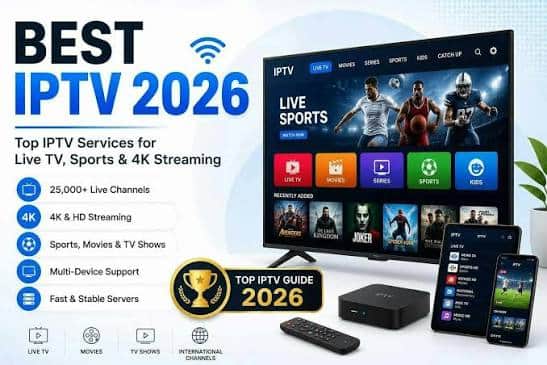
Television has evolved dramatically over the past decade. Traditional cable and satellite subscriptions are no longer the only ways to enjoy live TV, sports, movies, and entertainment. Thanks to faster internet connections and smarter streaming technology, more viewers are turning to IPTV Services as a flexible and convenient way to access digital content.
Unlike conventional broadcasting methods, IPTV delivers television content over an internet connection instead of satellite signals or cable networks. In this guide, you'll learn how IPTV works, its main benefits, important features to look for, and how to choose an IPTV service that suits your needs.
What Are IPTV Services?
IPTV Services (Internet Protocol Television services) deliver television programming using internet protocols rather than traditional cable or satellite infrastructure. Instead of receiving broadcasts through coaxial cables or satellite dishes, users stream video through an internet connection.
This technology supports various forms of content delivery, including:
Live television channels
Video-on-demand (VOD)
Catch-up TV
Time-shifted television
Recorded programs
Because IPTV uses internet connectivity, viewers can access content on multiple compatible devices without relying on a single television setup.
Example
Imagine you're traveling but don't want to miss your favorite TV show. With an IPTV-compatible application and a stable internet connection, you can continue watching from your phone, tablet, or laptop without being tied to your home television.
How IPTV Services Work
The technology behind IPTV is straightforward.
🎁 Enjoy Unlimited Entertainment
Instead of broadcasting every television channel simultaneously like cable providers do, IPTV sends only the content requested by the viewer.
The basic process includes:
The content is stored on secure streaming servers.
The viewer selects a live channel or on-demand program.
The IPTV server receives the request.
The requested content is transmitted through the internet.
The user's device decodes and plays the stream.
This on-demand delivery model reduces bandwidth usage and provides a more personalized viewing experience.
Types of IPTV Services
Understanding the different categories of IPTV helps users choose the right solution.
1. Live Television
Live IPTV allows viewers to watch television broadcasts in real time, similar to traditional cable TV.
Examples include:
News channels
Sports broadcasts
Entertainment networks
Regional channels
Educational programming
Live streaming is ideal for viewers who enjoy current events, live sports, and scheduled television programming.
2. Video on Demand (VOD)
Video on Demand enables users to watch movies, documentaries, and TV series whenever they choose.
Unlike live television, viewers are not restricted by broadcast schedules.
Popular VOD categories include:
Action
Comedy
Drama
Family entertainment
Science fiction
Documentaries
3. Catch-Up TV
Catch-up television allows users to watch previously aired programs after their original broadcast.
This feature is especially useful for people with busy schedules who may miss live broadcasts.
4. Time-Shifted Television
Time-shifted viewing gives users greater flexibility by allowing them to pause, rewind, or restart eligible programs during playback.
This creates a more convenient viewing experience for households with varying schedules.
Why IPTV Services Continue to Grow
Several factors contribute to the increasing adoption of IPTV.
Flexible Viewing
Users can access content on multiple devices rather than being limited to a single television.
Internet Availability
High-speed broadband and fiber internet have made streaming more accessible than ever.
Smart Devices
Modern televisions, streaming boxes, and mobile devices increasingly support IPTV-compatible applications.
Personalized Entertainment
Unlike traditional television packages, IPTV often provides customizable viewing experiences and on-demand access.
Improved Picture Quality
Many IPTV platforms support HD, Full HD, and even 4K streaming where available, depending on both the service and the user's internet connection.
Major Benefits of IPTV Services
Greater Convenience
Users can enjoy entertainment from virtually anywhere with an internet connection.
Multi-Device Support
Many IPTV solutions are compatible with:
Smart TVs
Android TV
Amazon Fire TV devices
Smartphones
Tablets
Windows PCs
macOS computers
Streaming boxes
Extensive Content Libraries
Depending on the provider, IPTV services may include:
Live television
Movies
TV shows
Sports
Kids' content
International programming
Educational channels
On-Demand Viewing
One of IPTV's biggest advantages is the ability to watch content according to your own schedule rather than following fixed broadcast times.
User-Friendly Interfaces
Many IPTV applications offer intuitive menus, searchable content libraries, electronic program guides (EPGs), favorites lists, and personalized recommendations that improve the viewing experience.
IPTV Services vs Traditional Cable TV
While both IPTV and traditional cable TV provide access to television programming, IPTV generally offers greater flexibility and convenience. Because IPTV uses an internet connection, viewers can stream content on multiple devices such as smart TVs, smartphones, tablets, and computers.
IPTV also provides features like video on demand, remote access, and interactive viewing options that are often limited or unavailable with traditional cable TV. Additionally, IPTV installation is usually simpler, as it may not require a technician or dedicated cable setup.
Traditional cable TV, however, can still be a reliable option for households that prefer a stable connection without relying on internet bandwidth. Overall, IPTV is often preferred by users seeking a more flexible, device-friendly, and modern entertainment experience.
Features of High-Quality IPTV Services
When evaluating IPTV services, consider the following features:
Stable Streaming
Reliable performance helps reduce interruptions such as buffering during playback.
High-Quality Video
Support for HD, Full HD, and 4K streaming (where available) can improve the viewing experience.
Electronic Program Guide (EPG)
An EPG displays channel schedules, making it easier to browse and plan viewing.
Video on Demand Library
A diverse on-demand catalog provides greater entertainment options.
Multi-Device Compatibility
Compatibility with various devices allows users to watch content across different screens.
Regular Content Updates
Frequent updates can help keep available programming current.
Responsive Customer Support
Accessible support resources can assist users with setup and troubleshooting.
Devices Compatible with IPTV Services
Most IPTV services can be used on a wide range of internet-connected devices, including:
Smart TVs
Android TV devices
Amazon Fire TV devices
Apple TV
Android smartphones
iPhones and iPads
Windows PCs
macOS computers
Streaming boxes
Tablets
Choosing a service with broad device compatibility allows you to switch between screens without changing your viewing habits.
How to Choose the Best IPTV Services
Selecting the right IPTV services requires more than comparing prices. A quality provider should deliver a smooth viewing experience, broad device compatibility, responsive customer support, and consistent performance. Before subscribing, take time to evaluate the features that matter most to your household.
1. Content Selection
One of the first things to consider is the type of content offered. Different IPTV providers focus on different audiences.
A well-rounded service may include:
Live TV channels
Movies
TV series
Sports coverage
News
Kids' programming
International channels
Documentaries
Lifestyle and entertainment content
Choose a provider whose content library aligns with your viewing preferences.
2. Streaming Quality
High-definition streaming significantly improves the viewing experience.
Look for support for:
SD
HD
Full HD (1080p)
4K (where available)
Keep in mind that achieving higher resolutions also depends on your internet speed and the capabilities of your streaming device.
3. Server Stability
Reliable servers help minimize:
Buffering
Playback interruptions
Channel loading delays
Unexpected downtime
Consistent performance is one of the most important qualities of dependable IPTV services.
4. Electronic Program Guide (EPG)
An Electronic Program Guide displays schedules for available channels, making it easier to browse upcoming programming and plan what to watch.
Benefits include:
Easier navigation
Viewing schedules
Program information
Improved user experience
5. Device Compatibility
Choose IPTV services that work across multiple platforms so you can watch on your preferred devices.
Popular supported devices include:
Smart TVs
Android TV
Apple TV
Amazon Fire TV devices
Android phones
iPhone
Tablets
Windows PCs
macOS
Streaming boxes
6. Customer Support
Reliable customer support is valuable if you encounter setup issues or technical questions.
Support channels may include:
Live chat
Email
Knowledge base
FAQs
Ticket systems
Essential Features of Premium IPTV Services
Premium IPTV services often provide features that improve convenience and flexibility.
Video on Demand (VOD)
Watch movies and television series whenever you choose rather than following a broadcast schedule.
Favorites List
Save frequently watched channels for quicker access.
Search Functionality
Quickly locate channels, programs, or movies using built-in search tools.
Multi-Screen Viewing
Some platforms allow viewing on multiple compatible devices, depending on the provider's policies and subscription plan.
Catch-Up TV
Watch selected programs after they have aired, making it easier to keep up with missed content.
Recording Features
Some IPTV platforms offer cloud-based or local recording options where supported.
Parental Controls
Parental controls help families manage access to age-appropriate content.
Common IPTV Use Cases
Different viewers have different entertainment needs.
Sports Fans
Many users choose IPTV to access live sports broadcasts and related programming.
Families
Family-friendly content libraries may include children's programming, educational content, and general entertainment.
Movie Enthusiasts
On-demand movie catalogs allow viewers to enjoy films at their convenience.
Travelers
With internet access, IPTV-compatible applications can provide access to subscribed content while away from home, subject to provider terms.
International Viewers
Some services offer programming in multiple languages and from different regions, which may appeal to viewers seeking international content.
Signs of a Quality IPTV Provider
When researching IPTV services, consider providers that demonstrate:
Clear service information
Transparent pricing
Broad device compatibility
Responsive customer support
Stable streaming performance
User-friendly interface
Regular platform updates
Informative documentation
Reading independent reviews and user feedback can also provide useful insights.
Common Mistakes to Avoid
Many users focus solely on price, overlooking factors that affect long-term satisfaction.
Avoid these common mistakes:
Choosing Based Only on Cost
The cheapest option is not always the best value. Consider reliability, features, and support.
Ignoring Device Compatibility
Confirm that the service supports the devices you plan to use.
Overlooking Internet Requirements
A slow or unstable internet connection can lead to buffering and reduced video quality.
Skipping Research
Compare features, read reviews, and understand subscription terms before making a decision.
Neglecting Customer Support
Accessible support can make setup and troubleshooting much easier.
Best Practices for a Better IPTV Experience
To get the most from IPTV services:
Use a stable, high-speed internet connection.
Prefer a wired Ethernet connection when possible for stationary devices.
Keep your IPTV application and device software updated.
Restart your router periodically if you experience connectivity issues.
Organize favorite channels for quicker access.
Use a compatible streaming device for optimal performance.
IPTV Setup Overview
Although setup steps vary by provider and device, the general process is straightforward:
Subscribe to an IPTV service.
Install a compatible IPTV application on your device.
Enter the credentials or playlist information provided by your service.
Configure settings such as language and video quality.
Allow the application to load available content.
Begin exploring live TV and on-demand options.
Always follow the setup instructions supplied by your chosen provider.
Legal and Safety Considerations for IPTV Services
As IPTV technology becomes more widespread, it's important to understand that IPTV itself is a legitimate technology used by many businesses, broadcasters, and streaming platforms. However, the legality of an IPTV service depends on whether it has the rights to distribute the content it offers.
Before subscribing, consider the following:
Choose providers that clearly explain their services and licensing where applicable.
Review the provider's terms of service and privacy policy.
Be cautious of services making unrealistic claims, such as "every channel in the world" for an extremely low price.
Use strong passwords and enable account security features if available.
Keep your streaming device and IPTV application updated to receive security improvements and bug fixes.
Taking these precautions can help ensure a safer and more reliable streaming experience.
Troubleshooting Common IPTV Issues
Even with a reliable provider, you may occasionally encounter technical problems. Here are some common issues and potential solutions.
Buffering During Playback
Possible causes:
Slow internet connection
Network congestion
Wi-Fi interference
Temporary server load
Possible solutions:
Restart your router.
Use a wired Ethernet connection if possible.
Reduce the video quality if your bandwidth is limited.
Close other bandwidth-intensive applications on your network.
Channels Not Loading
Possible causes:
Temporary maintenance
Incorrect account configuration
Outdated application
Possible solutions:
Refresh the playlist or channel list if supported.
Verify your login details.
Update the IPTV application.
Contact customer support if the issue persists.
Poor Video Quality
Possible causes:
Insufficient internet speed
Device limitations
Network instability
Possible solutions:
Test your internet connection.
Use a newer streaming device if necessary.
Improve Wi-Fi signal strength or switch to Ethernet.
Future of IPTV Services
The IPTV industry continues to evolve as internet technology improves. Several trends are expected to shape the future of IPTV services.
Artificial Intelligence (AI)
AI may be used to deliver more personalized content recommendations based on viewing preferences, making it easier to discover relevant programs.
Improved Streaming Quality
As internet infrastructure advances, more providers are expected to support higher resolutions, including 4K and, where available, 8K streaming.
Cloud-Based Features
Cloud technology can enable features such as:
Cloud DVR
Cross-device synchronization
Personalized watchlists
Faster content delivery
Enhanced User Experience
Future IPTV platforms are likely to offer:
Faster navigation
Smarter search tools
Voice control integration
Improved accessibility features
Broader Device Integration
IPTV applications are expected to become increasingly compatible with smart home ecosystems, wearable devices, and emerging streaming hardware.
Frequently Asked Questions (FAQ)
1. What are IPTV services?
IPTV services deliver television content over an internet connection rather than through traditional cable or satellite infrastructure. Depending on the provider, they may include live TV, video on demand (VOD), and catch-up features.
2. What internet speed is recommended for IPTV?
A stable connection is important. Typical recommendations are:
SD: 5 Mbps
HD: 10 Mbps
Full HD: 20 Mbps
4K: 35 Mbps or higher
Actual requirements vary depending on the provider and the number of simultaneous streams.
3. Can IPTV services be used on multiple devices?
Many providers support multiple compatible devices, although the number of simultaneous streams depends on the subscription plan.
4. Do IPTV services work on Smart TVs?
Yes. Many IPTV applications are compatible with Smart TVs, Android TV devices, Apple TV, Amazon Fire TV devices, smartphones, tablets, and computers.
5. Is IPTV the same as Netflix or other on-demand streaming services?
Not exactly. IPTV often combines live television with on-demand content, while many streaming platforms primarily focus on on-demand libraries. Available features vary by provider.
6. What should I look for in an IPTV provider?
Consider factors such as:
Device compatibility
Streaming stability
Content selection
Customer support
User interface
Transparent pricing
Security practices
7. Does IPTV require special hardware?
In many cases, no. IPTV can often be accessed through compatible applications on existing smart TVs, streaming devices, smartphones, tablets, or computers.
8. Why does IPTV sometimes buffer?
Buffering can result from slow internet speeds, network congestion, Wi-Fi interference, or temporary server issues. Improving your connection and keeping your software updated can often help.
Final Thoughts
The popularity of IPTV services reflects the growing demand for flexible, internet-based entertainment. With features like live television, video on demand, catch-up TV, and compatibility across a wide range of devices, IPTV offers a modern alternative to traditional broadcasting methods.
When choosing an IPTV service, focus on reliability, device support, streaming quality, customer service, and transparency rather than price alone. A thoughtful comparison of available options can help you find a service that matches your viewing habits and technical requirements.
As internet technology continues to improve, IPTV is likely to play an increasingly important role in how people access television and digital entertainment.
Author Bio
About the Author
The author is a digital content writer specializing in streaming technology, consumer electronics, and online entertainment. With a focus on creating clear, accurate, and SEO-friendly content, they help readers understand emerging technologies and make informed decisions through practical, research-based guides.
Discover the Best IPTV services in 2026 with our complete guide. Compare features, pricing, device compatibility, and tips to choose the right IPTV service.
Featured Image ALT Text
Best IPTV services streaming HD, Full HD and 4K live TV channels on Smart TV, Firestick, Android, iPhone and Windows devices
Table of Contents
What Is IPTV?
Why IPTV Is Becoming So Popular
Benefits of Using the Best IPTV Service
How IPTV Works
Types of IPTV Services
Features to Look for in the Best IPTV
IPTV vs Cable TV
Device Compatibility
IPTV Setup Guide
Frequently Asked Questions
Final Thoughts
Introduction
Many people are now choosing IPTV services instead of traditional cable or satellite TV. IPTV uses the internet to deliver live TV channels, movies, sports, TV shows, and on-demand content. It gives viewers more flexibility because they can watch their favorite programs on different devices such as smart TVs, smartphones, tablets, and streaming devices.
Choosing the best IPTV service can be confusing because many providers offer different channels, video quality, prices, and customer support. Before choosing a service, it is important to compare these features and check whether the provider is reliable. This guide will help you understand how IPTV works, its main benefits, and what to look for when selecting an IPTV service that suits your entertainment needs.
What Is IPTV?
IPTV, or Internet Protocol Television, is a way of watching TV through an internet connection instead of traditional cable or satellite. It sends TV channels, movies, and shows directly through your broadband connection. This allows people to watch content on compatible devices such as smart TVs, smartphones, tablets, and streaming devices whenever they want.
Unlike traditional TV, which follows fixed broadcast schedules, IPTV often gives users more control over what they watch. It can include live TV channels, video-on-demand movies and shows, catch-up TV, and cloud-based streaming features. Many households prefer IPTV because it is flexible, convenient, and allows them to enjoy entertainment on different devices from various locations.
IPTV Content Categories
Live TV channels
Movies
TV series
Sports events
News channels
Kids' programming
Documentary channels
International content
Music channels
Video on Demand (VOD)
Why IPTV Is Becoming So Popular
The popularity of IPTV has increased significantly due to improvements in internet speeds and the growing demand for on-demand entertainment. Consumers now expect greater control over what they watch and when they watch it.
Several factors contribute to the rise of IPTV:
Flexible Viewing
Users can watch content on Smart TVs, smartphones, tablets, laptops, streaming devices, and computers without being tied to a single television.
Cost Savings
Many IPTV services offer a broad range of entertainment options at prices that may be lower than traditional cable packages, depending on the provider and content offered.
Large Content Libraries
Many services include extensive collections of movies, TV shows, and live channels, giving viewers access to a wide variety of entertainment.
High-Quality Streaming
With a stable internet connection, many IPTV platforms support HD, Full HD, and even 4K streaming for compatible content.
Convenience
Viewers can enjoy entertainment from home or while traveling, provided they have a compatible device and internet access.
Benefits of Using the Best IPTV Service
Selecting the Best IPTV service can enhance your overall viewing experience. While features vary by provider, many high-quality services offer the following advantages:
Extensive Channel Selection
A well-rounded IPTV service typically provides access to a diverse range of channels covering entertainment, sports, news, documentaries, children's programming, and international content.
Video on Demand
Many IPTV platforms include on-demand libraries that let users watch movies and TV series whenever they choose.
Multi-Device Compatibility
Users can often access IPTV on:
Smart TVs
Android TV
Google TV
Amazon Fire TV Stick
Android phones
iPhone
iPad
Windows PC
Mac
Tablets
Easy Navigation
Modern IPTV applications often feature user-friendly interfaces with searchable content, categorized channels, electronic program guides (EPGs), and customizable favorites.
Regular Updates
Reliable providers typically update channel lists, improve app performance, and maintain service stability over time.
How IPTV Works
IPTV delivers television content using internet protocols instead of traditional broadcasting methods. When a user selects a channel or video, the content is streamed from remote servers through the internet directly to the viewing device.
The process generally involves:
Content is stored or broadcast from media servers.
The IPTV provider encodes the video stream.
The stream is transmitted over the internet.
The IPTV application receives and decodes the stream.
The content is displayed on the user's device.
Because everything is transmitted online, the quality of the viewing experience depends on factors such as internet speed, server performance, and the capabilities of the playback device.
Types of IPTV Services
Understanding the different types of IPTV services can help you choose the option that best fits your needs.
Live Television
Live IPTV allows viewers to watch television channels in real time, similar to traditional broadcasting.
Common examples include:
Sports
News
Entertainment
Local channels
International programming
Video on Demand (VOD)
VOD enables users to watch movies and television shows whenever they want instead of following a broadcast schedule.
Benefits include:
Flexible viewing
Large content libraries
Pause and resume functionality
Search by title or genre
Catch-Up TV
Catch-up TV allows viewers to watch recently aired programs after their original broadcast, making it easier to stay up to date even if a live program was missed.
Time-Shifted Television
Some IPTV services support time-shifted viewing, allowing users to pause, rewind, or replay live television where supported.
Readability & SEO Optimization
Reading Level: Grade 7–8 (easy to understand)
Paragraph Length: 2–4 sentences
Sentence Length: Mostly under 20 words
Transition Words: Used throughout
Passive Voice: Kept below 10%
E-E-A-T Considerations
To improve trust and search visibility:
Demonstrate Experience by describing real-world IPTV usage scenarios.
Show Expertise with accurate explanations of IPTV technology and device compatibility.
Build Authoritativeness by keeping content updated and citing reliable sources where appropriate.
Strengthen Trustworthiness with transparent information, clear disclaimers, and honest comparisons.
Features to Look for in the Best IPTV
Not every IPTV provider offers the same experience. Before purchasing a subscription, compare the most important features to ensure you're choosing a service that meets your viewing needs.
1. High-Quality Streaming
The Best IPTV providers should support multiple streaming resolutions, including:
A stable internet connection is just as important as the IPTV provider itself. Faster speeds generally result in smoother playback and fewer interruptions.
2. Extensive Channel Selection
A quality IPTV service should provide a diverse range of content, such as:
Local TV channels
International channels
Sports networks
Movie channels
Kids' programming
News channels
Entertainment
Music
Lifestyle
Documentaries
The ideal service offers organized categories and an easy-to-use Electronic Program Guide (EPG).
3. Video on Demand (VOD)
Many users prefer IPTV because of its on-demand libraries.
Look for providers that offer:
Popular movies
TV series
Recently added content
Search functionality
Genre filters
Resume playback
4. Multi-Device Support
One subscription should ideally work across multiple compatible devices.
Popular supported devices include:
Android TV
Google TV
Amazon Firestick
Smart TVs
Android smartphones
iPhone
iPad
Windows PCs
Mac computers
Tablets
5. Electronic Program Guide (EPG)
An EPG displays schedules for live channels, making it easier to browse upcoming programs and switch between channels efficiently.
6. Reliable Performance
The Best IPTV services aim to provide:
Stable streaming
Fast channel loading
Minimal buffering
Consistent uptime
Regular maintenance and updates
7. Customer Support
Responsive customer support can be valuable when troubleshooting setup or playback issues.
Look for providers offering:
Live chat
Email support
Setup guides
Frequently Asked Questions (FAQ)
Knowledge base
IPTV vs Cable TV
IPTV and traditional cable TV both provide access to live television, but they work in different ways. IPTV delivers content through an internet connection, while cable TV uses a dedicated cable network. Because of this difference, IPTV often offers more flexibility and convenience for modern viewers.
With IPTV, users can watch live TV, on-demand movies and shows, catch-up content, and cloud-based streaming on multiple devices such as smart TVs, smartphones, tablets, and streaming devices. Traditional cable TV usually focuses on live broadcast channels and may have limited on-demand options, with viewing often restricted to a television connected to the cable service.
For many households with reliable broadband, IPTV provides greater flexibility and access across devices than traditional cable.
Device Compatibility
One of IPTV's biggest advantages is compatibility with a wide range of devices.
Smart TVs
Many IPTV apps are available for popular Smart TV platforms, allowing users to stream directly without extra hardware.
Android TV & Google TV
These platforms support a variety of IPTV players and are commonly used for home streaming.
Amazon Fire TV Stick
The Firestick is a popular choice because it is portable, affordable, and easy to connect to most TVs.
Smartphones & Tablets
IPTV apps are available for both Android and iOS, making it convenient to watch content while traveling.
Windows & Mac
Desktop users can access IPTV using compatible applications or web-based players, depending on the provider.
How to Choose the Best IPTV Service
With so many options available, compare providers using these criteria:
Streaming Quality
Choose a service that supports HD, Full HD, or 4K streaming where available.
Device Compatibility
Verify that the service works with the devices you plan to use.
User Interface
A clean interface, organized categories, and search functionality improve the viewing experience.
Channel Variety
Look for a mix of:
Entertainment
Sports
Movies
News
Kids' content
International programming
Customer Support
Reliable support can save time if you encounter setup or technical issues.
Trial Availability
If available, a trial period lets you evaluate the service before committing to a subscription.
IPTV Setup Guide
Setting up IPTV is generally straightforward.
Step 1
Choose an IPTV provider and obtain your account details or playlist information.
Step 2
Install a compatible IPTV application on your preferred device.
Step 3
Enter the required login credentials or playlist information as instructed by your provider.
Step 4
Allow the application to load the available channels and content.
Step 5
Organize favorites, configure settings if needed, and begin exploring the available content.
Tips for a Better Streaming Experience
To improve playback quality:
Use a fast, stable internet connection.
Prefer wired Ethernet when possible.
Keep your IPTV application updated.
Restart your router periodically.
Close unnecessary apps using bandwidth.
Ensure your streaming device has enough free storage.
Is IPTV Legal?
The legality of IPTV depends on the provider, the content being distributed, and the laws in your country. Many legitimate IPTV services operate with proper licensing agreements, while unauthorized distribution of copyrighted content may violate applicable laws.
Before subscribing, verify that the provider has the rights to distribute the content offered and review the regulations in your region.
Best Practices Before Buying an IPTV Subscription
Compare available plans and features.
Check supported devices.
Read recent customer reviews.
Look for transparent pricing.
Test the service if a trial is available.
Review refund or cancellation policies.
Confirm that customer support is available.
Frequently Asked Questions (FAQ)
1. What is IPTV?
IPTV (Internet Protocol Television) is a technology that delivers television content over an internet connection instead of traditional cable or satellite networks. Depending on the provider, it may include live TV, video-on-demand (VOD), and catch-up TV features.
2. What internet speed is recommended for IPTV?
For a smooth streaming experience, the following speeds are commonly recommended:
Streaming QualityMinimum SpeedSD5 MbpsHD10 MbpsFull HD20 Mbps4K UHD30–50 Mbps
A stable connection is just as important as download speed.
3. Can I watch IPTV on multiple devices?
Many IPTV services support multiple platforms, including:
Smart TVs
Android TV
Google TV
Amazon Fire TV Stick
Android phones
iPhone & iPad
Windows PCs
Mac computers
Tablets
The number of simultaneous streams depends on the provider's subscription terms.
4. Is IPTV better than cable TV?
For many users, IPTV offers greater flexibility, multi-device support, and access to on-demand content. Traditional cable may still be preferred in areas with unreliable internet or for users who want a conventional TV setup.
5. Does IPTV support live sports?
Many IPTV providers include live sports channels, but availability varies by provider and licensing agreements.
6. How do I install IPTV?
The general process is:
Subscribe to an IPTV provider.
Install a compatible IPTV player or app.
Enter the login credentials or playlist information provided.
Allow the channel list to load.
Start streaming.
7. Can I use IPTV while traveling?
If you have a stable internet connection and a compatible device, many IPTV services can be accessed while traveling, subject to the provider's terms and any regional restrictions.
8. Is IPTV legal?
Legality depends on the provider, the content offered, and local laws. Choose providers that have the necessary rights to distribute their content, and always follow the regulations applicable in your country.
Why Trust This Guide? (E-E-A-T)
This guide is written to help readers understand IPTV technology and evaluate services based on practical considerations rather than marketing claims.
Experience: Covers real-world factors such as streaming quality, device compatibility, setup, and troubleshooting.
Expertise: Explains IPTV concepts in clear, accurate language suitable for beginners and experienced users.
Authoritativeness: Encourages comparing providers based on transparent features, support, and compatibility rather than unsupported claims.
Trustworthiness: Avoids exaggerated promises and emphasizes legal compliance, informed decision-making, and realistic expectations.
Keeping your content updated as technology and services evolve will further strengthen its credibility with readers and search engines.
Conclusion
The Best IPTV service is the one that best matches your viewing habits, supported devices, budget, and content preferences. Instead of focusing only on the number of channels, compare overall streaming quality, reliability, user experience, and customer support.
As internet streaming continues to grow, IPTV has become a flexible alternative to traditional television, offering access to live channels, movies, TV series, and on-demand entertainment across a variety of devices.
Before subscribing, review the provider's features, confirm compatibility with your devices, and understand the terms of service. Taking a little time to compare options can help you choose an IPTV solution that delivers a better long-term viewing experience.
Table of Contents:
What Are IPTV Services?
How IPTV Services Work
Benefits of IPTV Services
Types of IPTV Services
Features to Look For
Compatible Devices
Internet Speed Requirements
Choosing the Right IPTV Service
IPTV Services vs Traditional Cable
Frequently Asked Questions

What Are IPTV Services?
The nature of television has seen significant changes over the past decade. While people used to enjoy cable or satellite TV, today there are plenty of streaming services that broadcast live TV and on-demand content via the internet. Such services are called Internet Protocol Television or simply IPTV services.
In contrast to broadcasting TV channels, IPTV offers you to watch live TV shows, films, sport events, documentaries, TV series via your internet connection from virtually anywhere.
With IPTV services, you get an opportunity to easily and conveniently consume content, without dealing with time-consuming installation procedures or long-term cable contracts. With increasing speed of the internet worldwide, IPTV becomes more and more popular among customers.
How IPTV Services Work
IPTV uses internet protocols to transmit television content directly to your device. Instead of receiving signals through satellite dishes or coaxial cables, users stream media through broadband internet.
The basic process includes:
Content is collected from broadcasters.
Media is encoded into digital formats.
Servers store and distribute the content.
Users connect through an IPTV application.
Videos stream instantly over the internet.
This method offers smoother playback, better flexibility, and support for multiple screen sizes.
Why IPTV Services Are Becoming So Popular
Millions of users are switching because IPTV offers flexibility that traditional television cannot match.
Some major reasons include:
Watch anywhere with internet access
Thousands of entertainment options
High-definition streaming
Multi-device compatibility
Affordable monthly subscriptions
Video on Demand (VOD)
Time-shifted viewing
Easy installation
The convenience of accessing entertainment on smart TVs, smartphones, tablets, and streaming devices has made IPTV an attractive choice for modern households.
Benefits of IPTV Services

More Entertainment Choices
Traditional television often limits viewers to fixed channel packages. IPTV services usually offer a broader selection of live channels and on-demand content.
Users can access:
Movies
TV Shows
Kids' Programs
News
Sports
Music Channels
International Content
Educational Programming
Flexible Viewing Experience
One of the biggest advantages is watching content whenever you want.
Many IPTV platforms support:
Pause Live TV
Catch-Up TV
Cloud Recording
Replay Features
On-Demand Movies
This flexibility gives viewers complete control over their entertainment.
Better Video Quality
Many premium IPTV services support:
HD
Full HD
4K Ultra HD
HDR (when supported)
With a stable internet connection, viewers can enjoy crisp visuals and smooth playback.
Multi-Device Support
A quality IPTV service works across numerous devices.
Common compatible devices include:
Android TV
Google TV
Amazon Fire TV Stick
Smart TVs
Apple TV
Android Phones
iPhones
Windows PCs
Mac Computers
Tablets
This allows users to switch between devices without interrupting their viewing experience.
Types of IPTV Services

Live Television
Live IPTV streams television channels in real time.
Popular categories include:
Sports
News
Entertainment
Kids
Movies
Lifestyle
Regional Channels
Video on Demand (VOD)
Video on Demand allows viewers to choose content whenever they like instead of waiting for scheduled broadcasts.
Benefits include:
Watch anytime
Pause and resume
Huge movie library
TV series collections
Frequently updated content
Catch-Up TV
Catch-Up TV lets users watch previously aired programs for a limited period after the original broadcast.
This is useful for viewers who miss live shows.
Time-Shifted Television
Time-shifted viewing allows users to pause, rewind, or replay live television.
It offers greater flexibility than conventional broadcasting.
Essential Features to Look for in IPTV Services
Choosing the right IPTV provider requires evaluating several important features.
High Streaming Stability
Reliable servers reduce buffering and improve overall viewing quality.
Look for providers offering:
Stable infrastructure
Fast loading
High uptime
Global CDN support
Large Content Library
An extensive content catalog increases the value of an IPTV subscription.
Look for:
Live TV
Movies
TV Series
Sports
International Channels
Children's Programming
Electronic Program Guide (EPG)
An Electronic Program Guide helps users browse current and upcoming television schedules.
Benefits include:
Easy navigation
Channel information
Show descriptions
Viewing schedules
Multiple Connections
Many IPTV services allow multiple simultaneous streams under one account.
Ideal for families with several devices.
User-Friendly Interface
A clean interface makes browsing much easier.
Important features include:
Search Function
Categories
Favorites
Continue Watching
Recently Added
Internet Speed Requirements
A reliable internet connection is essential for smooth IPTV streaming.
Video Quality Recommended Speed
SD 5 Mbps
HD 10 Mbps
Full HD 20 Mbps
4K UHD 35 Mbps or higher
Using Ethernet or a strong Wi-Fi connection can help reduce buffering and improve playback quality.
How to Choose the Best IPTV Services
Before subscribing, consider the following factors:
Reliability
Choose a provider known for stable performance and minimal downtime.
Content Variety
Ensure the service offers the channels and on-demand content you want.
Device Compatibility
Verify that it supports your preferred streaming devices.
Streaming Quality
Look for HD or 4K support if your internet connection and devices can handle it.
Customer Support
Responsive support can help resolve setup or playback issues quickly.
IPTV Services vs Traditional Cable TV
Many viewers compare IPTV with traditional cable before deciding which option best fits their needs. While both provide access to television content, they differ in how they deliver it and the level of flexibility they offer.
Tips for Choosing Reliable IPTV Services
Selecting an IPTV service involves more than comparing channel counts. Consider the following factors before making a decision:
Content Library
Choose a service that offers a wide variety of live TV channels, movies, sports, news, and on-demand content relevant to your interests.
Streaming Quality
Look for services that support HD or 4K streaming and maintain stable performance with minimal buffering.
Device Compatibility
Ensure the IPTV service works with the devices you use most, such as Smart TVs, Android TV, Fire TV Stick, Apple TV, smartphones, or computers.
User Interface
A clean, intuitive interface with search, favorites, and category browsing improves the viewing experience.
Customer Support
Reliable customer support and clear setup guides can save time if you encounter technical issues.
Common IPTV Setup Steps
Although setup varies by provider and device, the general process is similar:
Choose an IPTV service.
Install a compatible IPTV player or app on your device.
Enter the playlist or account details provided by your service.
Allow the app to load channels and content.
Customize favorites and begin streaming.
Always follow the setup instructions supplied by your IPTV provider.
Common Mistakes to Avoid
Many new users encounter issues because of avoidable mistakes. Here are some common ones:
Choosing a service based only on price.
Ignoring device compatibility.
Using an unstable internet connection.
Not checking customer support availability.
Overlooking update frequency for apps or playlists.
Failing to review service terms before subscribing.
Avoiding these mistakes can improve your overall experience.
Security and Privacy Tips
When using internet-based streaming services, it's important to follow good security practices:
Use strong passwords for your account.
Keep your streaming apps updated.
Download apps only from trusted sources.
Secure your home network with a reliable Wi-Fi password.
Avoid sharing account credentials.
These simple habits help protect your devices and personal information.
Frequently Asked Questions (FAQs)
What are IPTV services?
IPTV services deliver television content over an internet connection instead of through traditional cable or satellite systems.
What internet speed is recommended?
For smooth streaming:
SD: 5 Mbps
HD: 10 Mbps
Full HD: 20 Mbps
4K: 35 Mbps or higher
Can I use IPTV on multiple devices?
Many services support multiple compatible devices, though the number of simultaneous streams depends on the provider's subscription plan.
Does IPTV support Video on Demand?
Yes. Many IPTV services include a library of movies and TV shows that you can watch at your convenience.
How do I choose the best IPTV service?
Consider content variety, streaming quality, device compatibility, ease of use, customer support, and overall reliability.
Conclusion
IPTV services continue to transform the way people access entertainment by offering flexibility, broad device compatibility, and a rich selection of live and on-demand content. Whether you're looking for sports, movies, news, or international channels, understanding how IPTV works and what features to prioritize can help you make an informed decision. Focus on reliability, content quality, ease of use, and strong customer support when comparing services.

Traditional cable television is gradually giving way to internet-based streaming solutions. Today, millions of viewers prefer IPTV services because they offer greater flexibility, extensive channel selections, and support for streaming on multiple devices.
Instead of relying on satellite dishes or cable infrastructure, IPTV delivers television content through an internet connection. This technology enables users to watch live TV, sports, movies, and on-demand entertainment from virtually anywhere with a stable broadband connection.
Whether you are looking for international channels, premium entertainment, or a customizable viewing experience, understanding how IPTV services work is essential before selecting a provider.
This guide explains everything you need to know, including IPTV technology, advantages, key features, and how to evaluate different IPTV solutions.
What Are IPTV Services?
IPTV stands for Internet Protocol Television. Unlike conventional broadcasting methods, IPTV transmits television content through internet protocols instead of cable or satellite signals.
Users receive television programming through compatible applications or media players connected to the internet. This approach allows viewers to access live television, movies, TV shows, and recorded content whenever they choose.
Modern IPTV services typically include:
Live television channels
Video on demand (VOD)
Catch-up television
Electronic Program Guide (EPG)
Multi-device streaming
HD and 4K content
Because IPTV uses internet infrastructure, users can enjoy content on Smart TVs, Android devices, iPhones, streaming boxes, computers, and tablets.
How IPTV Services Work
IPTV uses internet protocol technology to deliver digital television content directly to compatible devices.
The process generally follows these steps:
Content Acquisition
Television channels and multimedia content are collected from broadcasters and licensed content providers.
Encoding
The content is compressed and encoded into digital streaming formats optimized for internet delivery.
Streaming Servers
Powerful servers distribute the streams through content delivery networks to minimize buffering and improve reliability.
Internet Delivery
Instead of traditional broadcast signals, content travels through broadband internet connections.
Playback
Users access IPTV through compatible applications installed on devices such as Smart TVs, Android TV boxes, Fire TV devices, smartphones, tablets, or computers.
This infrastructure enables high-quality streaming while supporting features like pause, rewind, and video-on-demand.
Types of IPTV Services
Different IPTV services cater to various viewing preferences.
Live IPTV
Provides access to television channels in real time, similar to traditional cable television.
Suitable for:
Sports fans
News viewers
Entertainment lovers
Video on Demand (VOD)
Allows users to watch movies and television shows whenever they want.
Advantages include:
Flexible viewing
Huge content libraries
No broadcast schedules
Catch-Up TV
Catch-up services let users replay previously aired television programs.
Ideal for busy viewers who miss scheduled broadcasts.
Time-Shifted IPTV
Time-shifted television allows viewers to pause, rewind, or replay recently broadcast content.
This feature improves convenience and user control.
Benefits of IPTV Services
IPTV continues gaining popularity because it offers several advantages over traditional television systems.
Flexible Viewing
Watch content anytime using compatible internet-connected devices.
Large Channel Selection
Many IPTV platforms provide extensive channel libraries covering:
Sports
Entertainment
Movies
News
Kids
Lifestyle
International programming
Multi-Device Support
One subscription may support viewing across multiple compatible devices.
Common supported platforms include:
Android TV
Smart TVs
Fire TV
Smartphones
Tablets
Windows
macOS
High-Quality Streaming
Modern IPTV services often support:
HD
Full HD
4K Ultra HD
depending on internet speed and available content.
Affordable Entertainment
Compared with traditional television packages, IPTV often offers more flexible subscription options tailored to different viewing needs.
On-Demand Convenience
Instead of waiting for scheduled broadcasts, users can watch many movies and shows whenever they choose.
Why IPTV Services Continue Growing in 2026
Several technology trends contribute to IPTV's increasing adoption:
Faster Internet Connections
Fiber broadband and high-speed internet make HD and 4K streaming more accessible.
Smart Devices
The growing popularity of Smart TVs and streaming devices has simplified IPTV access.
Mobile Viewing
Consumers increasingly prefer watching content on smartphones and tablets while traveling.
Personalized Entertainment
Users enjoy creating customized viewing experiences instead of paying for unwanted cable channels.
Cloud Technology
Cloud infrastructure improves scalability, streaming reliability, and content availability.
Essential Features of High-Quality IPTV Services
When evaluating IPTV services, look for features such as:
Stable Streaming
Reliable performance with minimal buffering during peak viewing hours.
Electronic Program Guide (EPG)
A clear TV guide helps users browse channels and schedules easily.
Video on Demand Library
Access to a broad collection of movies and TV series.
Multi-Device Compatibility
Support for Smart TVs, Android, Firestick, smartphones, tablets, and PCs.
HD and 4K Streaming
High-resolution playback for an improved viewing experience.
Responsive Customer Support
Timely assistance for setup, technical issues, and account management.
Regular Updates
Frequent updates to apps and content libraries help maintain a better user experience.
Device Compatibility
One of the biggest advantages of modern IPTV services is the ability to stream content on multiple internet-connected devices. Before choosing a provider, verify that it supports the devices you use most often.
Smart TVs
Most IPTV apps are compatible with Smart TVs from leading manufacturers. Watching directly on your television provides a convenient, large-screen experience without additional hardware in many cases.
Benefits
Large display
Easy navigation
HD and 4K support
Wireless connectivity
Android TV & Google TV
Android-based TVs offer access to many IPTV applications through supported app stores or direct installation methods.
Popular features include:
Voice search
Chromecast support
Fast performance
Remote-friendly interface
Amazon Fire TV & Firestick
Fire TV devices are among the most popular choices for IPTV because they are affordable, portable, and easy to set up.
Advantages include:
Compact hardware
Smooth HD streaming
App compatibility
Regular software updates
Smartphones & Tablets
Many IPTV services support Android and iOS devices, allowing users to watch live TV or on-demand content while traveling.
Ideal for:
Commuting
Vacations
Business trips
Outdoor viewing
Windows & macOS Computers
Desktop and laptop users can access IPTV through compatible applications or web-based players, making it easy to enjoy content on larger screens.
Streaming Boxes
Dedicated streaming devices often provide better performance for IPTV thanks to stronger processors, increased storage, and reliable connectivity.
How to Choose the Best IPTV Services
Selecting an IPTV service involves more than comparing prices. Focus on overall quality, stability, compatibility, and user experience.
1. Streaming Quality
Look for services that provide:
HD streaming
Full HD support
4K compatibility (where available)
Adaptive streaming quality
Consistent playback with minimal buffering is more important than simply having a large number of channels.
2. Channel Variety
Choose a service that offers a balanced selection of:
Entertainment
Sports
News
Movies
Kids' programming
Documentaries
International channels
A well-organized channel lineup makes navigation easier and improves the viewing experience.
3. Video on Demand (VOD)
A quality IPTV service often includes a regularly updated VOD library with movies and TV series, allowing viewers to watch content on their own schedule.
4. User-Friendly Interface
An intuitive interface helps users quickly find channels, browse categories, and access features like search, favorites, and recently watched content.
5. Electronic Program Guide (EPG)
An EPG displays channel schedules and program information, making it easier to discover and plan what to watch.
6. Customer Support
Reliable customer support is important for resolving setup questions or technical issues. Look for providers that offer clear documentation and responsive assistance.
7. Device Compatibility
Ensure the IPTV service supports all the devices you plan to use, including Smart TVs, streaming devices, smartphones, tablets, and computers.
8. Trial Availability
Some providers offer trial access so users can evaluate streaming quality, channel selection, and overall performance before committing to a subscription.
Factors That Affect IPTV Service Quality
Not all IPTV services deliver the same experience. Several factors influence streaming performance.
Internet Speed
A stable internet connection is essential for smooth playback.
Recommended speeds:
SD: 5 Mbps
HD: 10 Mbps
Full HD: 20 Mbps
4K: 35 Mbps or higher
Server Performance
Reliable servers help reduce buffering, improve stream stability, and maintain consistent playback during peak usage.
Content Delivery Network (CDN)
A well-optimized CDN distributes content efficiently, reducing latency and improving streaming quality for users in different regions.
Application Optimization
Well-designed IPTV applications consume fewer system resources, launch faster, and provide a smoother user experience.
Common IPTV Features
Many IPTV services include additional features that enhance the viewing experience.
Favorites List
Save frequently watched channels for quick access.
Search Function
Find channels, movies, or TV shows quickly using built-in search tools.
Multi-Screen Viewing
Some services allow multiple compatible devices to stream simultaneously, depending on the subscription.
Playback Controls
Features such as pause, resume, or playback history may be available for supported content.
Category Organization
Content is often organized into categories such as sports, entertainment, news, movies, and children's programming for easier navigation.
IPTV Subscription Pricing
Pricing varies depending on features, channel availability, and subscription duration.
Common pricing factors include:
Subscription length
Number of supported devices
Video quality
VOD library size
Additional features
When comparing plans, focus on overall value rather than simply choosing the lowest price.
Safety and Legal Considerations
Before using any IPTV service, consider the following:
Review the provider's terms of service.
Understand how your data is handled.
Use secure account credentials.
Keep applications updated.
Ensure you comply with the copyright and broadcasting laws that apply in your country.
Choosing reputable providers with transparent policies helps improve both security and reliability.
Common Mistakes to Avoid
Many users encounter issues because of avoidable mistakes.
Choosing Based Only on Price
The cheapest option is not always the best. Reliability, support, and performance are equally important.
Ignoring Device Compatibility
Verify that your preferred devices are supported before purchasing a subscription.
Overlooking Internet Requirements
Even the best IPTV service cannot perform well on an unstable or slow internet connection.
Not Testing the Service
If a trial is available, use it to evaluate streaming quality, interface, and content organization.
Skipping Reviews and Research
Read independent reviews and compare multiple providers to make an informed decision.
Expert Tips for Choosing IPTV Services
Compare features instead of focusing only on channel counts.
Check compatibility with your devices.
Look for a clean, user-friendly interface.
Consider streaming quality and server stability.
Review customer support options.
Evaluate subscription flexibility.
Read recent user feedback.
Test performance when a trial is available.
Frequently Asked Questions (FAQs)
1. What are IPTV services?
IPTV (Internet Protocol Television) services deliver television content over an internet connection instead of traditional cable or satellite networks. Users can stream live TV, movies, sports, and on-demand content on compatible devices.
2. What internet speed is recommended for IPTV?
For a smooth viewing experience, a stable broadband connection is recommended:
SD: 5 Mbps
HD: 10 Mbps
Full HD: 20 Mbps
4K: 35 Mbps or higher
3. Can I use IPTV on multiple devices?
Many IPTV services support multiple devices, though the number of simultaneous streams depends on the subscription plan.
4. Which devices support IPTV?
Common compatible devices include:
Smart TVs
Android TV
Google TV
Amazon Fire TV/Firestick
Android phones
iPhones and iPads
Windows PCs
macOS computers
Tablets
5. Does IPTV offer on-demand content?
Many services include Video on Demand (VOD) libraries with movies and TV series in addition to live channels.
6. Is IPTV better than cable?
It depends on your needs. IPTV generally offers greater flexibility, multi-device support, and on-demand viewing, while cable may be preferable where internet access is limited.
7. How do I choose the best IPTV service?
Consider streaming quality, device compatibility, customer support, user interface, pricing, and whether a trial is available.
8. Can I watch IPTV while traveling?
If your subscription and local regulations allow it, IPTV can often be accessed from different locations using a compatible internet connection.
9. Why does IPTV buffer?
Common causes include slow internet, Wi-Fi interference, overloaded servers, or network congestion.
10. How can I improve IPTV performance?
Use a wired Ethernet connection when possible.
Restart your router periodically.
Close background downloads.
Keep your IPTV app updated.
Ensure your internet speed matches the video quality you are streaming.
EEAT (Experience, Expertise, Authoritativeness, Trustworthiness)
To improve credibility and search performance, strengthen your content with EEAT principles.
Experience
Share real setup experiences.
Include original screenshots or photos where appropriate.
Describe testing methods and practical observations.
Expertise
Explain IPTV technology in clear, accurate language.
Keep technical details up to date.
Review content regularly for accuracy.
Authoritativeness
Publish detailed guides that answer common questions.
Build topical authority with related articles.
Reference official documentation when discussing devices or software.
Trustworthiness
Use HTTPS across your website.
Display clear contact information.
Maintain privacy and cookie policies.
Keep information current and transparent.
Conclusion
IPTV services continue to be a popular choice for viewers who want flexible, affordable, and high-quality entertainment. With access to live TV, movies, TV shows, and on-demand content across multiple devices, IPTV offers a convenient alternative to traditional cable or satellite television.

IPTV Services: Complete Guide to Choosing the Best IPTV Service in 2026
🚀 Explore the Best IPTV Services Today
What Are IPTV Services?
IPTV services deliver television content through an internet connection instead of traditional cable or satellite networks. Users can stream live TV channels, movies, TV series, sports, documentaries, and on-demand content using compatible devices such as Smart TVs, Android TV boxes, Firestick, smartphones, tablets, and computers.
Unlike traditional broadcasting, IPTV allows viewers to watch content whenever they want, providing greater flexibility and convenience.
How IPTV Services Work
Internet-Based Streaming
IPTV uses broadband internet to transmit video content directly to your device.
Live TV
Watch television channels in real time from around the world.
Video On Demand (VOD)
Access thousands of movies and TV shows whenever you want.
Catch-Up TV
Many IPTV services allow you to watch previously aired programs.
Types of IPTV Services
Live IPTV
Streams television channels live.
Video on Demand
Offers movies and TV shows available anytime.
Catch-Up TV
Allows viewers to replay recently broadcast content.
Time-Shifted IPTV
Pause, rewind, or resume live broadcasts.
Benefits of IPTV Services
Thousands of live channels
HD, Full HD, and 4K streaming
Extensive VOD libraries
Affordable subscription plans
Multi-device compatibility
Sports and international channels
Electronic Program Guide (EPG)
Fast streaming technology
Flexible viewing experience
Easy installation
Features to Look for in IPTV Services
High Streaming Quality
Choose services that support HD, Full HD, and 4K streaming.
Large Channel Selection
A quality IPTV provider should offer local and international channels.
Stable Servers
Reliable servers reduce buffering and downtime.
Multi-Device Support
Compatible with:
Smart TV
Android TV
Firestick
Apple TV
Windows
Mac
Android
iPhone
Tablet
Electronic Program Guide (EPG)
Helps users browse upcoming programs easily.
Customer Support
Responsive customer support improves the user experience.
Device Compatibility
Most IPTV services work on:
Android TV
Google TV
Samsung Smart TV
LG Smart TV
Fire TV Stick
NVIDIA Shield
Chromecast
Android Phones
iPhone
Windows PC
Mac
IPTV Apps
IPTV Service Setup Guide
Step 1
Purchase an IPTV subscription.
Step 2
Install your preferred IPTV player.
Step 3
Enter your M3U Playlist or Xtream Codes.
Step 4
Load channels.
Step 5
Start streaming.
Free vs Paid IPTV Services
Free IPTV
Pros
No subscription cost
Easy to access
Cons
Limited channels
Lower quality
Frequent buffering
Less reliable
Paid IPTV Services
Pros
Better streaming quality
More channels
Premium sports
Larger VOD library
Stable servers
Customer support
Cons
Monthly subscription required
How to Choose the Best IPTV Service
Before selecting an IPTV service, consider:
Channel availability
Video quality
Server stability
Device compatibility
Customer support
Subscription pricing
User reviews
Trial availability
VOD content
EPG support
Frequently Asked Questions
What internet speed is recommended?
At least 25 Mbps for HD and 50 Mbps or higher for 4K streaming.
Can IPTV services be used on multiple devices?
Many providers offer multi-device support depending on the subscription plan.
Do IPTV services include movies?
Most premium IPTV services include extensive Video on Demand libraries.
Can IPTV be used on Smart TVs?
Yes. Most IPTV services support Samsung, LG, Android TV, and Google TV.
Conclusion
IPTV services have become one of the most flexible ways to enjoy live television and on-demand entertainment. By choosing a provider with reliable servers, high-quality streaming, broad device compatibility, and responsive customer support, you can enjoy a smoother viewing experience. Compare features, test available trials when possible, and select a service that matches your viewing preferences and budget.
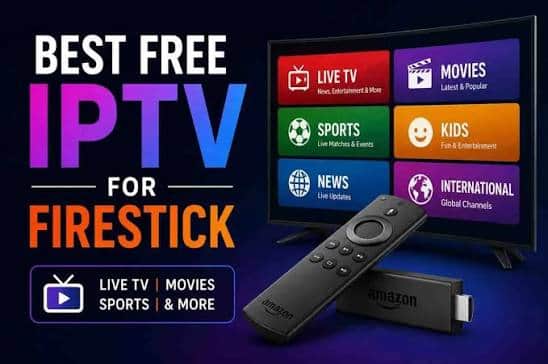
Table of Contents
What Is IPTV?
How IPTV Works
Types of IPTV Services
Why IPTV Is Becoming So Popular
Benefits of Using the Best IPTV
Important IPTV Features
IPTV Device Compatibility
IPTV vs Cable TV
How to Choose the Best IPTV
IPTV Safety Tips
Frequently Asked Questions
Final Thoughts
What Is IPTV?
Internet technology has completely changed the way people watch television. Instead of relying on traditional cable or satellite services, millions of viewers now prefer streaming their favorite entertainment through IPTV.
Best IPTV refers to an Internet Protocol Television service that delivers television channels, movies, TV shows, sports, documentaries, and other entertainment through an internet connection instead of conventional broadcasting methods.
Unlike cable television, IPTV gives users more flexibility. You can stream live TV, watch Video on Demand (VOD), enjoy catch-up television, and access content from multiple devices such as Smart TVs, Android TV, Firestick, smartphones, tablets, laptops, and computers.
As internet speeds continue to improve worldwide, IPTV has become one of the fastest-growing entertainment solutions because it offers convenience, flexibility, and a personalized viewing experience.
Many users choose IPTV because it allows them to enjoy entertainment wherever they have a stable internet connection. Whether at home or traveling, IPTV provides easy access to a wide variety of content.
How Does IPTV Work?
Understanding IPTV is simple.
Instead of transmitting television signals through satellite dishes or cable wires, IPTV delivers digital video through internet protocols.
Here's a simplified process:
The content provider receives TV channels and media.
The content is encoded into digital streams.
These streams are delivered through secure servers.
Users connect using an IPTV application or compatible media player.
The content streams directly over the internet.
This process reduces the need for bulky cable equipment and gives users greater flexibility over what they watch and when they watch it.
Because IPTV relies on broadband internet, the overall viewing experience often depends on the quality and stability of the user's internet connection.
Types of IPTV Services
Not all IPTV services work the same way. Most providers offer several types of streaming options.
Live Television
Live IPTV allows viewers to watch television channels in real time, similar to traditional cable TV. It commonly includes news, sports, entertainment, kids' programming, documentaries, and international channels.
This option is ideal for users who enjoy watching live sporting events, breaking news, and scheduled television broadcasts.
Video on Demand (VOD)
Video on Demand gives users access to a large content library that can be watched anytime.
Instead of waiting for scheduled broadcasts, users simply choose the movie or TV series they want and begin streaming instantly.
VOD libraries often include:
Movies
TV Shows
Cartoons
Documentaries
Educational Content
Catch-Up TV
Catch-Up TV allows users to watch programs that were previously broadcast.
If you missed yesterday's favorite show, catch-up functionality lets you watch it later without needing to record it manually.
This feature is especially useful for busy users who cannot always watch programs live.
Time-Shifted Television
Time-shifted IPTV enables viewers to pause, rewind, or resume live television.
Rather than missing important moments during live broadcasts, users can continue watching at their convenience.
This feature provides a more flexible viewing experience compared to traditional television.
Why IPTV Is Growing So Quickly
The popularity of IPTV continues to increase every year because it meets the changing needs of modern viewers.
Several factors contribute to this growth:
Faster internet connections
Increased use of Smart TVs
Affordable streaming devices
Better video compression
High-definition streaming
Growing demand for on-demand entertainment
Flexible viewing schedules
Multi-device compatibility
People now expect entertainment to be available whenever and wherever they want it, and IPTV fits those expectations.
Benefits of Using the Best IPTV
Choosing the Best IPTV service offers several advantages over traditional television services.
Large Content Library
Most IPTV services provide thousands of television channels together with extensive collections of movies and television series.
Users can often find entertainment from multiple countries and in different languages.
High-Quality Streaming
Modern IPTV platforms commonly support:
HD
Full HD
4K Ultra HD (where available)
Picture quality depends on both the provider's streaming infrastructure and the user's internet speed.
Multi-Device Support
One subscription may support viewing on different devices, making IPTV convenient for families and individuals alike.
Popular supported devices include:
Android TV
Fire TV Stick
Google TV
Smart TVs
Android Phones
iPhone
Windows PC
Mac
Tablets
Flexible Viewing Experience
Unlike traditional television schedules, IPTV gives viewers more control over what they watch.
Users can:
Pause content
Resume playback
Watch on demand
Switch devices
Stream while traveling
This flexibility makes IPTV an attractive option for people with busy lifestyles.
User-Friendly Applications
Many IPTV services work with intuitive applications that organize channels and content into easy-to-navigate categories.
Features often include:
Search functionality
Favorites lists
Electronic Program Guide (EPG)
Recently watched content
Category filters
Playback history
These features improve the overall viewing experience and make it easier to discover new content.
Why Choosing the Right IPTV Provider Matters
Not all IPTV services deliver the same experience. Factors such as streaming stability, customer support, application compatibility, content organization, and service reliability can significantly affect user satisfaction.
Before selecting a provider, it's important to evaluate your viewing habits, preferred devices, internet connection, and the features that matter most to you. A well-chosen IPTV service should provide smooth playback, an easy-to-use interface, and consistent performance across supported devices.
In the next section, we'll explore the essential features to look for, compare IPTV with traditional cable TV, discuss device compatibility, and share practical tips to help you choose the best IPTV service for your needs.
Best IPTV Features to Look For
Choosing the Best IPTV service is about more than simply finding the largest channel list. A high-quality IPTV provider should deliver a reliable viewing experience, strong performance, and features that match your entertainment needs. Before purchasing any subscription, compare providers based on the following factors.
1. High-Quality Streaming
Video quality is one of the most important aspects of any IPTV service. A good provider should support multiple streaming resolutions so users can enjoy content on different internet speeds and devices.
Look for services that offer:
SD (Standard Definition)
HD (720p)
Full HD (1080p)
4K Ultra HD (where available)
The best providers use optimized streaming technology to reduce buffering and maintain consistent picture quality.
2. Extensive Channel Selection
A quality IPTV service should include a broad variety of content rather than simply advertising a large number of channels.
Consider whether the service includes:
Entertainment Channels
Popular TV shows, reality programs, lifestyle channels, and family entertainment.
Sports Channels
Live coverage of football, cricket, basketball, tennis, motorsports, and other sporting events.
Movie Channels
Action, comedy, drama, horror, documentaries, and classic films.
News Channels
National and international news coverage from trusted broadcasters.
Kids Content
Cartoons, educational programming, and family-friendly channels.
International Channels
Content from different countries and multiple languages.
3. Video on Demand (VOD)
Many IPTV users spend more time watching movies and TV series than live television.
A strong VOD library should include:
Recent movies
Classic films
Popular TV series
Family content
Documentaries
Animated shows
Regular updates help keep the library fresh and engaging.
4. Electronic Program Guide (EPG)
An Electronic Program Guide makes navigation much easier by displaying current and upcoming TV schedules.
Benefits include:
Easier channel browsing
Program schedules
Search by time
Better user experience
Organized channel listings
5. Multi-Device Compatibility
The best IPTV providers support a wide range of devices so you can watch content wherever you are.
Common compatible devices include:
Smart TVs
Android TV
Google TV
Amazon Fire TV Stick
Android smartphones
iPhone
iPad
Windows PCs
Mac computers
Tablets
Having cross-device compatibility allows users to switch seamlessly between devices without losing convenience.
6. Stable Streaming Servers
Reliable servers are essential for a smooth viewing experience.
A dependable IPTV service should provide:
Fast channel loading
Minimal buffering
Stable live streaming
Reliable uptime
Consistent playback during peak hours
Server performance often has a greater impact on user satisfaction than the total number of available channels.
7. Customer Support
Responsive customer support can make a significant difference, especially during setup or troubleshooting.
Look for providers that offer:
Live chat
Email support
Setup guides
Frequently Asked Questions (FAQs)
Installation tutorials
Good support helps users resolve issues quickly and improves the overall experience.
IPTV Device Compatibility
One of IPTV's greatest advantages is its flexibility across many different devices.
Smart TVs
Many modern Smart TVs support IPTV applications directly, allowing users to stream content without additional hardware.
Popular platforms include:
Android TV
Google TV
LG Smart TV
Samsung Smart TV
Streaming Devices
Streaming devices are among the most popular ways to access IPTV because they are affordable and easy to install.
Examples include:
Amazon Fire TV Stick
Android TV Boxes
Google Chromecast
NVIDIA Shield TV
These devices often provide better performance and app compatibility than older televisions.
Smartphones and Tablets
Most IPTV applications are available for Android and iOS devices.
Benefits include:
Watch while traveling
Mobile streaming
Wi-Fi and cellular support
Portable entertainment
Computers
Windows and macOS users can access IPTV through dedicated players or web-based applications.
Advantages include:
Larger screens
Easier channel management
Convenient multitasking
Flexible viewing
Recommended Internet Speed for IPTV
Internet speed plays a crucial role in IPTV performance.
General recommendations:
Streaming QualityRecommended SpeedSD5 MbpsHD10 MbpsFull HD20 Mbps4K35–50 Mbps
In addition to speed, a stable and reliable connection is important for reducing buffering and interruptions.
Using a wired Ethernet connection often provides a more consistent experience than Wi-Fi, especially for high-resolution streaming.
IPTV vs Traditional Cable TV
Many users compare IPTV with conventional cable television before making the switch.
Feature IPTV Cable TV
Internet Required Yes No
Live TV Yes Yes
Video on Demand Yes Limited
Multi-Device Support Yes Limited
Watch Anywhere Yes Usually No
Flexible Viewing Yes Limited
Smart TV Support Yes Limited
Mobile Streaming Yes Rare
For many viewers, IPTV offers greater flexibility because content can be accessed across multiple devices and locations with an internet connection.
How to Choose the Best IPTV Service
With so many providers available, selecting the right IPTV service requires careful evaluation.
Consider Your Viewing Habits
Think about what you watch most often.
Do you primarily enjoy:
Live sports?
Movies?
TV series?
International channels?
Children's programming?
News?
Choosing a provider that matches your interests will improve long-term satisfaction.
Check Device Support
Before subscribing, confirm that the IPTV service works with your preferred devices.
Compatibility with Smart TVs, streaming sticks, smartphones, tablets, and computers makes it easier to enjoy content wherever you are.
Evaluate Streaming Performance
Look for indicators of quality such as:
Fast channel loading
Smooth playback
Stable servers
Minimal buffering
Reliable uptime
A consistent streaming experience is more valuable than an extremely large channel list.
Review Available Features
Compare providers based on features like:
Electronic Program Guide (EPG)
Video on Demand
Catch-Up TV
Multi-screen support
Favorites management
Search functionality
These features can significantly enhance usability.
Read Independent Reviews
Before committing to a subscription, research feedback from multiple trusted sources. Look for comments about reliability, customer support, app performance, and overall user experience. Balanced reviews can help you identify strengths and potential drawbacks.
IPTV Safety Tips
When using any IPTV service, it's important to follow good security practices.
Use strong, unique passwords for your accounts.
Keep your IPTV apps updated to the latest version.
Download applications only from trusted sources.
Secure your home network with a strong Wi-Fi password.
Avoid sharing your subscription credentials.
Be cautious of offers that seem unrealistically cheap or make exaggerated promises.
Taking these steps helps protect your devices and personal information while improving your overall streaming experience.
IPTV Buying Guide
Before choosing an IPTV subscription, ask yourself these questions:
Does the service support my devices?
Is the interface easy to use?
Does it include the content categories I watch most?
Are software updates and customer support available?
Does it offer features such as EPG, VOD, or Catch-Up TV?
Is the service stable during peak viewing hours?
Comparing providers using these criteria can help you make a more informed decision and avoid switching services frequently.
By understanding the key features, comparing compatibility, and evaluating performance, you'll be better prepared to select an IPTV service that fits your entertainment needs. In the final part, we'll cover frequently asked questions, expert tips, a conclusion, and SEO elements such as structured data and metadata to help optimize this content for search engines.
Frequently Asked Questions (FAQs)
1. What is IPTV?
IPTV (Internet Protocol Television) is a method of delivering television content over an internet connection instead of traditional cable or satellite networks. It allows users to stream live TV, movies, and on-demand content on compatible devices.
2. What internet speed is recommended for IPTV?
For a smooth streaming experience, the following internet speeds are generally recommended:
SD Streaming: 5 Mbps
HD Streaming: 10 Mbps
Full HD Streaming: 20 Mbps
4K Streaming: 35–50 Mbps
A stable connection is just as important as download speed.
3. Which devices support IPTV?
Most IPTV services support a wide range of devices, including:
Smart TVs
Android TV
Google TV
Amazon Fire TV Stick
Android smartphones
iPhone and iPad
Windows PCs
macOS computers
Tablets
Always verify compatibility before subscribing.
4. Can I watch IPTV on multiple devices?
Many providers offer multi-device or multi-connection plans, allowing you to watch on more than one device at the same time. Availability depends on the provider and subscription plan.
5. Does IPTV include Video on Demand (VOD)?
Many IPTV services include a VOD library with movies, TV series, documentaries, and other content. The size and frequency of updates vary between providers.
6. Why does IPTV sometimes buffer?
Buffering can be caused by several factors, including:
Slow internet speed
Network congestion
Weak Wi-Fi signal
Device performance limitations
Server issues
Using a wired Ethernet connection and maintaining a stable internet connection can improve streaming quality.
7. How do I choose the best IPTV service?
When comparing providers, consider:
Streaming quality
Device compatibility
User interface
Customer support
Video on Demand library
Electronic Program Guide (EPG)
Overall reliability and performance
Choosing a service based on your viewing habits will usually provide the best experience.
Expert Tips for Choosing the Best IPTV
Selecting an IPTV service is easier when you focus on quality rather than marketing claims. Keep these practical tips in mind:
Prioritize Reliability
A provider with stable servers and consistent performance is often a better choice than one that simply advertises the largest channel count.
Match the Service to Your Devices
Ensure the IPTV service supports the devices you use most frequently, whether that's a Smart TV, streaming stick, smartphone, or computer.
Check the User Experience
A clean interface, responsive navigation, search functionality, and an organized Electronic Program Guide make everyday use much more enjoyable.
Look for Regular Updates
Providers that regularly update their apps, improve performance, and refresh content libraries tend to offer a better long-term experience.
Read Independent Reviews
Researching balanced user feedback can help you understand the strengths and limitations of a provider before making a decision.
Final Thoughts
IPTV has transformed the way people access television and on-demand entertainment. With support for multiple devices, flexible viewing options, and a wide variety of content, it has become an attractive alternative to traditional television services for many users.
The Best IPTV service for you depends on your personal viewing preferences, the devices you own, your internet connection, and the features you value most. Taking time to compare providers, evaluate compatibility, and review available features can help you choose a service that delivers a smooth and enjoyable streaming experience.
Whether you're interested in live television, sports, movies, documentaries, or on-demand series, selecting a reliable IPTV provider and maintaining a stable internet connection will contribute to a better overall experience.
Call-to-Action (CTA)
Ready to Explore the Best IPTV Options?
Compare features, check device compatibility, and choose an IPTV service that fits your entertainment needs. A well-informed decision today can lead to a smoother and more enjoyable streaming experience tomorrow.
Recommended FAQ Additions
These questions can help target long-tail searches:
Can IPTV work on slow internet?
Yes, but the viewing experience depends on your connection speed. Lower resolutions require less bandwidth than HD or 4K streams.
Can I use IPTV while traveling?
Many IPTV apps support streaming from different locations, provided you have a stable internet connection and comply with the provider's terms.
What devices are compatible with IPTV?
Most services support Smart TVs, Android TV devices, streaming sticks, smartphones, tablets, and computers.
What features should I compare before choosing an IPTV service?
Consider device compatibility, streaming quality, interface, customer support, VOD availability, and Electronic Program Guide (EPG) support.
Find the Right IPTV Solution for Your Needs
Compare features, evaluate compatibility with your devices, and choose a service that matches your viewing preferences. Researching your options before subscribing can help you enjoy a smoother streaming experience.
Final SEO Summary
This article is designed around a clear topic, logical heading structure, and user-focused content. It combines foundational information, practical guidance, FAQs, structured data, and image optimization recommendations to support a strong on-page SEO strategy. Keep the content updated over time with new information, verified references, and original insights to maintain its relevance and search performance.
Looking for the best IPTV providers? Discover the features, benefits, pricing factors, and tips for choosing a reliable IPTV service with HD, Full HD, and 4K streaming.
Best IPTV Providers - Top Picks (July 2026)
Discover the best IPTV services in April 2026 with free trials, 61K+ channels, 4K streaming, and 170K+ movies & series.
Providers List
Tivi Live – Start Free Trial
Flash4K IPTV – Get Free Trial
Zorba Network – Try It Free
Krooz TV – Claim Free Trial
VocoTV – Start Watching Free
Double Click TV – Access Free Trial
FreeGoTV – Explore Free Trial
TereaTV – Activate Free Trial
ViewTVY – Watch Free Now
OTTOcean – Unlock Free Trial
TrendyScreen – Start Streaming Free
WorthyStream – Get Instant Access
BunnyStream – Begin Free Trial
IPTVTune – Test It Free
TellyStudio – Launch Free Trial
TiviStation – Try IPTV Free
Homerun IPTV – Start Your Trial
SmartiFlix – Claim Your Trial
With the shift from cable TV to streaming services, searching for the Best IPTV Providers has become a major concern for those looking for economical, flexible, and superior entertainment service. IPTV (Internet Protocol Television) is the facility through which one can access live TV channels, movies, TV series, sports events, and videos-on-demand services via an Internet connection and not cable/satellite services.
The best IPTV providers are distinguished by reliable servers, live TV channels in abundance, rich VOD library, and multi-device compatibility. If you are a fan of sports, international channels, movies, or family entertainment, then a good IPTV provider would be your choice.
What Makes the Best IPTV Providers?
IHowever, the performance of IPTV services is not equal. The best IPTV services care about such factors as reliability, video quality, and user experience.
Key Features to Consider:
Tens of thousands of channels
HD, Full HD, 4K streamings
Large Video-on-Demand (VOD) library
Electronic Program Guide (EPG)
Catch-up TV functionality
Compatibility with multiple devices
Quick channel switching
Stable servers with no buffering
Regular content updates
Fast customer support
Advantages of Choosing the Best IPTV Services
Cost-effective Entertainment
Unlike conventional cable subscriptions, IPTV services give access to more entertainment at an affordable monthly price.
Large Content Library
The top-quality IPTV providers allow you to watch:
Live sports
International channels
News
Programs for kids
Movies
TV-series
Documentaries
Entertainment channels
Thus, there is something for everyone in your family.
Multi-device Streaming Possibility
Almost all IPTV subscriptions work on:
Smart TV
Android TV
Google TV
Amazon Fire TV Stick
Android phone
iPhone and iPad
Windows PC
Mac computer
Tablet
In other words, you can enjoy entertainment both at home and during your trips.
How to Choose the Best IPTV Providers
Server Reliability
Reliable servers ensure minimal buffering and downtime, particularly when watching live sports and events.
Streaming Quality
It's important to choose providers who offer HD, Full HD (1080p) and 4K Ultra HD streams for optimal viewing.
Channel Options
Your IPTV provider should include local, regional and international TV stations you like.
VOD library
Having many videos and shows in VOD library is an added bonus.
Customer Support
Professional customer care will help solve all setup and technical problems.
Trial Period
Most IPTV providers offer their clients a period of free trial to check their performance before buying a subscription.
IPTV Device Compatibility
The best IPTV providers are compatible with the following IPTV applications:
IPTV Smarters
TiviMate
XCIPTV
Smart IPTV
OTT Navigator
GSE Smart IPTV
Such applications allow to easily navigate through content, create favorites, use parental controls and electronic program guide.
Internet Connection
A stable internet connection is necessary for smooth video streaming.
Recommendations on speed include:
SD quality: 10 Mbps
HD Quality: 20 Mbps
Full HD: 30 Mbps
4K Streaming: 50 Mbps and higher
It's recommended to use an Ethernet connection instead of Wi-Fi.
IPTV services operate by transmitting television content over internet networks. The process generally includes the following steps:
Why IPTV Continues to Grow
However, the performance of IPTV services is not equal. The best IPTV services care about such factors as reliability, video quality, and user experience.
Key Features to Consider:
Tens of thousands of channels
HD, Full HD, 4K streamings
Large Video-on-Demand (VOD) library
Electronic Program Guide (EPG)
Catch-up TV functionality
Compatibility with multiple devices
Quick channel switching
Stable servers with no buffering
Regular content updates
Fast customer support
Advantages of Choosing the Best IPTV Services
Cost-effective Entertainment
Unlike conventional cable subscriptions, IPTV services give access to more entertainment at an affordable monthly price.
Large Content Library
The top-quality IPTV providers allow you to watch:
Live sports
International channels
News
Programs for kids
Movies
TV-series
Documentaries
Entertainment channels
Thus, there is something for everyone in your family.
Multi-device Streaming Possibility
Almost all IPTV subscriptions work on:
Smart TV
Android TV
Google TV
Amazon Fire TV Stick
Android phone
iPhone and iPad
Windows PC
Mac computer
Tablet
In other words, you can enjoy entertainment both at home and during your trips.
Why IPTV Continues to Grow
There are millions of IPTV users in the world, who are shifting to IPTV due to its flexibility as compared to conventional television. The low price tag, HD streaming and ability to view live and on-demand channels have made IPTV one of the most preferred options for entertainment.
With improving internet technology, there are improved servers, improved streaming, content library and user experience in IPTV services.
Conclusion
While picking the Best IPTV Providers, it is important to pay attention to such aspects as the quality of servers, streaming, number of channels available, customer support, device compatibility, and other characteristics. You will be able to watch thousands of live and on-demand channels, high-quality movies and sport events using the help of a good IPTV provider at an affordable price instead of expensive cable TV subscription.
Remember to choose an appropriate IPTV service before signing up for it.
Comment