Best IPTV: The Complete Guide to Choosing the Right IPTV Service in 2026
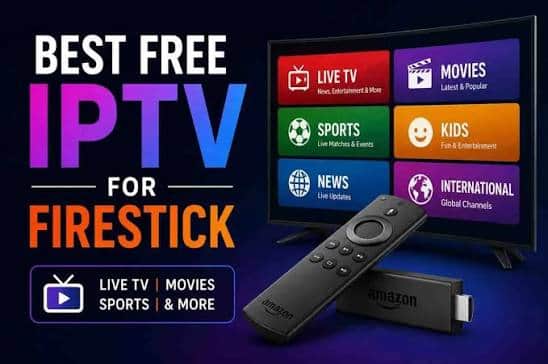
Table of Contents
What Is IPTV?
How IPTV Works
Types of IPTV Services
Why IPTV Is Becoming So Popular
Benefits of Using the Best IPTV
Important IPTV Features
IPTV Device Compatibility
IPTV vs Cable TV
How to Choose the Best IPTV
IPTV Safety Tips
Frequently Asked Questions
Final Thoughts
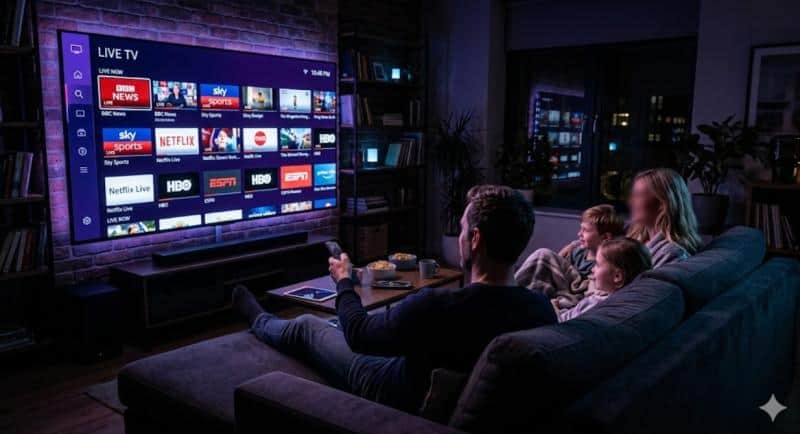
What Is IPTV?
Internet technology has completely changed the way people watch television. Instead of relying on traditional cable or satellite services, millions of viewers now prefer streaming their favorite entertainment through IPTV.
Best IPTV refers to an Internet Protocol Television service that delivers television channels, movies, TV shows, sports, documentaries, and other entertainment through an internet connection instead of conventional broadcasting methods.
Unlike cable television, IPTV gives users more flexibility. You can stream live TV, watch Video on Demand (VOD), enjoy catch-up television, and access content from multiple devices such as Smart TVs, Android TV, Firestick, smartphones, tablets, laptops, and computers.
As internet speeds continue to improve worldwide, IPTV has become one of the fastest-growing entertainment solutions because it offers convenience, flexibility, and a personalized viewing experience.
Many users choose IPTV because it allows them to enjoy entertainment wherever they have a stable internet connection. Whether at home or traveling, IPTV provides easy access to a wide variety of content.
How Does IPTV Work?
Understanding IPTV is simple.
Instead of transmitting television signals through satellite dishes or cable wires, IPTV delivers digital video through internet protocols.
Here's a simplified process:
The content provider receives TV channels and media.
The content is encoded into digital streams.
These streams are delivered through secure servers.
Users connect using an IPTV application or compatible media player.
The content streams directly over the internet.
This process reduces the need for bulky cable equipment and gives users greater flexibility over what they watch and when they watch it.
Because IPTV relies on broadband internet, the overall viewing experience often depends on the quality and stability of the user's internet connection.
Types of IPTV Services
Not all IPTV services work the same way. Most providers offer several types of streaming options.
Live Television
Live IPTV allows viewers to watch television channels in real time, similar to traditional cable TV. It commonly includes news, sports, entertainment, kids' programming, documentaries, and international channels.
This option is ideal for users who enjoy watching live sporting events, breaking news, and scheduled television broadcasts.
Video on Demand (VOD)
Video on Demand gives users access to a large content library that can be watched anytime.
Instead of waiting for scheduled broadcasts, users simply choose the movie or TV series they want and begin streaming instantly.
VOD libraries often include:
Movies
TV Shows
Cartoons
Documentaries
Educational Content
Catch-Up TV
Catch-Up TV allows users to watch programs that were previously broadcast.
If you missed yesterday's favorite show, catch-up functionality lets you watch it later without needing to record it manually.
This feature is especially useful for busy users who cannot always watch programs live.
Time-Shifted Television
Time-shifted IPTV enables viewers to pause, rewind, or resume live television.
Rather than missing important moments during live broadcasts, users can continue watching at their convenience.
This feature provides a more flexible viewing experience compared to traditional television.
Why IPTV Is Growing So Quickly
The popularity of IPTV continues to increase every year because it meets the changing needs of modern viewers.
Several factors contribute to this growth:
Faster internet connections
Increased use of Smart TVs
Affordable streaming devices
Better video compression
High-definition streaming
Growing demand for on-demand entertainment
Flexible viewing schedules
Multi-device compatibility
People now expect entertainment to be available whenever and wherever they want it, and IPTV fits those expectations.
Benefits of Using the Best IPTV
Choosing the Best IPTV service offers several advantages over traditional television services.
Large Content Library
Most IPTV services provide thousands of television channels together with extensive collections of movies and television series.
Users can often find entertainment from multiple countries and in different languages.
High-Quality Streaming
Modern IPTV platforms commonly support:
HD
Full HD
4K Ultra HD (where available)
Picture quality depends on both the provider's streaming infrastructure and the user's internet speed.
Multi-Device Support
One subscription may support viewing on different devices, making IPTV convenient for families and individuals alike.
Popular supported devices include:
Android TV
Fire TV Stick
Google TV
Smart TVs
Android Phones
iPhone
Windows PC
Mac
Tablets
Flexible Viewing Experience
Unlike traditional television schedules, IPTV gives viewers more control over what they watch.
Users can:
Pause content
Resume playback
Watch on demand
Switch devices
Stream while traveling
This flexibility makes IPTV an attractive option for people with busy lifestyles.
User-Friendly Applications
Many IPTV services work with intuitive applications that organize channels and content into easy-to-navigate categories.
Features often include:
Search functionality
Favorites lists
Electronic Program Guide (EPG)
Recently watched content
Category filters
Playback history
These features improve the overall viewing experience and make it easier to discover new content.
Why Choosing the Right IPTV Provider Matters
Not all IPTV services deliver the same experience. Factors such as streaming stability, customer support, application compatibility, content organization, and service reliability can significantly affect user satisfaction.
Before selecting a provider, it's important to evaluate your viewing habits, preferred devices, internet connection, and the features that matter most to you. A well-chosen IPTV service should provide smooth playback, an easy-to-use interface, and consistent performance across supported devices.
In the next section, we'll explore the essential features to look for, compare IPTV with traditional cable TV, discuss device compatibility, and share practical tips to help you choose the best IPTV service for your needs.
Best IPTV Features to Look For
Choosing the Best IPTV service is about more than simply finding the largest channel list. A high-quality IPTV provider should deliver a reliable viewing experience, strong performance, and features that match your entertainment needs. Before purchasing any subscription, compare providers based on the following factors.
1. High-Quality Streaming
Video quality is one of the most important aspects of any IPTV service. A good provider should support multiple streaming resolutions so users can enjoy content on different internet speeds and devices.
Look for services that offer:
SD (Standard Definition)
HD (720p)
Full HD (1080p)
4K Ultra HD (where available)
The best providers use optimized streaming technology to reduce buffering and maintain consistent picture quality.
2. Extensive Channel Selection
A quality IPTV service should include a broad variety of content rather than simply advertising a large number of channels.
Consider whether the service includes:
Entertainment Channels
Popular TV shows, reality programs, lifestyle channels, and family entertainment.
Sports Channels
Live coverage of football, cricket, basketball, tennis, motorsports, and other sporting events.
Movie Channels
Action, comedy, drama, horror, documentaries, and classic films.
News Channels
National and international news coverage from trusted broadcasters.
Kids Content
Cartoons, educational programming, and family-friendly channels.
International Channels
Content from different countries and multiple languages.
3. Video on Demand (VOD)
Many IPTV users spend more time watching movies and TV series than live television.
A strong VOD library should include:
Recent movies
Classic films
Popular TV series
Family content
Documentaries
Animated shows
Regular updates help keep the library fresh and engaging.
4. Electronic Program Guide (EPG)
An Electronic Program Guide makes navigation much easier by displaying current and upcoming TV schedules.
Benefits include:
Easier channel browsing
Program schedules
Search by time
Better user experience
Organized channel listings
5. Multi-Device Compatibility
The best IPTV providers support a wide range of devices so you can watch content wherever you are.
Common compatible devices include:
Smart TVs
Android TV
Google TV
Amazon Fire TV Stick
Android smartphones
iPhone
iPad
Windows PCs
Mac computers
Tablets
Having cross-device compatibility allows users to switch seamlessly between devices without losing convenience.
6. Stable Streaming Servers
Reliable servers are essential for a smooth viewing experience.
A dependable IPTV service should provide:
Fast channel loading
Minimal buffering
Stable live streaming
Reliable uptime
Consistent playback during peak hours
Server performance often has a greater impact on user satisfaction than the total number of available channels.
7. Customer Support
Responsive customer support can make a significant difference, especially during setup or troubleshooting.
Look for providers that offer:
Live chat
Email support
Setup guides
Frequently Asked Questions (FAQs)
Installation tutorials
Good support helps users resolve issues quickly and improves the overall experience.
IPTV Device Compatibility
One of IPTV's greatest advantages is its flexibility across many different devices.
Smart TVs
Many modern Smart TVs support IPTV applications directly, allowing users to stream content without additional hardware.
Popular platforms include:
Android TV
Google TV
LG Smart TV
Samsung Smart TV
Streaming Devices
Streaming devices are among the most popular ways to access IPTV because they are affordable and easy to install.
Examples include:
Amazon Fire TV Stick
Android TV Boxes
Google Chromecast
NVIDIA Shield TV
These devices often provide better performance and app compatibility than older televisions.
Smartphones and Tablets
Most IPTV applications are available for Android and iOS devices.
Benefits include:
Watch while traveling
Mobile streaming
Wi-Fi and cellular support
Portable entertainment
Computers
Windows and macOS users can access IPTV through dedicated players or web-based applications.
Advantages include:
Larger screens
Easier channel management
Convenient multitasking
Flexible viewing
Recommended Internet Speed for IPTV
Internet speed plays a crucial role in IPTV performance.
General recommendations:
Streaming QualityRecommended SpeedSD5 MbpsHD10 MbpsFull HD20 Mbps4K35–50 Mbps
In addition to speed, a stable and reliable connection is important for reducing buffering and interruptions.
Using a wired Ethernet connection often provides a more consistent experience than Wi-Fi, especially for high-resolution streaming.
IPTV vs Traditional Cable TV
Many users compare IPTV with conventional cable television before making the switch.
Feature IPTV Cable TV
Internet Required Yes No
Live TV Yes Yes
Video on Demand Yes Limited
Multi-Device Support Yes Limited
Watch Anywhere Yes Usually No
Flexible Viewing Yes Limited
Smart TV Support Yes Limited
Mobile Streaming Yes Rare
For many viewers, IPTV offers greater flexibility because content can be accessed across multiple devices and locations with an internet connection.
How to Choose the Best IPTV Service
With so many providers available, selecting the right IPTV service requires careful evaluation.
Consider Your Viewing Habits
Think about what you watch most often.
Do you primarily enjoy:
Live sports?
Movies?
TV series?
International channels?
Children's programming?
News?
Choosing a provider that matches your interests will improve long-term satisfaction.
Check Device Support
Before subscribing, confirm that the IPTV service works with your preferred devices.
Compatibility with Smart TVs, streaming sticks, smartphones, tablets, and computers makes it easier to enjoy content wherever you are.
Evaluate Streaming Performance
Look for indicators of quality such as:
Fast channel loading
Smooth playback
Stable servers
Minimal buffering
Reliable uptime
A consistent streaming experience is more valuable than an extremely large channel list.
Review Available Features
Compare providers based on features like:
Electronic Program Guide (EPG)
Video on Demand
Catch-Up TV
Multi-screen support
Favorites management
Search functionality
These features can significantly enhance usability.
Read Independent Reviews
Before committing to a subscription, research feedback from multiple trusted sources. Look for comments about reliability, customer support, app performance, and overall user experience. Balanced reviews can help you identify strengths and potential drawbacks.
IPTV Safety Tips
When using any IPTV service, it's important to follow good security practices.
Use strong, unique passwords for your accounts.
Keep your IPTV apps updated to the latest version.
Download applications only from trusted sources.
Secure your home network with a strong Wi-Fi password.
Avoid sharing your subscription credentials.
Be cautious of offers that seem unrealistically cheap or make exaggerated promises.
Taking these steps helps protect your devices and personal information while improving your overall streaming experience.
IPTV Buying Guide
Before choosing an IPTV subscription, ask yourself these questions:
Does the service support my devices?
Is the interface easy to use?
Does it include the content categories I watch most?
Are software updates and customer support available?
Does it offer features such as EPG, VOD, or Catch-Up TV?
Is the service stable during peak viewing hours?
Comparing providers using these criteria can help you make a more informed decision and avoid switching services frequently.
By understanding the key features, comparing compatibility, and evaluating performance, you'll be better prepared to select an IPTV service that fits your entertainment needs. In the final part, we'll cover frequently asked questions, expert tips, a conclusion, and SEO elements such as structured data and metadata to help optimize this content for search engines.
Frequently Asked Questions (FAQs)
1. What is IPTV?
IPTV (Internet Protocol Television) is a method of delivering television content over an internet connection instead of traditional cable or satellite networks. It allows users to stream live TV, movies, and on-demand content on compatible devices.
2. What internet speed is recommended for IPTV?
For a smooth streaming experience, the following internet speeds are generally recommended:
SD Streaming: 5 Mbps
HD Streaming: 10 Mbps
Full HD Streaming: 20 Mbps
4K Streaming: 35–50 Mbps
A stable connection is just as important as download speed.
3. Which devices support IPTV?
Most IPTV services support a wide range of devices, including:
Smart TVs
Android TV
Google TV
Amazon Fire TV Stick
Android smartphones
iPhone and iPad
Windows PCs
macOS computers
Tablets
Always verify compatibility before subscribing.
4. Can I watch IPTV on multiple devices?
Many providers offer multi-device or multi-connection plans, allowing you to watch on more than one device at the same time. Availability depends on the provider and subscription plan.
5. Does IPTV include Video on Demand (VOD)?
Many IPTV services include a VOD library with movies, TV series, documentaries, and other content. The size and frequency of updates vary between providers.
6. Why does IPTV sometimes buffer?
Buffering can be caused by several factors, including:
Slow internet speed
Network congestion
Weak Wi-Fi signal
Device performance limitations
Server issues
Using a wired Ethernet connection and maintaining a stable internet connection can improve streaming quality.
7. How do I choose the best IPTV service?
When comparing providers, consider:
Streaming quality
Device compatibility
User interface
Customer support
Video on Demand library
Electronic Program Guide (EPG)
Overall reliability and performance
Choosing a service based on your viewing habits will usually provide the best experience.
Expert Tips for Choosing the Best IPTV
Selecting an IPTV service is easier when you focus on quality rather than marketing claims. Keep these practical tips in mind:
Prioritize Reliability
A provider with stable servers and consistent performance is often a better choice than one that simply advertises the largest channel count.
Match the Service to Your Devices
Ensure the IPTV service supports the devices you use most frequently, whether that's a Smart TV, streaming stick, smartphone, or computer.
Check the User Experience
A clean interface, responsive navigation, search functionality, and an organized Electronic Program Guide make everyday use much more enjoyable.
Look for Regular Updates
Providers that regularly update their apps, improve performance, and refresh content libraries tend to offer a better long-term experience.
Read Independent Reviews
Researching balanced user feedback can help you understand the strengths and limitations of a provider before making a decision.
Final Thoughts
IPTV has transformed the way people access television and on-demand entertainment. With support for multiple devices, flexible viewing options, and a wide variety of content, it has become an attractive alternative to traditional television services for many users.
The Best IPTV service for you depends on your personal viewing preferences, the devices you own, your internet connection, and the features you value most. Taking time to compare providers, evaluate compatibility, and review available features can help you choose a service that delivers a smooth and enjoyable streaming experience.
Whether you're interested in live television, sports, movies, documentaries, or on-demand series, selecting a reliable IPTV provider and maintaining a stable internet connection will contribute to a better overall experience.
Call-to-Action (CTA)
Ready to Explore the Best IPTV Options?
Compare features, check device compatibility, and choose an IPTV service that fits your entertainment needs. A well-informed decision today can lead to a smoother and more enjoyable streaming experience tomorrow.
Recommended FAQ Additions
These questions can help target long-tail searches:
Can IPTV work on slow internet?
Yes, but the viewing experience depends on your connection speed. Lower resolutions require less bandwidth than HD or 4K streams.
Can I use IPTV while traveling?
Many IPTV apps support streaming from different locations, provided you have a stable internet connection and comply with the provider's terms.
What devices are compatible with IPTV?
Most services support Smart TVs, Android TV devices, streaming sticks, smartphones, tablets, and computers.
What features should I compare before choosing an IPTV service?
Consider device compatibility, streaming quality, interface, customer support, VOD availability, and Electronic Program Guide (EPG) support.
Find the Right IPTV Solution for Your Needs
Compare features, evaluate compatibility with your devices, and choose a service that matches your viewing preferences. Researching your options before subscribing can help you enjoy a smoother streaming experience.
Final SEO Summary
This article is designed around a clear topic, logical heading structure, and user-focused content. It combines foundational information, practical guidance, FAQs, structured data, and image optimization recommendations to support a strong on-page SEO strategy. Keep the content updated over time with new information, verified references, and original insights to maintain its relevance and search performance.

