How to prompt when ChatGPT-5 makes it tricky
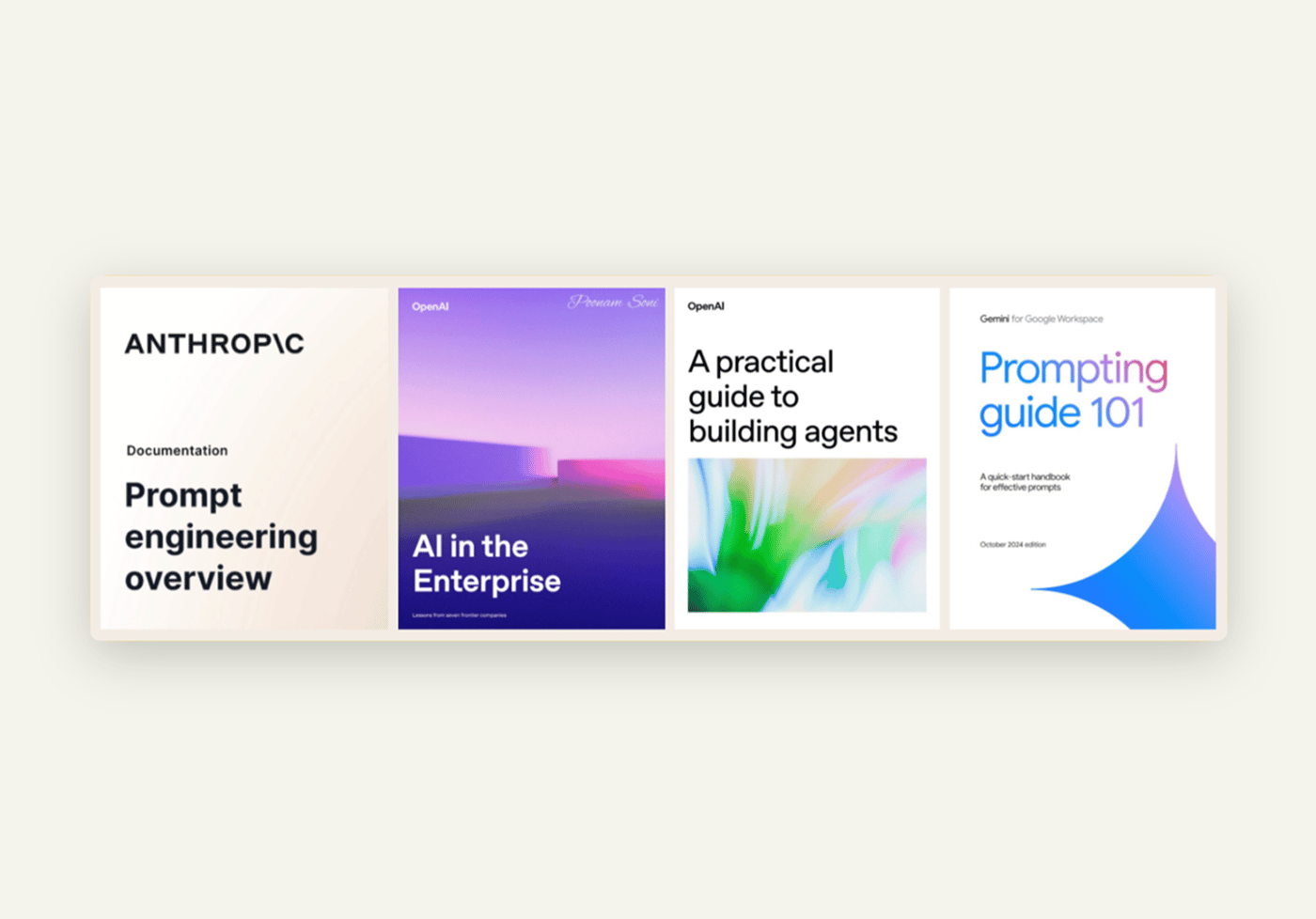
Have you noticed how many prompting guides OpenAI, Anthropic, or Google have been sharing lately? Since the announcement of GPT-5 in August there have been many questions raised about the quality of the model and how sensitive (and hard) it is to get it quite right.
It’s not just that the models get smarter and smarter, producing better results in a matter of seconds. We, as users, also start to get better at using this technology. We’ve all been introduced to ChatGPT without any manual, trying to figure out how it worked and tailoring it to individual needs. Prompt engineering is a real thing, although it’s just a fancy term for finding the perfect words to tell the LLM what you want.
Here is a summary of a few things I keep seeing come up in Ladies Build With AI sessions, which might be helpful for you too:
👉 Protect what works.
When you’re working on something and need to iterate or let the LLM fix an issue, add a note like “keep everything else as is”. This tiny detail avoids losing the parts that already work, otherwise chances are that the LLM will completely rewrite the entire thing.
👉 Think like a product manager.
Don’t just say what you want, explain why. LLMs are better when they understand the goal. Define the outcome or what “success” looks like, the same way you would when working with a teammate. You need to practice your product manager skills in order to create something good.
👉 Break it down.
Overloading a single prompt usually leads to confusion or hallucination. Work step by step instead, so the LLM can focus on the single task. You’ll also not hit memory usage limits.
👉 Balance context and clarity.
Give enough background so the LLM understands the task, but avoid stuffing in everything you know. Too much detail can pollute the prompt instead of improving it.
👉 Expect retries.
Just like you generate images, it’s rare to get it right on the first try. See prompting as an iterative process, not a one-shot quest for perfection. The focus is on learning how to iterate, what works, and do it fast, rather than striving for the perfect prompt and not-so-perfect end result.
👉 Use examples.
You can be more specific by dropping in links, images, or snippets of what you mean, rather than typing endlessly. LLM will learn faster from an example than from a long explanation.
👉 Give access gradually
When you start using AI agents that act on your behalf, giving them access feels scary although you know they can’t continue otherwise. Think of it like hiring someone new: they can’t do the work without getting access to the necessary systems. So, just like a new hire, don’t hand over everything at once, but do this gradually and monitor output and if they can take on more tasks.
As a final remark, all of the above is not about the perfect prompts, but acknowledging a shift I’ve noticed recently that we’re not just learning AI, but learning how to work with AI.
Guides:
👉 Prompt guide from Claude here.
👉 Prompt guide from Google here.
👉 Prompt course from OpenAI here.

