Is freemium sustainable for Indie products?
Getting the price right is tricky, but has a massive impact on the product's success - I'm trying to figure out which way to go.
I came across a couple ways: high prices and exclusivity, or a more inclusive freemium model with affordable tiers. Here are the examples:
Sell to teams
Since we aren't big companies, selling at a high price can be more sustainable:
The focus is on selling to businesses, not the indie market. The links above offer a fresh perspective, but I don't think they have proven results yet. Does anyone have more examples?
Free Marketing
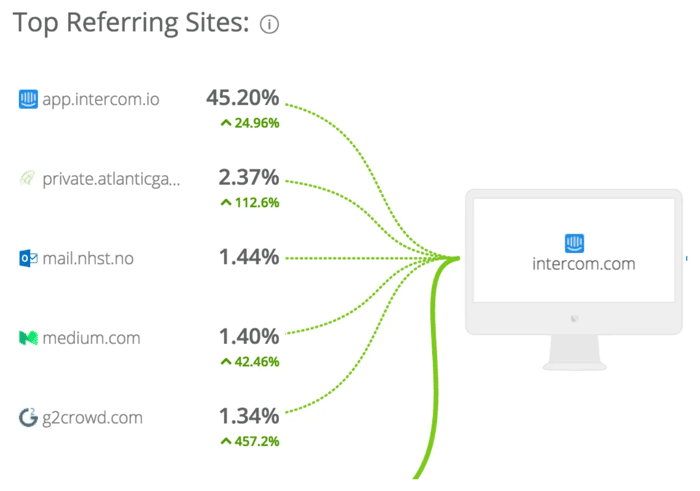
Lower prices and free tiers don't necessarily make things unsustainable though, if you think in terms of marketing budget. Intercom grew their product massively through their free tier - they're app became the biggest inbound referral:
- Intercom: The biggest viral marketing hack you've never seen: "Powered by" plus dynamic keyword insertion
So free can be okay, as long as you have paid tiers to go with it. Even though Intercom had success with it, they also share that freemium is hard.
My guess is that everything is hard, and pricing depends on the nature of the product. For mine, I've seen hints that a freemium tier could work, so find myself leaning towards it. e.g. Someone found my product from a 'Powered by' link, and each time I send the Prototypr.io newsletter out with "Made with Letter" in the footer, I see a small bump in subscribers to the Letter coming soon page.
Has anyone got any experience with this? I thought this one was good.

You absolutely should have a free tier. This will be your biggest growth vector early on, and it works perfectly for you -- under a certain number of subscribers/emails per month is free.
Also, you have a good design sense so the "powered by letter" will not be a negative for your users.
---
Ecommerce users should be more of a target than designers, IMO.
(a) It's hard to make nice newsletters that stand out.
(b) ecommerce owners read their competition's newsletters to get ideas and see what works. If they see a nice email 'powered by letter', they are likely to check out your service too.
Scrape together a list of shopify stores, check to see which ones have a newsletter popup, send them an email with example templates and pricing info...
---
that’s a great idea, thanks a lot! I agree with targeting e-commerce, especially for paid users. I feel like marketers and marketing tools audience are more used to paying for products - so much is free in design, even figma..we will see though!
thanks again for that shopify idea !
I agree with you and the other comment that it entirely depends on the product and situation of the business.
Freemium can give a huge boost when you're just starting out and don't have a large audience or network to leverage to make the expensive sales. When things are free, it's easier for more people to try the product.
It's also important to treat the free tier as a piece of the marketing strategy, and not a payment tier you are okay with people being in forever. The free tier should be used to get more customers, then you should have mechanisms to get them to upgrade.
Whether or not it's sustainable to offer something for free depends on the product. I like to think about what it would cost me to offer a thing for free. Is there hosting or data-storage costs? Are you paying another service?
For my own project (Polished), I am planning on releasing a desktop version that uses the person's own file system for data storage. I am confident I can offer a version of the desktop app for free because the only cost to me there is hosting a download page. I don't have a huge audience, so I'm treating it as a way to gain reach and then will work on making paid tiers that are worth the upgrade.
Jason Cohen also has a great blog post about this: https://blog.asmartbear.com/freemium.html
Ah I didn't really think much about the hosting and costs of giving a free tier either, well worth looking into!
Just checked out Polished, it's an interesting concept you have there. Reminds me of a design tool!
I don't know where you located, but in the US I used Digital Ocean to host my SaaS. If you are truly just starting out with little to no traffic, you can probably use their free plan. Once you start getting traffic then you can bump up to $10 or $20 a month and probably be fine for a while. But it does take technical know-how b/c they just give you the server and no support.
yeah I am also using digital ocean to host my apps. I usually host just normal content website, so the costs never usually reach higher than 50-100 usd . I’m curious if my newsletter app will cost more bandwidth as there’s a lot more more data transfer. I think the scaling method you mention is fairly straightforward though
Yeah, it's good to consider all of the costs of everything. That's an easy way to come up with the absolute minimum your pricing should be instead of just throwing out a random number.
Thanks! I actually did start out building a design tool a while back. I didn't have a ton of experience there and better things were getting big (Figma, Framer, Webflow) so I pivoted to a writing app that lives in a design canvas body. It's an infant right now, but I think the design canvas makes it easier to organize notes and docs than having a bunch of browser tabs or windows.
yeah sounds a good decision, design apps seem harder to sell too, figma is basically free apart from for teams i think. How have you found building the wysiwyg editor ? I ended up using an existing one cos it’s so hard to make
Definitely, there's a ton of VC money there too which enables them to give away more for free.
I'm building it from scratch using React and SVG. I've looked into some rich text editor open source things but wasn't really happy with them. It's a lot more work but I have a lot more control building it myself. I may open source it one day
Thanks for sharing your thoughts, Graeme!
100% agreed that pricing directly depends on an actual product.
What works for one product won't necessarily work for another product.
Even with functionally identical products, there are factors like: time, community presence, initial budget, etc.
In general, I'd say clear understanding of how people using the product makes it easier to find the right limitations/barriers for free tiers :)
Yeah lots of factors to consider - one that stands out most for me from those you listed is time. I don't need to make fast sales like a funded company, so it gives more time for the product
This comment was deleted 4 years ago
ah yeah so the data transfer/bandwidth thing is something to monitor, i hope that image transfer isn’t too much