Launched Lexray: 60-second contract screening for freelancers and SMBs (42 users in 3 days)
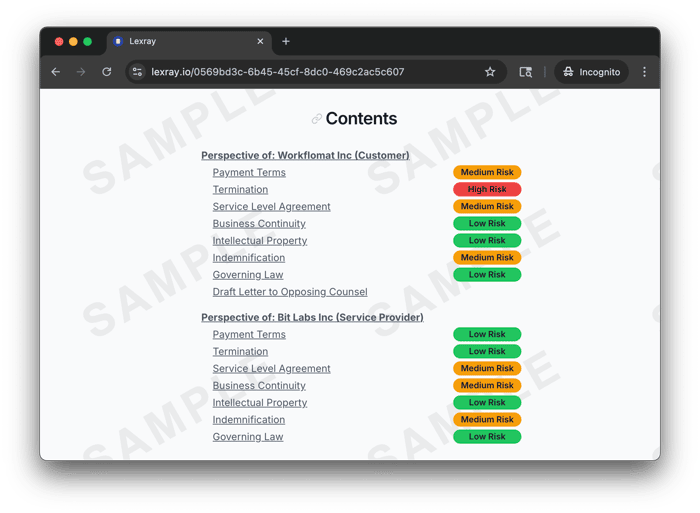
Hey Indie Hackers 👋
I launched Lexray 3 days ago - AI that scans contracts in 60 seconds and flags risky clauses.
THE BACKSTORY
I've signed hundreds of contracts over 15 years as a freelancer, contractor, and startup founder (Microsoft → Auth0 → Fusebit).
Every single time: "What am I missing?"
I'd read all the pages, Google confusing terms, ask founder friends "does this seem normal?" And still lose sleep wondering if I'd agreed to something that would haunt me.
Lawyers are expensive. Most contracts don't justify $500 for legal review. But signing blindly is how you get burned.
WHAT I BUILT
Lexray scans contract PDFs and tells you—in plain English—what's risky:
- Payment traps (Net-90 buried on page 12)
- IP clauses that overreach
- Auto-renewals with short notice
- Unlimited liability exposure
- Non-competes that kill your career
Takes 60 seconds. Free during beta.
Target: Freelancers and SMBs who sign vendor agreements, client contracts, partnership deals, etc.
TRACTION SO FAR (3 DAYS)
- 42 active users
- 88% engagement rate
- 8 contracts analyzed and flagged
- Unsolicited endorsement from a lawyer: "Lexray is pretty cool! And, I am a lawyer!"
- LinkedIn driving most traffic (1,530 impressions on launch post)
WHAT I NEED FROM YOU
- Honest feedback - What works? What's confusing? What am I missing?
- Distribution ideas - Where do freelancers and SMBs actually hang out online?
- Contract horror stories - If you've been burned, I want to hear about it. Helps me prioritize features.
Try it: https://lexray.io
Happy to answer any questions about the tech, the business, or the journey.
Tech stack:
- Next.js + React + TypeScript
- Anthropic Claude API for analysis
- Tailwind for UI
- AWS hosting
Background:
20 years building dev tools at Microsoft , HP, Auth0, and Fusebit. This is my first solo bootstrapped product after leaving big tech and VC-backed startups.
Current focus:
Collecting feedback, refining analysis quality, figuring out monetization (probably transactional pricing).

Day 7 update: HN launch flopped
Posted to Hacker News this morning at 8am. Dead by 8:30am.
Zero comments. Buried on page 5. Maybe 10 visits total.
Not sure what went wrong - title blended in with other AI tools, Monday timing was bad, or HN just wasn't the audience.
Lesson learned: HN is high risk, high reward. I got the risk part.
Next move: Product Hunt Wednesday. And continuing to help people on Reddit who are actually asking for contract advice RIGHT NOW.
For anyone else planning an HN launch: Have backup channels. Don't count on it working.
Product still works: https://lexray.io
If you've flopped on HN, drop a comment. I need the solidarity. 😅
Day 4 update:
Quick learning: Getting people to TRY the product is harder than I expected.
42 users in first 3 days (great!), but zero contracts analyzed yesterday (oof).
I think the issue is trust. Uploading a confidential contract to a stranger's tool is a big ask.
Working on:
For those who built B2B tools: How did you overcome the initial trust barrier?
Any cold-start tactics that worked?
This scratches a real itch — I've signed plenty of contracts with that same "what am I missing?" anxiety. The 60-second turnaround and plain-English output are exactly what makes this usable for quick decisions.
On distribution:
Freelancer communities that might be worth exploring:
The "contract horror stories" angle is smart for content — those posts tend to go viral in freelancer communities because everyone has one.
A few questions:
How are you handling edge cases where the AI flags something ambiguous? Is there a confidence score or "get a lawyer for this" threshold?
For monetization — have you considered per-contract pricing with volume discounts? Transactional feels right for this use case. Subscriptions might work for agencies/SMBs who review contracts regularly.
Are you seeing any patterns in what clauses trip people up most? That data could shape which risks to highlight first.
Good luck with the launch!
Thank you for the thoughtful comments and distribution ideas!
Regarding the "contract horror stories", I just published a blog on the five most common issues I have seen in the contracts I worked with so far: https://lexray.io/blog/5-contract-clauses-that-cost-freelancers-thousands
The current model does not assess ambiguity; this is a very good point. I have seen contracts that were a patchwork of some prior art or a poor copy & paste job, that were sometimes internally inconsistent. I will queue it up for next version. Right now the tool only gives a risk score on individual clauses, with the understanding that a "high" risk is a clue to consider working with a lawyer.
I am getting overwhelming feedback that transactional pricing is the way to go. I am currently considering a fixed per-contract price with some number of "first" contracts free (per lifetime) to plant a hook. I don't want to overcomplicate it with volume discounts until I see demand from companies that justifies it. I have not seen a freelancer who would be signing contracts at a significant rate.
Again, thank you!
Great answers — the blog post is a smart move for SEO and trust-building. "5 clauses that cost freelancers thousands" is exactly the kind of content that gets shared in Slack groups and Reddit threads.
The "first X free + fixed per-contract" model makes sense for the audience. Simple pricing that matches how freelancers actually work (occasional contracts, not predictable volume).
Will check out the blog. Good luck with the trust barrier problem — the sample analyses idea sounds like the right direction.
Thank you!