The tech stack behind a $1K MRR cross-platform palette builder (1.5K users/mo)
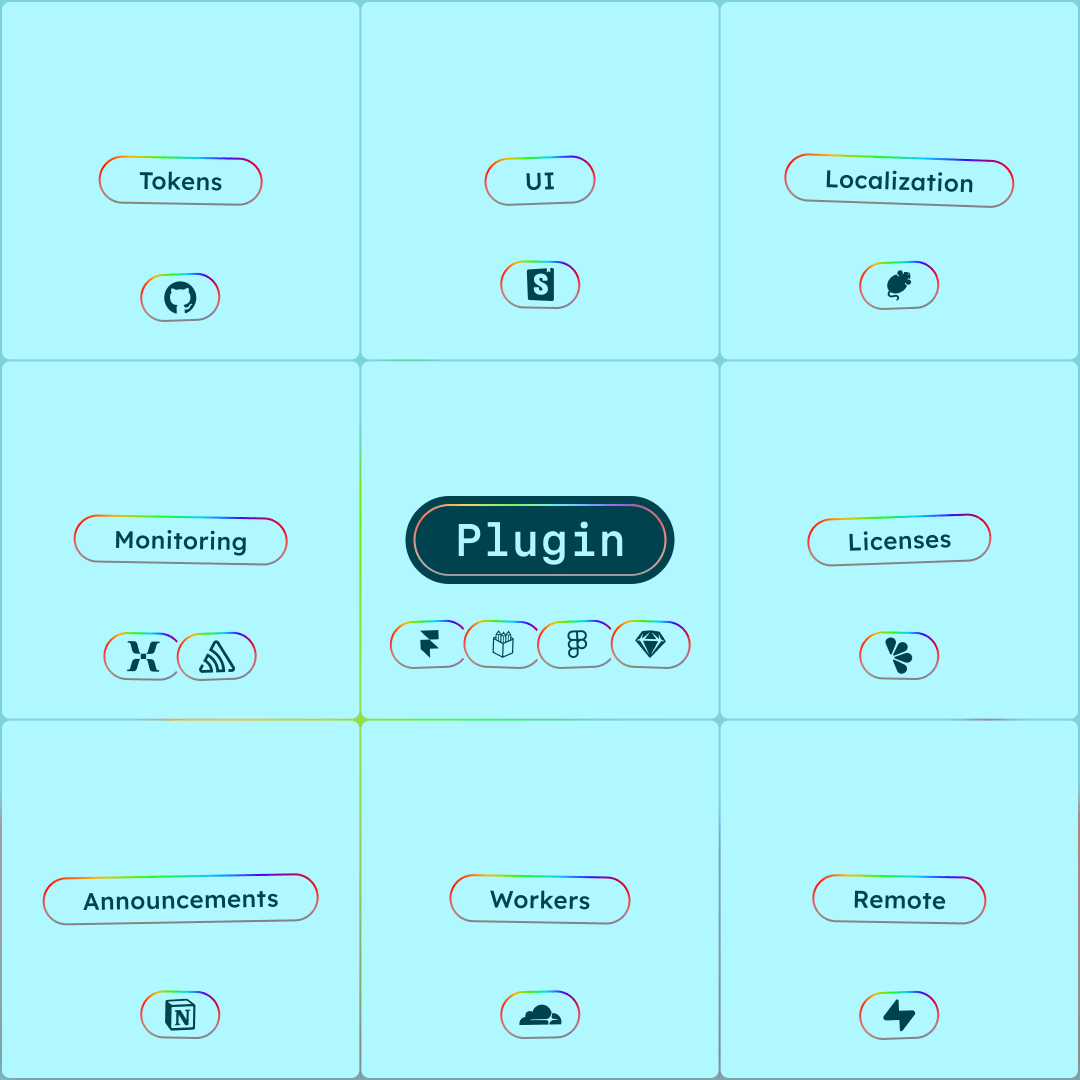
TL;DR: Building a plugin that runs on Figma, Penpot, Sketch, and Framer requires a specific architecture. This tech stack powers a $1,000 MRR product reaching 1,500 new users per month. Here's how I made it work.
Shared UI with a token system
The UI is the same across all platforms. Instead of building four different interfaces, I use a design token system that adapts to each platform's theme.
Colors, spacing, typography—everything is abstracted into tokens. When I ship a feature, I write it once. The tokens handle platform-specific styling. All platforms share the same assets and the same codebase.
Supabase for auth and data
Supabase handles two critical pieces: authentication and palette storage.
Users sign in once and can access their account from any platform. Palettes saved to the cloud sync everywhere—create in Figma, retrieve in Framer.
One backend. One source of truth.
Lemon Squeezy for licensing
License verification happens directly in the UI through Lemon Squeezy. It manages subscriptions, lifetime deals, and controls which features are unlocked.
No custom licensing system to maintain.
Tolgee for localization
UI Color Palette now supports English, French, Brazilian Portuguese, and Simplified Chinese. Tolgee makes adding new languages straightforward—translators work directly in the interface without touching code.
Notion for announcements onboarding
I use Notion as a lightweight CMS to update parts of the app without deploying.
From a Notion database, I can push announcements, update onboarding flows, and adjust pricing. No app store review. No deploy. Just edit.
This architecture isn't just for UI Color Palette—it's a reproducible model for testing and launching businesses. The same stack can power any cross-platform product with minimal overhead.
If you're building design tools or tackling accessibility, I'd love to connect. Drop a comment or try the plugin via ui-color-palette.com.

