Under Sink Reverse Osmosis System Installation Cost Breakdown (Complete Guide)
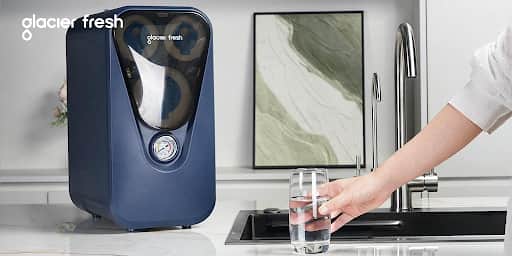
Access to clean drinking water has become a priority for many households, especially as concerns about tap water quality continue to grow. An under sink reverse osmosis system is one of the most reliable solutions for producing purified water at home. It removes contaminants such as chlorine, heavy metals, fluoride, under sink reverse osmosis system nitrates, and dissolved solids, delivering safe and great-tasting water directly from a dedicated faucet.
Before buying a system, one of the most important factors homeowners consider is installation cost. While the price of the unit itself is important, the total cost also includes installation charges, plumbing adjustments, maintenance expenses, filter replacements, and optional upgrades.
Understanding the full cost breakdown helps homeowners make informed decisions and avoid unexpected expenses later. Some people assume reverse osmosis systems are expensive overall, but in reality, costs can vary widely depending on system type, installation method, and water conditions.
A reverse osmosis system under sink can be installed as a DIY project or professionally installed, and each option affects the total cost differently. In addition, long-term maintenance costs play a major role in the overall investment.
In this article, we will break down the installation cost of an under sink reverse osmosis system in detail. We will explore equipment costs, installation fees, additional plumbing expenses, maintenance costs, filter replacement pricing, and long-term value to help you understand the true cost of owning this system.
Cost of the Reverse Osmosis System Unit
The first and most obvious cost is the price of the under sink reverse osmosis system itself. This cost varies depending on brand, filtration stages, technology, and features.
Basic reverse osmosis systems are generally more affordable and include essential filtration stages such as sediment, carbon, and reverse osmosis membrane. These systems provide good water purification at a lower price point.
Mid-range systems often include additional features such as faster flow rates, improved membranes, better storage tanks, and more efficient filtration.
High-end systems may include tankless design, smart monitoring, remineralization filters, and advanced water-saving technology. These systems are more expensive but offer better performance and convenience.
On average, the system cost is one of the largest parts of the total investment in a reverse osmosis system under sink.
Professional Installation Cost
Installation cost is another important factor to consider. While many under sink reverse osmosis systems are designed for DIY installation, some homeowners prefer professional installation for safety and convenience.
Professional installation typically includes connecting the system to the cold water line, installing the faucet, setting up the storage tank, and testing the system for leaks.
The cost of professional installation depends on location, plumber experience, and system complexity. Simple installations are usually less expensive, while more complex setups may cost more.
Tankless systems or systems requiring electrical connections may also increase installation costs.
Hiring a professional ensures correct installation, reduces the risk of leaks, and guarantees proper system performance.
DIY Installation Cost
Many homeowners choose to install a reverse osmosis system under sink themselves to save money. In this case, installation cost is significantly reduced or eliminated.
However, DIY installation may still require basic tools such as a wrench, drill, screwdriver, and plumbing tape. If these tools are not already available, they may add a small additional cost.
DIY installation also requires time and careful attention to instructions. While modern systems are designed for easy setup, incorrect installation can lead to leaks or performance issues.
Overall, DIY installation is the most cost-effective option for experienced or confident homeowners.
Additional Plumbing Costs
In some cases, additional plumbing work may be required during installation. This depends on the condition of the existing kitchen plumbing system.
If there is no existing hole for the RO faucet, drilling may be required in the sink or countertop. Hard materials such as granite or stone may increase drilling costs if professional help is needed.
Older plumbing systems may also require adapters or modifications to connect the reverse osmosis system properly.
If water pressure is too low, a booster pump may be needed, which adds to the total cost.
These additional plumbing requirements vary from home to home and can significantly affect overall installation cost.
Filter Replacement Costs
While not part of the initial installation, filter replacement is an essential ongoing cost for any under sink reverse osmosis system.
Sediment filters are usually the cheapest and need replacement every six to twelve months. Carbon filters also require regular replacement within a similar time frame.
The reverse osmosis membrane is more expensive but lasts longer, typically two to three years depending on water quality.
Some systems also include post-carbon or remineralization filters, which add small additional replacement costs.
Although these costs are recurring, they are generally affordable compared to bottled water expenses or other filtration methods.
Maintenance and Service Costs
Maintenance is another factor that contributes to the long-term cost of a reverse osmosis system under sink.
Basic maintenance includes filter replacement, system flushing, and occasional cleaning of the storage tank.
Most maintenance tasks can be done by homeowners, so ongoing service costs are usually low.
However, in some cases, professional servicing may be required for membrane replacement, leak repair, or system inspection.
Tankless systems may have slightly lower maintenance requirements due to the absence of a storage tank.
Overall, maintenance costs remain relatively low compared to the benefits provided by clean drinking water.
Water Waste and Utility Costs
Reverse osmosis systems naturally produce wastewater during the filtration process. This is part of how the system removes contaminants.
Older systems waste more water, while modern systems are designed to be more efficient.
This wastewater may slightly increase water bills depending on usage and system efficiency.
However, for most households, this cost is minimal compared to overall water consumption.
Improved efficiency in newer systems helps reduce long-term utility expenses.
Optional Upgrade Costs
Some homeowners choose to upgrade their under sink reverse osmosis system with additional features.
Remineralization filters add healthy minerals back into the water and may slightly increase system cost and maintenance.
UV sterilizers can be added for extra protection against bacteria, especially in well water systems.
Smart monitoring systems that track filter life and water quality also increase initial cost but improve convenience.
Tankless designs are another premium upgrade that increases upfront cost but saves space and improves performance.
These upgrades are optional and depend on personal preference and water quality needs.
Long-Term Cost vs Value
Although the initial installation cost of a reverse osmosis system under sink may seem high, the long-term value is significant.
Compared to bottled water, RO systems are far more cost-effective over time. A single system can provide years of clean drinking water at a fraction of bottled water expenses.
Maintenance and filter replacement costs are relatively low, making the system economical in the long run.
The health benefits of clean water and improved taste also add indirect value that cannot be measured purely in cost.
For most households, the long-term savings outweigh the initial investment.
Conclusion
The installation cost of an under sink reverse osmosis system depends on several factors, including system type, installation method, plumbing requirements, and additional features.
While the upfront cost includes the system price and possible installation fees, ongoing expenses such as filter replacements and maintenance are relatively affordable.
DIY installation can reduce costs, while professional installation ensures proper setup and peace of mind.
When considering long-term value, reverse osmosis system under sink a reverse osmosis system under sink is a cost-effective investment that provides continuous access to clean, safe, and great-tasting drinking water.
By understanding the complete cost breakdown, homeowners can choose the right system that fits their budget while ensuring high-quality water for years to come.

