
Tov
Multi-platform content tool

For context - I've launched a free beta for users who want to try my tool. The idea: a user (founder or builder) sends me a post, and I use AI to analyze their profile and website, creating a unique tone of voice based on their posts and thoughts. Then, I use my tool to generate posts for each platform (X, Reddit, Linkedin, Telegram, and Facebook).
Now it's all organized as a form on a website where anyone can try to turn their idea into posts for each platform for free.
But here's the bad news:
All the users who tried my tool just disappeared. Only two of them wrote something.
I haven't purchased a domain for my website yet. It's not about the money, but I'm not entirely sure that my idea is well-validated.
I have only 6 users who have tried Tov and only two of them have posted their generated posts.
I haven't bought an API yet - I'm waiting for users to try the product and I'll figure out exactly what they need.
I haven't set up a payment system for the product yet, I've registered, but there's no domain, so there's nowhere to attach it.
And the good news:
There are only 50 site visits per week from here and from Twitter.
I've received feedback from almost every user - some have pointed out the flaws, while others have highlighted the advantages. Based on this feedback, I'll continue to improve Tov.
The form on the website has already been used, which means that things aren't entirely bad.
That's it for now, the launch is scheduled for mid-April, and my tool is completely free for everyone to try out on the website.
What do you think - should I launch it in a week or wait for more users to join? What advice would you give to a beginner?
I will be happy to answer any questions!

Launched here last week asking for feedback. Got 30 comments. Most said the same thing: "Looks good but I don't understand what happens when I sign up."
Fair point. I had focused so much on explaining WHAT the product does that I forgot to explain the actual experience.
What I changed based on feedback
Removed: Long explanations about "multi-platform content generation" and "AI-powered adaptation."
Added: Simple timeline showing what happens after you submit.
Before the changes, my form just said "Try ideas for free - join waitlist - $20/mo locked."
After feedback, I added three lines:
1. You submit (email + idea + your social profile)
2. We analyze your writing style (takes about 10 min)
3. You get posts via email (Twitter, LinkedIn, Instagram, Reddit, Telegram)
That's it. Just clarity on what actually happens.
Changes:
Visitors went from 6 per day to 20.
Form submissions went from 0 to actual people trying it.
Why? Because founders don't buy features. They buy outcomes they can picture.
"Multi-platform content tool" is a feature. "Get 5 ready posts in your inbox in 10 minutes" is an outcome.
The framework that worked
Problem: People don't understand what happens next
Solution: Show them the exact steps
Result: They can picture using it
Applied this to my landing:
- Removed vague benefits
- Added specific timeline
- Showed actual deliverables
Conversions improved because people finally understood the process.
If your landing page gets traffic but no conversions, the problem might not be your design or your copy. It might be that people can't picture themselves using it.
Running founder beta at Tov - you submit an idea, get platform-specific posts in about 10 minutes, that's the whole process.
Question: What's one thing on your landing page that sounds clear to you but confuses everyone else?
My landing page had everything I needed - design, proof of value, price tag with explanations, demo preview to try out the product. Because of this, the conversion rate was zero. Yeah total 0.
I wrote my first post on IndieHackers and received good and honest feedback from the community (thank you very much again)! 30 comments and everyone recommended something new. One of them advised me to add at least some kind of workflow for the user so that he no longer has to DM me on X to receive posts.
It was a good advice and I built the form on the website in 2 hours. Write your email (where the posts will come), write a link to the x/reddit/linkedin profile (where the voice will be analyzed) and write your idea for the post.
After about 10 minutes you get ready posts for each platform - much more convenient and there is no barrier to send DM to the founder (brrr).
Also, after reading the feedback, I removed the explanations of how it works technically and left only the most important information for the user: what they get in return.
As a result, I already have 1 user who used the post generation feature and received their posts in less than 10 minutes via email.
If you have traffic on your landing page but no conversions, it's possible that the issue is not related to the visual or text. Check if the user understands what they are getting. If not, make changes. If yes, great!
Conversion will start when people understand what they're getting. By the way, you can try generating posts for yourself for free - all you need is one idea, and in 10 minutes, the posts will be in your inbox - trytov.vercel.app.
I have a question for you: what is clear to you on your landing page, but may not be clear to others?
Two days ago, I posted here about losing all my beta users because I didn't follow up. Someone in the comments said: "Stop making people DM you. Build a simple form where they submit an idea and get posts back via email." Self-service, not manual coordination.
I read it and thought it made sense. I sat down and built it. Took about 2 hours - just a basic form with email input and a text area for the idea. When someone submits, I get a notification in Telegram Bot, I generate the posts (takes about 10 minutes to analyze their profile and create versions for Twitter, LinkedIn, Instagram, Reddit, and Telegram), and then I send everything via email.
And successfully!
4 hours after I launched the form, the first person submitted. I generated their posts in 10 minutes and sent them back. Just: submit - get posts - done.
Two of my ghosted users even came back. One said "nice progress bro" and the other said he'll try it again (probably won't, but still counts as progress in my book).
What I learned:
sometimes the best advice sounds too obvious to take seriously. I thought the problem was my product or my messaging or my follow-up system. Turns out it was just friction. People don't want to DM a stranger and wait. They want to try something and decide if it's useful.
I'm still running the beta for free - if you post across multiple platforms and hate reformatting, you can try it at trytov.vercel.app. You submit an idea, get platform-specific posts via email in about 10-15 minutes, and that's it.
Anyway, I'm curious: what's some obvious advice you ignored because it seemed too simple, and later realized it was exactly what you needed?
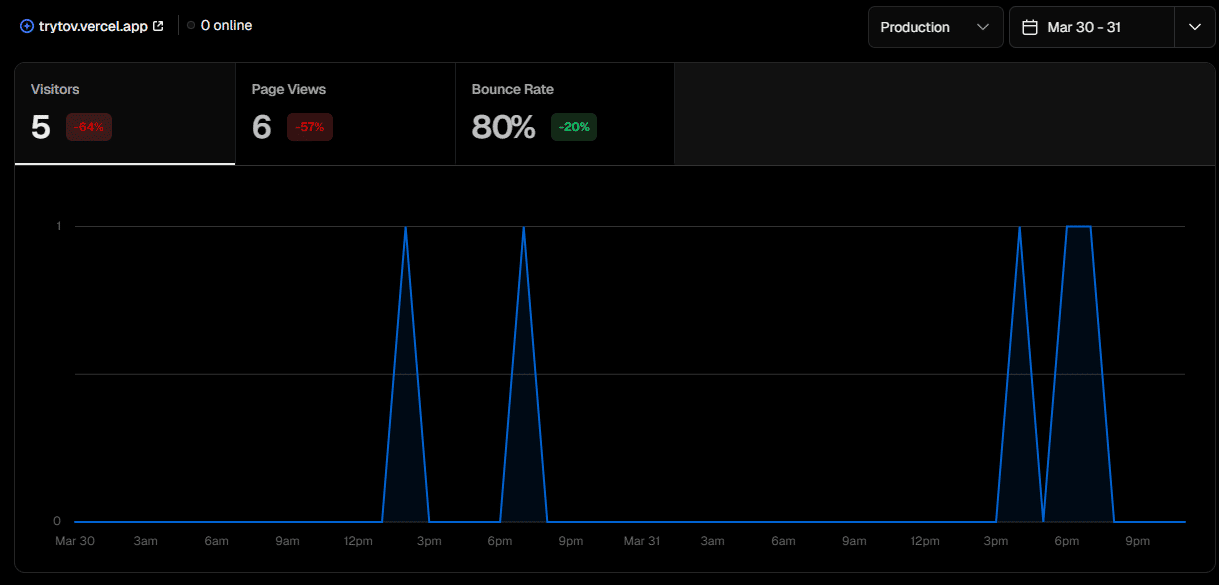
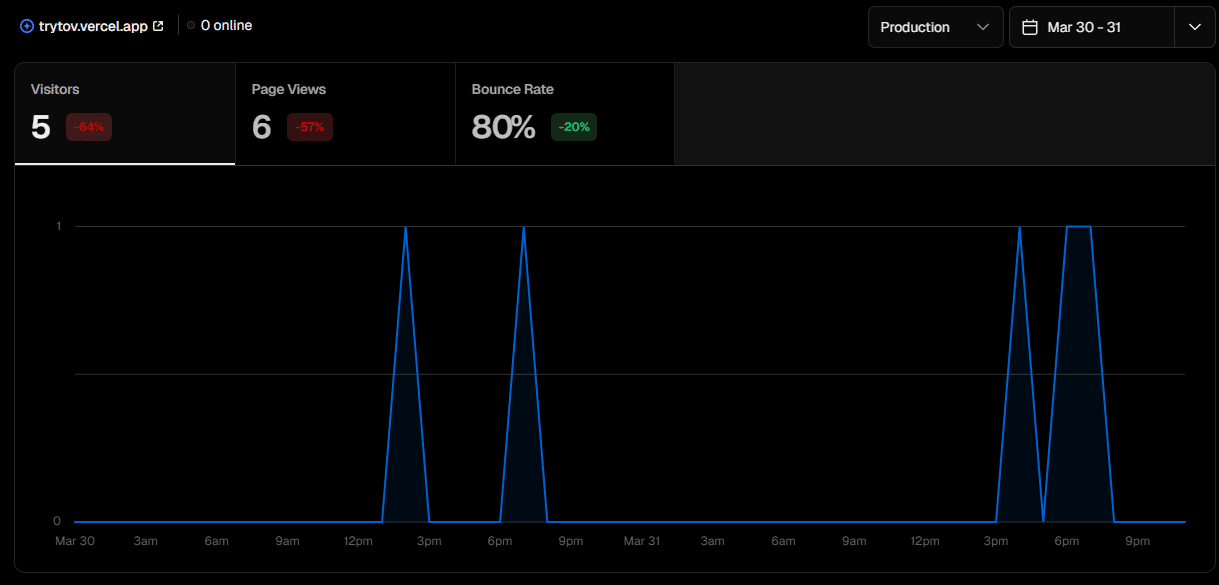
Yesterday: 5-6 site visitors
↓
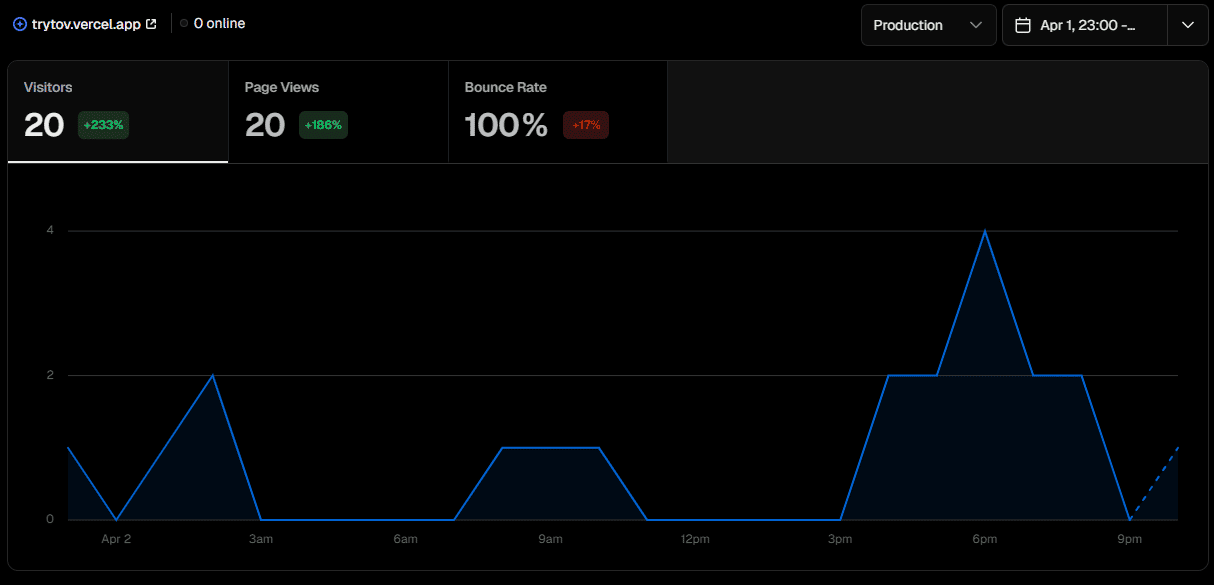
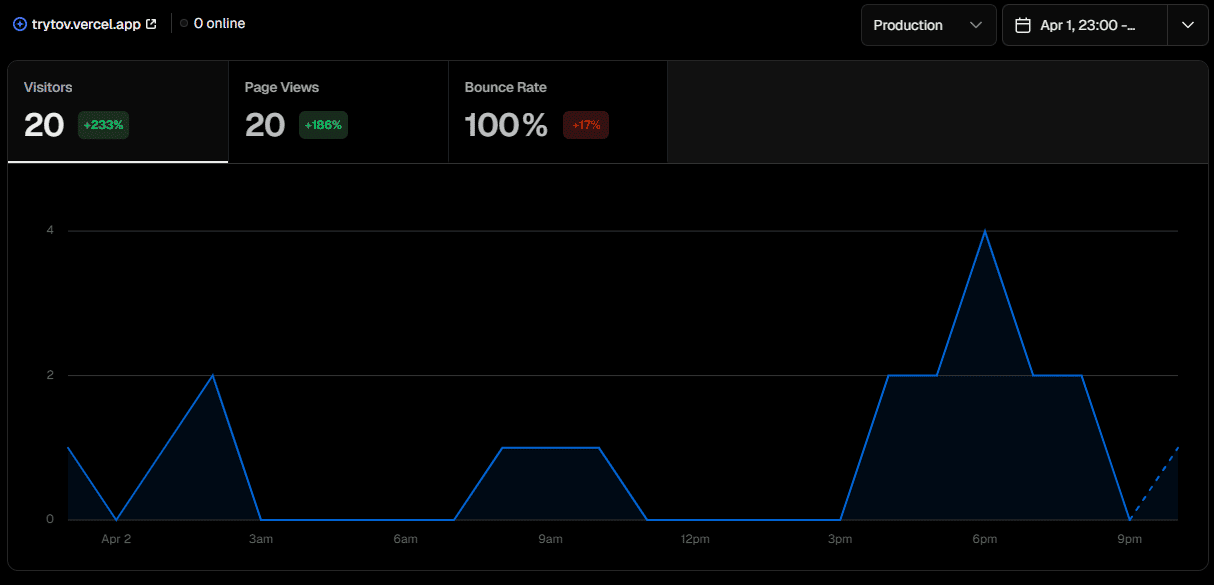
Today: 20 visitors
What changed? I removed the friction.
The broken flow (before):
User sees my post about Tov
↓
Interested but has to DM me on Twitter
↓
Waits for me to respond (I'm in Armenia, timezone hell)
↓
Sends idea
↓
Waits 30 min for posts
↓
Maybe uses them, maybe ghosts
Friction points: 4
Conversion: ~10%
Result: 5 beta users → all ghosted
━━━━━━━━━━━━━━━━━━━━━━━━
The feedback that changed everything:
A commenter on my last post said:
"Instead of manually generating posts for each person,
set up a simple form where they submit a topic and
get the draft back async. That way they're pulling
value from you instead of you pushing it to them."
I read that and thought: oh shit, he's right.
The dynamic was all wrong.
I was asking people to "please test my thing"
When I should be saying "here's a tool you can use"
The new flow (today):
User sees Tov
↓
Clicks "Try Beta"
↓
Fills simple form (email + idea)
↓
Gets confirmation email immediately
↓
Receives generated posts via email in ~30 min
↓
Uses them (or doesn't) - no pressure
Friction points: 1 (just the form)
Conversion: Testing now
Early signal: 4x traffic spike
Why this works better:
1. Self-service
No need to find me on Twitter
No need to wait for me to be online
Works 24/7
2. Async by default
They submit when they want
Get results when I process them
No real-time coordination needed
3. Professional feel
Form = real product
DM = favor from founder
4. Lower commitment
Trying a form = 2 minutes
Starting a DM conversation = higher bar
The build took 2 hours:
Hour 1: Simple form page
- Email input
- Idea textarea
- Submit button
- Basic validation
Hour 2: Email flow
- Confirmation to user
- Notification to me
- Delivery template
- Testing
Tech: Next.js + SMTP Google
Cost: $0 (free tier)
Complexity: Dead simple
I almost didn't build it because "it's not automated yet"
But perfect is the enemy of shipped.
Manual backend + self-service frontend = still better
than DM-only flow.
What I'm learning:
Friction kills products faster than bugs.
Users forgive imperfect features.
They don't forgive annoying processes.
A form that delivers in 30 minutes beats a DM that
delivers in 5 minutes.
Because:
- Form works when you're asleep
- Form feels like a product
- Form scales (eventually)
Current status:
- 20 site visitors today (vs 5-6 average)
- Form submissions: testing first batch
- Re-engaged ghosted users with new flow
- Still manual (free beta)
- Launch planned: April 10
What it does:
One idea → Posts for Twitter/LinkedIn/IG/Reddit/Telegram
Adapted to each platform's format and tone
In your voice, not AI generic
Try beta: https://trytov.vercel.app
Question for founders here:
What's the #1 friction point in your product that
you know you should fix but haven't yet?
I'll read every comment. Maybe we can help each other
spot the obvious thing we're both missing.

I had 5 beta users two weeks ago.
All ghosted within 48 hours.

The feedback was brutal:
"Sounds like AI slop"
"Too much friction to use"
"Can't tell if this is my voice"
I could have:
a) Blamed the users ("they don't get it")
b) Added more features ("maybe it needs X")
c) Given up ("this doesn't work")
I did none of those.
Instead, I asked: what if they're right?
Here's what I changed based on actual user feedback:
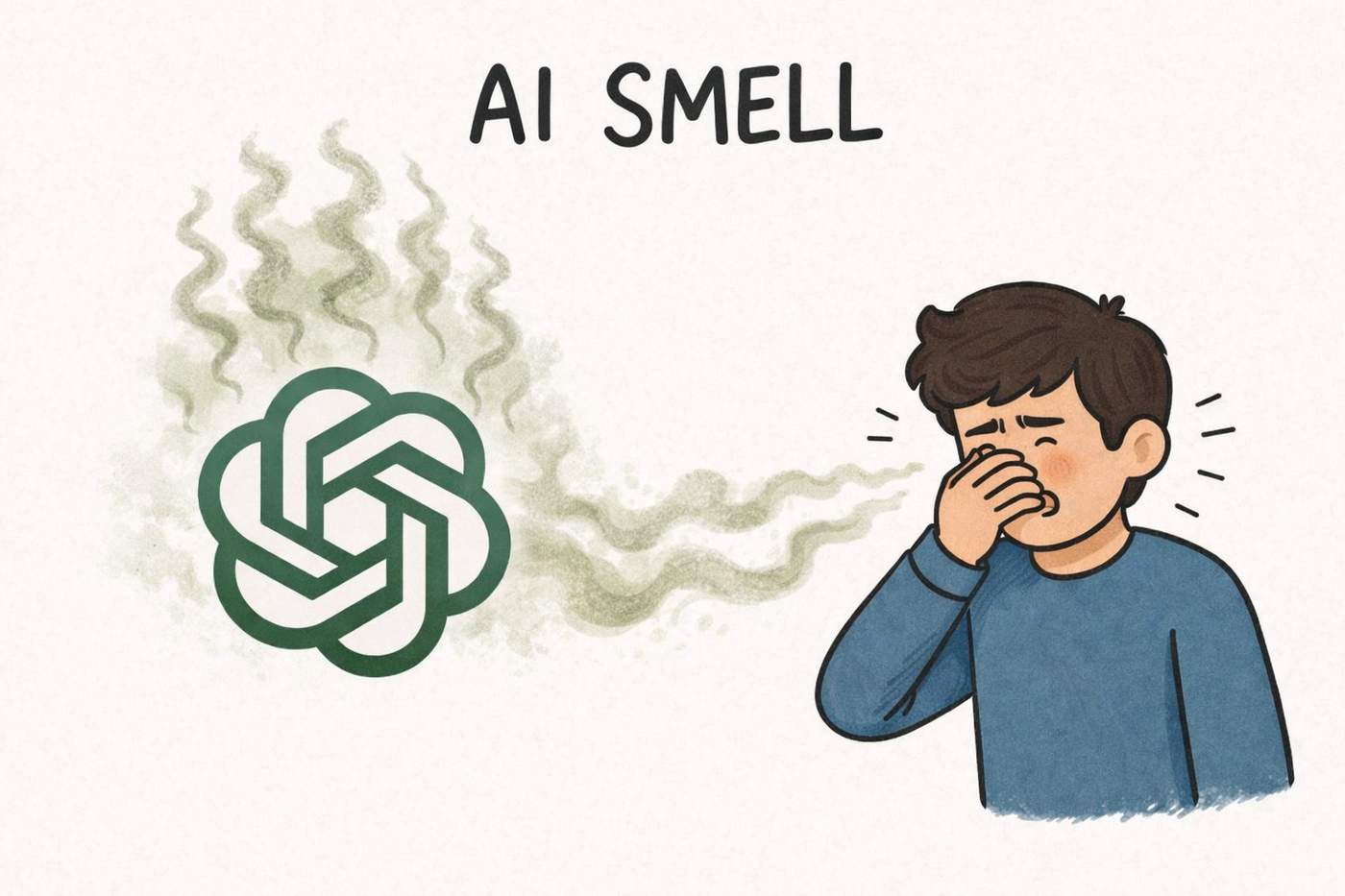
━━━ PROBLEM 1: AI SMELL ━━━
User feedback: "Posts sound robotic, not like me"
What I found:
Generated posts had 47 AI tell patterns:
- Em dashes everywhere (—)
- "Moreover, furthermore, additionally"
- "It's not X, it's Y" structures
- Corporate jargon nobody uses
- Hedge stacks ("may potentially possibly")
The fix:
Rebuilt entire prompt system using a skill(.)md one user shared with me.
Before: "Moreover, it's important to note that this innovative solution..."
After: "This works. Tested it."
Same meaning. Completely different feel.
━━━ PROBLEM 2: FRICTION ━━━
User feedback: "Have to DM you and wait? Too annoying"
What I realized:
I built a service, not a product.
User had to:
1. Find me on Twitter
2. DM me their idea
3. Wait for me to be online (I'm in Armenia, different timezone)
4. Get posts back
5. Hope I follow up
The fix:
Built self-service form today.
Now:
1. Submit idea on website
2. Get email with posts in ~30 min
3. No DM required

━━━ PROBLEM 3: UNCLEAR VALUE ━━━
User feedback: "What does this actually do?"
What I thought I was building:
"Multi-platform content generator"
What users actually need:
"Stop wasting 10 hours weekly reformatting posts"
The fix:
Changed entire messaging.
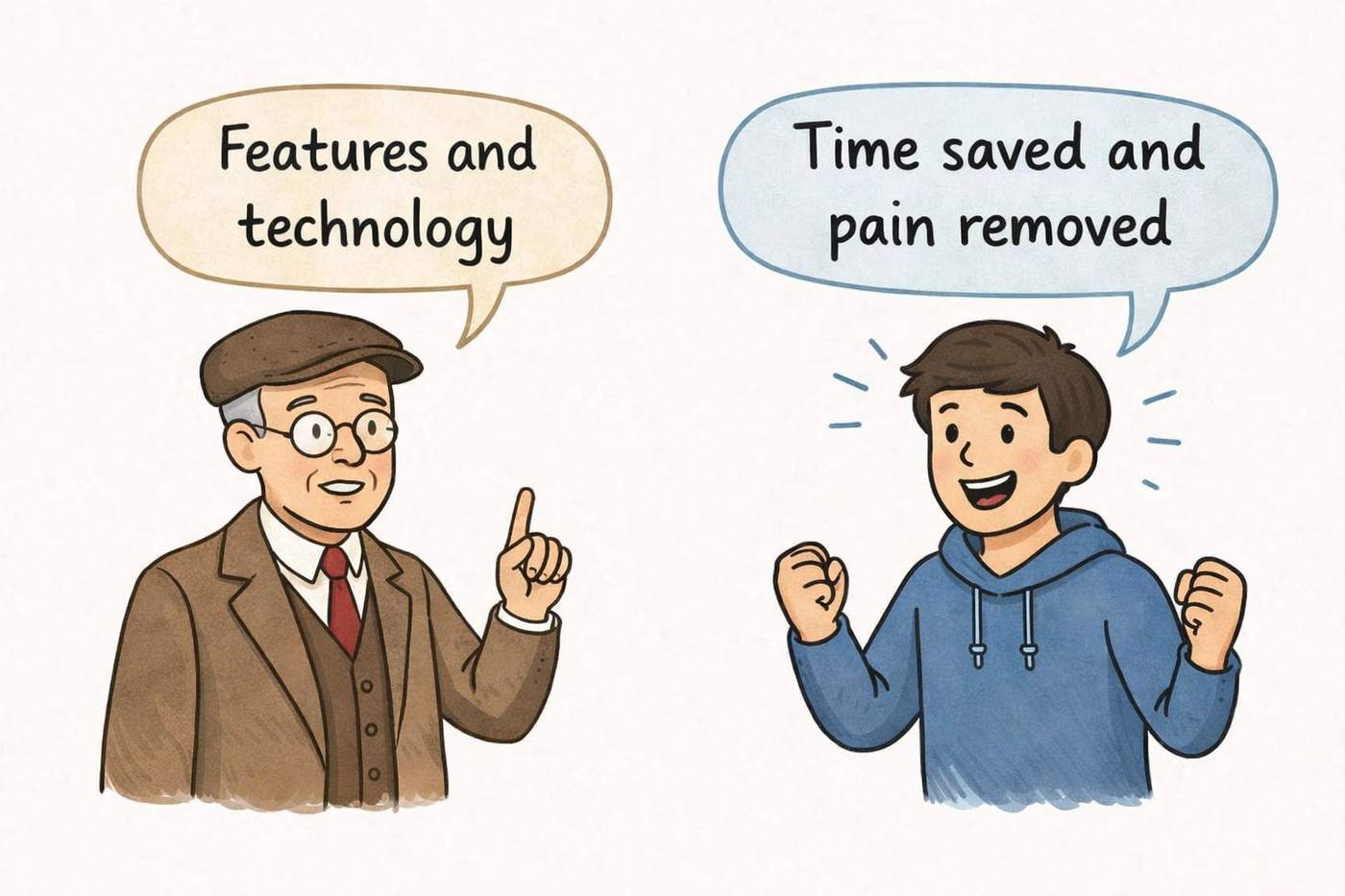
Old: Features and technology
New: Time saved and pain removed
━━━━━━━━━━━━━━━━━━━━━━━━
The result so far:
Site visits: 5-6/day → 20/day (4x in one day)
Form submissions: 0 → testing now
Re-engaged users: messaged all 5, waiting for responses
Still early. Still manual. Still free beta.
But now I'm building something people might actually want to use.
The biggest lesson:
Feedback that hurts is feedback that helps.
When someone says "this sucks," they're giving you a roadmap to make it better.
The users who ghosted me weren't wrong about the product. I was wrong about what they needed.
━━━━━━━━━━━━━━━━━━
What Tov does now (if you want to try):
One idea → Posts for Twitter/LinkedIn/Facebook/Reddit/Telegram
Each adapted to that platform's:
- Format (Twitter 180 chars, Reddit 200+ words)
- Tone (LinkedIn professional, Telegram personal)
- Structure (Reddit educational, Twitter/X punchy)
In your voice. Not generic AI.
Still doing it manually (free) until it works perfectly.
Early users lock $20/mo when automated (vs $39 regular).
Try beta: https://trytov.vercel.app
━━━━━━━━━━━━━━━━━━
My question for you:
What's the harshest feedback you've gotten that actually made your product better?
I read and reply to every comment. Building this in public.

Same pattern every time:
- They loved the idea
- Tried it once
- Never came back

I thought:
product broken?
messaging unclear?
follow-up bad?
Turns out: all three.
The posts I generated sounded like AI wrote them. Em dashes everywhere. Corporate speak. Generic transitions.
One user said: "sounds like AI slop"
That hurt.

But it was the wake-up call I needed.
I rebuilt the generation engine from scratch:
- Removed 47 AI "smell" patterns
- Added voice fingerprinting from user's past posts
- Tested until friends couldn't tell AI vs human
The difference is brutal.
Before: "Moreover, it's important to note that..."
After: "This works. Tested it."

I'm running beta again. Free until April 15.
The pitch: you send idea, I generate posts for Twitter/LinkedIn/Reddit/Telegram/Facebook.
Not generic AI versions. Your voice. Each platform's format.
Takes ~30 min. Free while testing.
Two asks:
1. If you post across multiple platforms, want to try?
2. What's your #1 frustration with AI-generated content?
Try it: trytov.vercel.app
-
1
The ghosting isn't the failure — it's the signal. 5 users is too small to draw conclusions but the pattern tells you something. Were they the right users? Did they have the problem you're solving badly enough to stick with a new tool? Before iterating on the product, I'd step back and stress-test the premise. Sometimes the problem is real but the audience is wrong. Or the audience is right but the pain isn't sharp enough.
-
1
thanks for such good questions, I'll think about them. What do you mean by a stress test?
-
1
A stress test means throwing your idea at models that are designed to break it — not confirm it. One model plays Devil's Advocate and tries to kill the idea. Another runs unit economics to see if the numbers work. Another checks if a solo founder can realistically build it. You don't get "great idea!" — you get "here's exactly where this falls apart." That's a stress test.
-
1
how can I do a stress test for my idea?
-
1
Quickest way: pitch it to 5 people in your target market and ask "would you pay for this today?" — not "do you like it." If most hesitate, dig into why.
If you want a faster read, try founderjury.ai — 8 AI models debate your idea simultaneously and flag the weak spots. Free to run.
-
1
Thanks, i'll try it.
Btw you have to fix adaptive design :) (no hate)
-
1
Thanks for trying it! Let me know what you think after your first run.
And good catch on the responsive design — it's on the fix list. Appreciate the feedback 🙏
-
1
I tried. Your review models sometimes use German, thats funny but I can't really understand some answers. Your models think about legal, I wasn't particularly interested in that, because I would like to receive an answer regarding the idea itself.
-
1
Thanks for trying it — really appreciate the honest feedback! You're right on both counts. I'm pushing a fix this week: (1) forcing English-only output across all models, and (2) rebalancing the debate to focus on idea viability and market potential first, not legal risk. Would love for you to try again once it's updated. What was the idea you submitted?
-
-
-
-
-
-
1
oh got it
-
-
-
-
1
"Sounds like AI slop" is brutal feedback but the best kind. At least they told you.
I'm building AgileTask (.ai) — AI sprint planning for solo founders. Hit the same wall early: the AI was generating tasks that sounded like a corporate PM wrote them. Completely disconnected from how indie hackers actually think about their work.
The voice fingerprinting approach is smart. Did you find that the platform context (Twitter vs LinkedIn) needed separate training or does the voice transfer across?Running a free beta too — timing is interesting. Good luck with the April 15 deadline.
-
1
Thanks for sharing.
About platform context: I sat separately and studied each algorithm for each platform, it took me about 20 hours for everything, I'm not kidding. Therefore, Tov is well trained and writes posts for each platform, knows the algorithms and the necessary parts of the post such as the hook, body, and cta.
-
1
That's serious research investment — respect for going that deep on the algorithms rather than guessing. The per-platform training makes total sense, each one has completely different engagement patterns.
Curious: did you find LinkedIn needed the most re-training from scratch, or was X the hardest to get right?
-
1
Tbh, the most difficult was reddit, where you need to write posts carefully and it's veeeeeery easy to get blocked. For linkedin, there's also an interesting algorithm for writing posts - there are business people there, and you need to please them
-
1
Reddit making sense — the community radar for self-promotion is extremely sensitive. Value-first or don't bother.
LinkedIn is interesting because our ICPs (solo founders, indie hackers) are there but they behave differently than on X. More formal, less raw.For AgileTask I'm focusing X first since that's where builders hang out authentically, then IH, then maybe Reddit r/SaaS carefully. LinkedIn feels like a later stage play once there's social proof to point to.
What's your conversion rate from social to trial so far?
-
-
-
-


This is my first post on IndieHackers, and I want to share my experience.
For context - I've launched a free beta for users who want to try my tool. The idea: a user (founder or builder) sends me a post, and I use AI to analyze their profile and website, creating a unique tone of voice based on their posts and thoughts. Then, I use my tool to generate posts for each platform (X, Reddit, Linkedin, Telegram, and Facebook).
With the help of DMs and posts in X, I found the first 3 users, they were happy to help me with the beta test, and together we made about 15 posts for them. I received feedback, some people liked the posts, some said that they needed to be improved and removed the feeling of AI, and some didn't respond at all and disappeared.
I improved the generation, found 2 more people, and there were a total of 5 users, with whom we created about 20 posts. They told me to improve the generation even more, and one of them even shared his skill(.)md to completely remove the AI smell.
I managed to do this, but I didn't write to anyone for 2-3 days because I was a bit busy.
As I realized, this was my biggest mistake
Not writing to anyone meant that no one remembered me.
Now, I have lost 5 beta users, and I have created about 20 posts for everyone, receiving feedback to improve the product.
I'm still looking for people for the beta version, which is free now. Also, if you participate in the beta version, you'll get a permanent -50% discount on future purchases.
-
3
5 users giving you real feedback and 20 posts generated is actually a solid beta — most people can't even get 5 humans to try their thing.
The 2-3 day gap killing momentum is a pattern I've seen with my own projects too. Early beta users aren't invested enough to wait around. They gave you their attention as a favor, and attention has an expiration date. The fix isn't just "follow up faster" though — it's giving them a reason to come back on their own.
One idea: instead of manually generating posts for each person, could you set up a simple flow where they submit a topic and get the draft back async? Even a basic form + email delivery. That way they're pulling value from you instead of you pushing it to them. The dynamic shifts from "please test my thing" to "here's a tool I actually use."
Also, the fact that someone shared their skill.md with you to improve the output is a huge signal. That person was genuinely invested. I'd reach back out to them specifically — even if it's been a few days, a message like "hey, I used your feedback to rebuild the generation engine, here's a before/after" would probably re-engage them.
-
1
it's a good idea to make a working minimum workflow, I will do it!
And yes, I tried to write to him, but unfortunately I didn't respond. and there was the most involved user.
-
-
1
Something nobody mentioned yet - the fact that you got honest "AI slop" feedback is actually rare. Most beta users just silently leave and you never learn why. The ones who told you the output sounded robotic gave you something worth way more than polite encouragement.
I've been working on content generation tools myself and the AI smell problem is genuinely hard to solve. The patterns you identified (em dashes, corporate filler words, hedge stacking) are the obvious ones, but there's a subtler layer too - AI tends to write in perfectly balanced paragraphs with neat transitions. Real humans are messier. They start sentences with "But" and "And." They repeat themselves. They trail off. Teaching a model to be imperfect on purpose is counterintuitive but it's what makes output feel human.
One tactical thing that might help with the ghosting problem: instead of reaching out when the product is ready, try sending a 2-line update every time you make a change based on their specific feedback. "Hey, you mentioned the LinkedIn output felt too formal - just pushed a fix for that, here's what the same prompt looks like now." That closes the feedback loop and makes them feel heard, which is the strongest retention lever you have at this stage.
What platform are your beta users posting to most? Curious if there's one where the AI voice problem is harder to crack than others.
-
1
The ghosting pattern you described is super common in early beta. I've seen the same thing with AI tools where users try once, get generic output, and bounce. The fact that someone shared their prompt template with you is a massive signal though. That's a user who was invested enough to help you fix the core problem. The "AI slop" feedback is actually the most valuable thing you got because it means the product concept works, the execution just needs tuning. One thing that helped me with my own AI product: instead of trying to retain all 5, focus on re-engaging the 1-2 who gave the most specific feedback. Those are your future power users. Good luck with the next round!
-
1
thanks for the good advice! I've already written to those users, trying to get them to post more
-
-
1
The distribution problem you're describing is painfully familiar. I acquired a Chrome extension SaaS and even with an existing user base, keeping people engaged is a constant battle — I've got 86% of paying users who are technically inactive. Getting 5 real people to try your thing and give honest feedback is further than most get. The AI slop feedback is actually gold because now you know exactly what to fix. Most founders never get that specific.
-
1
it's strange if most founders never get that specific. Thank you for sharing your results, but how did you get the first paying users?
-
-
1
honestly 5 users giving you real detailed feedback on 20 posts is more signal than most people get at launch, so don't write that off. the gap lesson is real though - early users aren't invested enough to wait around, they need to feel like things are moving even when you're heads down improving stuff. one thing that helped me was sending quick async updates even when nothing was ready yet, like "hey working on the tone fix you flagged, here's what changed so far." keeps people in the loop without needing a finished deliverable. are you planning to keep the manual workflow for now or trying to automate the whole pipeline before going wider?
-
1
What really caught my attention was how you took the initiative to reach out directly to your first users. ~
Instead of just sitting back and waiting for things to pick up, you jumped right in, starting conversations and figuring out what people were interested in from the get-go.
-
1
Of course! How else can I get users? :) And how do you act?
-
-
1
Usually context is the issue for me. When I want to write a post for linkedin, AI tends to oversimplify things and it requires a lot of back and forth. Usually end up writing it on my own.
But beautiful landing page!-
1
I agree, AI often doesn't do what you or the platform really needs. So I sat and studied the algorithms of each platform, and now my AI tool is ready to write posts! I only need users, do you want to test it for free?
-
-
1
Landing page is almost certainly part of this. When users ghost after signing up, they usually hit the page and don't immediately understand what they're getting or why it's for them.
I ran into this with my own product. Built mypagefeedback[dot]com to diagnose exactly this, scores your page free in 10 seconds across 6 dimensions. Run Tov through it and share the score here. I'll tell you what to fix first.
-
1
Nice tool, but you have a poor responsive design for mobile devices. I've looked at your tool's report, I'll think about what to change. Thx
-
-
1
The 2-3 day gap resonates. Treat beta users like a sales pipeline - ping every 48 hours max, even just a quick update. Also 5 users giving real feedback beats 50 signups who never engage. You have signal.
-
1
You're right, bro, thanks. I need to write to those beta users
-
-
1
This is one of the most honest posts I've read here. 👏
The 'ghosting after one try' pattern is painful — and you broke down exactly why:
— Product wasn't ready
— Messaging felt like AI
— Follow-up stoppedThe last one is the killer. You took 2-3 days off, and they disappeared. It's not fair — but it's real. Early users need momentum. If you pause, they move on.
What I respect: you didn't blame the users. You rebuilt the generation engine, removed 47 AI 'smell' patterns, and kept going.
One question: have you tested the new version with any of the original 5? Would be curious if the rebuild would bring them back.
Keep building. The fact that you're sharing this publicly means you'll figure it out.
-
1
The 2-3 days of silence killing the momentum is such a common and painful lesson. Beta users aren't customers yet, they're doing you a favour, which means the relationship needs constant warmth to stay alive. The moment you go quiet they move on to the next thing. The feedback you got in 20 posts is genuinely valuable though. Most people can't get 5 strangers to engage seriously with a beta at all. That's not nothing. One thing worth trying: instead of waiting to reach back out when the product is ready, send a "here's what I changed based on your feedback" message. People respond to being listened to. It might bring one or two of them back.
-
1
Yes, I did it, but unfortunately, no one returned. Thanks for the great advice!
-
-
1
Thanks for sharing this. What’s your current strategy to scale beyond the first 5 users?
-
1
when I get the first 5 users, I will strengthen marketing in the platform where I got them. I will also ask them if they know anyone who might also benefit from Tov
-
-
1
This hits. Building is one side of the problem, but keeping early users engaged is a whole different game. Those small gaps in communication really add up.
-
1
That's right, bro, but how do you find the first users?
-
1
Still figuring it out myself, but I’ve realized a big part of the problem is people don’t know where and how to connect with the right users early on, that gap is bigger than it looks.
-
1
I agree with you, it's difficult to understand and find them, and we all get stuck on it :)
-
1
Yeah, and honestly this is something I’ve been thinking a lot about lately, how people actually connect with the right users early on. feels like there’s a real gap there, been exploring something around this as well.
-
-
-
-
-
1
The 2-3 day gap is the classic early-beta trap — you were heads-down improving the product, which feels like the right thing to do. But beta users don't know that. Silence reads as abandonment, not productivity.
One habit that helps: before wrapping each session, set an explicit next touchpoint out loud — not "I'll reach out when it's ready" but "I'll send you the updated version on Thursday." That small commitment means they're now expecting to hear from you, not just hoping to.
The person who shared their skill.md is absolutely still reachable. They invested real effort; a 3-day gap isn't a dealbreaker for someone that engaged. A message showing you actually used their input — with a specific before/after — will almost certainly get a response.
-
1
wow, that's a good habit, thank you! I think it will make things clearer for people. What platforms do you use for marketing?
-
-
1
Just launched my first product this week so this hit close. The 2-3 day gap is something I'm actively trying to avoid myself - momentum with early users is everything and silence kills it faster than bad feedback ever would. The fact that they gave you detailed feedback means they actually cared about what you were building. That's worth more than most first launches get. Good luck with the next round.
-
1
yes, as I understand it, there is no need to make gaps between the days of connecting with users. you always need to be visible and then you will be remembered.
-
-
1
Hey, really appreciate you sharing this! Ghosting happens to everyone at first 😅
Quick tip: keep regular touch and show small wins early. It helps users stay engaged. Your AI post generator sounds awesome, and the 50% beta discount is a smart incentive. I’d love to try the beta if there’s still space!
-
1
thanks for your tips! of course, the beta is still available, DM me on X: @balyberdin_dev
-


Comment