IPTV Channel Guide 2026: What It Is & Legal Ways to Watch
What is an IPTV channel, how does it work, and which legal platforms offer them free or cheap? Full 2026 guide with tools, pricing & FAQs.
🚀 Explore the IPTV Channel Guide
🚀 Explore the IPTV Channel Guide
Introduction
Best IPTV is one of the most searched streaming terms today — but most search results either oversell sketchy reseller subscriptions or under-explain the actual technology. This guide breaks it down properly: what an IPTV channel actually is, how the delivery works behind the scenes, which platforms offer them legally (many for free), and how learners, freelancers, and small business owners can use this knowledge practically — without legal or security risk.
By the end, you'll understand the difference between a licensed IPTV channel and an unauthorized one, and you'll have a clear list of legitimate tools and services to explore.
What Is an IPTV Channel?
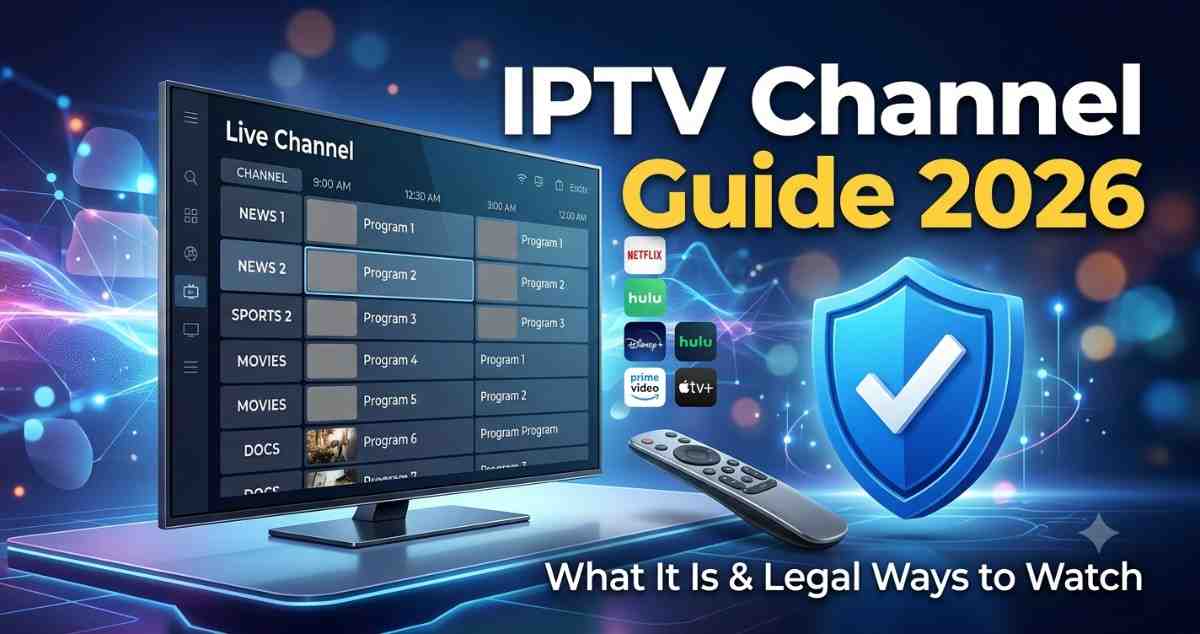
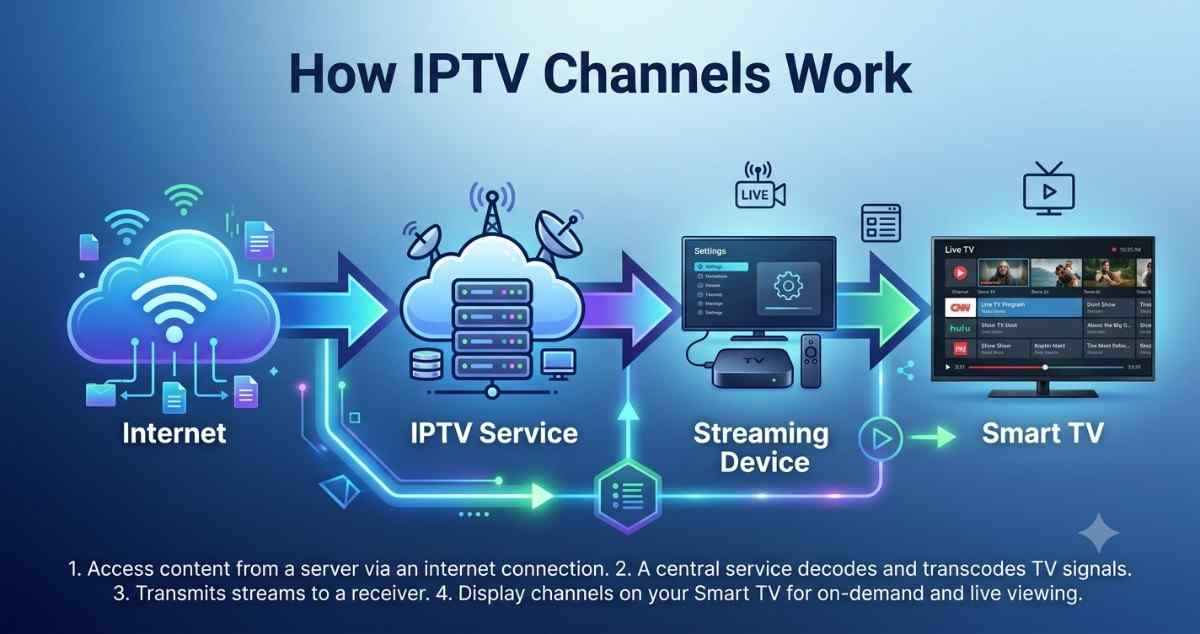
An IPTV channel is a live or scheduled video feed delivered over the internet using Internet Protocol, instead of traditional satellite, cable, or terrestrial broadcast signals. Rather than tuning into a frequency, your device requests a stream from a server, and the channel plays continuously, just like normal TV.
How an IPTV Channel Is Structured
Stream source: The broadcaster encodes live video into a streaming format (usually HLS/M3U8)
Playlist entry: Each channel is listed as an entry in a playlist file, often with a name, logo, and category
EPG data: Many IPTV channels are paired with an Electronic Program Guide showing what's currently airing and what's coming up
Delivery: The channel streams to any compatible player — a smart TV app, streaming box, or mobile app
🚀 Explore the IPTV Channel Guide
Types of IPTV Channels
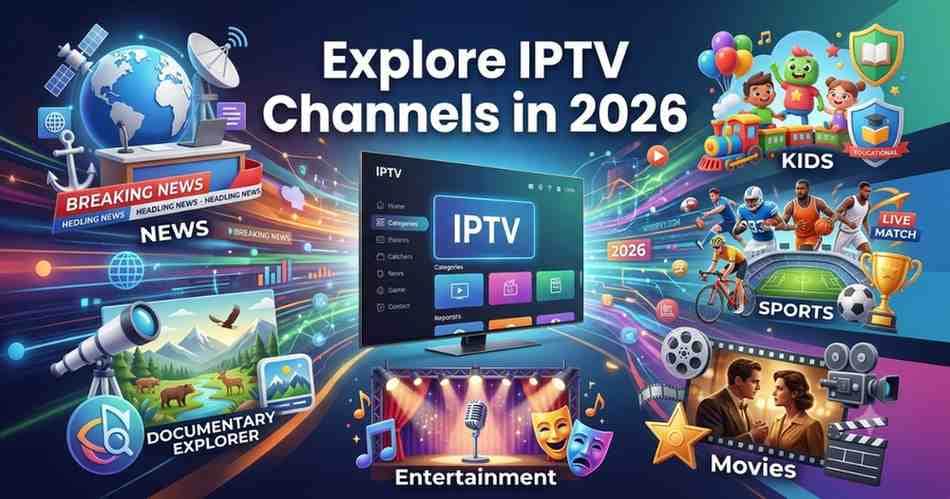
Live linear channels: Continuous broadcast, just like traditional TV (news, sports, entertainment)
FAST channels (Free Ad-Supported Streaming TV): Free, licensed, ad-supported live channels — a fast-growing legal category
Video-on-demand (VOD) channels: Curated on-demand libraries presented in a channel-like format
Private/internal channels: Businesses or institutions streaming their own content internally
Why IPTV Channels Matter in 2026
Traditional cable subscriptions continue declining as viewers shift to internet-delivered TV
FAST channels have become mainstream, with major smart TV brands and streaming platforms now offering hundreds of free, fully licensed live channels
Regulatory crackdowns on unauthorized IPTV channel resellers have intensified across the US, UK, EU, and Australia, making "legal channel sources" a genuine ranking and safety concern for searchers
Smart TVs now ship with built-in apps offering dozens of free IPTV-style channels out of the box
For small businesses, IPTV-style channel delivery has become a low-cost way to run digital signage, internal comms, and branded content loops
Key Benefits of Using Legal IPTV Channels
No hardware required: No satellite dish, no cable box — just an internet connection
Often free: Many legal IPTV channels (FAST channels) cost nothing, supported by ads
Global access: Watch news and content from broadcasters around the world, where licensed
On-demand flexibility: Many platforms combine live channels with replay/catch-up options
Business-friendly: Easy to build custom internal channels for training, signage, or announcements
Lower cost than cable: Even paid legal IPTV bundles are typically cheaper than traditional cable packages
🚀 Explore the IPTV Channel Guide
Are IPTV Channels Legal?
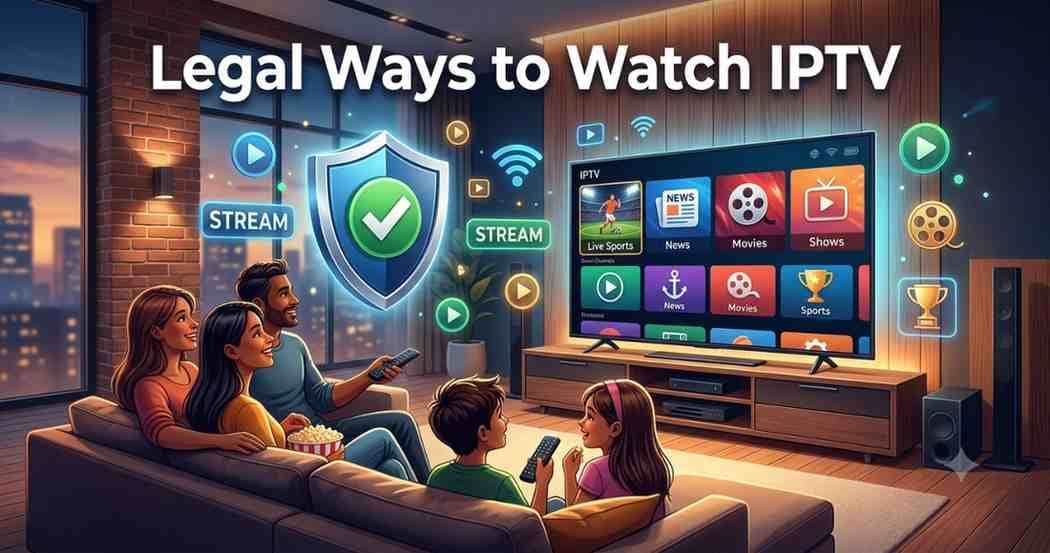
Legal IPTV channels are streams offered directly by licensed broadcasters, official streaming platforms, or FAST channel providers with proper distribution rights.
Illegal IPTV channels are unauthorized copies of premium content (sports, movies, cable networks) redistributed without permission — commonly sold cheaply in bulk "channel packages."
Signs a channel package is unauthorized: extremely low pricing for hundreds of premium channels, no company information, payment only via crypto or informal apps, and no free trial from an identifiable, licensed company.
Safe approach: Stick to well-known platforms (see below) or your national broadcaster's official app.
Top Legal IPTV Channel Platforms & Tools
These are established, licensed platforms offering free or paid IPTV-style channels.
Pluto TV
Free, ad-supported live channels across genres
Owned by Paramount, fully licensed
Available on smart TVs, mobile, and web
Samsung TV Plus
Built into Samsung smart TVs
Free live channels, no account required
Wide international channel availability
Xumo Play
Free ad-supported live channels and on-demand content
Owned by Comcast, backed by licensed content deals
The Roku Channel
Free live channels plus on-demand library
Available on Roku devices and as a standalone app
Tubi TV
Primarily on-demand, with a growing selection of free live channels
Fully licensed, ad-supported model
LG Channels
Built into LG smart TVs
Free live channels curated by region
YouTube (Official Broadcaster Channels)
Many broadcasters run official free live channels directly on YouTube
Fully licensed and regionally available
Comparison of Legal IPTV Channel Platforms
Pluto TV
Channel count: 300+ (varies by region)
Cost: Free
On-demand library: Yes
Device support: Smart TVs, mobile, web, streaming boxes
Samsung TV Plus
Channel count: 200+ (varies by region)
Cost: Free
On-demand library: Limited
Device support: Samsung smart TVs, Samsung phones
🚀 Explore the IPTV Channel Guide
Xumo Play
Channel count: 200+ (varies by region)
Cost: Free
On-demand library: Yes
Device support: Smart TVs, mobile, streaming boxes
The Roku Channel
Channel count: 150+ (varies by region)
Cost: Free (plus premium add-ons)
On-demand library: Yes
Device support: Roku devices, mobile, web
Tubi TV
Channel count: 60+ live channels
Cost: Free
On-demand library: Extensive
Device support: Nearly all smart TVs and streaming devices
LG Channels
Channel count: 150+ (varies by region)
Cost: Free
On-demand library: Limited
Device support: LG smart TVs only
Features to Look For in an IPTV Channel Platform
Regional availability: Channel lineups often vary by country — check before committing
EPG (program guide): Lets you see what's airing now and what's coming up
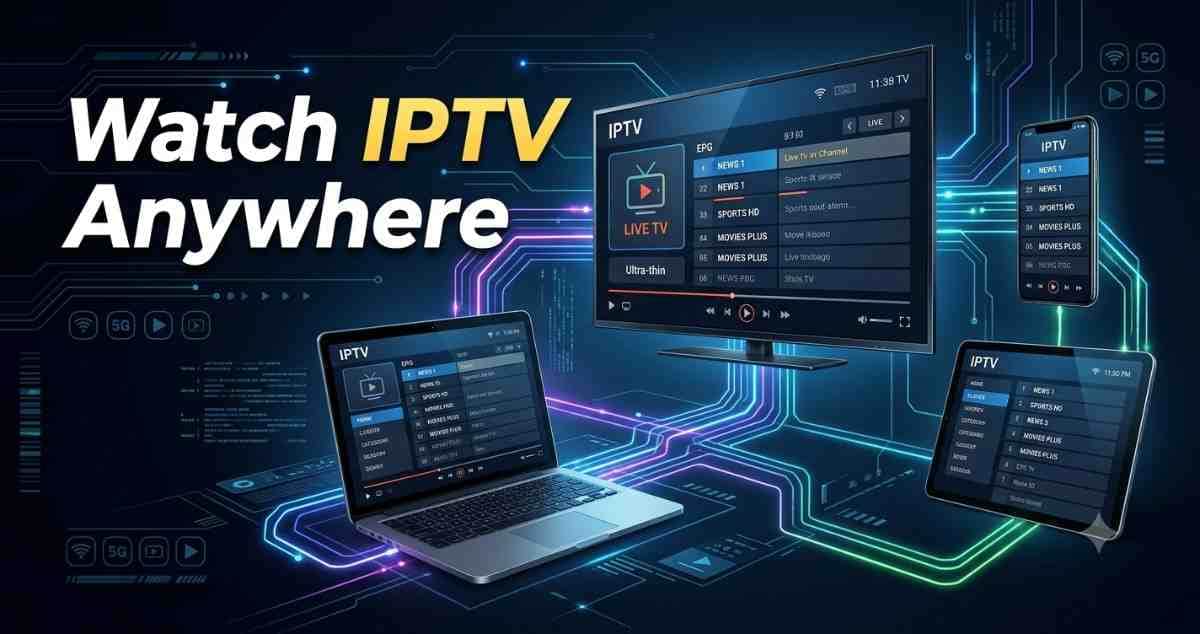
Multi-device support: Ability to watch on TV, phone, and web with one account
On-demand library: Bonus content beyond live channels
No/low ad interruption: Ad-supported platforms vary in how frequently ads appear
Offline/app-free access: Some platforms allow web playback without installing an app
Parental controls: Useful for family or shared business devices
Search and favorites: Ability to organize and quickly access preferred channels
Pricing Overview
Pluto TV
Price: Free
Notes: Fully ad-supported, no premium tier
Samsung TV Plus
Price: Free
Notes: Exclusive to Samsung devices
Xumo Play
Price: Free
Notes: Ad-supported, owned by Comcast
The Roku Channel
Price: Free + optional premium subscriptions (e.g., add-on channels)
Notes: Premium add-ons priced individually, typically $4.99–$14.99/month
Tubi TV
Price: Free
Notes: Ad-supported, owned by Fox Corporation
LG Channels
Price: Free
Notes: Exclusive to LG smart TVs
Paid licensed IPTV bundles (via official telecom/streaming providers)
Price: Typically $15–$70/month depending on country and channel count
Notes: Offered directly by licensed telecom or streaming companies — always verify official status before subscribing
🚀 Explore the IPTV Channel Guide
Use Cases for IPTV Channels
Cord-cutting households: Replace or supplement cable with free, legal live channels
Freelancers/remote workers: Background news or entertainment channels without a cable subscription
Small businesses: Waiting rooms, lobbies, and break rooms using free ad-supported news/entertainment channels
Learners: Studying media delivery, streaming protocols, and digital broadcasting as a technical or career skill
Startups building media products: Understanding channel structure and EPG data before building a streaming or signage product
International viewers: Accessing region-specific news and content through officially licensed regional apps
Best For
Learners: Understanding how modern TV delivery and channel-based streaming actually works
Freelancers: Low-cost or free background entertainment/news without ongoing subscriptions
Startups & small businesses: Digital signage, lobby displays, and internal channels built on legal, low-cost platforms
Budget-conscious cord-cutters: Anyone wanting live TV-style content without a cable bill
Pros and Cons of IPTV Channels
Pros
Many high-quality legal options are completely free
No hardware installation or long-term contracts required
Wide selection across news, sports (where licensed), entertainment, and lifestyle genres
Easy to access on smart TVs, phones, and computers
Great entry point for learning streaming/media technology
🚀 Explore the IPTV Channel Guide
Cons
Channel lineups vary significantly by country and platform
Free platforms are ad-supported, which some viewers find intrusive
Premium sports and cable-exclusive content generally requires a separate paid, licensed subscription
The market is flooded with unauthorized "IPTV channel" resellers, making it easy for beginners to accidentally choose an unsafe option
Some platforms restrict access to specific device ecosystems (e.g., Samsung TV Plus, LG Channels)
Best Alternatives for Premium & Niche Channels
If free FAST channels don't cover what you need (e.g., premium sports or cable-exclusive networks), these legal alternatives are worth considering:
Official telecom/ISP-provided IPTV packages: Many internet providers now offer their own licensed IPTV bundles
Sports-specific licensed streaming services: Official league or broadcaster apps for live sports
Bundled streaming subscriptions: Many major streaming platforms now include live channel tiers alongside on-demand libraries
Public broadcaster apps: Most countries have a free, official app for national news and public television
Self-hosted setups (Plex/Jellyfin + legal tuner): Combine an antenna-based tuner with a personal media server for a fully legal live TV experience
Future Trends for IPTV Channels
Continued growth of FAST channels, with more media companies launching their own free ad-supported lineups
AI-curated channel recommendations based on viewing habits, integrated directly into smart TV interfaces
Deeper integration into smart TV operating systems, reducing the need for separate apps
Increased regulatory enforcement against unauthorized channel resellers, pushing more users toward verified legal platforms
Interactive and shoppable channels, blending live content with e-commerce features
Expansion of hyper-local and niche channels, catering to specific regions, languages, and interests
Conclusion
An IPTV channel is simply a live TV feed delivered over the internet — and in 2026, some of the best television experiences available are completely free and fully legal, thanks to the rise of FAST platforms like Pluto TV, Samsung TV Plus, Xumo, and Tubi. For learners, freelancers, and small businesses, understanding how these channels work opens the door to smarter viewing choices and even new business applications like digital signage.
Avoid the temptation of cheap, unauthorized "thousands of channels" bundles — they carry real legal and security risks with no guarantees. Stick to recognized, licensed platforms, and you'll get a stable, safe, and often free IPTV channel experience.
FAQ's
1. What exactly is an IPTV channel?
An IPTV channel is a live TV feed delivered over the internet using Internet Protocol, rather than through satellite, cable, or terrestrial broadcast signals.
2. Are free IPTV channels legal?
Yes, when offered by licensed platforms like Pluto TV, Samsung TV Plus, or Tubi. These are legally licensed, ad-supported services — not to be confused with unauthorized channel resellers.
3. What is a FAST channel?
FAST stands for Free Ad-Supported Streaming Television — a category of legal, free live channels supported by advertising instead of subscription fees.
4. Do I need a smart TV to watch IPTV channels?
No. Most legal IPTV channel platforms also offer mobile apps and web players, so a smartphone, computer, or streaming device works fine.
🚀 Explore the IPTV Channel Guide
5. Why are some IPTV channel subscriptions so cheap?
Extremely cheap bundles offering hundreds of premium channels are usually unauthorized and carry legal, security, and reliability risks. Legitimate premium content is priced closer to standard streaming or cable rates.
6. Can I get live sports through legal IPTV channels?
Yes, but usually through dedicated, officially licensed sports streaming services or broadcaster apps rather than free general-entertainment FAST platforms.
7. Do IPTV channel platforms work internationally?
Availability varies by country due to licensing agreements. Always check a platform's regional channel lineup before relying on it.
8. Can small businesses create their own IPTV-style channel?
Yes — many businesses build internal or signage channels using self-hosted tools, streaming their own owned or licensed content in a channel-like format.

