
PostSphere
PostSphere Blogs.

Most mold problems do not begin with mold.
They begin with water.
Sometimes it is obvious, like a leaking pipe or a flooded basement. Other times it is much harder to notice. A basement stays a little too humid. A roof leak only shows up during heavy rain. Condensation collects around a window every morning. A bathroom never seems to dry completely after a shower.
Give that moisture enough time, and mold can follow.
That is why homeowners are usually better off thinking about mold as a moisture problem first. The visible growth is often only the part you can see.
Gettysburg Homes Deal With Several Different Sources of Moisture
Gettysburg has a mix of older homes, basements, crawl spaces, changing temperatures, wet weather, and humid summer days. None of those things automatically causes mold, but together they create plenty of opportunities for moisture to get trapped indoors.
Basements are probably the easiest example.
A basement can feel damp without having an active leak. Concrete walls and floors stay cool, outside humidity enters the space, and stored boxes or furniture can block airflow along the walls. Once moisture starts lingering, organic materials such as cardboard, wood, drywall, and fabric become much more vulnerable.
This is why homeowners sometimes notice the smell before they see anything.
That damp, earthy odor in a basement usually deserves more attention than simply opening a window for a few hours.
The source may be indoor humidity, poor drainage outside, seepage through the foundation, or a plumbing issue. Each cause needs a slightly different fix.
A small amount of water can still create a big problem
People naturally worry about major floods, but slow moisture can be just as troublesome.
Imagine a tiny plumbing connection under a bathroom sink that drips once every few minutes. It may never create enough water to spread across the floor. Instead, the water soaks into the cabinet base again and again.
The cabinet stays damp, the door stays closed, and very little air reaches the area.
That is exactly the sort of environment where mold can develop quietly.
The same thing happens behind washing machines, around toilets, beneath dishwashers, and inside walls containing supply lines.
By the time you notice staining or an odor, the leak may have been there for weeks.
Roof Leaks Rarely Stay in One Place
Roof leaks can be misleading because the place where water enters is not always the place where the stain appears.
Water can travel along rafters, insulation, or framing before it reaches the ceiling below.
A small stain in an upstairs bedroom could therefore be connected to a roof problem several feet away.
The attic is often the best place to look for clues.
Darkened roof decking, damp insulation, rusty fasteners, or repeated staining around vents and chimneys can all point to moisture.
One mistake homeowners make is assuming that a stain is no longer important because it has dried.
If the roof leaks every time there is a hard rain, the drying period between storms does not solve the underlying problem.
Repeated wetting is what creates trouble.
Bathrooms Show How Quickly Moisture Can Build Up
Take a hot shower and look at the mirror afterward.
That fog is moisture in the air, and some of it is also settling on the ceiling, walls, trim, and window surfaces.
A properly working exhaust fan removes much of that moisture. Without enough ventilation, the room can stay damp much longer than it should.
That is when you begin seeing dark spotting along grout, caulking, ceiling corners, or window frames.
In many cases, homeowners clean the spots successfully, only to see them return.
The reason is simple: the room is still getting wet every day.
Replacing caulk or repainting the ceiling may improve the appearance, but neither addresses poor ventilation.
There is another issue worth checking too. Bathroom exhaust fans should discharge outside the house. If the duct ends in the attic, all of that warm, damp air gets moved into another enclosed space.
Instead of solving the moisture problem, you relocate it.
Condensation Is Easy to Dismiss Until It Happens Every Day
Water does not have to come from a leak.
It can come straight from the air.
When warm indoor air touches a cold surface, moisture can condense. You see this most often on windows, plumbing pipes, and sometimes HVAC components.
A little water on a window during a particularly cold morning is not unusual.
A window sill that is soaked every morning is different.
Repeated condensation can damage wood trim and drywall around the opening. Paint may peel, the wood can swell, and dark staining may eventually appear.
Cold water pipes in basements can create a similar problem. Moisture forms on the outside of the pipe and drips onto nearby materials.
If the same wall, ceiling, or section of flooring is constantly exposed to moisture, mold has a much better chance of developing there.
What Happens After Water Damage Matters More Than Most People Realize
A washing machine hose fails. A water heater leaks. A toilet overflows.
The first thing everyone does is remove the visible water, and that is exactly what should happen.
The problem is assuming the job is finished once the floor looks dry.
Water can move underneath flooring, soak carpet padding, enter drywall, and reach insulation or framing. These materials do not always dry at the same speed as the visible surface.
That is why mold sometimes appears several days after what seemed like a completely handled water incident.
The affected area needs air movement and proper drying, and the extent of the moisture needs to be understood.
If mold is already spreading into building materials or returning after previous cleanup, homeowners may decide to contact a company such as Gettysburg Mold Remediation Pros to determine how much of the area has been affected and whether there is still an active source of moisture.
That does not change the basic principle. Remediation works best when the water problem is addressed at the same time.
Sometimes the Water Problem Is Outside
If you have a basement that becomes noticeably damper after storms, look outside before assuming the issue is entirely indoors.
Gutters, grading, downspouts, and drainage around the foundation all matter.
A clogged gutter can spill large amounts of water next to the house. A downspout that ends just a foot or two from the foundation may send rainwater exactly where you do not want it. Ground that slopes toward the home can make the problem worse.
Walk around the property during or shortly after a heavy rain and watch where the water moves.
You may learn more from that five-minute walk than from repeatedly cleaning a damp basement wall.
If water is collecting near the foundation, dealing with drainage should be part of the solution.
Hidden Spaces Deserve Occasional Attention
Two of the easiest places for moisture problems to go unnoticed are attics and crawl spaces.
Neither is somewhere most homeowners visit regularly.
That means a slow leak, damp insulation, or plumbing problem can continue for quite some time before it becomes obvious in the living space.
You do not need to inspect these areas every week. A few checks during the year, especially after bad weather or home repairs, are usually enough to notice significant changes.
Look for water stains, damp materials, condensation, damaged insulation, and anything that smells unusually musty.
The same rule applies to areas behind appliances and beneath sinks.
You are not trying to hunt for mold everywhere. You are simply checking the parts of the home where water can sit unnoticed.
Cleaning the Mold Is Only Half the Job
This is probably the most important point.
If mold grows on a wall because a pipe is leaking behind it, cleaning the wall does not fix the pipe.
If mold appears in a basement because rainwater keeps entering around the foundation, repainting the wall will not stop the water.
If bathroom mold keeps coming back because the room never dries properly, a stronger cleaner is not the long-term answer.
Visible mold gets attention because you can see it.
Moisture deserves just as much attention because that is what allows the problem to continue.
When an area keeps getting wet, ask why before you decide how to clean it.
A Simple Way to Think About Mold Prevention
You do not need to make mold prevention complicated.
Keep water where it belongs.
Fix plumbing leaks when you notice them. Keep gutters working. Make sure downspouts move water away from the foundation. Use bathroom and kitchen ventilation. Pay attention to condensation. Keep basement humidity under control and check areas that stay damp after storms.
Most importantly, notice patterns.
A single wet window might mean very little. Every window dripping each morning tells you something about the indoor environment.
One small ceiling stain after an old roof leak may already be resolved. A stain that grows after every storm tells you the leak is probably still active.
A basement that smells musty only after several days of rain may be giving you a clue about drainage.
Homes usually give warning signs before moisture turns into a much larger problem.
The people who catch those signs early are usually the ones who have the easiest time dealing with them.


GLP-1 medications like Zepbound have reshaped weight management for millions of patients. But getting insurance to actually pay for them remains one of the biggest obstacles people face after receiving a prescription.
The numbers are hard to ignore. According to the 2025 KFF Employer Health Benefits Survey, roughly four out of five large employer health plans still don't cover GLP-1 drugs for weight loss. If your Zepbound claim came back denied, you're in the majority, and the denial says far more about the insurance system than it does about your medical needs.
Zepbound denials are particularly frustrating because the medication works differently from the alternatives insurers prefer. As a dual GIP/GLP-1 receptor agonist, tirzepatide works through a distinct mechanism compared to semaglutide-based alternatives like Wegovy, which target GLP-1 alone. For many patients, that pharmacological difference translates into meaningfully different outcomes, which is exactly why their doctors prescribed it in the first place.
You have the right to appeal every denial, though most people don't realize it. Across the industry, fewer than one percent of denied claims ever get appealed. Yet when patients do push back with proper documentation, approvals happen far more often than most people expect.
What's Behind the Denial
Insurance companies deny Zepbound for a handful of recurring reasons, and identifying yours is important because it determines how you respond.
Some denials revolve around formulary preferences. Your insurer may want you on a different medication, such as Wegovy, because they've negotiated better pricing on it. This became especially common after CVS Caremark dropped Zepbound from its formulary in 2025, pushing patients toward semaglutide-based alternatives regardless of individual clinical circumstances.
In some cases, the plan excludes anti-obesity medications entirely as a policy-level decision unrelated to your individual medical situation. You might also encounter step therapy mandates, where the insurer requires you to try and fail on other drugs before approving Zepbound.
Occasionally, the issue is as straightforward as claim coding. Zepbound holds FDA approval for both chronic weight management and obstructive sleep apnea in adults with obesity, and the diagnosis code attached to the claim can be the difference between approval and rejection.
Regardless of the reason, every denial type has a corresponding strategy for overturning it. Step one is always reading your denial letter carefully. The letter is legally required to include the specific basis for the decision, your appeal rights, and your filing deadline.
3 Paths to Overturn the Decision
Once you understand why coverage was refused, you have three main avenues for challenging it. You can combine approaches, and doing so can strengthen your overall position.
1. Have Your Doctor File an Appeal
The most familiar route is a provider-level appeal, where your prescribing physician submits documentation arguing that Zepbound is medically necessary for your care.
The centerpiece of this approach is a letter of medical necessity. This is a formal document from your doctor that lays out your diagnosis, weight history, relevant comorbidities, previous treatments attempted, and the clinical rationale for prescribing Zepbound over alternatives. The strongest letters cite relevant clinical research (such as the SURMOUNT trials for tirzepatide) and directly address the insurer's stated coverage criteria point by point.
If the original prior authorization was submitted with bare-bones documentation, a thorough physician appeal can sometimes reverse the outcome on its own. However, provider-level appeals don't always carry the same legal protections or escalation rights that patient-filed appeals do.
2. File the Appeal Yourself
Most patients don't know they can file their own appeal. You have the legal right to do so as the patient, completely independent of anything your doctor submits on your behalf.
Patient-initiated appeals carry important protections that provider appeals sometimes lack, including mandated response timelines, the right to escalate to an independent external reviewer who doesn't work for the insurer, and access to multiple levels of review.
And if your doctor's appeal was already denied, filing your own opens a separate process with its own review pathway.
An effective patient appeal weaves together your personal account of how the denial impacts your health and daily functioning, clinical evidence backing the treatment (medical records, lab results, relevant studies), and a policy-based argument demonstrating that your situation satisfies the plan's coverage criteria or applicable regulations.
Deadlines vary by insurer. Most commercial plans allow 180 days to file, but some set much shorter windows. UnitedHealthcare, for instance, allows just 65 days for certain plan types. Check your denial letter for the exact date and work backward from there.
3. Bring In a Professional Appeal Service
If navigating the system feels daunting, or you've already been denied once and want expert support for the next round, professional appeal services can manage the process for you.
Services like Claimable specialize in building insurance appeal packages that combine clinical evidence, policy analysis, and personal patient narratives into a single, insurer-specific submission. Because they handle high volumes of GLP-1 appeals, they know which arguments land with which payers, how to structure documentation for maximum impact, and when escalation makes sense.
This path is especially valuable for complex situations: forced formulary switches, blanket plan exclusions requiring creative workarounds, or cases where initial appeals have already been rejected and external review is the next step. Pricing tends to be straightforward. Claimable, for example, charges a flat $39.95 with no success fees.
What to Expect After Filing
Once your appeal is submitted, your insurer is legally obligated to respond within 30 days for standard requests and 72 hours for urgent situations (such as a forced medication switch while you're actively on treatment).
If the internal appeal comes back denied, you still have options. Every patient has the right to request an external review, which is an independent evaluation conducted by a third party with no ties to the insurance company. These reviews reverse roughly 40 percent of the denials that reach them.
Beyond external review, you can file complaints with your state's Department of Insurance or, for employer-sponsored ERISA plans, explore additional legal avenues.
The insurance system is built around the assumption that most people will accept the first rejection and walk away. The data shows that patients who appeal with strong evidence through the appropriate channel succeed far more often.
Whatever path you choose, don't wait. Deadlines are real, and the sooner you submit a complete, well-documented appeal, the sooner you'll have a decision. Your doctor wrote that prescription because they determined you need this medication. A coverage denial doesn't change that clinical reality, and the appeal process exists to make sure you can still get it.

Banana Gun's Copy Trade feature mirrors a chosen wallet's trades as they happen, but it does not mirror that wallet's trade size. Two settings handle the split: Buy Fixed sets what you commit to each trade, and Spend Limit caps how much the whole strategy can spend. Your exposure stays yours to define.
What Does a Telegram Trading Bot Like Banana Gun Actually Copy?
Copy trading starts with a wallet whose results you can check on-chain instead of a feeling you talked yourself into. Banana Gun, a Telegram trading bot, watches that wallet and buys the same tokens at roughly the same moments.
By default, it does not copy how much that wallet spent. A wallet worth following might put a small amount into one token and a large amount into the next, depending on conviction or how much that trader already holds elsewhere. The signal worth copying is the token and the timing, not the dollar amount attached to it.
Copying trade size along with trade choice would mean inheriting someone else's risk tolerance, not just their research. Banana Gun separates the two, so the wallet supplies the signal and you supply the sizing.
Buy Fixed: Decoupling Your Size From Theirs
Buy Fixed sets a specific amount that Banana Gun spends on every trade it copies from that wallet, regardless of what the original trade was worth. Follow a wallet that puts a large amount into a token, and your Buy Fixed amount still applies unchanged.
This setting matters most when a smaller account follows a larger one. A wallet with deep pockets can absorb a bad entry that would wipe out a much smaller balance if copied at full size.
Buy Fixed also keeps your risk consistent across every trade the wallet makes, win or lose. You are not sizing up on the trades that feel exciting and sizing down on the ones that do not, because the amount is set before either trade happens.
Spend Limit: A Ceiling on the Whole Strategy
Buy Fixed controls a single trade. Spend Limit controls the sum of all of them, capping the total amount Banana Gun will commit across every trade copied from that wallet, combined.
A wallet that trades often will generate a lot of copied entries over time, even at a modest Buy Fixed amount each. Spend Limit is what stops that frequency from adding up to more exposure than you meant to take on.
Set the ceiling once, before you start following a wallet, and the two settings work together. Buy Fixed decides the size of each entry, Spend Limit decides how many entries you can take before the strategy pauses itself.
Why Filter Which Trades Get Copied At All?
Not every trade a wallet makes deserves to be copied, even at a size you control. Min Market Cap and Max Market Cap limit which trades qualify in the first place, based on how established the token already is.
A wallet worth following for early entries into small tokens is not necessarily one you want copied into a token that is already large and established. Market Cap limits let you draw that line without unfollowing the wallet entirely.
Buy Only Once adds a second filter on top. If the wallet you follow buys back into a token it already holds, inside a window confirmed in the bot, Banana Gun will not open a second position on your side for the same token.
A trade that falls outside the Market Cap range, or that repeats inside the Buy Only Once window, is simply skipped.
Together, these filters decide which trades reach you at all, before Buy Fixed and Spend Limit decide how much of your money reaches them.
Common questions
Does Buy Fixed copy a percentage of the wallet's trade instead of a flat amount?
No. Buy Fixed is a flat amount you set yourself, spent on every copied trade regardless of what the followed wallet put in. A wallet's small trade and its large trade both trigger the same Buy Fixed amount on your side, every time.
What stops a followed wallet from pushing my exposure past what I intended?
Spend Limit does. It caps the total amount Banana Gun will commit across every trade copied from that wallet, combined, so a high-frequency trader cannot push your total exposure past the ceiling you set before you ever chose to follow it.
Can Copy Trade still lose money even with these limits set?
Yes. Buy Fixed and Spend Limit control your exposure, not the outcome of any trade. A wallet worth copying today can still make a losing trade tomorrow, and a Trailing Stop Loss still means you realised a loss, not one you avoided.
Do Market Cap limits and Buy Only Once change how much I spend per trade?
No. Those two settings decide whether a trade gets copied at all, based on token size and repeat entries. Buy Fixed and Spend Limit are the settings that decide the actual amounts, once a trade has already passed those filters.
Copy trading through a Telegram trading bot only works as a size-management tool if the sizing stays separate from the wallet you are watching. Buy Fixed and Spend Limit are what make that separation real, one setting per trade and one ceiling for the whole strategy. For a deeper look at how mirroring works across chains, this breakdown of Telegram trading bots covers the mechanics in more depth.
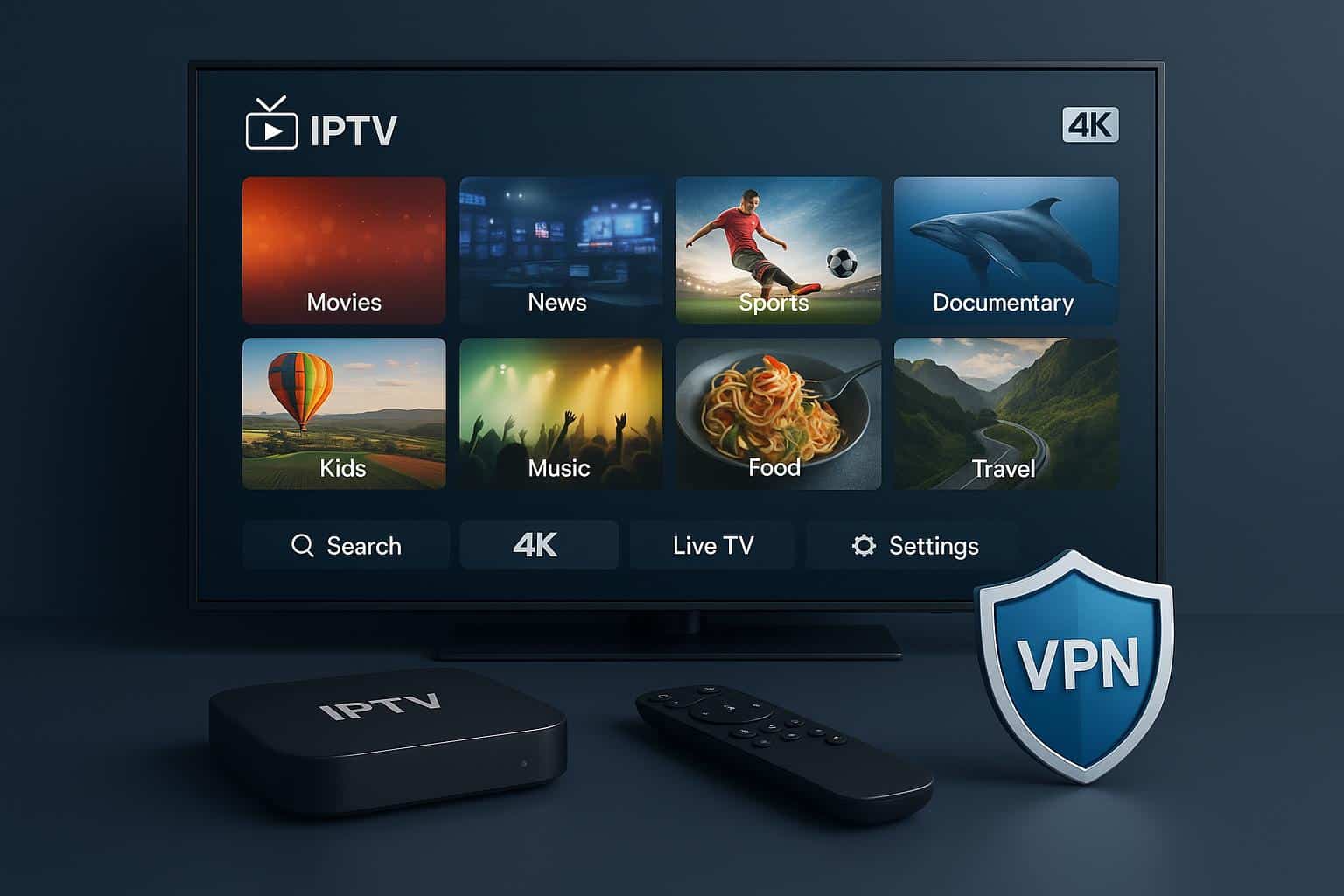
Internet television continues to change the way people watch live channels, on-demand programs, sports, news, and entertainment. Instead of depending entirely on traditional cable or satellite packages, viewers can use internet-based television services that deliver content through an internet connection. As streaming technology develops, IPTV is expected to remain an important part of the modern television landscape.
For viewers comparing services for 2027, the challenge is not simply finding the largest channel list. A good choice should also provide reliable streaming, suitable device compatibility, clear pricing, useful customer support, and access to content that the viewer is legally entitled to watch. Understanding these factors can make it much easier to compare an IPTV service before paying for an IPTV subscription.
This guide explains what to look for in an IPTV service, how IPTV works, what matters when choosing IPTV USA options, and which features may become more important as viewers move toward 2027.
What Is IPTV?
IPTV stands for Internet Protocol Television. Rather than delivering television programming through traditional broadcast, cable, or satellite infrastructure, IPTV uses internet protocol networks to transmit television content.
The basic concept is straightforward. A provider makes television programming available through a network, and compatible software or hardware receives the stream over the internet. Depending on the service, viewers may be able to watch live television, replay selected programs, access video on demand, or use other interactive features.
IPTV should not be confused with every streaming platform. Major services such as subscription video-on-demand platforms use internet delivery too, but IPTV generally refers to television services delivered through IP networks, particularly services offering live television channels.
Because the technology relies on internet connectivity, the quality of the viewing experience can depend on several factors, including bandwidth, network stability, device performance, server capacity, and video encoding.
Why IPTV Is Becoming Important for 2027
The television market is becoming increasingly internet-focused. Viewers want flexibility, and many prefer services that allow them to watch programming on televisions, smartphones, tablets, computers, and streaming devices.
This shift makes IPTV 2027 an interesting area for consumers. Future viewers are likely to pay greater attention to convenience and compatibility instead of simply choosing a traditional television package.
Several trends are particularly relevant.
First, multi-device viewing is becoming normal. A household may watch television on a smart TV in the living room, a tablet while traveling, and a phone when away from home. Services that support appropriate devices can therefore be more convenient.
Second, viewers increasingly expect high-definition and stable video. Faster home internet connections make higher-resolution streaming more practical, although resolution alone does not guarantee a good experience.
Third, personalization is becoming more important. People want simple menus, useful electronic program guides, search functions, favorites, replay options, and organized categories.
Finally, consumers are becoming more careful about what they pay for. A large channel count can look attractive, but the actual value of an IPTV subscription depends on whether the service provides content the customer wants and is authorized to access.
What Makes the Best IPTV Option?
There is no single IPTV service that is automatically the right choice for every viewer. The best option depends on location, content preferences, devices, budget, and the availability of legitimate programming rights.
However, several characteristics can help consumers make a more informed comparison.
Reliable Streaming
Reliability should be near the top of the checklist. A service that frequently buffers, disconnects, or becomes unavailable can make even a large content library frustrating to use.
When comparing providers, look for information about infrastructure, supported regions, playback quality, and customer support. If a provider offers a trial or clearly documented service period, consumers can use that opportunity to evaluate stability before committing to a longer subscription.
It is also important to remember that buffering is not always caused by the provider. Wi-Fi congestion, weak signals, outdated routers, insufficient bandwidth, and overloaded home networks can also affect playback.
Content Availability
Channel quantity is one of the most commonly advertised IPTV features, but quantity should not be the only consideration.
Think about the channels and programming that actually matter. A sports fan may prioritize live sports networks, while another viewer may care more about news, entertainment, children's programming, or international channels.
For IPTV USA users, regional availability can also matter. Some programming is restricted by territory because of licensing agreements. A legitimate service should clearly communicate what content is available in the customer's location.
Video Quality
Video quality can range from standard definition to high-definition and, where supported, 4K. However, advertised resolution should be evaluated alongside actual streaming stability.
A stable 1080p stream can be more enjoyable than a 4K stream that constantly buffers. Consumers should therefore consider both picture quality and reliability.
Compatible hardware is another factor. A viewer needs a television, streaming device, monitor, or mobile device capable of displaying the desired resolution. The internet connection must also be capable of handling the stream.
Device Compatibility
Before purchasing an IPTV subscription, check whether the service supports the devices you intend to use.
Common categories include smart TVs, Android TV devices, streaming boxes, smartphones, tablets, computers, and other compatible media players. Compatibility can vary significantly between services.
A provider should ideally explain installation requirements clearly. If the instructions are confusing or the service requires unusual software without adequate documentation, consumers should investigate carefully before subscribing.
Electronic Program Guide
An electronic program guide, commonly called an EPG, can make live television much easier to navigate.
Instead of opening individual channels without knowing what is currently playing, viewers can browse scheduled programming through a guide. A useful EPG may show current programs, upcoming broadcasts, channel categories, and program descriptions.
For people who watch many live channels, a well-organized guide can be more valuable than having hundreds of additional channels that they never watch.
Customer Support
Technical problems can happen with any internet service. Good customer support can make troubleshooting much easier.
Before subscribing, check whether the provider publishes clear contact information and support documentation. Look for information about installation, account management, billing, compatible devices, and common playback problems.
Consumers should be cautious about services that make large promises but provide little information about who operates the service or how customers can obtain assistance.
Transparent Pricing
Pricing should be easy to understand. A legitimate IPTV provider should clearly explain subscription periods, renewal terms, included features, and any additional charges.
Avoid making a decision solely because a package is unusually cheap. Extremely low prices combined with enormous promises may deserve additional scrutiny, particularly when the provider does not clearly explain its licensing or business information.
Comparing the total cost over the intended subscription period is more useful than comparing an introductory price alone.
Understanding IPTV Subscriptions
An IPTV subscription generally provides access to a provider's television platform for a defined period. Depending on the service, subscriptions may be monthly, quarterly, annual, or offered through other billing arrangements.
Before buying, consumers should check exactly what is included.
Questions worth asking include:
Which channels and programs are available in my country?
• Are the advertised channels currently available?
• Which devices are supported?
• Is there a trial period?
• What happens when the subscription expires?
• How are cancellations handled?
• Is customer support available?
• Are there additional setup or equipment costs?
• Does the provider have the necessary rights to distribute the content?
These questions can prevent misunderstandings later.
IPTV USA Considerations
People searching for IPTV USA services should pay particular attention to regional availability and content rights. Television licensing can differ by country, and a channel available in one territory may not be legally available in another.
Consumers should also consider local internet conditions. A fast fiber connection can provide a different experience from a congested wireless network, even when both users purchase the same service.
Another useful consideration is device compatibility. Many U.S. households use smart televisions and dedicated streaming devices, so checking compatibility before purchasing can save time.
Instead of focusing only on how many channels are advertised, compare the channels you actually need, the service's reliability, its interface, support options, and its terms.
Legal and Safety Considerations
One of the most important parts of choosing an IPTV service is understanding whether the provider is authorized to distribute the content it offers.
The term IPTV describes a delivery technology. It does not automatically mean that every IPTV service is legal or licensed.
Some services legitimately distribute television programming through internet networks. Others may offer copyrighted channels or premium events without appropriate authorization.
Consumers should therefore investigate the provider's business information, terms of service, content rights, and reputation before subscribing. Avoid services that encourage bypassing copyright restrictions, provide suspiciously broad premium content at unrealistic prices, or make unclear claims about licensing.
It is also wise to protect personal and financial information. Use secure payment methods, avoid giving unnecessary credentials to unknown services, and make sure applications come from trustworthy sources.
How Internet Speed Affects IPTV
Internet speed is an important part of the IPTV experience, but raw download speed is not the only factor.
Network stability, latency, Wi-Fi interference, router quality, and congestion can all affect playback. A household with several people simultaneously using video calls, gaming services, cloud applications, and streaming platforms may experience congestion.
For the best experience, connect a compatible television or streaming device through Ethernet when practical. If Wi-Fi is necessary, placing the router in a suitable location and using a modern wireless standard can help.
Consumers should also remember that the required bandwidth depends on video resolution and compression. Higher-quality streams generally require more data.
Features to Watch as IPTV Moves Toward 2027
The IPTV market is likely to continue evolving. While specific features will vary between providers, several developments are worth watching.
Better personalization may become more common. Services can organize channels and recommendations around viewing habits, making it easier to find relevant programs.
Improved search is another useful direction. Instead of scrolling through long channel lists, viewers may increasingly expect fast searches across live and on-demand content.
Cross-device synchronization may also become more important. Consumers want a service to feel consistent when moving from a television to a mobile device or computer.
Accessibility features deserve attention as well. Closed captions, audio descriptions, adjustable interfaces, and other accessibility tools can make television more useful to a wider audience.
At the same time, privacy and security will remain important. Consumers should understand what account information an application collects and how that information is handled.
How to Compare IPTV Services
A simple comparison process can help narrow down the options.
Start by defining your requirements. Write down the channels, genres, sports, languages, and devices that matter most.
Next, check availability in your country. Do not assume that an advertised channel list applies everywhere.
Then investigate technical features. Look at supported resolutions, EPG functionality, device compatibility, playback options, and support documentation.
After that, review pricing and subscription terms. Calculate the cost for the period you actually expect to use the service.
Finally, investigate legitimacy and reputation. Look for transparent information about the company, content rights, customer support, and terms.
This approach is more useful than selecting a provider based only on a large channel number.
Common IPTV Mistakes to Avoid
One common mistake is choosing the biggest channel package without checking whether the channels are relevant.
Another is purchasing a long subscription immediately without testing compatibility or reliability. If a legitimate provider offers a trial, testing it first can be useful.
A third mistake is ignoring licensing. A service can technically work while still failing to provide the necessary rights for its content.
Consumers should also avoid downloading applications from questionable sources. Unverified software can create security and privacy risks.
Finally, do not assume that every buffering problem is the provider's fault. Test your home network, router, Wi-Fi signal, and device before reaching a conclusion.
Is an IPTV Subscription Worth It?
Whether an IPTV subscription is worthwhile depends on the viewer's needs.
For someone who wants flexible access to legitimate live television across compatible devices, an IPTV service can provide a convenient alternative to traditional television distribution.
For another viewer who watches only a few programs, a conventional streaming platform or free legal service may be sufficient.
The important point is to compare actual usage rather than marketing claims. Calculate how much you will use the service, which channels matter, what devices you will use, and what you are receiving for the subscription price.
A good IPTV experience is about more than a long list of channels. Reliability, legal access, usability, compatibility, security, and customer support all contribute to the overall value.
Final Thoughts on IPTV in 2027
IPTV is becoming an increasingly familiar way to deliver television over internet networks, and the technology will continue to evolve as consumers expect more flexibility from their entertainment services.
For anyone researching IPTV 2027 options, the most useful strategy is to look beyond headline claims. Compare content availability, streaming stability, video quality, supported devices, electronic program guides, customer service, pricing, security, and content authorization.
People searching for the best IPTV service should also remember that the right choice is personal. A sports viewer, a family, an international viewer, and a casual television watcher may all have different requirements.
Before purchasing an IPTV subscription, take time to understand what the service provides, whether the content is authorized in your region, and whether your devices and internet connection can support it. A careful comparison can help you choose an IPTV service that fits your actual viewing needs while avoiding unnecessary costs and potential security or legal problems.
As 2027 approaches, IPTV will likely remain part of the broader shift toward internet-based television. The services that provide clear information, dependable technology, useful features, responsible content distribution, and transparent customer terms will be easier for consumers to evaluate. For viewers, informed comparison remains the most practical way to find a service that matches their needs..

Humidity plays a critical role in industrial warehouses. Excess moisture harms the inventory and building materials. By installing the appropriate dehumidifiers, you can make a big difference.
Most industrial warehouses perform well when the relative humidity stays between 30% and 50%. Products may also spoil once the humidity is above this. You can avoid all these by using dehumidifiers properly.
Warehouses can also combine IoT with their dehumidifier systems. The system has the potential to increase operational efficiency by 20 percent. The following are practical best practices for using dehumidifiers in industrial warehouses.
Best Practices of Using Dehumidifiers in Industrial Warehouses
Select the Correct Dehumidification
Different warehouses require different dehumidification technologies.
Fridge or condensation dehumidifiers are best in buildings where temperatures remain above 15 °C (60F). And the target RH is higher than 45% RH.
Desiccant rotor dehumidifiers work well in colder climates. They are also capable of working under sub-zero temperatures. It helps to drop the humidity to less than 40% RH.
Dehumidifiers based on heat pumps are highly efficient. They reuse the heat generated during condensation to warm the dry air
Proper Sizing and Placement
Correct sizing is essential for effective dehumidification. The general industrial standard is to supply 1 pint of moisture removal ability.
Install dehumidifiers centrally with a 12 to 18 inches distance from the walls. This allows proper airflow. It also ensures the unit can circulate dry air throughout the facility.
For large warehouses, you should install multiple units. Each unit can provide about 60–70% of the required capacity. If one unit malfunctions, the other ones keep humidity in check.
Enhance Structural Sealing and Air Control
The most efficient dehumidifier cannot work well if outside air is always entering the building with moisture.
Install air curtains or strip doors in the loading docks. It will help to minimize outside air infiltration. Seal the cracks of the buildings and cover the open water tanks. So that you can avoid unwarranted entry of moisture in the space.
Storage layout is an issue as well. Load pallets without being overridden. Store in racks whose sides are open to allow air to flow. Adequate ventilation ensures that the humidity level does not vary throughout the warehouse.
Monitoring and Automation
Contemporary warehouses can use automated humidity control systems. Humidistats are capable of automatically controlling the dehumidifiers. This will eliminate over-drying and will save on energy.
Multiple sensors can also be installed in the facility. It is recommended to have a single humidity sensor per 40-50 square meters. This will enable the managers to identify moisture issues.
To operate easily, units with inbuilt pumps or gravity drainage are recommended. This will avoid tank emptying, which is done manually. It will prevent system shutdowns.
Case Study: Pharmaceutical Warehouse Humidity Control in Warehouse
Problem: A pharmaceutical warehouse in the UK was dealing with humidity issues during the winter months and transition seasons. Employees reported seeing condensation on shelving racks, boxes becoming soft, and equipment rusting when exposed to moisture for extended periods. They also needed to manage humidity levels to meet storage guidelines for temperature-sensitive medications.
Solution: Humidity loggers revealed average humidity inside the warehouse was above 65% RH during mornings and evenings.
They implemented a humidity control plan that included:
Purchase and installation of commercial grade desiccant dehumidifiers.
Integration of warehouse humidity sensors with their building management system (BMS).
Maintaining average humidity setpoints below 50% RH.
Sealing gaps around loading dock doors and upgrading air curtains.
Developing preventative maintenance schedules.
Results: After implementing industrial dehumidification, they were able to achieve:
Consistent humidity levels throughout the warehouse.
No condensation on racks or structural steel support members.
Better protection of humidity-sensitive inventory/products.
Reduced risk of spoilage and damaged packaging.
Increased confidence during warehouse audits for pharmaceutical storage compliance.
Learn more about how humidity control can help improve storage conditions for sensitive products in warehouses and distribution centers.
Industrial Warehouse Humidity FAQs
What is the ideal humidity level for an industrial warehouse?
It depends on the application and stored products, but for most warehouses, we recommend keeping RH between 30% and 50%. This provides a good balance of comfort for employees and protection for inventory, equipment, building structure, and packaging. Some industries like pharmaceuticals require much tighter humidity control.
Why is humidity control important in warehouses?
Relative humidity levels that are too high can cause many issues for warehouse operations such as:
Condensation on equipment
Rust & corrosion
Increased mould and mildew
Damaged cardboard boxes
Product spoilage
Loss of sensitive inventory
Closer temperature monitoring
Increased humidity also causes air handlers to work harder which can decrease equipment reliability lifespans. Keeping humidity in check helps protect inventory and reduces overall maintenance costs.
Which type of dehumidifier works best for industrial warehouses?
It depends on the specific building and climate:
Ref dehumidifiers work well in warmer warehouses or those operating above 65°F (18°C) with average humidity levels.
Desiccant dehumidifiers are ideal for cold storage warehouses and below freezing temperatures. Desiccants can also achieve much lower humidity levels than refrigerant based dehumidifiers.
Heat pump dehumidifiers can offer industry leading energy efficiency in the right conditions.
How do you size warehouse dehumidifiers?
Several factors influence how many dehumidifiers you need for optimum humidity control:
Warehouse size & ceiling height
Temperature
Existing humidity levels
Moisture load (water volume)
Loading dock openings
Outdoor climate
Air changes per hour (ACH)
A trained industrial technician can help properly size dehumidifiers for your warehouse using a free humidity assessment.
Where should warehouse dehumidifiers be placed?
Ideally, place dehumidifiers close to where moisture enters the warehouse near loading docks. Avoid placing them near blocked airflow or restricted areas.
Always leave space around the dehumidifier for proper air circulation and drainage. Dehumidifiers remove a lot of water so make sure they can drain freely.
Large warehouses may need multiple units spread throughout the facility for consistent humidity control.
Can warehouse dehumidifiers connect to automated humidity controls?
Yes. Smart dehumidifiers can be integrated with humidity sensors, IoT devices, and even a building management system (BMS). Modern systems use automatic humidistats that adjust runtime based on real-time humidity levels. This can dramatically reduce energy usage while keeping humidity levels steady.
How often should commercial dehumidifiers be serviced?
In general, you should:
Regularly clean or replace air filters
Inspect coils and fans for dust build-up
Ensure drainage functions properly
Confirm humidity sensors are calibrated correctly
Have units professionally serviced once per year
Commercial and industrial grade dehumidifiers are built for continuous runtime, but like any machinery they require regular maintenance to operate at peak efficiency.
What industries can benefit from dehumidifying a warehouse?
While proper humidity control can benefit any warehouse, facilities that commonly store:
Pharmaceuticals
Food & beverage
Electronics
Automotive parts
Paper products
Cold storages
Clothing/Fabrics
Will benefit most from dehumidifiers. Any inventory that is sensitive to moisture can be protected by controlling humidity levels.
Can dehumidifiers save money on energy in a warehouse?
Installing dehumidifiers can actually reduce energy costs. Lower humidity levels will minimize condensation which protects HVAC equipment and allows temperature control systems to operate more efficiently. Additionally, you could save money by preventing damage to inventory, building materials, and machinery.
Does humidity monitoring prevent warehouse inventory losses?
Definitely. Wireless humidity sensors allow you to monitor moisture levels across your entire warehouse. By spotting trends and identifying potential problems early, proactive humidity monitoring is the best tool for preventing inventory losses due to moisture.
Final words
Maintain the dehumidifier properly. You can use a dedicated electrical circuit to avoid voltage fluctuations. Besides, clean filters and coils every six months. You should also consider professional servicing once a year to ensure the system operates efficiently.

Few things are more frustrating than connecting a device to a charger and discovering that the battery percentage is not increasing. You may see a charging symbol, but the battery remains stuck at the same level, or nothing happens at all. Whether you are using a tablet or smartphone, charging problems can come from several different sources.
If you are searching for ipad wont charge, the issue could be as simple as a damaged cable, a dirty charging port, or an unsuitable power adapter. Similarly, if you are wondering why won't my phone charge, checking the charging accessories, power source, software, and battery condition can help identify the problem.
The good news is that many common charging issues can be investigated at home before professional repair becomes necessary.
Why Won’t an iPad Charge?
When an iPad does not charge, it is tempting to assume that the battery has failed. However, the battery is only one possible cause. Charging depends on several components working together, including the power adapter, cable, charging port, battery, and software.
A problem with any of these components can interrupt the charging process.
Start by checking whether the charging cable is properly connected at both ends. A loose connection may prevent electricity from reaching the device consistently. If possible, try another compatible cable and power adapter to determine whether the accessory is responsible.
If the iPad begins charging with a different setup, the original cable or adapter may be the source of the problem.
Check the Charging Cable
A charging cable can look perfectly normal while having an internal fault. Repeated bending, pulling, or twisting can eventually affect the internal wires and connectors.
If your iPad or phone charges intermittently, disconnects when the cable moves, or does not respond at all, testing another compatible cable is a useful first step.
Avoid continuing to use a cable that has exposed wires, damaged connectors, or obvious physical deterioration. A reliable cable should fit securely into the charging port without excessive movement.
Testing the device with a known-good cable can quickly help narrow down the cause.
Inspect the Charging Port
Dust, lint, and other small particles can accumulate inside a charging port, especially when a phone or tablet is regularly carried in a pocket, backpack, or purse.
A buildup inside the port can prevent the connector from making proper contact. This may result in slow charging, intermittent charging, or no charging at all.
If you suspect the port is dirty, inspect it carefully in good lighting. Avoid inserting sharp metal objects or applying excessive force, as this can damage delicate internal components.
If the port appears damaged or the connector no longer fits correctly, professional inspection may be appropriate.
Try a Different Power Source
Sometimes the device is not the problem at all. The wall outlet, power strip, computer port, or other power source may not be delivering the expected power.
Try connecting the charger to a different wall outlet. If you were previously charging through a laptop or another device, switch to a suitable wall adapter.
This simple test can help determine whether the issue is related to the external power source.
For reliable troubleshooting, change one component at a time. Testing the cable, adapter, outlet, and device separately makes it easier to identify what is actually causing the problem.
Why Won't My Phone Charge?

If you are asking why won't my phone charge, there are several possibilities to consider.
The most common causes include a faulty cable, incompatible or damaged adapter, blocked charging port, software issue, excessive heat, moisture detection, or battery-related problems.
Start with the easiest checks. Make sure the cable is firmly connected and test another compatible charger if available.
If another charger works normally, the original charging accessory may need to be replaced.
If multiple chargers fail to charge the phone, the problem may be with the phone itself.
Restart the Device
Software can occasionally interfere with normal charging behavior. If the phone appears unresponsive or does not recognize the charger, restarting the device may help.
A restart can clear temporary software glitches and reload the operating system.
If the battery has completely drained, the device may need to remain connected to a suitable charger for a while before it displays any visible response. Do not immediately assume that nothing is happening if the screen remains black after connecting it.
Give the device some time and then check again.
Check for Moisture
Some modern smartphones can detect moisture around the charging connector and temporarily prevent wired charging. This is an important safety feature because electricity and moisture can create dangerous conditions.
If your phone displays a moisture warning, disconnect the charger and allow the affected area to dry naturally according to the manufacturer's guidance.
Do not use excessive heat or insert objects into the charging port to speed up the drying process. If the warning continues after the device should be dry, professional assistance may be necessary.
Temperature Can Affect Charging
Extreme temperatures can also influence charging behavior.
A device that becomes too hot may temporarily limit or stop charging to protect its battery and internal components. Similarly, very cold conditions can affect battery performance.
If the phone or tablet feels unusually warm while charging, disconnect it temporarily and allow it to return to a normal temperature.
Charging the device in a well-ventilated location is generally preferable to placing it under blankets, cushions, or other materials that can trap heat.
Battery Health and Charging Problems
A battery naturally loses capacity over time. As a device gets older, its battery may hold less energy and may eventually show signs of deterioration.
Unexpected shutdowns, unusually rapid battery drain, or difficulty maintaining a charge can indicate that the battery is approaching the end of its useful life.
A battery problem is different from a simple cable or adapter failure. If multiple known-good charging accessories do not resolve the issue and the device continues to behave abnormally, battery health may need to be evaluated.
For devices with built-in batteries, professional service is generally safer than attempting to open the device yourself.
Software Updates May Help
Keeping your device's operating system updated can help maintain compatibility and resolve known software problems.
If the device can still operate normally but charging behavior has recently changed, check whether a system update is available.
However, software updates should not be considered a solution for obvious physical damage. If the charging port is broken or the cable is damaged, updating the operating system will not repair the hardware.
What to Do If Charging Is Very Slow
A device that charges slowly is not necessarily experiencing a complete charging failure.
Charging speed can depend on the adapter's power output, cable capabilities, battery level, device temperature, background activity, and the charging technology supported by the device.
Using the correct compatible charging equipment can help the device achieve its expected charging performance.
If charging becomes unusually slow compared with its normal behavior, test another suitable cable and adapter. Also check whether the device is overheating or performing intensive tasks while connected to power.
When Should You Seek Professional Help?
Home troubleshooting is useful for simple charging problems, but some situations require professional attention.
Consider getting the device inspected if the charging port is physically damaged, the battery appears swollen, the device becomes unusually hot, there is visible liquid damage, or multiple compatible chargers fail to work.
A swollen battery should be treated seriously. Avoid pressing, puncturing, opening, or continuing to charge a device with a visibly swollen battery.
Professional technicians can inspect the charging circuitry, battery, connector, and other internal components to determine the underlying issue.
Preventing Future Charging Problems
Taking care of charging accessories can reduce the likelihood of future problems. Avoid sharply bending cables and disconnect them by holding the connector rather than pulling the cable itself.
Keep charging ports reasonably clean and protect devices from unnecessary moisture and extreme temperatures.
It is also useful to keep a reliable backup cable available, particularly if you depend on your phone for work, travel, communication, or navigation.
Using compatible accessories from reputable sources is another important part of maintaining a dependable charging setup.
Final Thoughts
Charging problems can have many causes, but they do not always indicate a serious hardware failure. If your ipad wont charge, start by checking the cable, adapter, power source, and charging port. If you are asking why won't my phone charge, the same basic troubleshooting process can help identify common problems involving accessories, software, temperature, moisture, or battery condition.
The best approach is to test the simplest possibilities first and change one component at a time. This makes it easier to determine whether the issue comes from the charger, cable, power source, or device.
When there is visible physical damage, overheating, liquid exposure, or a swollen battery, avoid risky DIY repairs and seek professional assistance. With proper charging accessories and sensible device care, many common charging problems can be prevented or resolved before they become more serious.

Understanding LED Display Technology
An LED Display is a modern visual communication solution that uses light-emitting diodes to produce bright and detailed content. It can show images, videos, text, animations, advertisements, and real-time information. Because of its flexibility and strong visibility, LED display technology is widely used in retail stores, shopping centers, stadiums, offices, airports, educational institutions, entertainment venues, and public spaces.
Why Businesses Use LED Display Solutions
Businesses are increasingly choosing an LED Display because it provides a dynamic alternative to traditional signs. Content can be updated digitally without printing or replacing physical materials. Companies can use the same display for promotional campaigns, product information, announcements, seasonal offers, and brand messages. This makes LED technology a practical choice for organizations that need flexible and engaging communication.
Choosing a Reliable LED Screen Manufacturer
Selecting the right LED Screen Manufacturer is an important part of any display project. Manufacturers can differ in product quality, technical capabilities, customization options, production experience, and after-sales support. A reliable manufacturer should be able to understand the intended application and recommend an LED Display based on factors such as screen size, pixel pitch, brightness, viewing distance, and installation environment.
Indoor LED Display Applications
Indoor LED Display solutions are commonly used in locations where audiences view the screen from relatively short distances. Corporate offices, conference rooms, hotels, retail stores, shopping malls, museums, and educational facilities can benefit from indoor LED technology. These displays often focus on high image quality, fine pixel pitch, comfortable viewing, and attractive cabinet designs.
Outdoor LED Display Solutions
Outdoor installations require different specifications because the display must operate under changing environmental conditions. An experienced LED Screen Manufacturer can provide outdoor LED solutions with appropriate brightness and protection against dust, moisture, sunlight, and temperature changes. Outdoor displays are commonly used for roadside advertising, building facades, stadiums, transportation areas, and large public spaces.
Pixel Pitch and Viewing Distance
Pixel pitch is an important specification when selecting an LED Display. It refers to the distance between the centers of adjacent pixels and influences image detail. Displays with smaller pixel pitches are generally suitable for close viewing, while larger pixel pitches can be effective for screens viewed from greater distances. Choosing the appropriate pixel pitch helps ensure that the display provides suitable image quality for its intended environment.
Brightness and Image Quality
Brightness is another important consideration when selecting an LED Display. Outdoor screens generally require higher brightness so that content remains visible during daylight. Indoor screens normally operate at lower brightness levels because lighting conditions are more controlled. In addition to brightness, refresh rate, contrast, resolution, and color performance can influence the overall viewing experience.
Customized LED Display Solutions
Different projects may require different screen dimensions and configurations. A professional LED Screen Manufacturer can provide customized solutions based on the available installation space and specific project requirements. Custom displays can be designed for building facades, retail stores, exhibition areas, stage backgrounds, advertising structures, control rooms, and architectural installations.
LED Display for Digital Advertising
Digital advertising is one of the most popular applications for an LED Display. Businesses can use large screens to present promotional videos, product launches, special offers, and brand campaigns. Since digital content can be changed quickly, companies can run multiple campaigns on the same screen. This flexibility makes LED displays particularly useful in high-traffic commercial locations.
Quality and Manufacturing Standards
The quality of an LED Display depends on the components and manufacturing processes used to produce it. LED modules, cabinets, power supplies, control systems, and cooling components all contribute to overall performance. When evaluating an LED Screen Manufacturer, buyers should consider manufacturing standards, product testing, component quality, warranty coverage, and technical support instead of focusing only on the initial purchase price.
Installation and Maintenance
Proper installation is essential for achieving reliable performance from an LED Display. The mounting structure, electrical connections, ventilation, controller configuration, and environmental conditions should be considered before installation. Regular maintenance can also help identify technical issues early. Buyers should discuss maintenance procedures and replacement-part availability with their chosen LED Screen Manufacturer before completing a project.
Technical Support and After-Sales Service
A reliable LED Screen Manufacturer can provide valuable technical assistance throughout the life of an LED Display. Support may include installation guidance, configuration assistance, troubleshooting, warranty services, software support, and replacement components. Strong after-sales service can help minimize downtime and ensure that the display continues to operate effectively.
Conclusion
An LED Display provides businesses and organizations with a flexible and powerful way to communicate information, advertise products, and engage audiences. From indoor corporate installations to large outdoor advertising screens, LED technology can be adapted to many different applications. By carefully evaluating product specifications, manufacturing quality, customization options, installation requirements, and technical support, businesses can select an LED Screen Manufacturer capable of providing a reliable display solution for long-term use.

Not every move looks like a two-storey house with a driveway out front. A huge share of moves in London, Ontario involve apartments, condos and townhouses, and each of these property types comes with its own set of logistics that a standard house move simply doesn't have to deal with. Elevator bookings, building insurance requirements, loading docks, shared hallways and strict move-in windows can turn what should be a straightforward job into a scheduling headache if you don't plan for them.
This guide covers what makes apartment, condo and townhouse moves different in London, and what to look for in a mover who actually knows how to handle the building side of things, not just the boxes.
Apartment Movers in London, Ontario
Apartment moves London Ontario are usually the most time-sensitive of the three property types, particularly in purpose-built rental buildings where multiple tenants may be moving in or out on the same day, especially around the first of the month. Common friction points include:
Building move-in and move-out windows. Many apartment buildings restrict moves to specific hours or days, and some require advance notice to the building superintendent or management office.
Elevator access. Larger apartment buildings, particularly in London's downtown core and along the Richmond Row corridor, often have a single elevator or a dedicated service elevator that needs to be reserved ahead of time, since regular passenger elevators usually can't be tied up for a full move.
Parking and loading zones. Street parking near many older apartment buildings is limited, so confirming where a moving truck can legally park and load, sometimes requiring a temporary permit from the city, is worth sorting out before moving day.
Narrow hallways and stairwells. Older apartment buildings, especially those built before modern elevator standards, can have tight turns and low ceilings that require careful furniture handling and sometimes a smaller crew working more methodically rather than a large crew moving quickly.
A mover with real experience in London's apartment buildings will typically ask about these details upfront, rather than leaving you to discover a booking conflict or parking restriction on the day itself.
Condo Movers in London, Ontario
Condo moves add a layer of building governance on top of the apartment logistics above, since condo corporations in Ontario have real authority to set rules around move-in and move-out procedures.
What most managed condo buildings require:
A Certificate of Insurance (COI) from your moving company, proving they carry liability coverage for damage to common elements like elevators, hallways and lobby areas. Many buildings will not allow a moving crew through the door without this on file in advance, so confirm your mover can provide one, and check whether the building requires specific wording, such as naming the condo corporation as an additional insured party.
A booked service or freight elevator window. Condo buildings typically publish a fixed schedule, often a two to four-hour morning or afternoon block, and won't allow moves to tie up passenger elevators. These bookings fill up fast around the first of the month, so reserve your window as early as possible and plan your mover's arrival around it rather than the other way around.
A damage deposit. Many buildings hold a refundable deposit against potential damage to shared hallways, elevator interiors or doors, returned after a post-move inspection.
Protective coverings. Some buildings require elevator padding and floor protection to be installed before a move begins, which a good moving company will typically bring as standard equipment.
Because the building itself is often the biggest source of delays in a condo move, not the actual furniture, it's worth contacting your building management directly and asking for their specific move policy before you book a mover, so you can pass along exact requirements like COI wording and elevator hours when requesting your quote.
Townhouse Movers in London, Ontario
Townhouse moves generally sit somewhere between an apartment and a full house move in terms of complexity. Most townhouses in London, particularly the newer developments in areas like Summerside and parts of Hyde Park, offer more straightforward truck access than a downtown apartment or condo, often with a driveway or nearby visitor parking.
That said, a few things are still worth planning for:
Multiple levels. Many townhouses are built over two or three floors, which means more stairs than a bungalow or single-level condo, directly affecting how long the job takes and how many movers you may want on the crew.
Shared walls and tight turning space. Townhouse complexes often have narrower streets and closer-set units than a standalone house, which can make truck positioning trickier, particularly during peak moving periods when several units in the same complex might be moving on the same weekend.
Community or HOA rules. Some townhouse developments have their own move-in guidelines around permitted hours or designated loading areas, similar to a condo building, though generally less strict than a high-rise.
What a Good Apartment, Condo or Townhouse Mover Should Offer
Brawny Movers, which has served London and the surrounding area since 2016, is one example of a company set up to handle the full range of these property types rather than treating them all the same way. Their crews are used to navigating the tight hallways and building restrictions common in London's core, and they offer both full-service moves with a truck included and a labour-only option, which can work particularly well for a smaller apartment or condo move where you don't need a full truck for the entire job.
A few things worth confirming with any mover before you book:
Can they provide a Certificate of Insurance if your building requires one, and how quickly can they turn it around?
Are they familiar with elevator booking procedures, and will they work around your confirmed building window rather than expecting you to work around their schedule?
Do they have experience with your specific building or complex, or at least similar properties in the same part of the city?
What's their approach to protecting shared hallways, elevators and doorframes during the move?
Student Apartment Moves Near Western and Fanshawe
A significant share of London's apartment moving demand comes from students moving in and out of housing near Western University and Fanshawe College, particularly in Old North, Broughdale and the areas immediately surrounding both campuses. These moves cluster heavily around late August and early May, which puts real pressure on availability during those windows.
Student apartment buildings often have their own quirks: shared entryways, multiple units on a single moving day, and sometimes less formal building management than a larger condo corporation, which can mean less structured elevator booking but also less predictability about what to expect on the day. If you're helping a student move in London, book as early as possible for these peak periods, and specifically ask your mover about their experience with student housing in the areas near both campuses.
Packing Strategies for Smaller Spaces
Apartments, condos and townhouses each come with their own packing considerations that differ from a full house move. In a smaller apartment or condo, space is often at a premium even before you start packing, so working room by room and getting boxes out of the way as you fill them helps avoid a cluttered, harder-to-navigate space on moving day itself. It's also worth being realistic about what a smaller unit can actually fit into a moving timeline. A one-bedroom apartment might feel like a quick job, but built-in furniture, wall-mounted shelving, and closet organisers often take longer to remove and pack than people expect.
Condo moves benefit from extra care around fragile or valuable items, since many condo dwellers have invested in higher-end furniture and electronics that fit a smaller footprint. Wrapping and boxing these properly, rather than relying on moving blankets alone, gives an added layer of protection during the tighter manoeuvring that elevators and shared hallways require.
Townhouses, with their multiple levels, benefit from a slightly different approach. Packing by floor, rather than strictly by room, can make loading more efficient, since it lets your crew work through the truck in a logical order that matches how the levels will be unloaded at the other end.
Questions to Ask Building Management Before You Book Movers
Before you even start requesting quotes from moving companies, a quick call or email to your building's management office can save a lot of back-and-forth later. Worth asking:
What are the permitted days and hours for moves in this building?
Is a service or freight elevator required, and how far in advance does it need to be booked?
Do you require a Certificate of Insurance from the moving company, and if so, what specific wording or coverage amount do you need?
Is there a damage deposit, and what's the process for getting it returned after the move?
Where can a moving truck legally park and load, and is a temporary permit required?
Getting clear answers to these questions before you book your mover means you can pass along exact requirements upfront, rather than discovering a scheduling conflict or missing document on the day of your move.
Typical Costs for Apartment, Condo and Townhouse Moves
Studio or 1-bedroom apartment: roughly $300 to $600 for a local move
2-bedroom apartment or condo: roughly $500 to $1,000
Townhouse (2-3 bedrooms): roughly $800 to $1,800, depending on the number of levels and total volume of belongings
Additional building-related costs: elevator booking fees and damage deposits vary significantly by building and are set by property management, not your moving company, so confirm these separately when you reserve your elevator window
These figures assume a fairly standard local move within London and can shift based on distance, access difficulty, and whether you add packing services or specialty item handling.
Frequently Asked Questions
Do I need to book an elevator for a condo move in London, Ontario? Most managed condo buildings require a reserved elevator window for moves, and won't allow a crew to use passenger elevators for a full move. Contact your building management well ahead of your moving date to confirm their specific process.
What is a Certificate of Insurance, and do I need one for my apartment move? A Certificate of Insurance is a document from your moving company's insurer proving they carry liability coverage. Many condo and some larger apartment buildings require this on file before allowing a moving crew access to common areas, so it's worth asking your mover about this when you book.
How much does it cost to move out of an apartment in London, Ontario? A local studio or 1-bedroom apartment move typically costs between $300 and $600, though this can vary based on building access, elevator requirements and total distance.
Are townhouse moves more expensive than apartment moves in London? Generally yes, mainly because townhouses tend to have more square footage and more stairs to navigate than a single apartment unit, which increases the time and crew size needed for the job.
Can I hire movers for just loading and unloading a rented truck for a smaller apartment move? Yes, several London movers, including Brawny Movers, offer labour-only services for exactly this kind of smaller job, which can be a cost-effective option if you're comfortable arranging the truck rental yourself.
How far in advance should student apartment moves near Western or Fanshawe be booked? Given how much demand clusters around late August and early May, booking at least four to six weeks ahead, and ideally earlier, is strongly recommended for moves during these peak student moving periods.
Whether you're navigating a condo board's elevator schedule, coordinating a student move near campus, or handling the extra stairs of a multi-level townhouse, the right mover for the job is one who treats the building itself as part of the plan, not an afterthought discovered on moving day.

Choosing the best IPTV USA service can be challenging. There are many providers available, but they can differ significantly when it comes to streaming quality, channel selection, device compatibility, customer support, and subscription options.
Instead of choosing a service based only on the number of channels advertised, it is important to consider the overall viewing experience. A good IPTV provider should offer reliable streaming, support the devices you already use, and provide access to the type of content you actually watch.
In this guide, we compare five IPTV services for USA viewers in 2026: SHOROC, Filmpex, BelgischeIPTV, FoxTVona, and SmartiloTV.
1. SHOROC – Best IPTV USA Overall
For viewers searching for the best IPTV service USA, SHOROC.com is our top choice. The service focuses on providing a broad entertainment experience combining live television, sports, movies, and series.
One of the biggest advantages of SHOROC is its compatibility with different streaming environments. Users can access IPTV through popular devices such as Firestick, Android TV, Smart TVs, smartphones, tablets, and computers.
The service is also designed for users who want more flexibility than traditional television packages. Instead of being limited to a single television setup, IPTV can be used across different compatible devices, making it practical for households with multiple screens.
Why SHOROC Stands Out
SHOROC offers several features that make it attractive to viewers in the United States:
· Live TV channels
· Movies and TV series
· HD and 4K streaming options
· Sports and entertainment programming
· Firestick compatibility
· Android TV support
· Smart TV compatibility
· Multi-device support
· Flexible subscription options
· Customer support
Another advantage is the straightforward setup process. Once users have their subscription and compatible IPTV application, they can configure the service on their preferred device.
For someone looking for a best IPTV provider USA option that combines live television and on-demand entertainment, SHOROC.com is a strong choice.
Best for: Overall IPTV experience, families, sports fans, and viewers using multiple devices.
Visit SHOROC to explore the IPTV service and available plans.
2. Filmpex – Best IPTV for Entertainment
Filmpex is another IPTV provider worth considering for users who place a strong emphasis on entertainment.
The service is suitable for viewers who want access to live television while also having movies and series available for on-demand viewing. This combination can be useful for households where different people watch different types of content.
Rather than relying exclusively on traditional live television, users can take advantage of the flexibility offered by IPTV and choose between live programming and on-demand entertainment.
What Makes Filmpex a Good Choice?
Filmpex can be particularly appealing to viewers interested in:
· Live television
· Movies
· TV series
· HD and 4K content
· Entertainment programming
· Multiple compatible devices
Device compatibility is another important consideration. Users should always check the latest supported-device information before subscribing, especially if they plan to use IPTV on a specific Smart TV, streaming stick, or mobile device.
Filmpex is therefore a good alternative for users who want their IPTV subscription to cover both live viewing and entertainment content.
Best for: Movies, TV series, and general entertainment.
Visit FILMPEX.com to explore the IPTV service.
3. BelgischeIPTV – Best for International Content
Despite its name, BelgischeIPTV.com can be considered by viewers interested in IPTV services and international television content.
International programming is particularly important for households that watch channels or content from different countries. IPTV can make it easier to access a broader range of programming from a single compatible streaming setup.
BelgischeIPTV focuses on providing IPTV access with support for popular devices and streaming environments.
Key Features
Depending on the current subscription and available content, users can look for:
· Live TV
· International channels
· Movies and series
· HD and 4K streaming
· Smart TV support
· Android compatibility
· Streaming-device compatibility
When comparing IPTV providers, viewers should always look beyond the provider's name and check the actual channel lineup available with the plan they are considering.
For users who value international programming alongside their regular entertainment, BelgischeIPTV can be an interesting option.
Best for: International television and European-focused viewers.
4. FoxTVona – Best for Live Television
FoxTVona is another option for viewers who primarily want an IPTV service for live television.
Live TV remains one of the main reasons people move from traditional television packages to IPTV. Being able to access television through an internet connection can provide more flexibility, particularly for users who watch content on different devices.
FoxTVona is worth considering for users looking for a straightforward combination of live channels and entertainment.
What to Consider
When evaluating FoxTVona or any other IPTV provider, viewers should look at:
· Available live channels
· Sports coverage
· Streaming quality
· Supported devices
· VOD availability
· Subscription options
· Customer support
Sports viewers should pay particular attention to the channels and events included with the specific plan. Channel availability can change, so checking the current lineup before subscribing is always recommended.
Best for: Users primarily interested in live TV and sports-related programming.
5. SmartiloTV – Best for Movies and VOD
SmartiloTV completes our list of the best IPTV providers USA to consider in 2026.
For many viewers, IPTV isn't only about live television. Movies and TV series are equally important, particularly for people who prefer choosing what they want to watch rather than following a traditional broadcast schedule.
SmartiloTV can be considered by users looking for a combination of live television and on-demand entertainment.
Main Features to Consider
· Live TV
· Movies
· TV series
· VOD content
· HD and 4K options
· Streaming-device compatibility
· Mobile viewing options
VOD can be especially useful for households where viewers have different schedules. Instead of waiting for a program to air, users can select available on-demand content when it is convenient for them.
Best for: Movies, TV series, and on-demand viewing.
How to Choose the Best IPTV Service USA
The best IPTV service isn't necessarily the provider with the biggest advertised channel list. Different users have different priorities, so it is better to compare several factors before choosing a subscription.
1. Check Streaming Quality
Streaming quality can have a major impact on the viewing experience.
Look for services that support HD and, where available, 4K content. A compatible internet connection and streaming device are also important because IPTV performance depends on more than the provider itself.
2. Check Channel Availability
If you primarily watch American television, make sure the provider offers the channels you actually need.
Sports fans should also check whether the channels covering their preferred leagues and events are available. A large channel count does not necessarily mean that every channel you want will be included.
3. Check Device Compatibility
One of the advantages of IPTV is the ability to watch on different devices.
Common options include:
· Amazon Firestick
· Android TV
· Smart TVs
· Android phones
· iPhone and iPad
· Tablets
· PCs
· Mac computers
Before purchasing, check that your specific device and IPTV application are supported.
4. Compare Subscription Options
Different IPTV services use different subscription structures. Some users prefer a short-term plan so they can evaluate the service, while others prefer longer plans.
Compare the available options rather than automatically choosing the longest subscription.
5. Look at Customer Support
Customer support can be particularly important when setting up IPTV for the first time.
A provider that offers clear setup instructions and responsive support can make the transition considerably easier.
IPTV USA on Firestick and Smart TVs
Firestick and Smart TVs are among the most convenient ways to watch IPTV at home.
Before choosing an IPTV provider, make sure the service works with the application and device you plan to use. Installation procedures can differ depending on the operating system and IPTV player.
Android TV users also have a wide range of compatible IPTV applications, while mobile users can often stream through supported applications on Android and iOS devices.
The important thing is to choose a provider that supports your preferred viewing setup rather than purchasing a subscription first and checking compatibility afterward.
Is IPTV Legal in the USA?
IPTV is a technology for delivering television and video content over an internet connection, and the technology itself is not inherently illegal.
However, the legality of a particular IPTV service depends on the content being distributed and whether the provider has the appropriate rights or authorization.
Consumers should therefore research the provider and make sure they are using a legitimate service that has the necessary rights to distribute the content they offer.
Final Verdict: Which Is the Best IPTV USA Service?
There is no single IPTV provider that is perfect for every viewer, but our comparison puts SHOROC in the #1 position overall.
SHOROC offers a combination of live television, entertainment, sports, HD/4K options, broad device compatibility, and flexible subscription choices. That makes it a strong option for viewers who want an all-around IPTV experience.
Filmpex is worth considering for entertainment-focused users, while BelgischeIPTV may appeal to viewers interested in international programming. FoxTVona is another option for live television, and SmartiloTV is worth considering for viewers who prioritize movies and VOD.
Before subscribing, compare the current channel lineup, supported devices, streaming quality, pricing, and service terms.
Looking for the Best IPTV USA?
If you want an IPTV service that combines live TV and on-demand entertainment across multiple devices, SHOROC is a strong place to start.
Explore SHOROC IPTV and see the available plans.
Comment